Gold Jewelry vs Silver: 2026 Trend Analysis & Styling Guide
Discover the ultimate gold jewelry vs silver style guide for 2026. Learn how to mix metals, match skin undertones, and master layered trends.

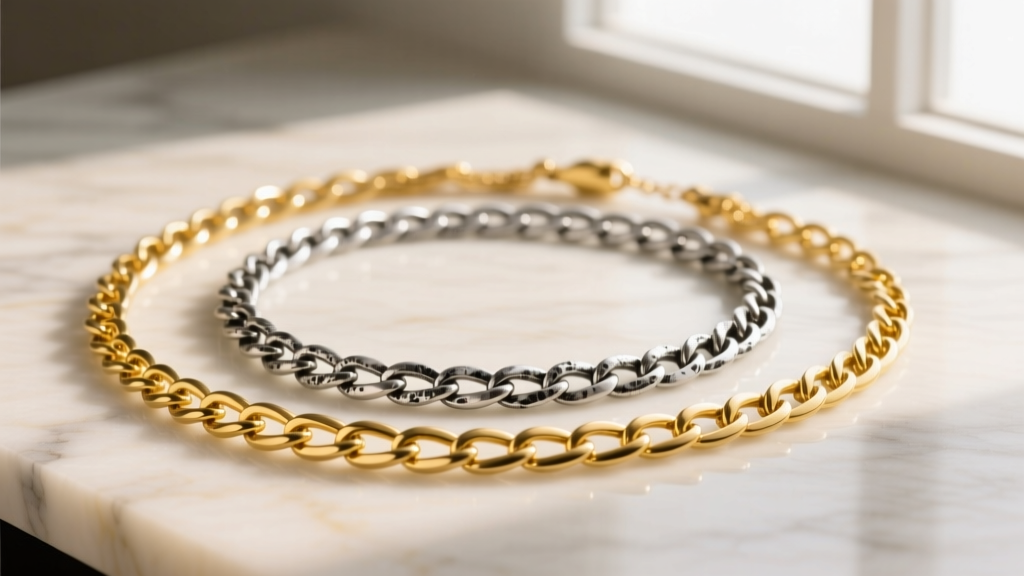
The debate of gold jewelry vs silver has evolved dramatically. For decades, the fashion industry enforced a rigid, matchy-matchy dogma: you either wore yellow gold or you wore silver, and never the twain shall meet. However, as we navigate the style landscape of 2026, this outdated binary has been entirely dismantled. Today’s most sophisticated jewelry collectors and trendsetters are embracing a bi-metallic approach, leveraging the contrasting temperatures of precious metals to create depth, texture, and highly personalized capsule wardrobes.
Whether you are building a fine jewelry collection from scratch or looking to elevate your everyday stacking game, understanding the nuanced interplay between gold and silver is essential. This comprehensive trend analysis breaks down the science of skin undertones, the metallurgical realities of everyday wear, and the exact frameworks stylists use to master the mixed-metal aesthetic.
The 2026 Metal Paradigm: Beyond the Matchy-Matchy Rule
In the early 2010s, minimalism dictated a monochromatic approach to accessories. If your watch was silver, your rings and necklaces had to follow suit. But contemporary style has pivoted toward intentional eclecticism. The modern gold jewelry vs silver conversation is no longer about choosing a side; it is about mastering contrast. According to recent trend forecasts by Vogue, the deliberate clashing of warm and cool metals is now a hallmark of high-end, curated styling, signaling a wearer who understands the rules well enough to break them.
This shift is largely driven by the rise of the ‘curated ear’ and the layered necklace trend, where varying metal tones provide visual separation between individual pieces, preventing them from blending into a single, indistinguishable mass of metal.
Undertone Mapping: Gold Jewelry vs Silver for Your Skin
While mixing metals is the ultimate goal, understanding which metal serves as your most flattering baseline is rooted in the biology of your skin’s undertones. The traditional advice of ‘warm tones wear gold, cool tones wear silver’ is an oversimplification. In 2026, we look at the interplay between melanin, carotene, and hemoglobin to determine how light reflects off precious metals against the skin.
- Warm Undertones (Yellow/Peach): Characterized by higher carotene levels. 14k and 18k yellow gold harmonize beautifully, creating a seamless, glowing effect. Sterling silver can sometimes look harsh or clinical against very warm skin unless it features an oxidized or brushed finish.
- Cool Undertones (Pink/Blue): Driven by higher hemoglobin visibility near the skin’s surface. Sterling silver and white gold act as an extension of the skin’s natural coolness. Yellow gold creates a high-contrast, striking pop that commands attention.
- Olive Undertones (Green/Gray): Often the most versatile. Olive skin has a natural complexity that can handle the copper alloys in rose gold and the bright reflection of polished silver equally well.
- Neutral Undertones: A balanced mix of warm and cool pigments. Neutral individuals are the ultimate blank canvas, making them ideal candidates for 50/50 mixed-metal layering.
| Undertone Profile | Vein Test Indicator | Primary Metal (70%) | Accent Metal (30%) | Best Gemstone Pairing |
|---|---|---|---|---|
| Warm | Green / Olive | 14k Yellow Gold | Oxidized Silver | Citrine, Turquoise, Fire Opal |
| Cool | Blue / Purple | Sterling Silver / White Gold | Rose Gold | Sapphire, Aquamarine, Diamond |
| Olive | Blue-Green / Teal | 18k Rose Gold | High-Polish Silver | Peridot, Emerald, Amethyst |
| Neutral | Colorless / Hard to tell | Two-Tone Mix | Two-Tone Mix | Moonstone, Labradorite, Pearl |
The Investment Angle: Hardness, Tarnish, and Pricing
When weighing gold jewelry vs silver for everyday wear, aesthetics must be balanced with metallurgical reality. Fine jewelry is an investment, and the physical properties of these metals dictate their longevity, maintenance requirements, and long-term value retention.
Mohs Hardness and Scratch Resistance
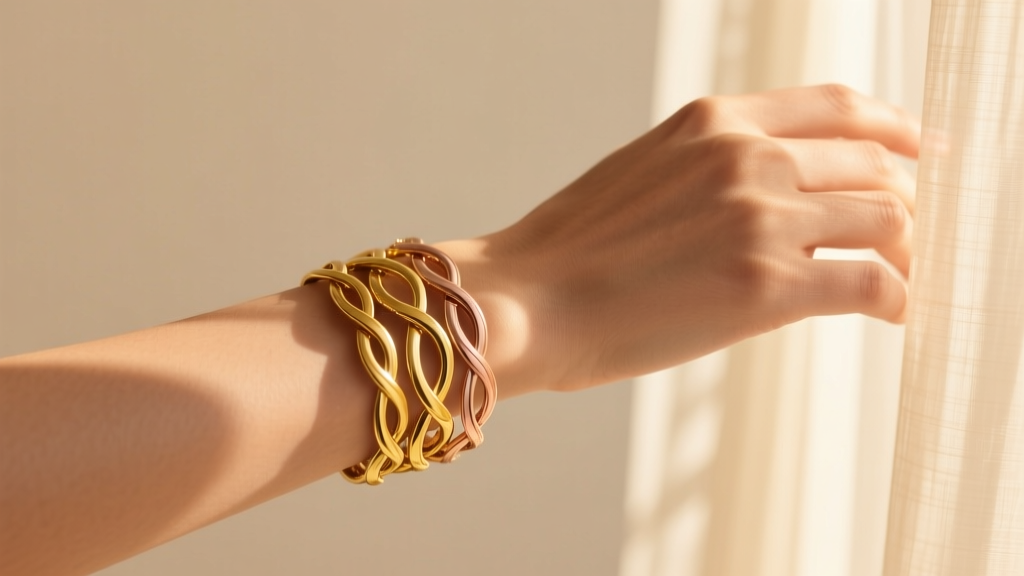
Pure 24k gold is incredibly soft (Mohs 2.5), which is why it is alloyed for jewelry. 14k gold (58.3% pure gold, alloyed with copper, silver, and zinc) registers around a 3.5 to 4 on the Mohs scale. Sterling silver (92.5% pure silver, 7.5% copper) is slightly softer, hovering around 2.5 to 3. This means silver is significantly more prone to micro-scratches, dents, and losing its structural integrity over years of heavy daily wear compared to 14k or 18k gold.
The Tarnish Factor
Gold is a noble metal; it does not react with oxygen or sulfur in the environment. Your 14k gold hoops will look exactly the same in ten years as they do today, requiring only occasional warm soapy baths. Silver, however, is highly reactive. The 7.5% copper in sterling silver reacts with sulfur compounds in the air and on the skin, creating silver sulfide (tarnish). While some collectors love the dark, antique patina of oxidized silver, those who prefer a bright shine must commit to regular polishing with a jeweler’s cloth.
Market Pricing and Value Retention
The financial barrier to entry is the most stark difference in the gold jewelry vs silver debate. As of early 2026, the spot price of gold hovers near historic highs, making 14k gold jewelry a significant financial commitment. According to the Gemological Institute of America (GIA), gold’s rarity and market demand ensure it retains intrinsic melt value. Conversely, silver is an industrial metal with a much lower spot price. While a heavy sterling silver chain might cost $150 to $300, an equivalent solid 14k gold chain will easily range from $1,200 to $2,500. For budget-conscious collectors, silver allows for bold, chunky statement pieces, while gold is often reserved for delicate, permanent, or heirloom-quality items.
Mastering the Mixed-Metal Stack: A 2026 Framework
Throwing on random gold and silver pieces rarely results in a cohesive look. To elevate your styling, industry experts rely on specific mathematical and visual frameworks. Here is how to execute the mixed-metal trend flawlessly.
The 70/30 Ratio Rule
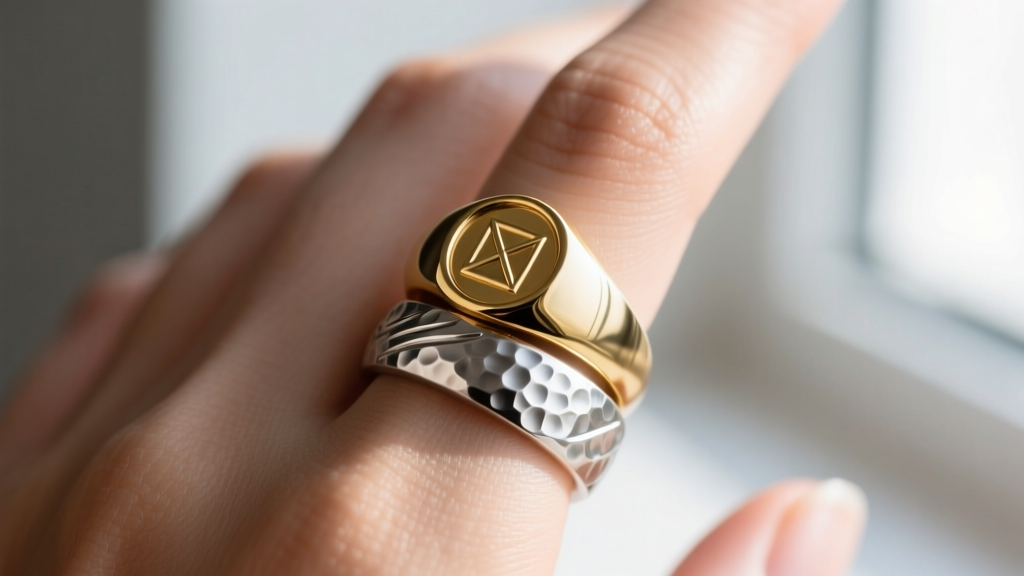
The golden rule of mixing metals is to avoid a perfect 50/50 split, which often looks accidental or indecisive. Instead, choose a dominant metal that comprises roughly 70% of your visible jewelry, and use the secondary metal for the remaining 30%. For example, if you are wearing three gold rings and a gold watch, introduce a single, striking silver signet ring to break up the warmth and draw the eye.
The Bridge Piece Strategy
If you are hesitant about mixing, start with a ‘bridge piece’. This is a single item of jewelry that intentionally incorporates both metals. A two-tone Cartier Trinity ring, a watch with a silver case and gold bezel, or a necklace featuring both silver and gold chain links serves as an anchor. Once the bridge piece is established, you can freely add monochromatic gold or silver pieces to the rest of your stack, and they will all look intentionally coordinated.
Texture as the Unifier
When combining different metal colors, unifying them through texture creates visual harmony. Pairing a high-polish silver band with a matte, brushed-finish gold band creates a sophisticated dialogue between the pieces. The shared texture tells the viewer that the contrast in color was a deliberate styling choice, not a morning rush mistake.
Trend Forecast: What is Dominating the Current Market
As we look at the runways and street style of 2026, a few distinct trends are shaping how consumers buy and wear mixed metals:
- Liquid Metal Silver vs. Matte Gold: High-shine, molten-looking silver pieces (reminiscent of Y2K futurism) are being paired with heavily textured, matte-finished yellow gold. The contrast between the wet look of the silver and the dry, earthy look of the gold is highly sought after.
- Permanent Jewelry in Two Tones: The permanent jewelry trend (welded chains without clasps) has evolved. Collectors are now getting a silver chain welded to one wrist and a gold chain to the other, or layering a permanent silver anklet with a permanent gold one.
- Asymmetrical Ear Curation: Stylists are dedicating one ear entirely to warm metals (yellow and rose gold) and the opposite ear entirely to cool metals (sterling silver and white gold), creating a striking bilateral contrast.
Final Verdict: Building a Bi-Metallic Capsule Wardrobe
The gold jewelry vs silver debate is officially a relic of the past. The most stylish approach for 2026 and beyond is to build a bi-metallic capsule wardrobe. Start by identifying your skin’s undertone to select your foundational, everyday pieces—the studs, the wedding band, the primary watch. These should be in your most flattering metal, likely solid 14k or 18k gold for longevity and value retention.
Once your foundation is set, use sterling silver as your trend-driven, experimental layer. Silver’s accessible price point allows you to purchase chunky, avant-garde, or seasonal pieces without the guilt of a massive financial investment. By applying the 70/30 ratio and utilizing bridge pieces, you can seamlessly merge the luxurious warmth of gold with the crisp, modern edge of silver, creating a jewelry collection that is as dynamic and multifaceted as you are.


