Silver or Gold Jewelry: A Beginner's Guide to Choosing the Right Metal
Decide between silver or gold jewelry with our expert guide. Compare durability, karats, pricing, and skin allergies to find your perfect metal.

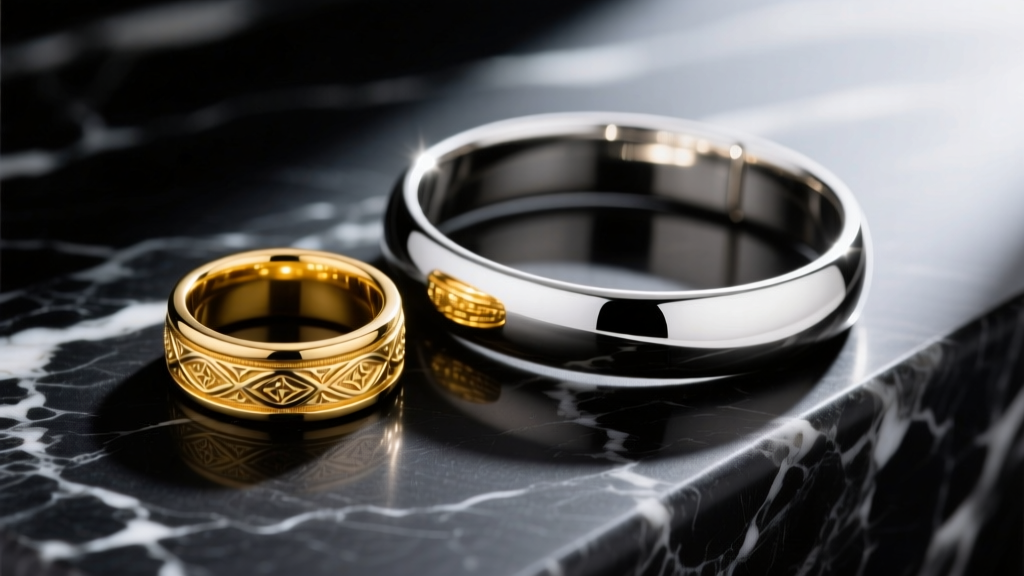
When building a foundational jewelry collection, the ultimate crossroads every beginner faces is choosing between silver or gold jewelry. While both are classified as precious metals, their metallurgical properties, maintenance requirements, and long-term value retention are vastly different. In 2026, with shifting precious metal markets and evolving alloy technologies, making an informed decision requires looking beyond the surface shine. This beginner-friendly explainer breaks down the exact science, economics, and lifestyle factors you need to consider before investing in your next everyday piece.
The Core Differences: Silver vs. Gold Alloys
Pure silver (999 fine) and pure gold (24 karat) are rarely used in functional jewelry because they are too soft to hold gemstones or resist deformation. To create durable pieces, jewelers alloy these metals with harder base metals. According to the Gemological Institute of America (GIA), understanding these alloy ratios is the first step in selecting the right metal for your lifestyle.
Sterling Silver (925)
Sterling silver is the global standard for silver jewelry, consisting of exactly 92.5% pure silver and 7.5% alloy metals—most commonly copper. This specific ratio provides enough structural integrity for rings and chains while maintaining the bright, reflective luster of pure silver. However, that 7.5% copper is also the reason sterling silver is prone to oxidation and tarnishing over time.
Karat Gold (10k, 14k, 18k)
Gold purity is measured in karats, with 24k being 100% gold. For daily wear, 14k gold (58.3% pure gold) and 18k gold (75% pure gold) are the industry standards. The remaining percentage consists of alloys like zinc, copper, nickel, or palladium, which dictate not only the metal's strength but also its final color (yellow, white, or rose). Unlike silver, gold alloys are highly resistant to corrosion and oxidation.
Durability and Daily Wear: Which Metal Survives Your Lifestyle?
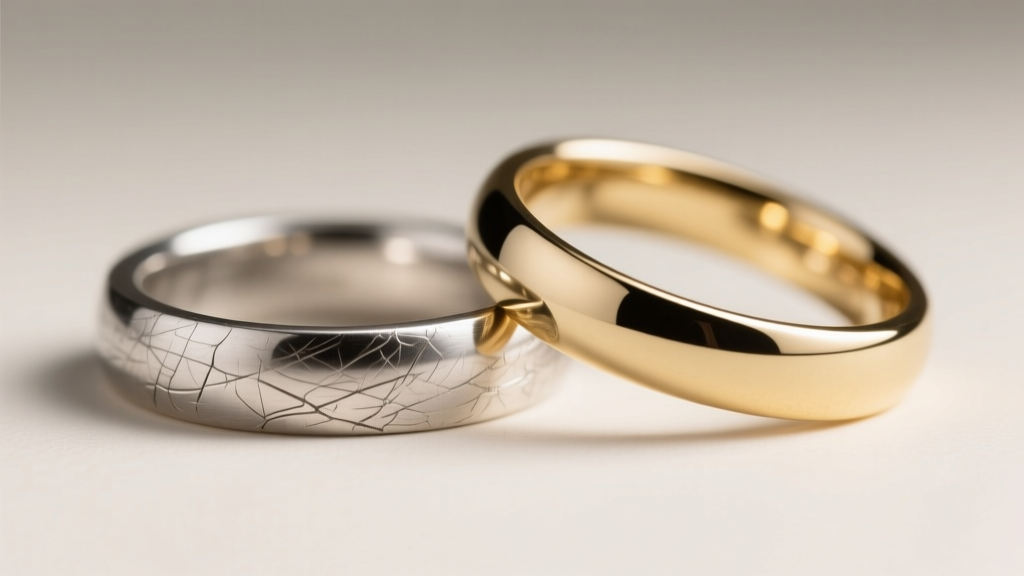
The biggest mistake beginners make is assuming "precious" means "indestructible." Both silver and gold are relatively soft metals on the Mohs scale, but their specific alloy compositions dictate how they survive a decade of daily wear. Jewelers measure a metal's resistance to scratching and denting using the Vickers Hardness (HV) test.
| Property | 925 Sterling Silver | 14k Yellow Gold | 18k Yellow Gold |
|---|---|---|---|
| Purity | 92.5% Ag | 58.3% Au | 75.0% Au |
| Vickers Hardness (HV) | 75 - 115 | 135 - 170 | 120 - 150 |
| Tarnish Resistance | Low (Requires Polishing) | High | Very High |
| Avg. Price Premium | Low (High Markup %) | High (Moderate Markup %) | Very High (Low Markup %) |
As the data shows, 14k gold is significantly harder than sterling silver, making it the superior choice for high-impact items like engagement rings or everyday wedding bands. Sterling silver, being softer, will develop a "patina" of micro-scratches over time. While some collectors love this vintage look, those who prefer a mirror finish will need to polish silver regularly. Furthermore, silver reacts with hydrogen sulfide in the air and on the skin, creating a black layer of silver sulfide (tarnish) that gold simply does not produce.
The Economics of Precious Metals: Pricing and Value Retention
When deciding between silver or gold jewelry, your budget will inevitably guide your options. Historically, gold trades at roughly 70 to 80 times the spot price of silver per troy ounce. However, the retail price of jewelry includes manufacturing costs, brand premiums, and gemstone settings.
"Because silver is so inexpensive by weight, the labor and design costs make up a massive percentage of a silver ring's final retail price. Gold jewelry, conversely, derives the majority of its cost from the raw material itself, making it a much better vehicle for long-term wealth retention."
If you are buying jewelry as an investment or heirloom piece, gold (particularly 18k and 22k) holds intrinsic melt value that tracks with global markets. Sterling silver jewelry rarely retains its retail markup upon resale; you are paying for the artistry and brand name rather than the raw commodity.
Skin Sensitivities and Allergies: Nickel, Copper, and You
Contact dermatitis from jewelry is incredibly common, and the culprit is almost never the pure silver or gold itself—it is the alloy metals. The Federal Trade Commission (FTC) Jewelry Guides strictly regulate how metals are labeled, but they do not ban all allergenic alloys.
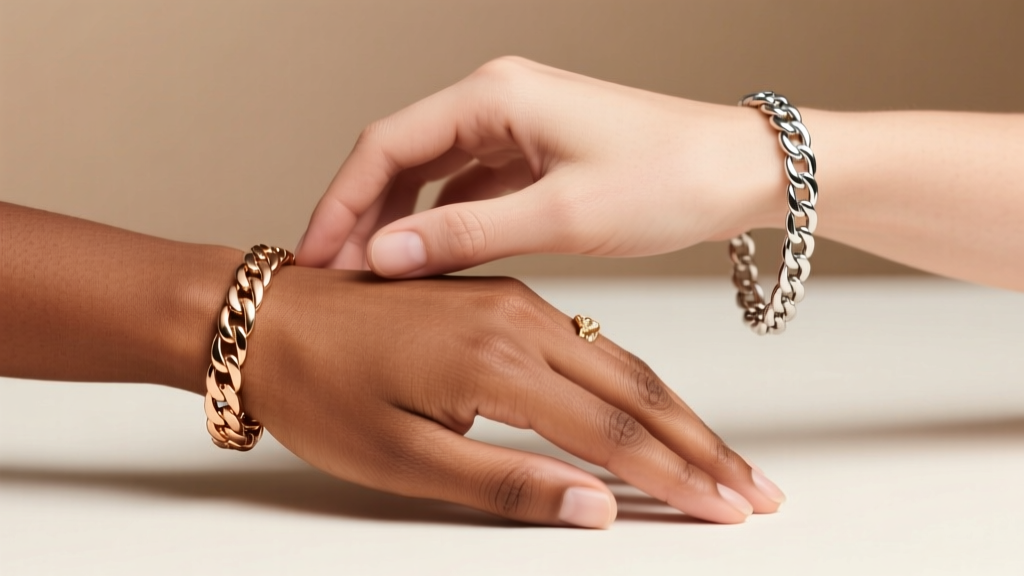
- Sterling Silver Allergies: The 7.5% copper in sterling silver can cause green discoloration on the skin (a harmless chemical reaction between copper and sweat acids). True allergic reactions to silver are exceptionally rare.
- White Gold Allergies: Traditional white gold is alloyed with nickel to achieve a silvery color. Nickel is a severe allergen for roughly 15% of the population. If you have sensitive skin, you must seek out "nickel-free" white gold, which is alloyed with palladium instead.
- Rose Gold Allergies: The pink hue of rose gold comes from a high copper content. If you react to copper in sterling silver, you will likely react to 14k or 18k rose gold as well.
The Decision Framework: How to Choose Based on Your Wardrobe
Beyond the science and economics, choosing between silver or gold jewelry often comes down to personal aesthetics, skin undertones, and wardrobe integration. Here is a practical framework to help you decide:
Choose Sterling Silver If:
- You prefer a bright, stark white metallic luster that contrasts sharply with dark clothing.
- You enjoy a more casual, bohemian, or edgy aesthetic (silver is heavily favored in punk, goth, and streetwear styles).
- You are on a strict budget but still want authentic precious metals rather than plated brass or steel.
- You don't mind spending five minutes a month polishing your pieces with a treated jeweler's cloth.
Choose Gold (14k or 18k) If:
- You want a "put it on and never take it off" piece, like a wedding band or permanent necklace.
- You prefer warm, rich tones that complement olive, deep, or warm undertoned skin.
- You are purchasing fine jewelry with high-value diamonds or precious gemstones (diamonds are almost exclusively set in gold or platinum, rarely silver).
- You want a piece that can be passed down as an heirloom with minimal structural degradation.
Care and Maintenance Protocols for Longevity
Regardless of whether you choose silver or gold jewelry, proper maintenance is non-negotiable for longevity. According to The Silver Institute, improper cleaning is the leading cause of premature wear in precious metals.
For Sterling Silver: Avoid wearing silver in chlorinated pools or hot tubs; chlorine rapidly degrades the copper alloys, causing structural brittleness. Store silver in anti-tarnish flannel bags infused with silver nitrate to absorb ambient sulfur. For cleaning, use a micro-abrasive polishing cloth (like a Sunshine Cloth) rather than liquid dips, which can strip the oxidized details from vintage designs.
For Gold: While gold won't tarnish, it attracts oils, lotions, and soaps, which dull its brilliance. Clean gold jewelry weekly by soaking it in a bowl of warm water with a few drops of mild dish soap. Use a soft-bristled baby toothbrush to gently agitate the dirt from behind gemstone settings. Never use toothpaste or baking soda, as these are harder than gold on the Mohs scale and will permanently scratch the polish.
Ultimately, the choice between silver and gold is not about one being objectively "better" than the other. It is about aligning the metal's physical properties and maintenance needs with your daily habits, budget, and aesthetic vision. By understanding the karats, alloys, and care requirements outlined above, you can build a jewelry collection that lasts a lifetime.


