Gold Plated Jewelry Care: Troubleshooting Tarnish & Flaking
Master gold plated jewelry care with our expert troubleshooting guide. Learn how to fix tarnish, prevent flaking, and extend your pieces' lifespan.

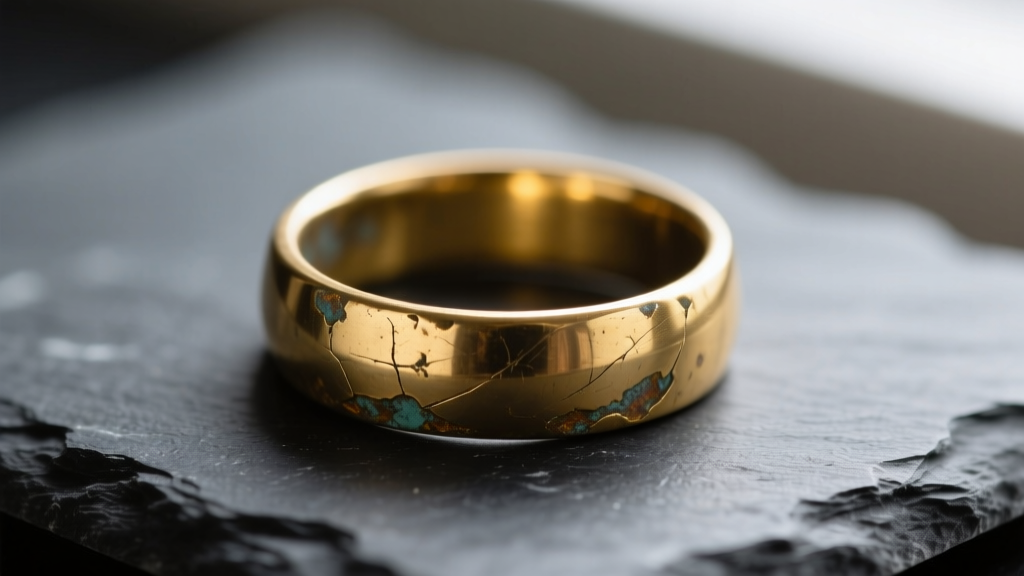
There is nothing more frustrating than watching a beloved piece of jewelry lose its luster. While solid gold is practically immortal, gold plated pieces require a strategic, science-backed approach to maintenance. Proper gold plated jewelry care is not just about wiping down your accessories; it is about understanding the electrochemistry of the base metals, the micron thickness of the plating, and the environmental aggressors that cause premature failure. In this comprehensive troubleshooting guide, we diagnose the most common plating disasters and provide actionable, expert-level solutions to rescue and preserve your jewelry.
The Anatomy of Gold Plating: Why It Fails
Before troubleshooting, you must understand what you are working with. According to the Federal Trade Commission (FTC), gold plating thickness is measured in microns (one-millionth of a meter). The longevity of your piece is directly tied to this measurement:
- Flash Plating (0.1 to 0.5 microns): Often found in ultra-fast fashion. This layer is microscopic and will wear through to the base metal within weeks of daily friction.
- Standard Plating (1.0 to 2.5 microns): The industry standard for mid-tier jewelry. With proper gold plated jewelry care, this can last 1 to 3 years.
- Heavy Gold Electroplate (HGE) (2.5+ microns): Highly durable and often stamped. This thickness can withstand daily wear for up to 5 years before requiring professional attention.
The Gemological Institute of America (GIA) notes that the adhesion of this gold layer to the base metal is just as critical as its thickness. When the bond fails, you get flaking. When the base metal reacts with your skin, you get tarnish and discoloration.
Troubleshooting Common Gold Plating Problems
Problem 1: The 'Green Skin' Effect
If your gold plated ring is leaving a dark green or black ring on your finger, the gold itself is not to blame. Pure gold is highly unreactive. The culprit is the base metal—usually copper or brass—reacting with the acids, salts, and oxygen in your sweat. This chemical reaction creates copper chloride or copper sulfide, which transfers to your skin.
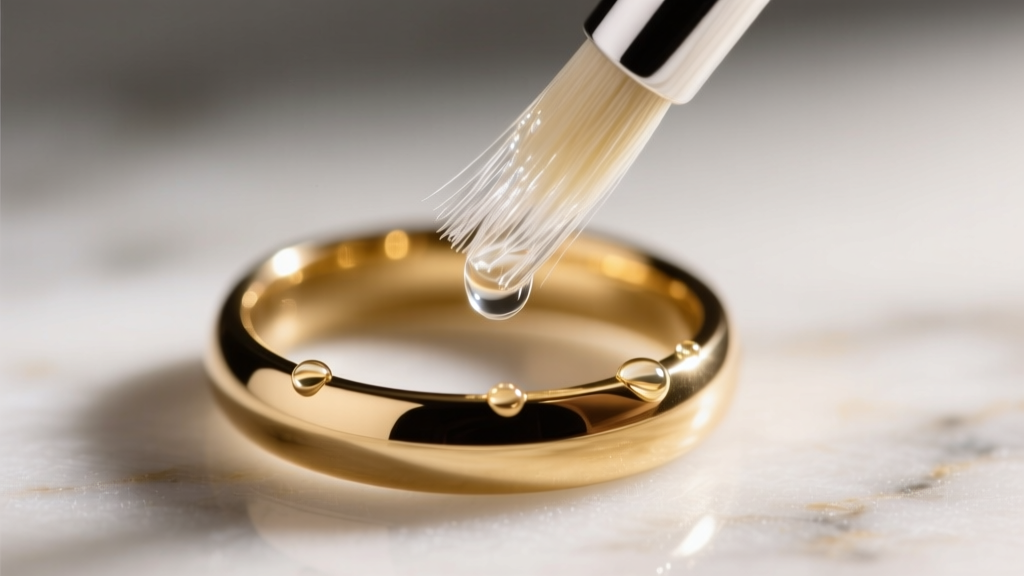
The Fix: First, clean the inner band of the ring with a cotton swab dipped in rubbing alcohol to remove built-up oxidized residue. To create a long-term barrier, apply a thin coat of clear, non-yellowing jewelry sealant or even a high-quality clear nail polish to the inside of the band. Reapply this barrier every 4 to 6 weeks. Additionally, avoid wearing the piece during high-sweat activities like gym sessions or hot yoga.
Problem 2: Premature Flaking and Peeling
Flaking occurs when the microscopic bond between the gold layer and the base metal fractures. This is incredibly common in stainless steel base metals that did not receive a proper palladium or nickel 'strike' layer before the gold was applied. It is also triggered by physical trauma, such as knocking your hand against a steering wheel or keyboard.
The Fix: Unfortunately, once plating begins to physically flake or peel, you cannot 'glue' it back down. The only solution is to have the piece professionally polished to remove the remaining loose gold, followed by a complete re-plating. To prevent this from happening to your other pieces, remove all plated jewelry before engaging in manual labor, weightlifting, or typing heavily on metal-rimmed keyboards.
Problem 3: Dullness, Tarnish, and Dark Spots
If your jewelry is turning dark, brown, or dull without exposing the base metal, the gold layer is intact but contaminated. Environmental sulfur (from hot springs, polluted air, or even certain foods like onions) and chlorine (from swimming pools or tap water) bond to the trace alloys in the karat gold used for plating, creating a dark sulfide or chloride film on the surface.
The Fix: Do not use abrasive silver polishes or baking soda pastes, as these will strip the soft gold layer entirely. Instead, use a chemical reduction bath specifically formulated for gold, or stick to the gentle washing protocol outlined below.
The 2026 Gold Plated Jewelry Care Protocol
Implementing a strict, low-friction cleaning routine is the cornerstone of preserving micron-thin gold layers. Follow this exact protocol to safely remove oils, lotions, and environmental grime without compromising the plating.
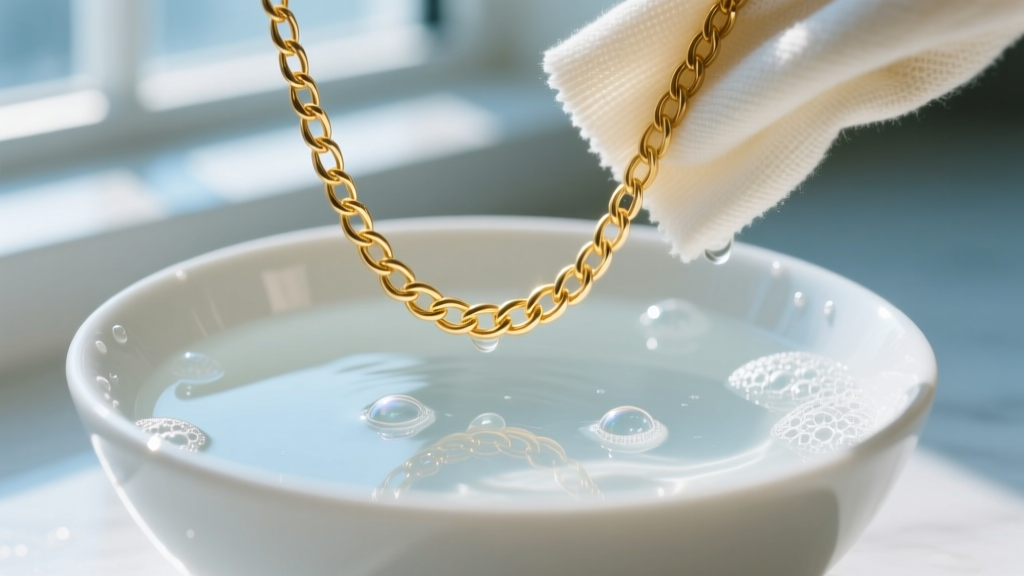
- The Soak: Fill a small ceramic bowl with lukewarm water (never hot, as heat expands base metals and can crack the plating). Add two drops of pH-neutral dish soap, such as original Dawn.
- The Agitation: Submerge the jewelry for exactly 3 to 5 minutes. Do not let it soak for hours, as prolonged water exposure can seep into microscopic pores and cause the base metal to oxidize from the inside out.
- The Wipe: Remove the piece and gently wipe it with a clean, lint-free microfiber cloth. Never use paper towels or tissue paper; wood pulp fibers contain microscopic jagged edges that act like sandpaper on 1-micron gold plating.
- The Dry: Use a hairdryer on the 'cool' setting to blow out any trapped water from chain links, prong settings, or hollow beads. Trapped moisture is the leading cause of hidden corrosion.
Chemical Compatibility Chart: What to Avoid
Many well-intentioned jewelry owners destroy their plating by using harsh household cleaners. Use this compatibility chart to understand how common substances interact with gold plated jewelry.
| Substance | Effect on Gold Plating | Risk Level |
|---|---|---|
| Chlorine (Pools/Bleach) | Corrodes base metal alloys, causes immediate microscopic blistering and permanent dullness. | Severe |
| Sulfur (Hot Springs) | Tarnishes silver base metals (vermeil) rapidly, creating a dark film that is hard to remove safely. | High |
| Baking Soda / Toothpaste | Acts as a harsh micro-abrasive, physically sanding away the soft gold layer down to the base metal. | Severe |
| Perfume / Hairspray | Alcohol and aerosol propellants degrade protective clear coats and leave a sticky, dulling residue. | Moderate |
| Ultrasonic Cleaners | High-frequency sound waves create cavitation bubbles that literally blast fragile gold plating off the base. | Severe |
Can You Restore Severely Worn Gold Plated Jewelry?
When gold plated jewelry care is no longer enough and the base metal is fully exposed, you must decide whether to retire or restore the piece. Re-plating is a highly specialized electrochemical process that involves stripping the old finish, polishing the base metal, and submerging it in a fresh gold salt solution.
Cost Analysis: Professional re-plating typically costs between $45 and $85 for small items like rings and pendants, and up to $150 for large cuff bracelets or chain necklaces. If your piece was originally purchased for under $30, re-plating is rarely cost-effective unless the item holds significant sentimental value.
DIY Kits vs. Professionals: While liquid gold re-plating solutions are available online for consumer use, they contain highly toxic cyanide-based compounds and require precise voltage control. DIY results often yield a patchy, overly yellow, and poorly adhered finish that flakes within days. For any piece you truly value, always send it to a certified electroplating jeweler.
Expert Verdict: Storage as Preventative Care
The final pillar of troubleshooting is preventative storage. Never toss gold plated jewelry into a communal drawer where pieces can scratch one another. Store each item individually in an anti-tarnish flannel pouch or a ziplock bag with a silica gel desiccant packet to control ambient humidity. By understanding the chemical vulnerabilities of your jewelry and adhering to this rigorous gold plated jewelry care protocol, you can easily double or triple the functional lifespan of your favorite accessories.


