Green Gold Jewelry Explained: The Beginner's Guide to Electrum
Discover the fascinating world of green gold jewelry. Learn about electrum alloys, karat compositions, durability, and how to style this rare metal.

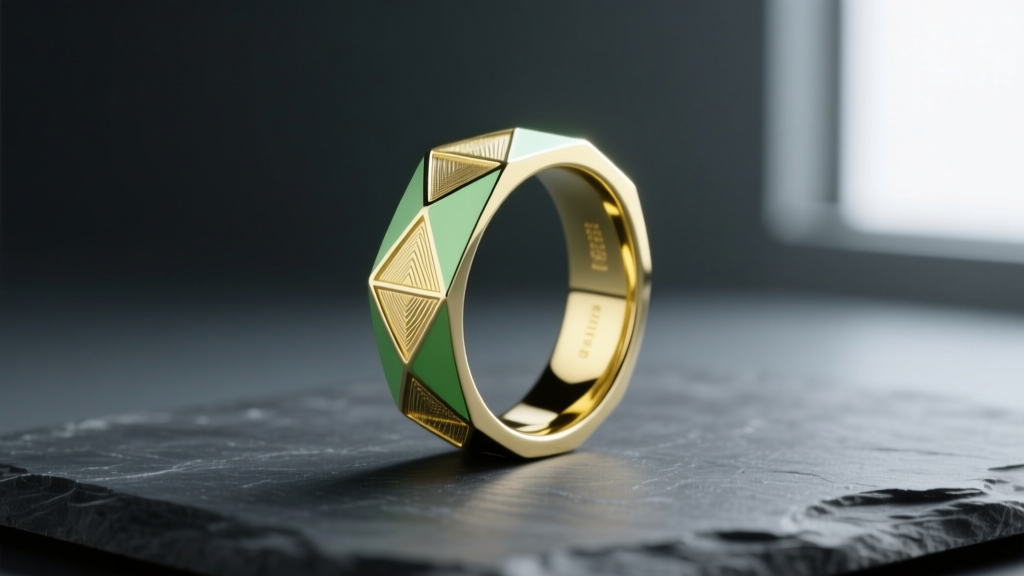
The Magic Behind Green Gold Jewelry: What Is It?
When most people think of precious metals, they immediately picture the classic trio: yellow, white, and rose gold. However, the metallurgical world of precious alloys hides a stunning, lesser-known secret: green gold jewelry. Unlike the vivid, emerald green of a peridot gemstone, green gold possesses a subtle, sophisticated chartreuse or pale yellow-green hue that catches the light in a truly unique way. For beginners stepping into the world of fine jewelry, understanding this rare alloy opens up a completely new avenue for bespoke, eye-catching designs.
At its core, green gold is not a naturally occurring pure metal but rather a carefully engineered alloy. Pure 24-karat gold is naturally yellow and far too soft for everyday wear. To create the structural integrity needed for rings, bracelets, and necklaces, gold must be mixed with other metals. While copper creates rose gold and palladium or nickel creates white gold, the secret ingredient for green gold is primarily silver. The resulting metal is a stunning bridge between the warmth of traditional yellow gold and the cool, muted tones of vintage silver.
The Historical Roots: Electrum and Ancient Lydia
To truly appreciate modern green gold jewelry, we have to look back over 2,600 years. Long before modern metallurgists began intentionally mixing alloys in precise laboratory settings, nature created its own version of green gold, known as electrum. Electrum is a naturally occurring alloy of gold and silver, often found in riverbeds and alluvial deposits, with trace amounts of copper and other metals.
The ancient Kingdom of Lydia, located in modern-day Turkey, famously used natural electrum to mint the world's first standardized coins around 600 BC. Because the natural ratio of gold to silver varied wildly from nugget to nugget, the color of these early coins ranged from pale greenish-yellow to bright gold. Today, when jewelers refer to 'electrum' in a modern context, they are usually talking about a synthetic recreation of this ancient alloy, deliberately balancing the gold-to-silver ratio to achieve that historic, ethereal green glow.
The Metallurgy: How Green Gold Gets Its Color
Creating the perfect shade of green gold requires a masterful understanding of metallurgy. The green tint is achieved by maximizing the silver content while minimizing or entirely eliminating copper. Copper adds red and orange warmth to an alloy; therefore, keeping copper levels low allows the natural cooling effect of the silver to shift the gold's color spectrum toward green.
According to the World Gold Council, the exact shade of the final piece depends heavily on the karat weight and the specific trace elements added to the crucible. Below is a standard breakdown of how different karats of green gold are typically formulated in modern jewelry casting.
| Karat Weight | Gold (Au) | Silver (Ag) | Copper (Cu) | Zinc (Zn) | Resulting Color |
|---|---|---|---|---|---|
| 18k Green Gold | 75.0% | 25.0% | 0.0% | 0.0% | Pale, soft chartreuse green |
| 18k Deep Green | 75.0% | 18.0% | 0.0% | 7.0% | Richer, slightly warmer green |
| 14k Green Gold | 58.3% | 41.7% | 0.0% | 0.0% | Cooler, more pronounced green |
As you can see, 14k green gold actually appears 'greener' than 18k green gold. This is because the lower pure gold content (58.3%) allows the high silver content (41.7%) to dominate the visual spectrum, resulting in a cooler, more distinctly green metal.
The Cadmium Controversy: A Crucial Safety Warning
When researching green gold, you may stumble upon older metallurgical textbooks or vintage jewelry forums that mention cadmium as a primary alloying agent. Historically, adding 2% to 4% cadmium to a gold-silver mixture produced an incredibly vibrant, deep green color that jewelers loved. However, as a modern consumer, you must be aware of the severe health risks associated with this metal.
Cadmium is highly toxic and carcinogenic. While wearing a finished, polished piece of cadmium-alloyed gold poses minimal risk to the wearer, the melting and casting process releases toxic fumes that are incredibly dangerous to the jeweler. Furthermore, when jewelry is resized or repaired using a jeweler's torch, those toxic fumes are released again. Today, cadmium is strictly banned in jewelry manufacturing under the EU's REACH regulations and is heavily discouraged by safety organizations worldwide. Always ensure your jeweler uses modern, cadmium-free alloys—relying instead on silver, zinc, and sometimes trace amounts of indium to achieve the green hue safely.
Durability and Wearability: Is Green Gold for Everyday Wear?
One of the most common questions beginners have is whether green gold jewelry is durable enough for an engagement ring or an everyday wedding band. To answer this, we must look at the Vickers hardness scale (HV), which measures a metal's resistance to scratching and indentation.
Because green gold relies heavily on silver rather than copper or palladium, it is inherently softer than its yellow or white gold counterparts. Pure silver is a very malleable metal. An 18k yellow gold ring (alloyed with copper and silver) typically boasts a Vickers hardness of around 125 HV. In contrast, an 18k green gold ring (alloyed almost entirely with silver) may only reach 90 to 100 HV.
What This Means for Your Jewelry
- Scratching: Green gold will develop a patina of micro-scratches faster than 14k yellow gold or platinum. Over time, this can give the metal a beautiful, vintage matte finish, but it will lose its high-polish mirror shine more quickly.
- Prong Security: If you are setting a diamond or a precious gemstone, the prongs must be slightly thicker or reinforced to prevent them from wearing down and releasing the stone over decades of wear.
- Bending: Thin bands (under 1.8mm) in 18k green gold are prone to warping if subjected to heavy manual labor or gym workouts.
Expert Tip: If you want a green gold engagement ring for daily wear, opt for a 14k alloy rather than 18k. The higher percentage of base metals in 14k gold increases the overall tensile strength and scratch resistance of the piece, making it far more suitable for a lifetime of daily wear.
Pricing and Sourcing: Where to Buy Authentic Pieces
You will rarely find green gold jewelry sitting in the display cases of a traditional mall jeweler. Because it is a niche, highly specialized alloy, it is not kept in standard casting grain inventories by most commercial jewelry manufacturers. According to the Gemological Institute of America (GIA), specialized alloys often require custom sourcing and small-batch melting.
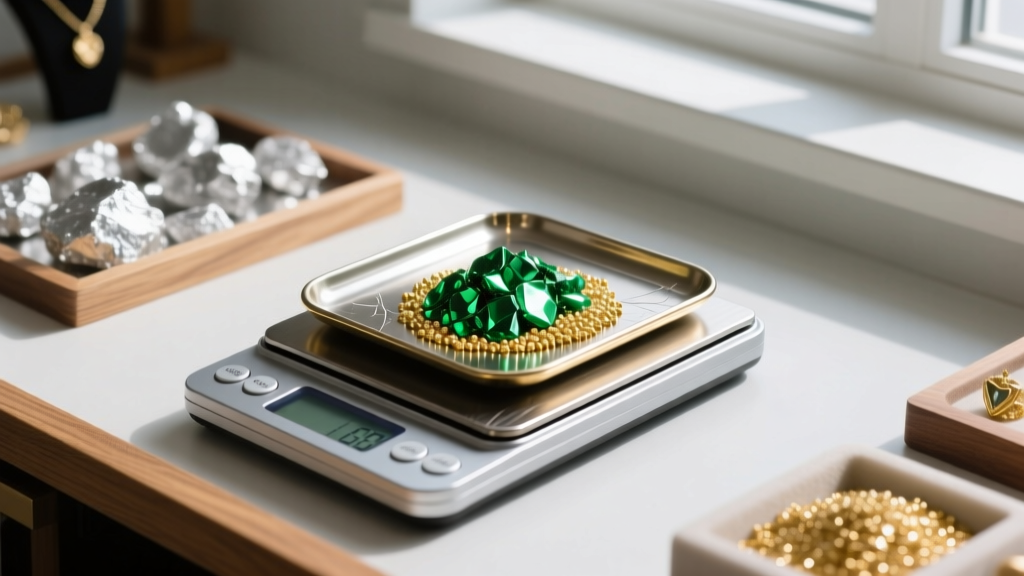
To acquire a genuine piece, you will likely need to work with a custom bespoke jeweler or a specialized artisan who casts their own metals in-house. Expect to pay a 15% to 30% premium over the standard melt value of yellow gold. This premium covers the extra labor required to weigh, mix, and melt the specific silver-gold grain ratios, as well as the cost of dedicating a separate casting flask to prevent cross-contamination with standard yellow or rose golds.
Care and Maintenance: Keeping the Green Glow
Because of its high silver content, green gold jewelry requires a slightly different care regimen than standard yellow gold. Silver is prone to oxidation and tarnishing when exposed to sulfur compounds in the air, household chemicals, and even the natural pH of your skin. While the gold content prevents severe blackening, your green gold piece may gradually develop a dull, grayish film over time.
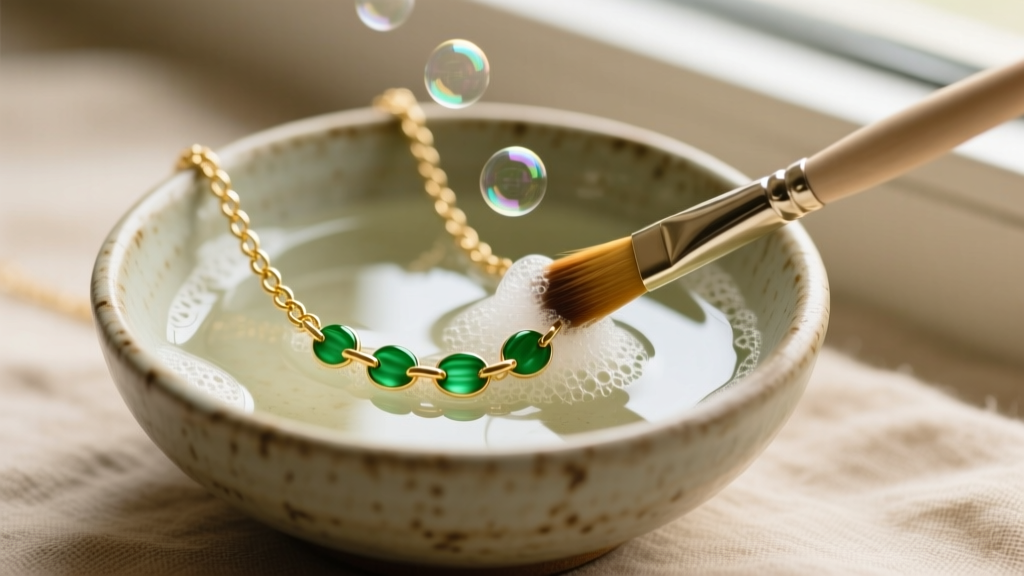
Step-by-Step Cleaning Guide
- The Soak: Mix a few drops of mild, phosphate-free dish soap into a bowl of lukewarm water. Avoid hot water, which can shock certain gemstones.
- The Agitation: Submerge your green gold jewelry and let it soak for 10 to 15 minutes to loosen oils and lotions.
- The Brush: Use an ultra-soft baby toothbrush to gently sweep away debris from under the gallery and around the prongs. Never use hard bristles, as the softer silver-alloy will scratch easily.
- The Dry: Pat the piece completely dry with a lint-free microfiber cloth. Air drying can leave hard water spots that dull the chartreuse finish.
Finally, avoid using harsh commercial silver dips or ultrasonic cleaners on green gold. Silver dips contain strong acids that can strip the surface layer of the alloy, altering the delicate gold-to-silver ratio on the surface and permanently changing the color of your jewelry. Stick to gentle soap, warm water, and a professional polishing cloth to keep your rare electrum alloy shining beautifully for generations.


