Homemade Jewelry Cleaner for Gold & Diamonds: 2026 Safe
Safe, proven homemade jewelry cleaner for gold and diamonds—2026 tested formulas, exact ratios & soaking times. Protect shine without damage. Try risk-free.

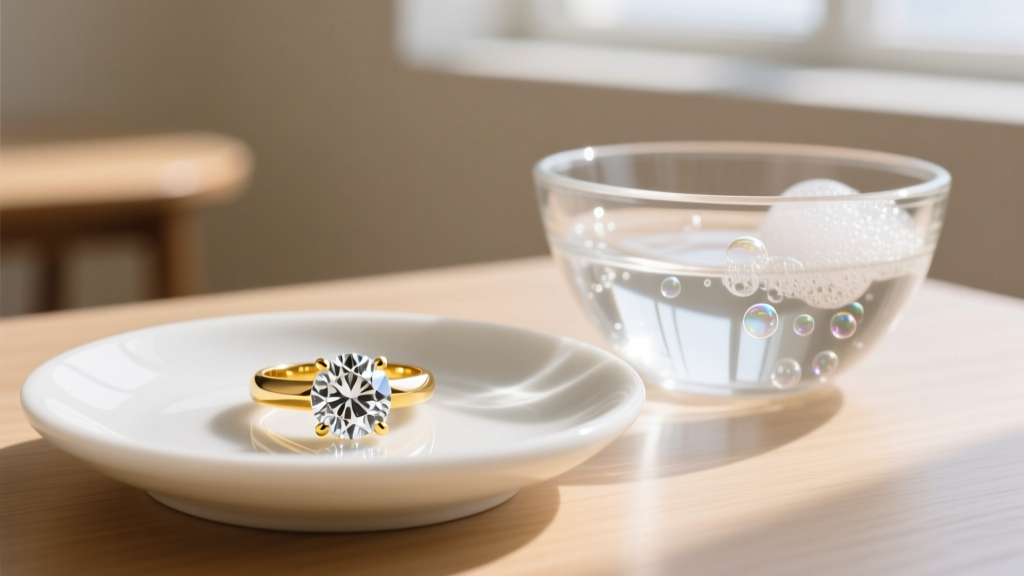
When it comes to maintaining the brilliance of your most cherished pieces, finding a safe, effective, and affordable cleaning solution is paramount. Commercial ultrasonic cleaners and harsh chemical dips can sometimes cause micro-abrasions or damage delicate prong settings. Fortunately, the most effective homemade jewelry cleaner for diamonds and gold relies on simple chemistry, precise temperature control, and the right mechanical action. In this comprehensive guide, we break down the exact formulations, soaking protocols, and material science required to restore your jewelry to its original showroom condition without risking structural integrity.
The Science of Accumulation: Why Diamonds and Gold Get Dull
Before mixing any cleaning solution, it is crucial to understand why your jewelry loses its luster. Diamonds are inherently lipophilic, meaning they have a strong chemical affinity for oils. Every time you touch your face, apply lotion, or cook, microscopic layers of sebum and grease adhere to the diamond's pavilion (the bottom facets). This oily film acts as a barrier, preventing light from entering and reflecting back through the crown, resulting in a cloudy, lifeless appearance.
Gold alloys, on the other hand, face a different challenge. While pure 24k gold is highly resistant to tarnish, the alloying metals used to create 10k, 14k, and 18k gold—such as copper, zinc, and silver—are reactive. Exposure to sulfur compounds in the air, chlorine in tap water, and the acidic pH of human sweat can cause these base metals to oxidize, creating a dull, darkened film on the surface of the jewelry. An effective homemade jewelry cleaner for diamonds and gold must therefore possess both degreasing surfactants to lift oils from the diamond and mild chelating properties to gently dissolve metallic oxidation without stripping the gold's polished finish.
The Master Recipe: Formulating the Ideal Cleaning Solution
The foundation of any professional-grade at-home cleaning protocol is the surfactant-to-solvent ratio. Many DIY guides suggest a vague 'splash of soap in warm water,' but precision yields vastly superior results. According to the Gemological Institute of America (GIA), a mild, phosphate-free liquid dish detergent is the safest surfactant for precious metals and gems.
Exact Measurements and Ingredients
- Solvent: 1 cup (240ml) of distilled water. (Avoid tap water; the calcium and magnesium in hard water will leave microscopic carbonate deposits on the gold and diamond facets as it evaporates).
- Temperature: Heat the distilled water to exactly 105°F (40°C). Water that is too hot can cause thermal shock, potentially fracturing diamonds with pre-existing internal inclusions or feathers.
- Surfactant: 1 tablespoon (15ml) of mild, clear dish soap (e.g., Dawn Ultra or Palmolive Pure). Avoid soaps with added moisturizers, dyes, or heavy fragrances, as these leave a secondary residue.
- Catalyst (Optional for extreme grease): 2 drops of clear household ammonia. Ammonia is highly effective at breaking down stubborn sebum and is completely safe for diamonds and solid gold, but must never be used if your piece contains porous secondary stones like pearls, opals, or emeralds.
Combine the heated distilled water and dish soap in a glass or ceramic bowl. Whisk gently until the solution is uniformly cloudy. Avoid vigorous shaking, which creates excess suds that can trap dislodged dirt particles against the metal.
The Step-by-Step Soaking and Agitation Protocol
Creating the perfect homemade jewelry cleaner for diamonds and gold is only half the battle; the mechanical application dictates the final result. Follow this exact protocol to ensure complete removal of debris from the most inaccessible areas of the setting.
- The Initial Soak (15-20 Minutes): Submerge the jewelry completely in the solution. This dwell time allows the surfactant molecules to penetrate the microscopic gaps between the diamond's girdle and the gold prongs, emulsifying the hardened oils.
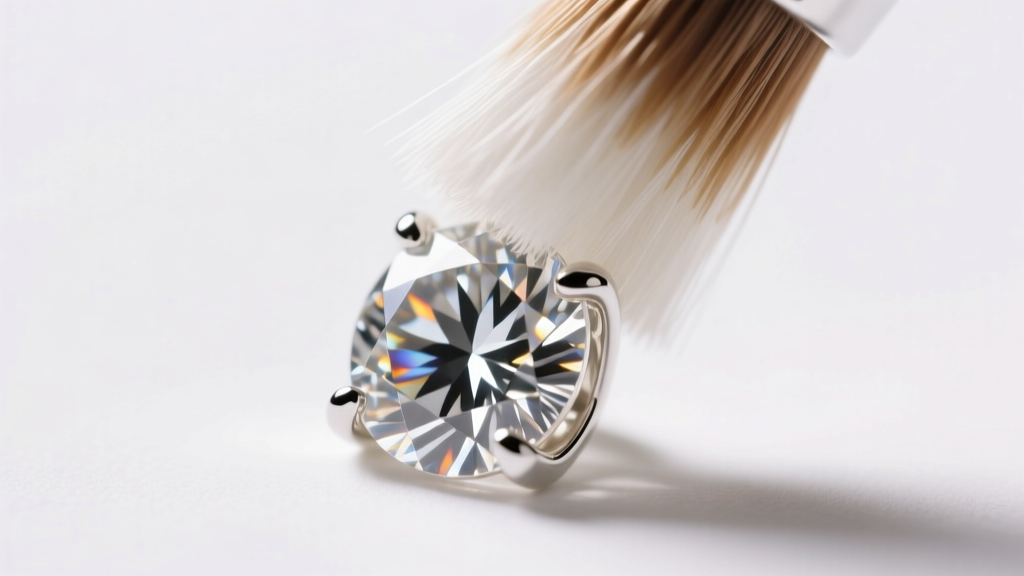
- Targeted Agitation: Remove the piece and use an ultra-soft baby toothbrush or a dedicated jewelry brush with 0.1mm nylon bristles. Brush the back of the diamond (the pavilion) using small, circular motions. The underside of the diamond accumulates 80% of the grease that causes cloudiness.
- Prong Detailing: Gently sweep the bristles along the base of the prongs and the gallery wire. Do not apply heavy downward pressure, as gold alloys (especially 18k and higher) can scratch or bend under excessive mechanical force.
- The Rinse: Rinse the piece under a gentle stream of lukewarm distilled water. Never use high water pressure, which can bend delicate prongs or dislodge smaller accent stones.
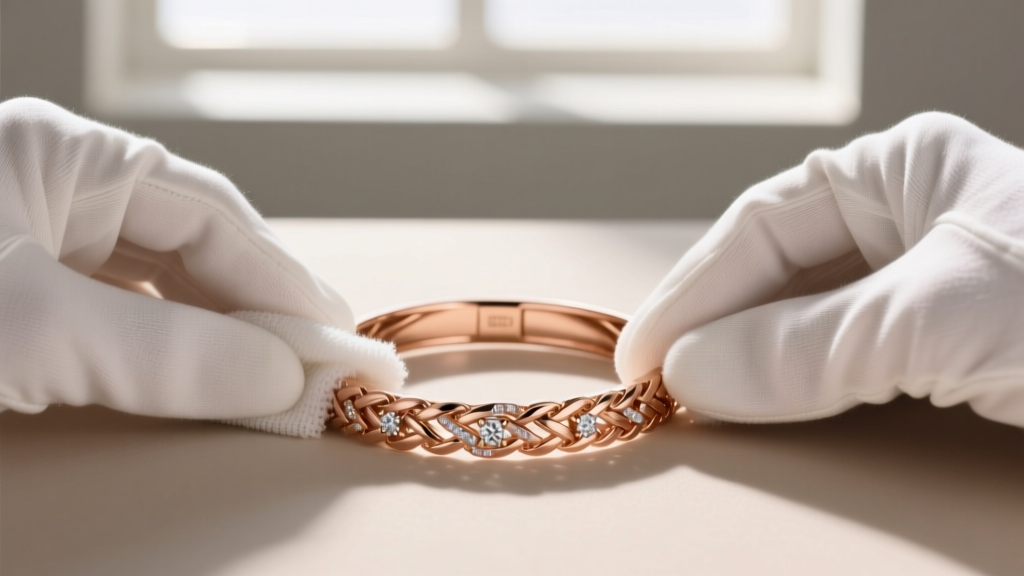
- Drying: Pat dry with a lint-free microfiber cloth. Never use paper towels or tissues; they are made from wood pulp and will leave microscopic scratches on the polished gold surface over time.
Ingredients to Ban From Your Cleaning Kit
The internet is rife with well-meaning but highly destructive DIY jewelry cleaning hacks. To protect the structural integrity and surface polish of your gold and diamonds, avoid the following common household items:
| Ingredient | Chemical/Physical Property | Damage Caused to Gold & Diamonds |
|---|---|---|
| Baking Soda | Abrasive powder (Mohs 2.5) | Creates micro-scratches on gold alloys, dulling the mirror polish over time. |
| Toothpaste | Contains silica abrasives | Acts like sandpaper on 14k/18k gold; can lodge in crevices and cause long-term tarnish. |
| Chlorine Bleach | Strong oxidizing agent | Causes stress corrosion cracking in gold alloys, leading to brittle and snapping prongs. |
| White Vinegar | Acetic acid (pH ~2.5) | Can etch certain gold alloy mixes and degrade the rhodium plating on white gold settings. |
Advanced Troubleshooting: Dull Diamonds and Tarnished Gold
Even with the perfect homemade jewelry cleaner for diamonds and gold, you may occasionally encounter pieces that remain stubbornly dull. Here is how to diagnose and resolve specific issues:
The Diamond Still Looks Cloudy
If the diamond appears milky or cloudy after a thorough cleaning, the issue is likely not surface grease. It may be 'internal grime'—a buildup of soap scum or hard water minerals trapped in the microscopic laser-drilled channels used in clarity-enhanced diamonds. Alternatively, if the diamond is set in a closed-back bezel, moisture and dirt may be trapped behind the stone. In these cases, a professional ultrasonic cleaning by a certified jeweler is required, as home soaking cannot penetrate sealed settings.
The Gold Appears Spotted or Discolored
White gold rings may begin to show a yellowish tint. This is not dirt; it is the natural color of the gold alloy showing through as the rhodium plating wears thin. No homemade cleaner can restore rhodium plating; the piece must be professionally re-plated. For rose gold that has developed dark, stubborn spots, the copper in the alloy has deeply oxidized. You can create a secondary paste using a tiny amount of mild dish soap and a drop of distilled water, applied with a cotton swab strictly to the discolored area, rubbing in the direction of the metal's grain.
Maintenance Schedules Based on Gold Karat and Wear
The frequency of your cleaning regimen should be dictated by the specific karat of your gold and your daily lifestyle. The American Gem Society (AGS) recommends adapting your care routine to the metal's specific alloy composition.
- 10k Gold (41.7% Pure Gold): Contains the highest percentage of base metals like copper and zinc. Highly durable but prone to tarnish. Clean with the homemade solution once a week if worn daily to prevent oxidation buildup.
- 14k Gold (58.3% Pure Gold): The industry standard for engagement rings. Offers a balance of durability and color. Clean every two weeks for daily wearers to maintain optimal diamond brilliance and metal luster.
- 18k Gold (75% Pure Gold): Softer and more scratch-prone, but highly resistant to tarnish due to the higher pure gold content. Clean once a month, focusing primarily on the diamond's pavilion rather than aggressive scrubbing of the gold.
- 24k Gold (99.9% Pure Gold): Extremely soft and rarely used for diamond settings due to its inability to securely hold prongs. If you possess 24k gold pieces with diamond accents, clean only as needed using a simple distilled water and microfiber wipe-down to avoid bending the metal.
Expert Insight: Always remove your gold and diamond jewelry before entering a chlorinated pool or using household cleaning chemicals. Chlorine reacts catastrophically with the zinc and copper in 14k and 18k gold, causing a phenomenon known as 'stress corrosion,' which can cause prongs to snap off entirely without warning, according to the Federal Trade Commission (FTC) jewelry guidelines.
Final Thoughts on At-Home Jewelry Care
Maintaining the fiery brilliance of your diamonds and the rich warmth of your gold jewelry does not require expensive commercial chemicals or risky ultrasonic machines. By understanding the lipophilic nature of diamonds and the reactive properties of gold alloys, you can leverage a precisely formulated homemade jewelry cleaner for diamonds and gold to achieve professional-grade results. Stick to distilled water, mild phosphate-free surfactants, and ultra-soft mechanical agitation, and your most treasured pieces will continue to captivate for generations to come.


