Homemade Jewelry Cleaner for Gold and Diamonds: A Gifting Guide
Discover the perfect homemade jewelry cleaner for gold and diamonds. Match milestone gifts with expert care kits for lasting brilliance.

The Intersection of Milestone Gifting and Long-Term Care
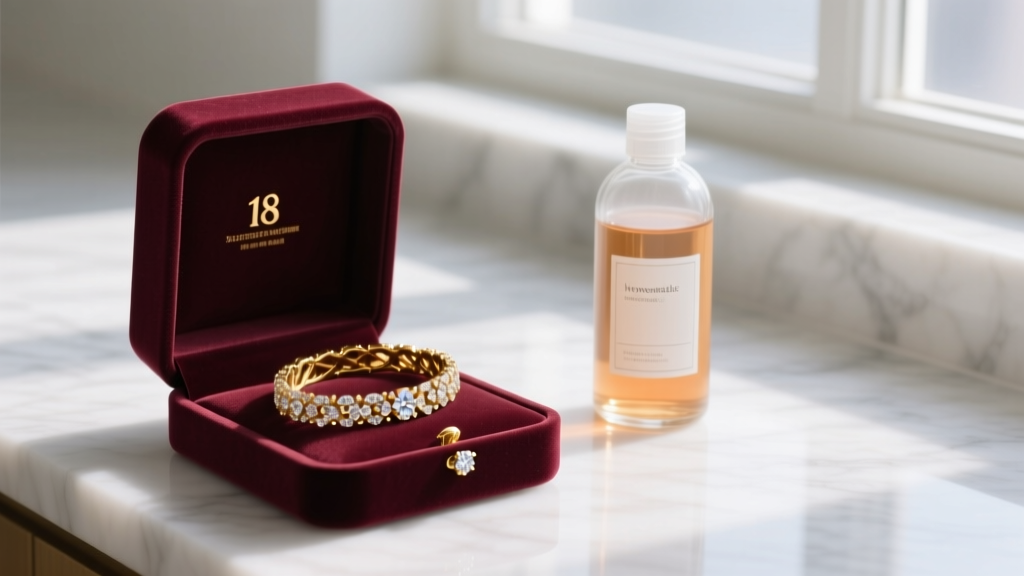
Gifting gold and diamond jewelry represents a profound emotional investment, often marking life’s most significant milestones—from 10th anniversaries and graduations to push presents and engagements. However, the lifecycle of a fine jewelry gift extends far beyond the initial unboxing. As a seasoned jewelry stylist, I often see recipients struggle to maintain the brilliant fire of their diamonds and the rich luster of their gold settings because they lack proper care instructions. Commercial cleaners can be harsh, and ultrasonic machines can loosen vintage prongs.
This is where the concept of the "Jewelry Spa" gift kit comes into play. By pairing your gold and diamond gift with a carefully formulated homemade jewelry cleaner for gold and diamonds, you are not just giving a beautiful object; you are providing a comprehensive maintenance system that ensures the heirloom retains its value and brilliance for generations. In this guide, we will explore how to match specific gold and diamond pieces to milestone occasions and provide the exact chemistry and methodology for creating a safe, highly effective DIY cleaning solution.
Matching Gold and Diamond Gifts to Milestone Occasions
Selecting the right karat and diamond cut depends heavily on the recipient's lifestyle and the nature of the occasion. Higher karat gold (18k, 24k) is softer and requires gentler cleaning, while lower karat gold (10k, 14k) is more durable for everyday wear but can tarnish due to its copper and zinc alloy content. Below is a strategic matrix for occasion-based gifting and the corresponding maintenance needs.
| Occasion | Ideal Gold Karat & Color | Recommended Diamond Cut | Cleaning Frequency & Focus |
|---|---|---|---|
| 10th Anniversary | 14k Yellow Gold | Round Brilliant | Bi-weekly; focus on removing daily sebum and lotion buildup from the pavilion. |
| 50th Anniversary | 18k Yellow Gold | Cushion or Asscher | Monthly; gentle soaking to preserve the softer 18k prong integrity. |
| Graduation | 14k White Gold | Princess Cut | Weekly; white gold rhodium plating requires careful, non-abrasive surfactants. |
| Push Present | 18k Rose Gold | Oval Cut | Bi-weekly; rose gold's copper alloy can oxidize if exposed to harsh chemicals. |
Understanding these nuances is critical. For instance, an 18k rose gold ring contains a high percentage of copper to achieve its pink hue. If a recipient uses a commercial cleaner containing chlorine or harsh ammonia, the copper can react, leading to permanent surface pitting. This makes a mild, pH-neutral homemade alternative not just a thoughtful add-on, but a vital protective measure.
Formulating the Perfect Homemade Jewelry Cleaner for Gold and Diamonds
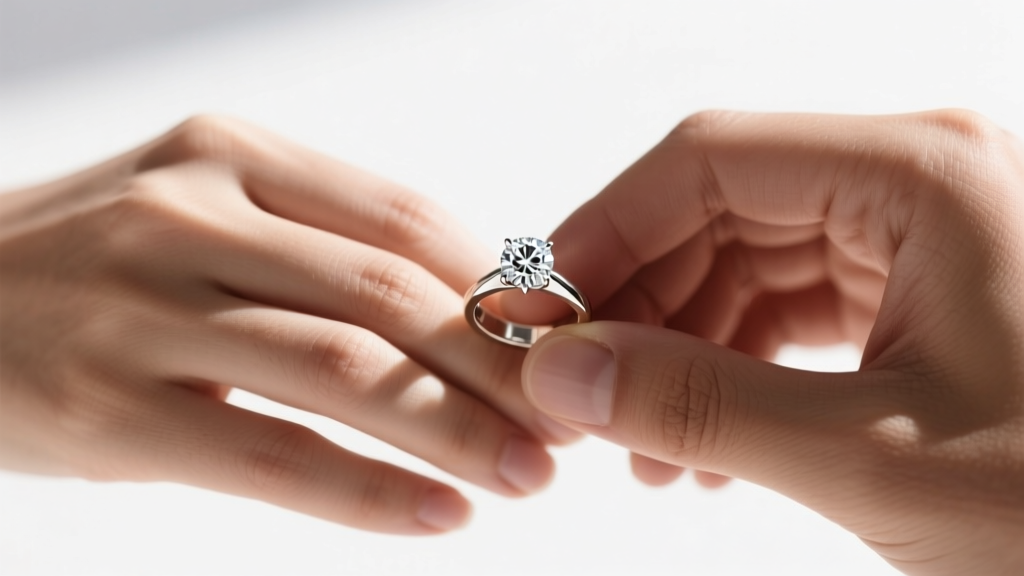
Many DIY recipes found online are actually detrimental to fine jewelry. Baking soda, for example, has a Mohs hardness of 2.5—the exact same hardness as pure gold. Scrubbing a gold setting with baking soda will result in micro-scratches that dull the metal's polish over time. Similarly, toothpaste contains silica abrasives that can scratch both the gold and the delicate facet junctions of a diamond.
Diamonds are lipophilic, meaning they naturally attract and hold onto grease and oils from the skin. The secret to a successful homemade jewelry cleaner for gold and diamonds lies in using a mild, phosphate-free surfactant that breaks down these oils without attacking the alloy metals or the rhodium plating on white gold.
The Chemistry: The Ultimate Gentle Recipe
To create a professional-grade cleaner at home, you need ingredients that lift debris without causing thermal or chemical shock. According to the Gemological Institute of America (GIA), warm water and mild dish soap are the safest baseline for diamond care.
- 1 Cup Distilled Water: Tap water contains minerals like calcium and magnesium that can leave microscopic hard water spots on the diamond's table and crown facets. Distilled water ensures a spot-free rinse.
- 3 Drops Phosphate-Free Dish Soap (e.g., Dawn): This acts as the primary surfactant, breaking the surface tension of the water and lifting sebum from the diamond's pavilion.
- 1 Drop Vegetable Glycerin: This is the secret ingredient. Glycerin adds a microscopic protective layer that enhances the gold's luster and prevents immediate re-adhesion of dust.
Step-by-Step Application for Prong and Bezel Settings
The application method is just as important as the solution. Improper brushing is the leading cause of bent prongs and lost stones.
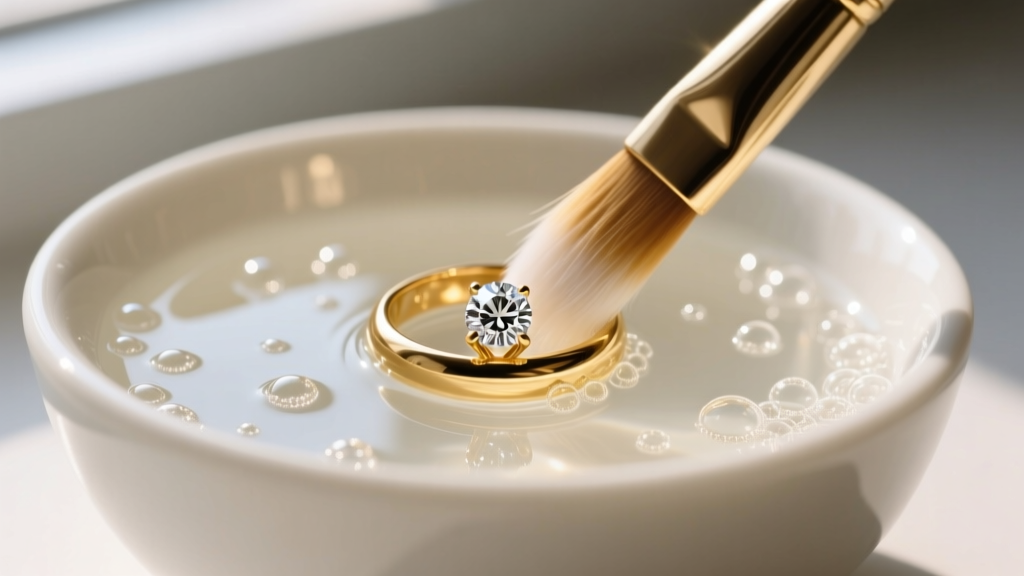
- The Soak: Place the jewelry in a small glass or ceramic bowl (never metal, which can cause galvanic reactions) and pour the distilled water mixture over it. Let it soak for exactly 10 to 15 minutes. Do not exceed this, as prolonged water exposure can weaken the silk or nylon threads used in some vintage diamond necklaces.
- The Brush: Use a brand-new, extra-soft baby toothbrush. Brush the diamond from the side (the girdle) and the back (the pavilion). Never brush perpendicular to the gold prongs; always brush parallel to them to avoid snagging and lifting the metal away from the stone.
- The Rinse: Rinse the piece under a gentle stream of lukewarm distilled water. Ensure the drain is securely plugged.
- The Dry: Pat dry with a lint-free microfiber cloth. Avoid paper towels, as their wood pulp fibers can leave microscopic scratches on high-polish 18k gold.
Occasion-Specific Gifting: Presenting the 'Jewelry Spa' Kit
When gifting a high-value item like a 2-carat diamond tennis bracelet or an 18k gold engagement ring, the presentation of the aftercare kit elevates the entire experience. Instead of simply handing over a bottle of soap, curate a bespoke "Jewelry Spa" box.
Purchase a 4 oz amber glass dropper bottle to house your homemade jewelry cleaner for gold and diamonds. Amber glass protects the glycerin and soap from UV degradation. Create a custom, minimalist label detailing the ingredients and the 15-minute soaking instructions. Pair this bottle with a premium horsehair jewelry brush (which is softer than synthetic bristles) and a high-GSM microfiber polishing cloth. Place these items in a suede-lined valet tray alongside the main jewelry gift box. This approach signals to the recipient that you have considered the longevity and heritage of the piece, aligning perfectly with the Federal Trade Commission's guidelines on providing adequate care information for fine jewelry.
What to Avoid: Common DIY Cleaning Disasters
When including care instructions with your gift, it is crucial to warn the recipient against popular but destructive internet hacks.
Warning: Never use boiling water to clean diamonds. While diamonds themselves can withstand high heat, the thermal shock can cause the gold setting to expand rapidly, potentially cracking a diamond that has internal inclusions (such as SI1 or I1 clarity grades) or shattering fracture-filled stones entirely.
Additionally, advise against using rubbing alcohol or acetone. While these solvents are excellent at cutting grease, they can strip the rhodium plating off white gold and degrade the structural integrity of the solder joints used in complex gold filigree work. Stick to the distilled water and mild surfactant method for guaranteed safety across all gold karats and diamond treatments.
Final Thoughts on Heirloom Maintenance
Gifting gold and diamonds is a celebration of permanence. By pairing your milestone gift with a scientifically sound, homemade jewelry cleaner for gold and diamonds, you transform a beautiful moment into a lasting legacy. The right care regimen ensures that whether the piece is a 14k white gold graduation pendant or an 18k yellow gold anniversary band, it will continue to capture the light—and the heart—for decades to come.


