How to Sell Gold Jewelry: An Occasion-Matching Gift Guide
Learn how to sell gold jewelry by matching karats, colors, and styles to specific gift-giving occasions to maximize resale value and buyer appeal.

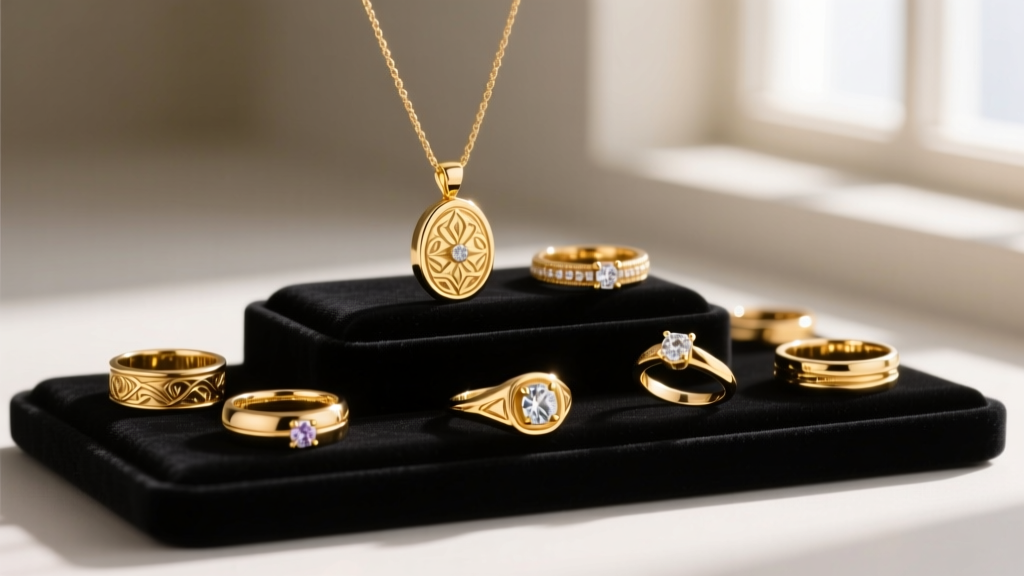
When most people look into how to sell gold jewelry, they immediately think of scrap melt values, pawn shops, and commodity scales. But if you are an independent curator, a reseller, or simply someone looking to liquidate inherited pieces, reducing gold to its raw weight leaves massive amounts of money on the table. The secret to maximizing your return lies in understanding the retail buyer's mindset: they are rarely buying raw metal. They are buying a milestone marker.
By positioning your inventory through the lens of occasion matching, you transition from selling scrap to selling meaningful gifts. This strategic guide breaks down exactly how to evaluate, price, and market gold jewelry based on karat purity, color theory, and the specific life events that drive consumer spending in 2026.
The Psychology of Gold Gifting: Why Occasion Matching Matters
Gold serves as both a tangible store of value and an emotional anchor for major life events. According to consumer trend data from the World Gold Council, gold jewelry remains a top-tier gift for cultural ceremonies, romantic milestones, and academic achievements. When a buyer is searching for a 25th-anniversary gift or a Sweet 16 present, they are not looking for a generic chain; they are looking for a piece that carries the appropriate weight, color, and symbolism for that specific occasion.
As a seller, your goal is to write listings, curate collections, and package items that instantly signal to the buyer: "This is the perfect gift for your specific need." By categorizing your gold by occasion, you justify a craftsmanship premium that far exceeds the daily spot price of gold.
Karat Breakdown: Matching Purity to the Milestone
The karat weight of your gold dictates its durability, color depth, and price point, which in turn dictates its ideal gifting occasion. The Gemological Institute of America (GIA) outlines strict purity standards, and understanding these allows you to market pieces to the right demographic.
| Karat & Stamp | Ideal Occasion | Target Buyer | Pricing Strategy |
|---|---|---|---|
| 10k (417) | Graduations, Sweet 16s, Teen Milestones | Budget-conscious, parents of teens | Low premium over melt; focus on volume and durability |
| 14k (585) | Engagements, Birthdays, Everyday Wear | Young professionals, partners | Standard retail markup (40-80% over melt); highest demand |
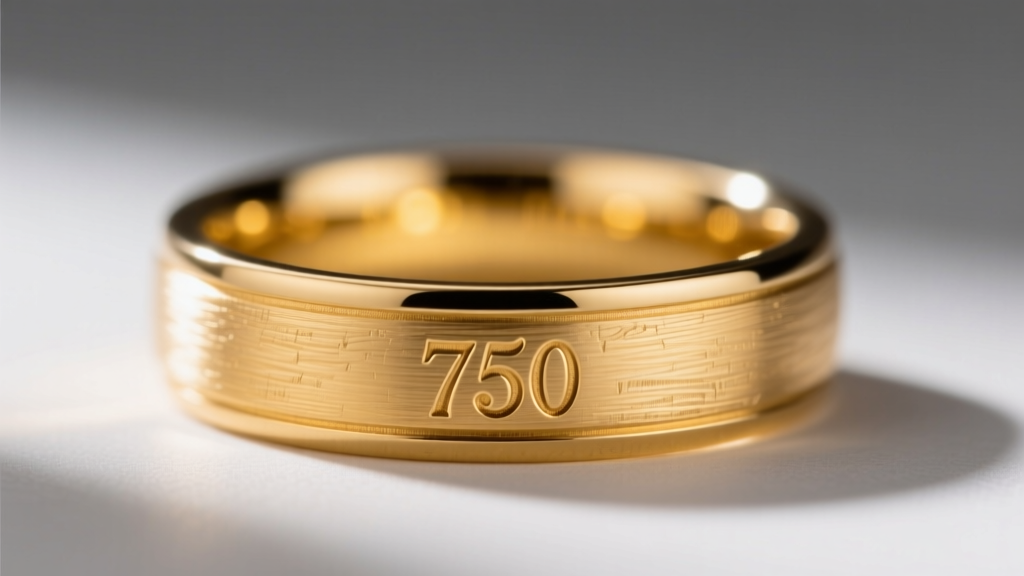
| 18k (750) | Major Anniversaries (10th, 25th), Heirlooms | High-income earners, luxury gifters | High premium (100%+ over melt); sell on craftsmanship |
| 22k/24k (916/999) | Cultural Weddings, Investment Gifting | Specific cultural demographics, investors | Sold near spot weight + small artisan fee; purity is the focus |
For example, a delicate 10k gold charm bracelet is highly durable and affordable, making it an easy sell for a high school graduation gift. Conversely, a heavy 18k gold signet ring carries the gravitas required for a 50th wedding anniversary or a legacy heirloom gift.
Color Theory in Gifting: Yellow, White, and Rose Gold
The alloy metals mixed with pure gold not only determine its strength but also its color, which carries distinct psychological weight in gift-giving.
Targeting the Modern Buyer: Rose Gold for Romantic Milestones
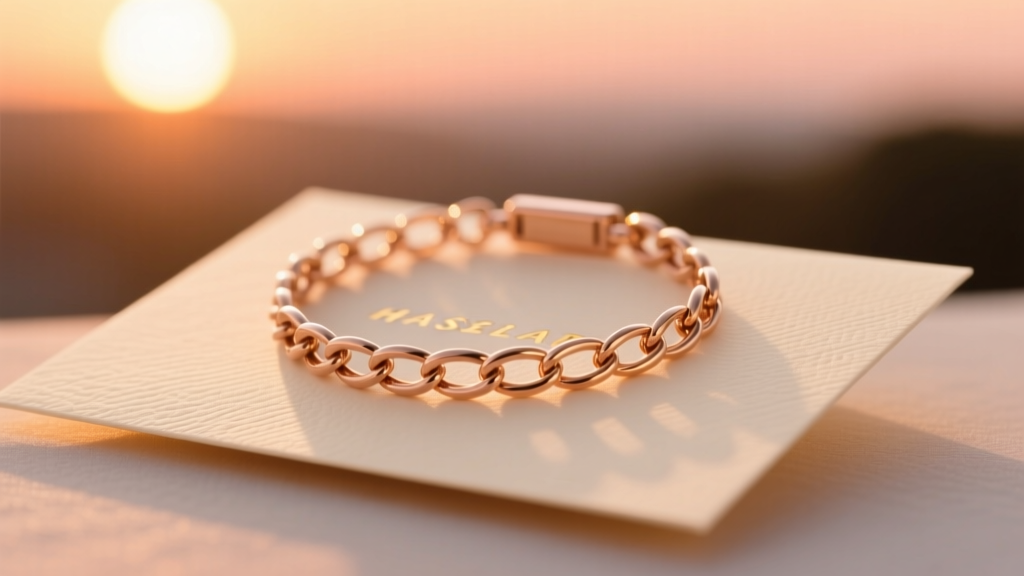
Rose gold achieves its warm, blush hue through a higher copper content (often mixed with a touch of silver). In the context of gifting, rose gold is heavily associated with romance, making it the ultimate metal for Valentine’s Day, proposals, and early-stage anniversaries. When selling a 14k rose gold tennis bracelet or a pavé diamond pendant, use keywords like "romantic gift," "blush tone," and "modern love" in your listings to attract partners shopping for significant others.
The Classic Appeal: Yellow Gold for Heritage Gifts
Yellow gold is the traditional standard. It evokes nostalgia, heritage, and permanence. It is the undisputed king of "golden" anniversaries (the 50th) and cultural coming-of-age ceremonies like Quinceañeras or Bar Mitzvahs. When selling vintage or high-karat yellow gold, emphasize its timelessness and legacy value. Buyers purchasing yellow gold for these events are often willing to pay a premium for vintage hallmarks or classic designs like Figaro chains and hoop earrings.
White Gold: The Bridal and Academic Standard
Alloyed with nickel or palladium and plated in rhodium, white gold mimics platinum at a lower price point. It is the go-to metal for bridal shower gifts, wedding bands, and university graduation presents. Its sleek, modern aesthetic appeals to buyers looking for sophisticated, understated gifts that pair well with diamonds or gemstones.
Authentication and Pricing Strategies for Gift Sellers
Gift buyers are notoriously risk-averse. They are spending hundreds or thousands of dollars to celebrate a loved one, and the fear of purchasing counterfeit or misrepresented gold is a major conversion killer. To command top-tier retail prices, you must provide ironclad authentication.
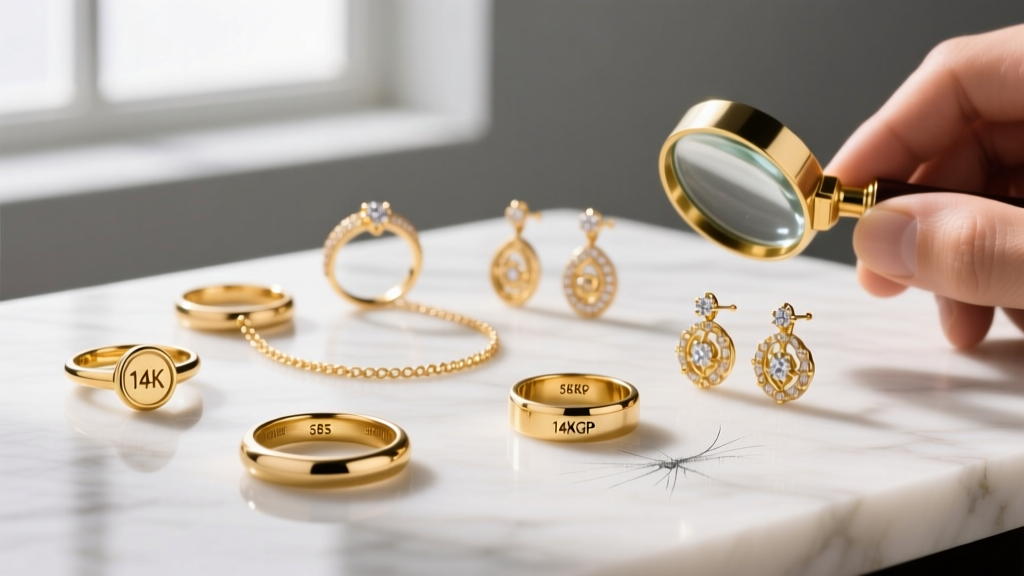
- Verify Purity: Do not rely solely on visual hallmark stamps, which can be faked. Use calibrated nitric acid testing or, ideally, X-ray fluorescence (XRF) analysis to confirm the exact elemental breakdown. A 14k piece must test at roughly 58.5% pure gold.
- Disclose Treatments: The Jewelers of America mandates strict disclosure regarding gold-plated, gold-filled, and vermeil items. If you are selling a piece that is merely gold-plated over brass, it cannot be marketed as a "solid gold heirloom." Be transparent to build buyer trust.
- Calculate the Craftsmanship Premium: Calculate the base melt value using the current spot price and the item's exact gram weight. Then, add a 40% to 120% premium based on the brand (e.g., Cartier or Tiffany & Co. command massive premiums), the condition of the piece, and its suitability as a ready-to-wear gift.
- Detail the Clasp and Hardware: Gift buyers notice the details. A heavy 14k rope chain with a secure lobster clasp is a much safer gift than one with a fragile spring-ring clasp. Highlight these functional benefits in your product descriptions.
Packaging and Presentation: The Final Value Multiplier
If you want to sell gold jewelry as a premium gift, it must look like one before the buyer even opens the shipping box. Investing in high-quality presentation materials allows you to artificially inflate your profit margins while providing immense convenience to the buyer.
Source FSC-certified presentation boxes lined with treated anti-tarnish flannel. Include a signed certificate of authenticity detailing the karat weight, gram weight, and metal type. Adding a $10 luxury packaging upgrade to your inventory can easily justify a $50 to $100 increase in your asking price, as it saves the buyer the time and effort of sourcing their own gift wrap.
Where to Sell: Choosing the Right Platform for Gift Buyers
Not all sales channels are created equal when targeting the gift market. Pawn shops and scrap dealers will only offer melt value. To capture the occasion-matching premium, you must sell where gift buyers are actively shopping.
Etsy is highly effective for vintage, personalized, and rose gold pieces, as the user base actively searches for unique, curated gifts. 1stDibs and Chairish are ideal for high-karat (18k, 22k) luxury pieces and signed designer jewelry targeting major anniversary shoppers. For local sales, partnering with a high-end consignment boutique allows you to reach affluent buyers who prefer to inspect the piece in person before purchasing a milestone gift.
Conclusion: Turning Inventory into Meaningful Gifts
Learning how to sell gold jewelry profitably requires a shift in perspective. By moving away from the commodity scale and embracing the psychology of gift-giving, you transform raw metal into emotional milestones. Match the karat to the buyer's budget, align the color with the occasion, and back it all up with rigorous authentication and luxury packaging. When you sell the moment rather than just the metal, your resale value will naturally reflect the premium nature of the gold itself.