How to Wear Gold Jewelry Based on Karat and Material Properties
Learn how to wear gold jewelry by matching karat weights and material properties to your lifestyle, from 24k softness to 14k durability.

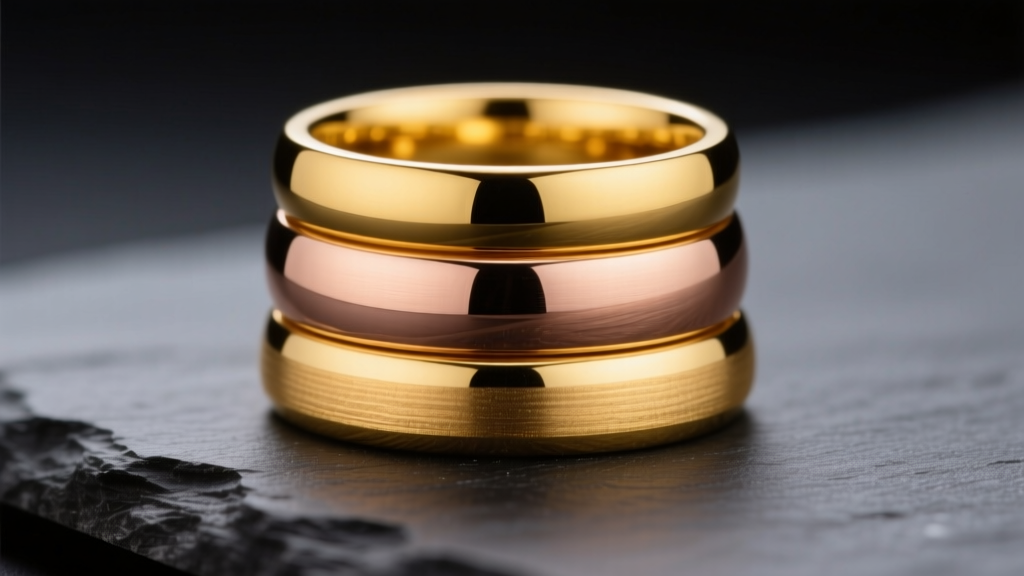
Most style guides tell you how to wear gold jewelry by focusing on skin tone matching, neckline pairings, or seasonal trends. While aesthetics matter, true jewelry longevity relies on a much more pragmatic approach: metallurgy. Understanding how to wear gold jewelry based on its specific karat weight, alloy composition, and manufacturing method is the difference between a piece that lasts a lifetime and one that warps, scratches, or tarnishes within months.
In 2026, consumers are more invested than ever in sustainable, long-lasting accessories. To make informed decisions, you must look past the showroom lighting and evaluate the physical properties of the gold you are buying. This guide breaks down the material science of gold jewelry, providing a practical framework for matching your pieces to your daily environment.
The Metallurgy of Gold: Why Karat Weight Dictates Wearability
Pure gold (24k) is notoriously soft, ranking at just 25 to 30 on the Vickers Hardness (HV) scale. To make gold viable for jewelry, it is alloyed with metals like copper, silver, zinc, and palladium. These alloys do more than change the color; they fundamentally alter the tensile strength, scratch resistance, and malleability of the metal. Knowing these hardness metrics is crucial when deciding which pieces to wear during high-impact activities.
| Karat Weight | Gold Purity | Avg. Vickers Hardness | Primary Alloy Metals | Best Wear Scenario |
|---|---|---|---|---|
| 24k | 99.9% | 25 - 30 HV | None (Pure Gold) | Occasional wear, pendants, investment pieces |
| 22k | 91.6% | 60 - 80 HV | Silver, Copper | Low-impact daily wear, cultural jewelry |
| 18k | 75.0% | 120 - 135 HV | Copper, Silver, Zinc | Daily wear rings, luxury watches, fine chains |
| 14k | 58.3% | 135 - 150 HV | Copper, Silver, Zinc | High-impact daily wear, active lifestyles |
| 10k | 41.7% | 150 - 170 HV | Majority Alloy Mix | Heavy-duty work rings, budget-conscious wear |
As the data shows, the drop in purity from 18k to 14k yields a significant bump in structural integrity. If you are wondering how to wear gold jewelry while working with your hands, gardening, or lifting weights, 14k or 10k gold provides the necessary shear strength to prevent the metal from bending out of shape.
Solid, Filled, Plated, and Vermeil: Matching Material to Lifestyle
Beyond karat weight, the structural format of the gold dictates its lifespan. The jewelry market is saturated with terms that sound similar but possess vastly different material properties.
Understanding Micron Thickness and Weight Ratios
- Gold Plated (Flash Plating): Typically features a gold layer between 0.1 and 0.5 microns thick. This is purely decorative and will wear off within weeks of daily friction. Best for occasional, low-contact statement earrings.
- Gold Vermeil: By legal definition in most markets, vermeil requires a sterling silver (925) base plated with at least 2.5 microns of gold (usually 14k or 18k). The thicker plating and noble base metal make it suitable for moderate daily wear, though it will eventually require re-plating.
- Gold Filled: This involves mechanically bonding a solid layer of gold to a brass or copper core using heat and pressure. The gold layer must constitute at least 5% (or 1/20th) of the total weight. Gold filled items can withstand years of daily wear and occasional water exposure without peeling.
- Solid Gold: The gold alloy is consistent throughout the entire cross-section of the piece. It can be polished infinitely and will never flake or reveal a base metal.
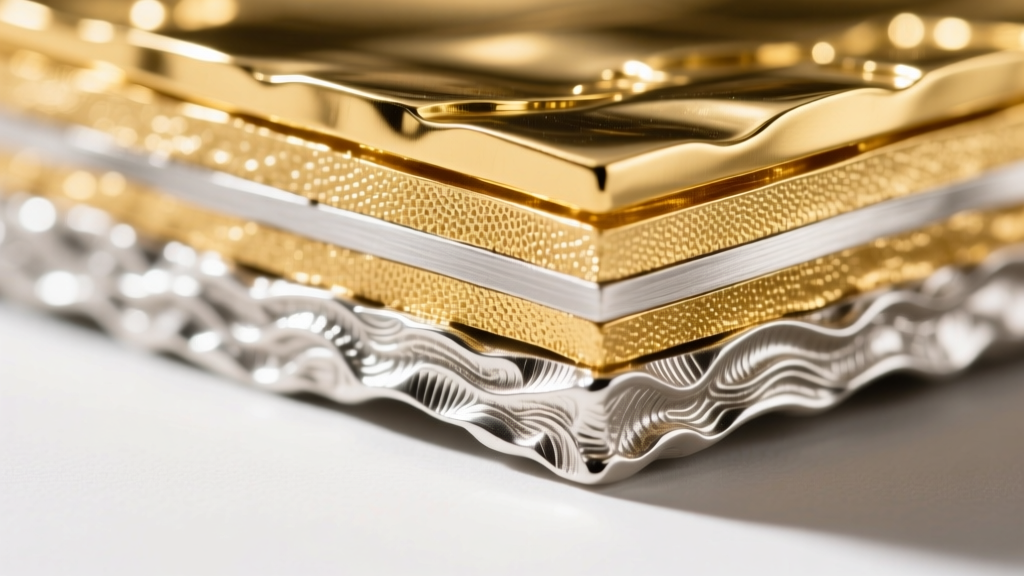
According to the World Gold Council, understanding these distinctions is vital for consumer protection and setting realistic expectations for wear and tear. If you intend to wear a necklace in the shower or sleep in your earrings, solid gold or high-quality gold filled are your only viable options.
How to Wear Gold Jewelry in High-Friction Environments
Friction is the enemy of all precious metals, but it affects different karats in unique ways. When evaluating how to wear gold jewelry on your hands and wrists, you must account for micro-abrasions and metal displacement.
Ring Shanks and Prong Wear
A standard 2mm wide 18k yellow gold ring shank will lose approximately 0.1mm to 0.2mm of thickness per year due to friction against desks, steering wheels, and other rings. Over a decade, this can compromise the structural integrity of the band and loosen gemstone settings. Conversely, a 14k gold shank of the same dimensions will experience roughly 30% less metal displacement over the same period due to its higher Vickers hardness.
Expert Tip: If you prefer the rich color of 18k gold but work with your hands, opt for a 'euro-shank' or a heavier, comfort-fit profile starting at 2.5mm or 3mm. This provides a sacrificial layer of metal that can be polished and maintained over decades without risking the structural core of the ring.
For prong settings, 14k white gold (alloyed with nickel or palladium and usually rhodium-plated) offers superior tensile strength compared to 18k yellow gold, making it the industry standard for securing high-value diamonds in active-wear rings.
Skin Chemistry and Gold Alloys: Preventing Discoloration
A common misconception is that gold jewelry turning your skin green or black means the piece is 'fake.' In reality, this is a predictable chemical reaction between your skin's pH levels and the alloy metals present in solid gold.

The Copper Factor in Rose and Yellow Gold
Rose gold achieves its distinct pink hue through a high copper content—sometimes up to 20% to 25% in 14k rose gold. Copper is highly reactive to chlorides, sulfides, and the natural acids found in human sweat. If you have a naturally acidic skin pH, or if you frequently use skincare products containing sulfur or alpha-hydroxy acids (AHAs), wearing 14k rose gold rings will almost certainly result in a greenish-black residue on your skin.
To mitigate this without sacrificing the aesthetic:
- Upgrade to 18k rose gold, which contains a higher percentage of pure gold and less copper, significantly reducing reactivity.
- Apply a specialized jewelry shield coating (a micro-thin polymer barrier) to the inside of the band.
- Remove the jewelry before applying lotions, swimming in chlorinated pools, or engaging in heavy cardio.
The Gemological Institute of America (GIA) notes that white gold alloys containing palladium rather than nickel are not only more hypoallergenic but also less prone to the oxidative tarnishing that can occur when nickel-copper mixes interact with environmental pollutants.
The Daily Wear Decision Framework
To synthesize these material properties into a practical routine, use this decision framework when deciding how to wear gold jewelry throughout your week:
- The 'Never Remove' Pieces (Wedding bands, stud earrings): Stick to 14k or 18k solid gold. Avoid plated or vermeil entirely. Ensure prongs are checked bi-annually.
- The 'Office to Dinner' Pieces (Chains, bracelets, hoops): 18k solid gold or high-quality gold vermeil (2.5+ microns) is ideal. These pieces experience moderate friction and benefit from the richer color of higher karats.
- The 'Statement' Pieces (Cocktail rings, heavy cuffs): Gold filled or heavy gold plate over sterling silver is perfectly acceptable here, as these items are worn for a few hours at a time and stored safely afterward.
- The 'Heirloom' Pieces (22k or 24k): Reserve for special occasions. Store in anti-tarnish flannel pouches and keep away from hard surfaces to prevent deep gouging.
Ultimately, knowing how to wear gold jewelry is an exercise in matching material science to your personal habits. By respecting the hardness scales, understanding alloy reactivity, and choosing the right manufacturing method for your lifestyle, you ensure that your gold pieces remain as structurally sound as they are visually stunning.


