Ice and Gold Jewelry: Material Properties and Setting Durability
Explore the material properties of ice and gold jewelry. Compare diamond hardness, gold alloy durability, and setting mechanics for long-lasting wear.

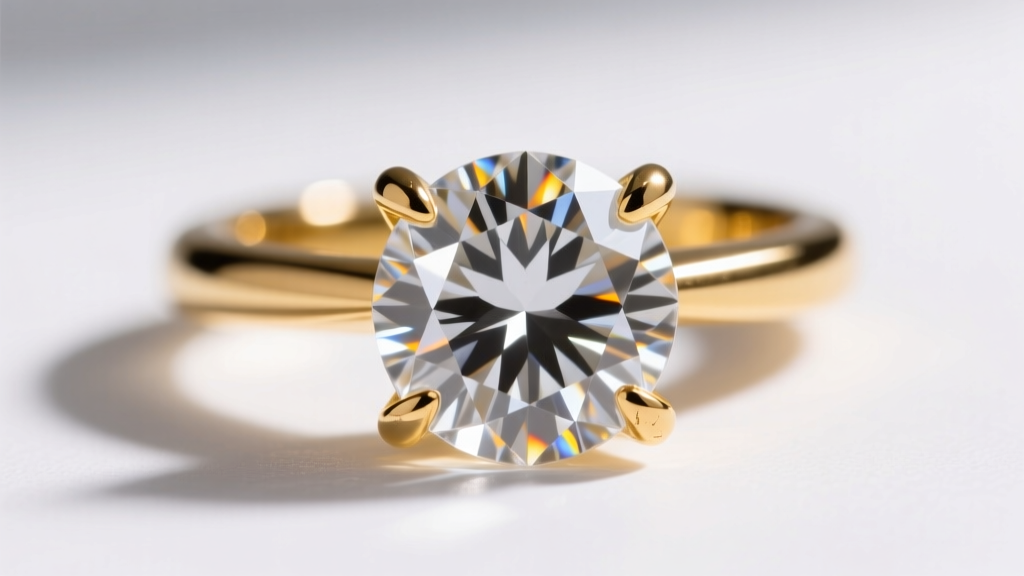
In the jewelry industry, the term "ice" refers to diamonds and high-grade simulants like moissanite, while gold remains the premier metal for securing these stones. When evaluating ice and gold jewelry, consumers often focus solely on carat weight and gold purity. However, from a materials science perspective, pairing the hardest natural substance on Earth with a relatively soft, malleable precious metal creates a complex mechanical relationship. Understanding the physical properties, hardness scales, and structural fatigue of these materials is critical for maximizing the longevity and security of fine jewelry.
The Hardness Paradox: Mohs vs. Vickers Scale
To understand how ice and gold interact, we must look beyond the standard Mohs scale of mineral hardness, which only measures scratch resistance. For jewelry durability, the Vickers Hardness (HV) scale—which measures indentation resistance and structural yield—is far more relevant. Diamonds possess a Mohs hardness of 10 and a Vickers hardness of roughly 10,000 HV. In stark contrast, pure 24k gold sits at a mere 2.5 on the Mohs scale and about 25 HV.
Because pure gold is too soft to secure diamonds, it is alloyed with metals like copper, silver, nickel, and zinc. These alloys drastically alter the metal's mechanical properties, creating a secure cradle for the "ice."
| Material | Mohs Hardness | Vickers Hardness (HV) | Primary Jewelry Role |
|---|---|---|---|
| Diamond (Ice) | 10 | ~10,000 HV | Focal gemstone (Scratch resistant) |
| Moissanite | 9.25 | ~3,000 HV | Diamond simulant |
| 10k Gold (41.7%) | 3.5 - 4.0 | ~210 HV | High-durability settings |
| 14k Gold (58.3%) | 3.5 - 4.0 | ~160 HV | Standard prong/pave settings |
| 18k Gold (75.0%) | 3.0 - 3.5 | ~125 HV | Premium bezel/prong settings |
| 24k Gold (99.9%) | 2.5 | ~25 HV | Not recommended for stone setting |
As noted by the Gemological Institute of America (GIA), while diamonds are highly scratch-resistant, they possess distinct cleavage planes. This means a hard impact can chip or fracture a diamond, whereas the surrounding gold alloy will absorb the kinetic energy by bending or denting, effectively acting as a shock absorber for the stone.
Prong Degradation and Stone Retention Rates
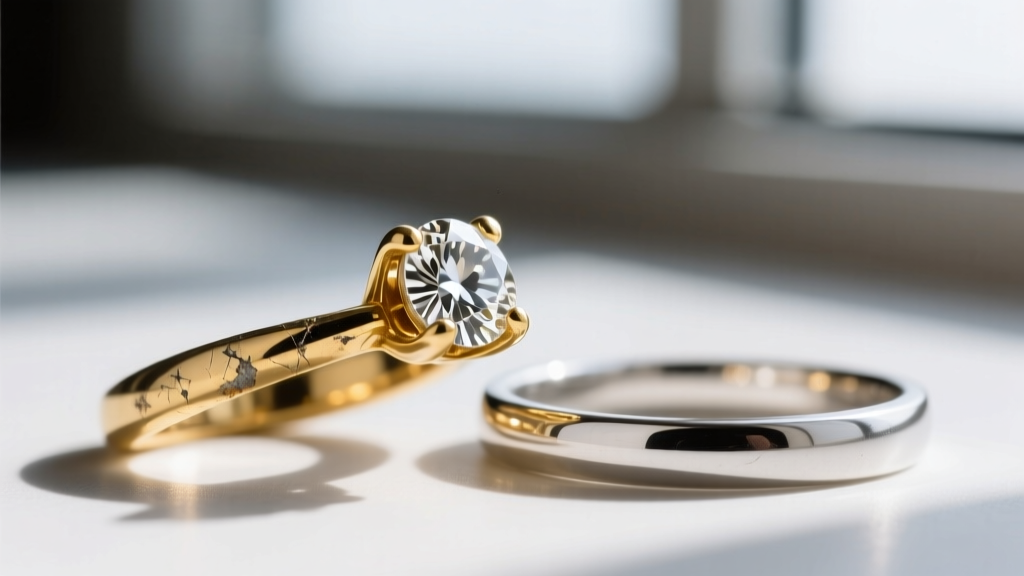
The most common point of failure in ice and gold jewelry is the prong setting. Prongs rely on the metal's tensile strength and malleability to grip the diamond's girdle. Over time, friction from clothing, skin oils, and environmental abrasives cause the gold to wear away.
The 18k vs 14k Prong Lifespan
The karat of the gold directly dictates the maintenance schedule of the jewelry. A standard 14k gold prong is typically milled to a thickness of 0.9mm to 1.2mm. Because 14k gold contains 41.7% alloy metals (like copper and zinc), it offers superior structural rigidity. An 18k gold prong of the exact same dimensions will experience metal loss approximately 30% to 40% faster due to its higher pure gold content and lower Vickers hardness.
- 10k Gold Prongs: Highly durable, rarely require retipping before 15-20 years of daily wear, but lack the rich color and hypoallergenic properties of higher karats.
- 14k Gold Prongs: The industry sweet spot. Expect to have prongs checked every 12 months and retipped every 7 to 10 years. Retipping costs typically range from $35 to $75 per prong.
- 18k Gold Prongs: Require bi-annual inspections. The softer metal is more prone to "lifting" away from the diamond's girdle if snagged on heavy fabrics.
Micro-Pave Settings: Metal Fatigue and Security
When "ice" is applied in micro-pave or halo settings, the material dynamics shift dramatically. Instead of relying on thick, structural prongs, micro-pave utilizes tiny beads of gold pushed up from the base metal to hold stones that are often 1.0mm to 1.5mm in diameter.
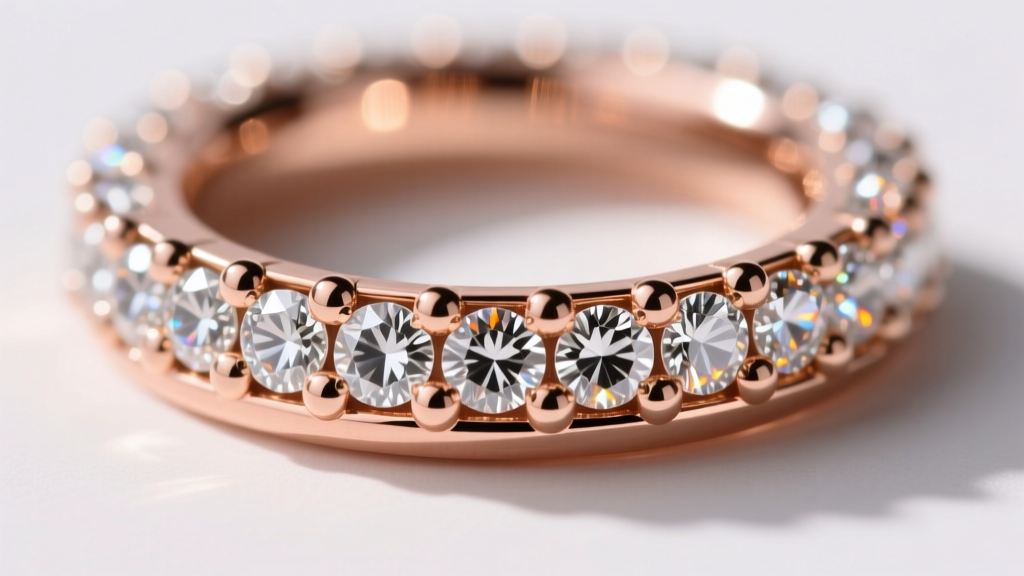
According to metallurgical data from the World Gold Council, the repeated stress of daily wear causes metal fatigue in the microscopic gold beads holding pave stones. In 18k rose gold, the copper content adds tensile strength but makes the metal slightly more brittle over time compared to yellow gold. If the gold beads are smaller than 0.3mm, the structural integrity is compromised, and stones can easily dislodge. Jewelers specializing in high-end ice jewelry often recommend 14k white gold for pave settings because its alloy composition (often including nickel or palladium) provides the stiffest grip on small diamonds without requiring excessive rhodium plating maintenance.
Thermal Conductivity and Ultrasonic Cleaning Risks
Both diamonds and gold are exceptional thermal conductors. Diamond conducts heat five times more efficiently than copper, while gold is also highly conductive. This shared property is crucial when considering maintenance and cleaning protocols for ice and gold jewelry.
While ultrasonic cleaners are standard for removing sebum and lotions from diamond pavilions, the high-frequency acoustic cavitation can be detrimental to the gold settings. The microscopic vibrations can work loose the malleable gold prongs, especially if the jewelry has existing micro-fractures or if the gold alloy is heavily work-hardened from years of wear. Furthermore, sudden thermal shocks—such as moving a piece from a hot ultrasonic bath to cold water—can cause microscopic stress fractures in lower-clarity diamonds (those with significant internal inclusions), even though the gold setting itself will easily handle the temperature shift.
Actionable Maintenance Framework
- Avoid Steam Cleaners on Fracture-Filled Ice: If your diamonds are clarity-enhanced (fracture-filled), the heat from steam can melt the filler, clouding the stone. The gold will remain unaffected, but the optical properties of the ice will be ruined.
- Use a Soft Brush and Mild Surfactant: For routine cleaning of 14k and 18k gold diamond rings, use a solution of warm water and a few drops of ammonia-free dish soap. Agitate gently with a baby-soft toothbrush to avoid abrading the polished gold shank.
- Annual X-Ray or Loupe Inspection: Have a certified gemologist inspect the underside of the prongs with a 10x triplet loupe. They are looking for "thinning" at the bend point where the gold wraps over the diamond's crown.
Ultimately, the synergy between ice and gold relies on a delicate balance of extreme hardness and deliberate malleability. By selecting the correct gold alloy for your specific setting style and adhering to a strict maintenance schedule based on the metal's Vickers hardness, you can ensure that your jewelry remains structurally sound and visually brilliant for generations.