How to Style Chunky Gold Jewelry: A Step-by-Step Layering Guide
Learn how to style and layer chunky gold jewelry with our step-by-step guide covering karat durability, chain weights, and clasp upgrades.

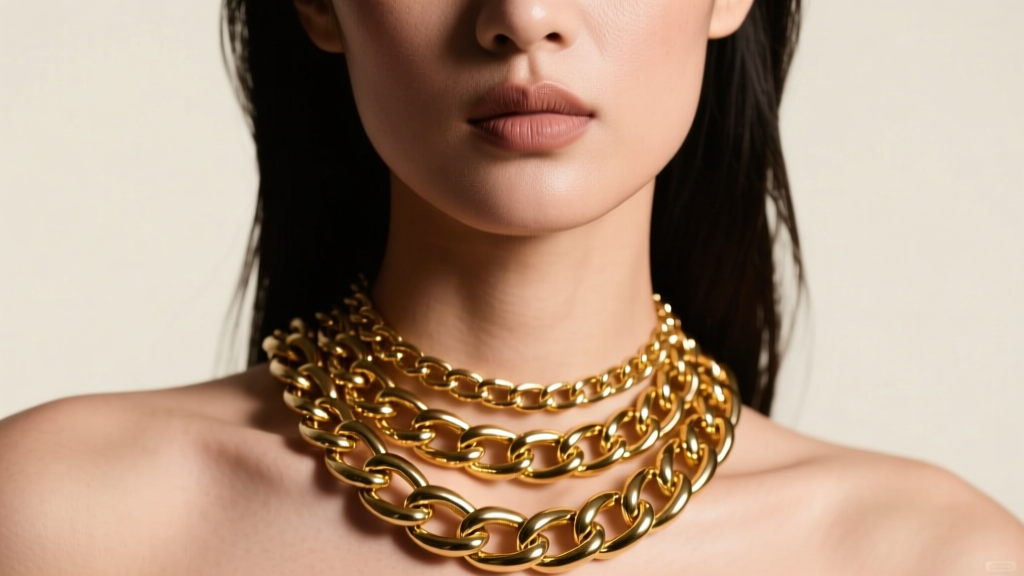
The Anatomy of Chunky Gold: Width and Weight Benchmarks
Before you can master the art of layering, you must understand what actually qualifies as chunky gold jewelry. In the fine jewelry industry, "chunky" is not just a subjective visual descriptor; it is defined by specific millimeter widths and gram weights. Generally, a chain is considered chunky when it exceeds 8mm in width and 25 grams in weight for a standard 20-inch length. However, the true statement pieces—the ones that anchor a capsule collection—often push past 12mm and 45 grams.
Wearing heavy gold is an investment in both aesthetics and metallurgy. The sheer volume of metal means that structural integrity, karat selection, and clasp mechanics become just as important as the visual design. This step-by-step guide will walk you through the technical and stylistic frameworks required to build, layer, and maintain a heavy gold collection without compromising the metal or your personal style.
Step 1: Selecting the Right Karat for Heavy Chains
When dealing with delicate chains, the choice between 14k and 18k gold is mostly about color preference and skin sensitivity. But when you scale up to chunky gold jewelry, karat selection becomes a structural engineering decision. Pure 24k gold is far too malleable for heavy links; it will stretch under its own weight. Therefore, heavy chains are almost exclusively crafted in 10k, 14k, or 18k gold.
The Tensile Strength Factor
According to the Gemological Institute of America (GIA), the alloy metals mixed with pure gold (such as copper, silver, and zinc) dictate the tensile strength of the final piece. A 40-gram 18k yellow gold Cuban link chain will exert significant downward force on its own links and clasp. Over time, the softer 18k alloy can cause the links to oval out and stretch, particularly near the clasp. For any solid gold chain exceeding 35 grams, 14k gold is the superior choice for daily wear due to its higher alloy content, which provides the necessary rigidity to resist stretching and deformation.
| Chain Profile | Width (mm) | Avg Weight (20") | Recommended Karat | Best Use Case |
|---|---|---|---|---|
| Cuban Link | 10mm - 14mm | 35g - 65g | 14k Yellow | Everyday statement wear |
| Rope Chain | 8mm - 12mm | 25g - 45g | 14k or 18k | Layering mid-tier |
| Paperclip | 10mm - 15mm | 20g - 35g | 18k Yellow | Lightweight chunky aesthetic |
| Figaro | 8mm - 12mm | 30g - 50g | 14k Yellow | Textured base layers |
Step 2: The 3-Tier Layering Framework
Layering chunky gold jewelry requires a strategic approach to proportions. If you simply stack three 12mm chains of the same length, they will tangle, scratch each other, and create a visually cluttered neckline. To achieve a curated, high-end look, utilize the 3-Tier Framework, which relies on varying lengths, opposing textures, and strategic weight distribution.
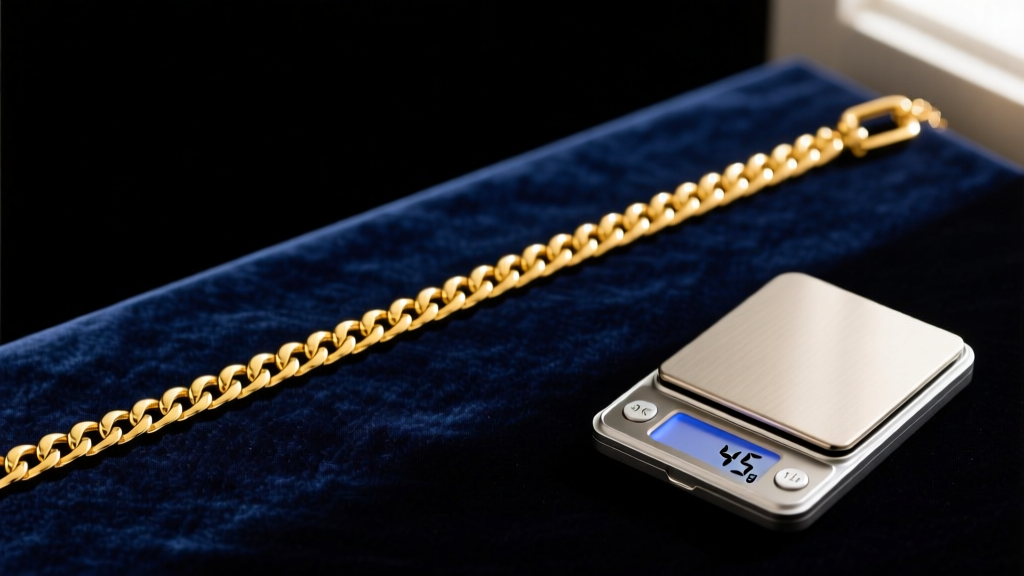
Base Layer: The Anchor Chain (22 to 24 Inches)
Your longest layer should be the heaviest and widest. A 12mm to 14mm solid Cuban or Curb link chain resting at the 24-inch mark provides a bold anchor. This layer sits against the chest or upper stomach, drawing the eye downward and elongating the torso. Because it is the longest, it swings the most; therefore, a durable 14k link profile is essential here to prevent clasp strain.
Mid Layer: The Textured Statement (18 to 20 Inches)
The mid-layer sits right at or slightly below the collarbone. To prevent the links from locking into the base layer, you must use the "Rule of Opposing Textures." If your base layer is a flat, smooth Cuban link, your mid-layer should be a twisted Rope chain or a 3D Figaro. This difference in geometry ensures the chains glide past one another rather than catching and tangling. Aim for a width of 8mm to 10mm for this tier.
Top Layer: The Choker or Collar (14 to 16 Inches)
The top layer frames the face and neck. For a chunky aesthetic without the suffocating weight, opt for a hollow electroformed Paperclip chain or a wide, lightweight Herringbone. These profiles offer the visual volume of a 12mm chain but weigh less than 15 grams, ensuring comfort around the sensitive neck area. Maintain a minimum 4-inch gap between each tier to allow the gold to catch the light independently.
Step 3: Upgrading Clasps for Heavy Gold
The most common point of failure in chunky gold jewelry is the clasp. Standard lobster clasps and small spring rings are engineered for chains weighing under 20 grams. When subjected to the dynamic weight of a 50-gram chain, the internal spring mechanisms of these clasps can fatigue, or the jump rings can pull open.
Expert Insight: For any gold chain exceeding 30 grams, demand a box clasp (also known as a tongue-and-groove clasp) equipped with a figure-eight safety catch. This mechanism distributes the tensile load across a wide metal wedge rather than relying on a tiny internal spring, drastically reducing the risk of catastrophic failure.
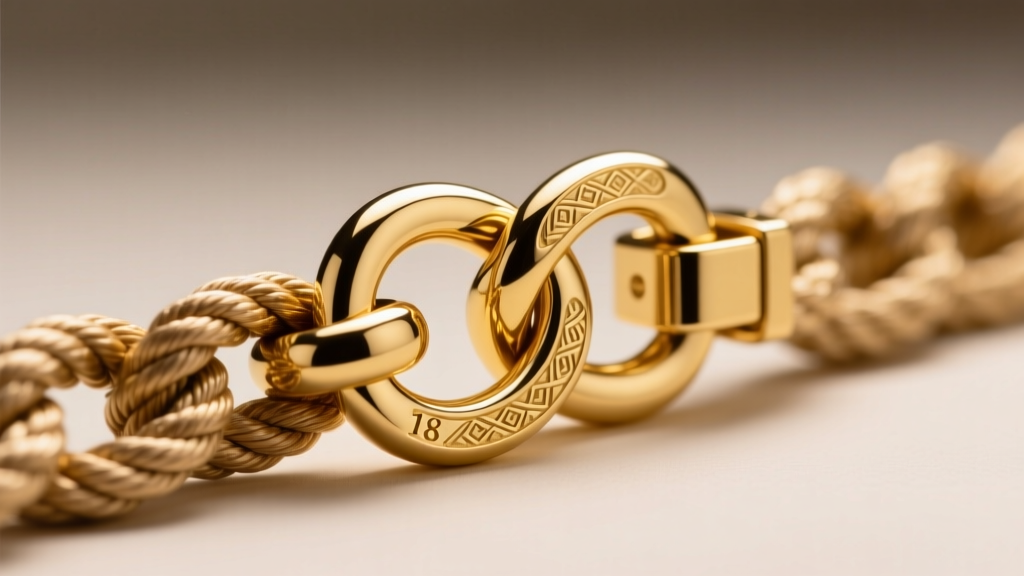
If your favorite chunky chain currently has a lobster clasp, take it to a master jeweler to have the end links soldered and a heavy-duty box clasp installed. This minor upgrade, usually costing between $150 and $300 depending on the gold weight required, is a non-negotiable insurance policy for heavy jewelry.
Step 4: Spotting Hollow vs. Solid Chunky Gold
Because gold prices consistently trend upward, many manufacturers produce "chunky" jewelry using hollow electroforming techniques. This allows a chain to look massive (e.g., 14mm wide) while weighing only a fraction of its solid counterpart. While hollow gold is great for lightweight comfort, it is a poor choice for layering or daily wear, as it crushes easily and cannot be repaired if broken.
- The Weight-to-Volume Test: Pick up the chain. A solid 12mm, 20-inch Cuban link should feel dense and heavy, typically weighing between 40 and 55 grams. If it feels suspiciously light (under 20 grams), it is hollow.
- The Dent Test: Gently press your thumbnail into the side of a flat link. Solid gold will resist pressure entirely. Hollow gold will feel slightly compressible or exhibit microscopic flexing.
- The Sound Test: Drop the chain onto a glass or stone countertop. Solid gold produces a heavy, dull, low-pitched thud. Hollow gold produces a higher-pitched, slightly metallic clinking sound due to the empty air pockets inside the links.
Step 5: Maintenance and Cleaning Heavy Links
Chunky chains trap more skin oils, lotions, and environmental dust than delicate jewelry simply due to their larger surface area and complex link geometries. Proper maintenance is critical to preserving the luster and structural integrity of your pieces.
The Jewelers of America recommends a gentle, mechanical approach to cleaning heavy gold. Avoid ultrasonic cleaners for any chain that you suspect might be hollow, or for chains with intricate, tightly woven links like the Rope chain, as the high-frequency vibrations can shake loose solder joints or shatter hollow interiors.
The Safe Cleaning Protocol
- Fill a bowl with warm water and a few drops of phosphate-free dish soap.
- Submerge the chunky chain and let it soak for 15 minutes to loosen sebum and debris.
- Use a baby-soft toothbrush to gently agitate the inside of the links. Do not use medium or hard bristles, as they will create micro-scratches on the high-polish surfaces of the gold.
- Rinse thoroughly under lukewarm running water, ensuring the drain is securely plugged.
- Pat dry with a microfiber cloth, ensuring no moisture is trapped inside the link crevices before storing.
By understanding the metallurgy, mastering the geometry of layering, and respecting the structural limits of heavy gold, you can confidently wear and style chunky gold jewelry as a timeless, enduring pillar of your personal aesthetic.


