Is Imperium Jewelry Real Gold? Authenticity & Care Guide
Discover if Imperium Jewelry is real gold. Learn expert cleaning, maintenance, and care tips for both solid gold and PVD-plated pieces.

The Truth Behind the Brand: Is Imperium Jewelry Real Gold?
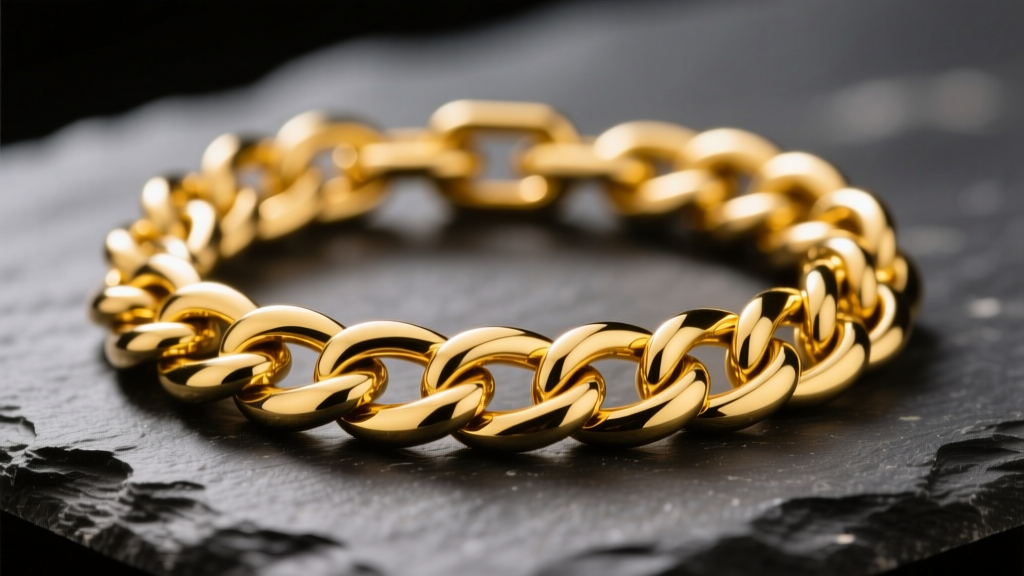
When shopping for statement pieces or custom streetwear accessories, a frequent question arises among collectors and first-time buyers: is imperium jewelry real gold? The answer is not a simple yes or no, because the name "Imperium" is utilized by various custom jewelers, boutique brands, and online retailers. Depending on the specific collection and price point you are looking at, Imperium-branded jewelry typically falls into one of two distinct material categories: solid karat gold (usually 10k or 14k) or 18k PVD (Physical Vapor Deposition) gold-plated surgical stainless steel.
To properly care for your pieces, you must first accurately identify the core material. Solid gold pieces will always bear a karat hallmark (e.g., 10k, 14k, 417, 585) stamped discreetly on the clasp or inner band. According to the Federal Trade Commission (FTC) Jewelry Guides, any piece sold as solid gold must be accurately stamped with its fineness. Conversely, if your Imperium piece is part of their more affordable, high-durability streetwear line, it is likely crafted from 316L stainless steel and coated in an 18k gold PVD finish. These pieces may feature the brand's logo but will lack a traditional karat stamp, as the gold is a microscopic surface coating rather than the structural metal.
Decoding the Hallmarks and Materials
Understanding the metallurgy is critical before you apply any cleaning solutions. Solid 14k gold is an alloy composed of 58.5% pure gold mixed with strengthening metals like copper, silver, and zinc. It is relatively soft on the Mohs scale (around 3.5 to 4) and prone to micro-scratches. On the other hand, PVD gold-plated stainless steel features a steel core (Mohs hardness of 5.5) with a gold titanium nitride coating applied in a vacuum chamber. This PVD layer boasts a Vickers hardness of over 2000 HV, making it incredibly scratch-resistant, but it requires entirely different maintenance protocols to prevent delamination.

Tailored Cleaning Protocols Based on Material
Using the wrong cleaning method can permanently damage your jewelry. While solid gold can withstand rigorous ultrasonic cleaning and chemical polishing, PVD-coated pieces require a much gentler touch. Below are the exact, bench-jeweler-approved protocols for both material types.
Protocol A: Solid 10k, 14k, and 18k Gold Pieces
If your Imperium piece is verified solid gold, it will naturally accumulate sebum, dead skin cells, and environmental dust, which can dull its luster. To restore its brilliance without damaging the alloy:
- The Solution: Mix exactly 3 drops of phosphate-free, mild dish soap (such as original Dawn) into 8 ounces of lukewarm distilled water. Avoid tap water, as the chlorine and heavy minerals can leave microscopic water spots on high-polish gold.
- The Soak: Submerge the jewelry for 15 to 20 minutes. This allows the surfactants in the soap to break down the lipid bonds of skin oils trapped in the crevices of Cuban links or prong settings.
- The Agitation: Use a brand-new, ultra-soft baby toothbrush to gently sweep the bristles across the metal. Never use a standard adult toothbrush, as the stiff nylon bristles can inflict micro-scratches on 18k and 14k gold surfaces.
- The Rinse and Dry: Rinse under a gentle stream of lukewarm distilled water. Pat dry immediately with a lint-free microfiber cloth. Never use paper towels; they contain wood pulp fibers that act like sandpaper on polished gold.
Ultrasonic Warning: While ultrasonic cleaners are excellent for plain solid gold chains, the Gemological Institute of America (GIA) warns against using them on gold pieces set with fracture-filled diamonds, emeralds, opals, or pearls, as the high-frequency cavitation can shatter these fragile stones.
Protocol B: PVD Gold-Plated and Vermeil Pieces
If your Imperium jewelry is PVD gold-plated stainless steel or traditional gold vermeil (gold plated over sterling silver), you must completely avoid ultrasonic cleaners and harsh chemical dips. The intense vibrations of an ultrasonic machine can cause the microscopic PVD layer to delaminate from the steel substrate, resulting in irreversible peeling.
For routine maintenance of PVD pieces, simply wipe the jewelry down after every wear with a slightly damp microfiber cloth to remove acidic sweat and body oils. Acidic perspiration is the primary enemy of plated jewelry, as it can slowly degrade the binding layer over time. Dry the piece immediately. If the piece requires a deeper clean, use a specialized, non-abrasive jewelry wipe designed specifically for plated metals, avoiding any polishing compounds that contain mild abrasives like jeweler's rouge.
Care Comparison Matrix: Solid vs. Plated
To ensure you are treating your specific Imperium piece correctly, refer to this maintenance matrix. Misidentifying your metal and applying the wrong care routine is the leading cause of premature wear and tarnishing.
| Maintenance Factor | Solid Gold (10k - 18k) | PVD Gold-Plated Steel |
|---|---|---|
| Ultrasonic Cleaners | Safe (for plain metal only) | Strictly Prohibited |
| Chemical Dips | Safe (use with caution) | Will strip the coating |
| Polishing Cloths | Use treated jeweler's cloths | Use only dry, untreated microfiber |
| Chlorine Exposure | Causes stress corrosion cracking | Can cause pitting in the steel core |
| Refinishing/Replating | Easily polished by a bench jeweler | Requires specialized PVD vacuum facility |

Preventative Maintenance and Storage Framework
Proactive care is vastly superior to reactive cleaning. According to Jewelers of America, how you store and wear your gold jewelry dictates its lifespan more than how often you wash it. Implement the following framework to protect your Imperium investment.
The "Last On, First Off" Rule
Gold and gold-plated jewelry should always be the last things you put on when getting dressed and the first things you take off. Lotions, perfumes, hairsprays, and cosmetics contain volatile organic compounds and alcohols that can create a cloudy film on solid gold and rapidly degrade the sealants on plated pieces. Apply all cosmetics and wait at least five minutes for them to dry before clasping your chains or rings.
The 3-Step Storage Protocol
- Individual Isolation: Store every piece in its own soft flannel or microfiber pouch. Because gold is a relatively soft metal, tossing multiple chains into a single drawer will result in them scratching each other. This is especially critical if your collection includes pieces set with diamonds (Mohs 10), which will effortlessly carve deep grooves into adjacent 14k gold links.
- Humidity Control: Toss a small, jewelry-safe silica gel desiccant packet into your storage drawer or safe. Moisture in the air accelerates the oxidation of the copper and silver alloys mixed into 10k and 14k gold, leading to surface tarnish.
- Anti-Tarnish Strips: For long-term storage, place 3M anti-tarnish strips inside your jewelry box. These strips absorb airborne sulfur compounds before they can react with the alloy metals in your solid gold pieces.
When to Seek Professional Refinishing
Even with meticulous care, daily-wear solid gold jewelry will eventually accumulate a patina of micro-scratches, dulling its factory polish. A professional bench jeweler can perform a multi-step polishing process using tripoli and rouge compounds to remove a microscopic layer of the metal, restoring it to a mirror finish. Be aware that polishing removes metal; therefore, it should only be done once every few years to preserve the structural integrity and weight of your chains or rings.
If your PVD-plated Imperium piece eventually wears through to the steel substrate—a process that takes years due to the extreme hardness of PVD—it cannot be polished out. Furthermore, traditional bench jewelers cannot re-plate PVD using standard electroplating tanks. The piece must be sent to a specialized coating facility that utilizes vacuum chambers to reapply the titanium nitride gold layer. Understanding this limitation is vital when deciding between the lifelong heirloom potential of solid gold versus the high-durability, lower-cost appeal of PVD streetwear jewelry.
Ultimately, whether your Imperium piece is solid karat gold or advanced PVD steel, treating it with material-specific respect will ensure it maintains its heavy, luxurious drape and brilliant shine for years to come.