Is Banter Jewelry Real Gold? An Expert Metallurgical Breakdown
Discover if Banter jewelry is real gold. Our expert metallurgical breakdown covers solid karats, PVD plating, hallmarks, and longevity testing.

The Short Answer: Decoding Banter's Gold Offerings
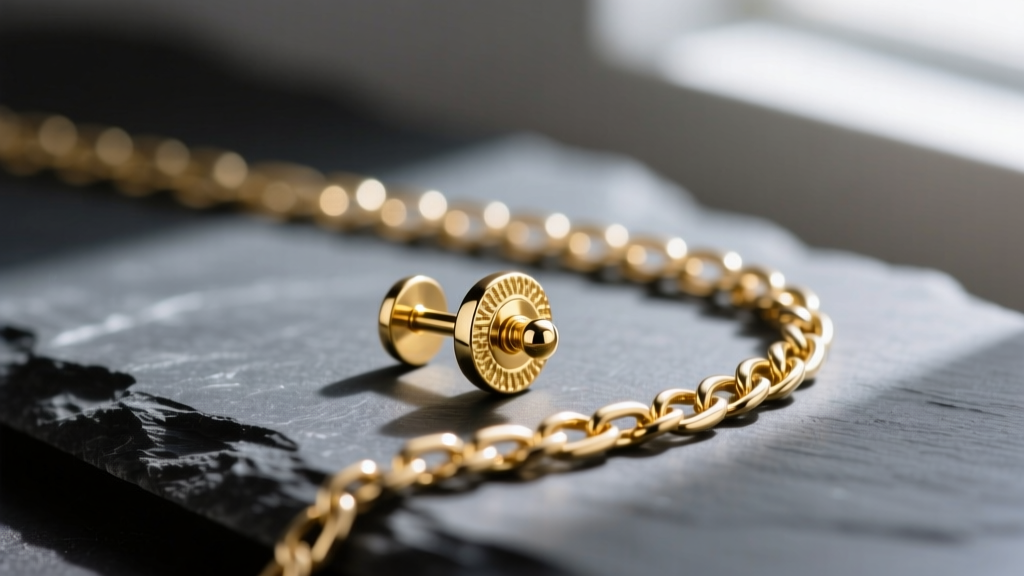
When consumers ask, 'is banter jewelry real gold,' the answer requires a nuanced understanding of modern jewelry manufacturing and retail categorization. Banter, a brand frequently associated with mall-based fashion and body jewelry retailers like Spencer's, does not operate as a traditional fine jeweler. Instead, their inventory is a hybrid ecosystem. The short answer is that Banter sells both genuine solid gold pieces and gold-plated or PVD-coated fashion jewelry. The distinction lies entirely in the specific product line, the price point, and the microscopic metallurgical composition of the piece in question.
To determine if your specific Banter piece is real gold, you must look past the visual luster and examine the structural hallmarks, weight, and manufacturing techniques used. According to the Federal Trade Commission (FTC) Jewelry Guides, the term 'gold' is strictly regulated, but terms like 'gold-toned' or 'PVD gold' are frequently used in fashion jewelry to describe surface-level color treatments rather than intrinsic precious metal content.
Metallurgical Breakdown: What 'Gold' Actually Means at Banter
To truly understand the composition of Banter jewelry, we must separate their inventory into two distinct metallurgical categories: solid karat gold alloys and surface-treated base metals.
1. Solid Gold Pieces (10K and 14K)
Banter does carry a selection of genuine solid gold, predominantly in their body jewelry lines (such as nose studs, cartilage hoops, and captive bead rings) and select fine chain necklaces. These pieces are typically cast or drawn in 10K or 14K gold. From a metallurgical standpoint, 10K gold consists of 41.7% pure gold, alloyed heavily with copper, silver, and zinc to increase the Vickers hardness (HV), making it highly resistant to the deformation required for body jewelry clasps. 14K gold (58.3% pure gold) offers a richer yellow hue and better biocompatibility for fresh piercings, though it is slightly softer than 10K. If a Banter piece is solid gold, it will possess a specific gravity of roughly 13.0 to 14.0 g/cm³, making it noticeably dense for its size.
2. Gold Plated, Vermeil, and PVD Coated Fashion Jewelry
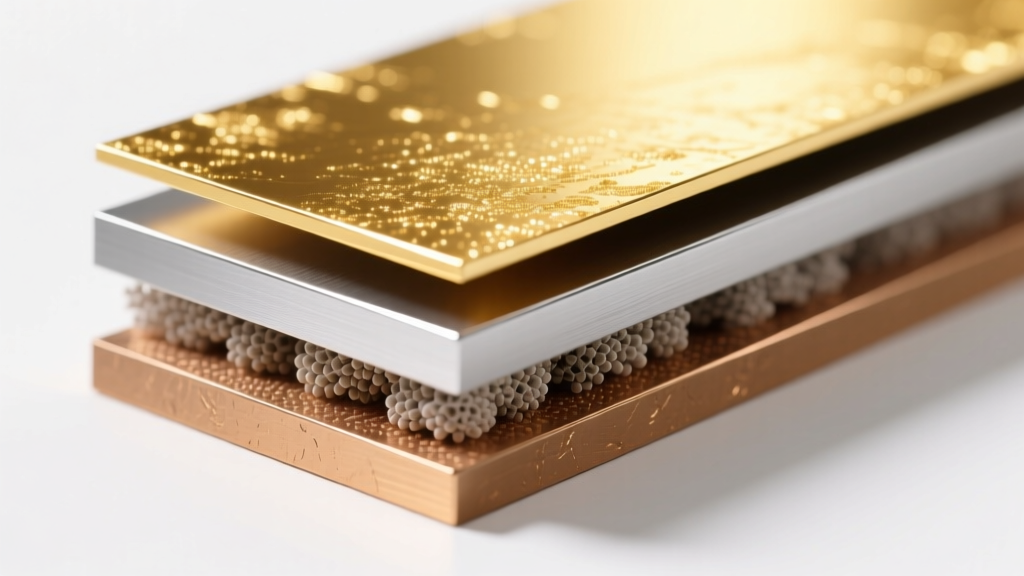
The vast majority of Banter's chunky chains, large hoop earrings, and fashion rings are not solid gold. They are engineered using base metal substrates—most commonly 316L surgical stainless steel, brass, or copper-nickel alloys. To achieve the gold aesthetic, manufacturers use one of two methods:
- Flash Electroplating: An electrochemical process that deposits a microscopic layer of gold (usually less than 0.175 microns) onto the substrate. This is common in lower-priced fashion rings.
- Physical Vapor Deposition (PVD): A high-tech vacuum coating process that vaporizes titanium nitride (TiN) or real gold targets, bonding them to the stainless steel at a molecular level. PVD coatings are vastly superior to flash plating in terms of scratch resistance and tarnish prevention, though they contain little to no actual elemental gold.
Hallmark & Stamp Identification Guide
The most reliable non-destructive method for answering 'is banter jewelry real gold' is to locate and decode the manufacturer's hallmark. Under FTC guidelines, solid gold must be stamped with its karatage. Below is a technical reference table for stamps commonly found on Banter merchandise.
| Stamp / Marking | Metallurgical Meaning | Base Material | Actual Gold Content |
|---|---|---|---|
| 10K or 417 | Solid 10 Karat Gold | None (Homogeneous Alloy) | 41.7% Pure Gold |
| 14K or 585 | Solid 14 Karat Gold | None (Homogeneous Alloy) | 58.3% Pure Gold |
| GP or GEP | Gold Electroplated | Brass, Copper, or Steel | < 0.5% (Surface Only) |
| 925 (with GP) | Gold Vermeil | Sterling Silver | Surface Plating Only |
| Unmarked / PVD | PVD Coated or Raw Steel | 316L Stainless Steel | 0% (Color Treatment) |
If your Banter chain or ring lacks a karat stamp (10K, 14K) and instead features a brand logo or no marking at all, you are almost certainly holding a PVD-coated stainless steel or brass fashion piece.
Longevity & Tarnish Resistance: A Technical Comparison
Understanding the failure modes of non-solid gold jewelry is critical for managing expectations. When a consumer buys a gold-toned Banter chain, they are often unaware of the galvanic corrosion that will eventually occur.
When gold flash plating is applied over a brass or copper substrate, microscopic pores inevitably form in the gold layer. When exposed to human sweat—which acts as a saline electrolyte—a galvanic cell is created. The less noble base metal (brass) oxidizes rapidly, leading to the characteristic green skin discoloration and the flaking of the gold surface. According to the Gemological Institute of America (GIA), the durability of gold jewelry is directly tied to its alloy composition and thickness. Solid 14K Banter body jewelry will outlast the wearer, maintaining its structural integrity and color indefinitely, even when exposed to chlorinated pools or acidic sebum.
Conversely, PVD-coated stainless steel Banter pieces bypass the galvanic corrosion issue entirely because stainless steel is highly passive and resistant to oxidation. While the gold 'color' of a PVD chain may eventually wear off on high-friction contact points (like the clasp or the back of a ring) after 1 to 3 years of daily wear, the underlying metal will not turn your skin green or degrade.
How to Authentically Test Your Banter Gold at Home
If visual hallmarks are worn away or missing, you must rely on physical and chemical testing to verify the gold content. Here is an expert framework for testing your jewelry:
The Magnet Test (Substrate Identification)
Pure gold, as well as standard 10K and 14K gold alloys, are strictly non-magnetic. If you hold a strong neodymium magnet to your Banter chain and feel a distinct pull, the core substrate is ferromagnetic (likely carbon steel or a magnetic grade of stainless steel). This immediately confirms the piece is not solid gold. Note: A lack of magnetic pull does not guarantee solid gold, as brass and copper are also non-magnetic.
The Electronic Conductivity Test
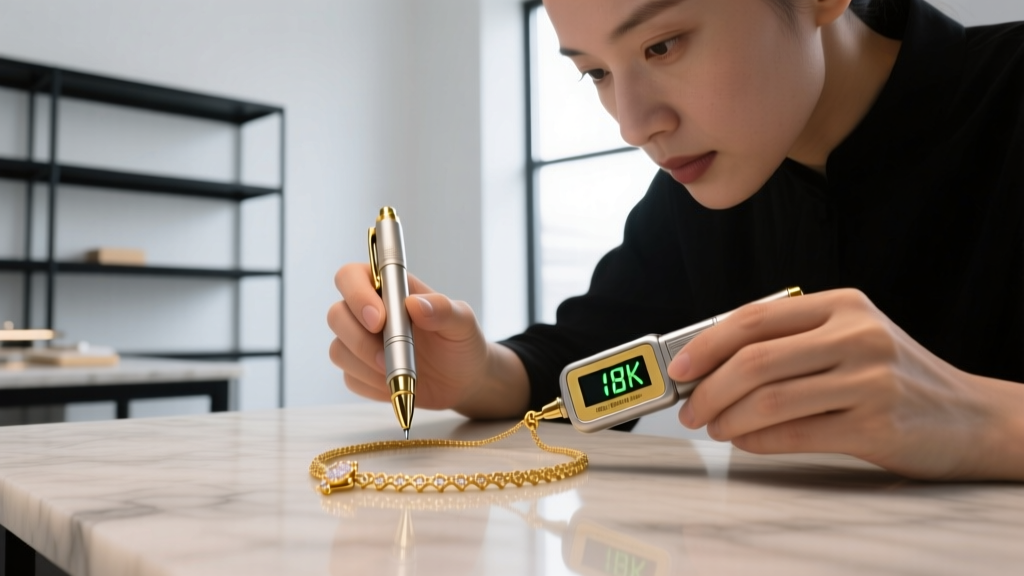
Electronic gold testers measure the electrical conductivity of the metal surface. While highly effective for solid gold, these devices are easily fooled by thick gold plating. If you test a Banter GP (gold-plated) piece, the machine will read the conductivity of the surface gold layer and may falsely register it as 14K. To bypass this, you must perform a 'deep test' by taking a small, inconspicuous file and creating a notch in the metal, then applying the testing probe into the notch to read the core substrate.
Specific Gravity (Density) Testing
For a completely non-destructive test, specific gravity (SG) is the gold standard. Using a precision digital scale, a cup of distilled water, and a suspending wire, you can calculate the density of the piece. Solid 14K yellow gold has an SG of approximately 13.3. Brass has an SG of roughly 8.5, and stainless steel sits around 8.0. If your heavy-looking Banter chain yields an SG of 8.1, it is definitively a gold-plated or PVD steel piece, regardless of its visual appearance.
Expert Verdict & Purchasing Framework
So, is Banter jewelry real gold? It depends entirely on your purchasing intent and the specific SKU you are evaluating. If you are purchasing from their fine body jewelry section and see a 14K or 10K stamp, you are buying genuine, real gold alloy suitable for long-term wear and sensitive piercings. However, if you are buying a thick, heavy Cuban link chain or a large fashion signet ring from their primary fashion displays for under $100, you are purchasing a base metal piece with a gold-colored surface treatment.
There is no inherent deception in this, provided the consumer understands the metallurgical reality. PVD-coated stainless steel offers incredible durability for fashion trends without the prohibitive cost of a solid 14K gold chain, which would cost thousands of dollars by weight. By utilizing the hallmark identification guide and testing frameworks above, you can confidently assess the intrinsic value and longevity of any Banter jewelry piece before making your purchase.


