Leena's Jewelry - Gold and Diamond Experts: Technical Review
A technical review of Leena's Jewelry - gold and diamond experts, analyzing alloy metallurgy, diamond optics, and precision setting engineering.

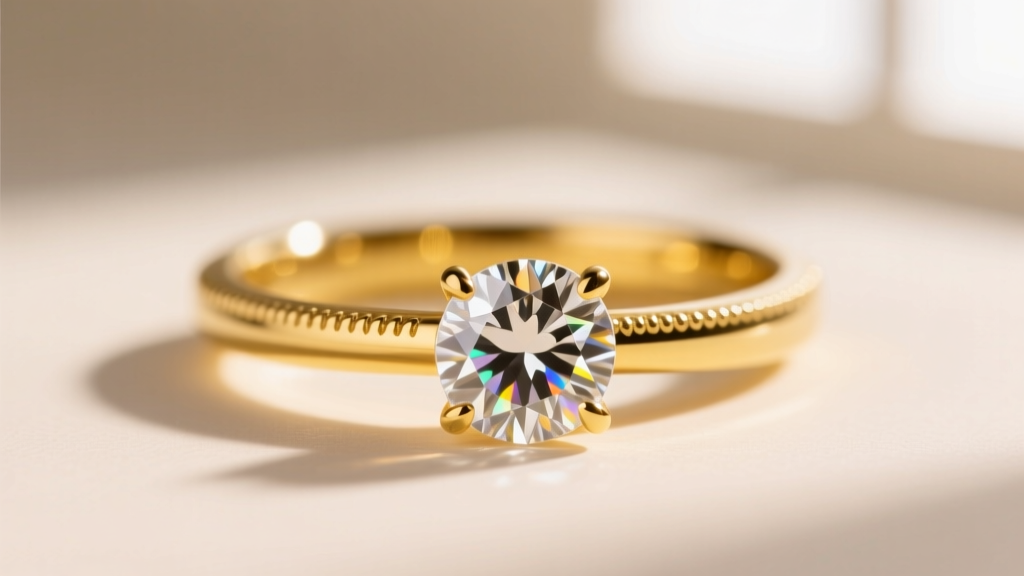
When evaluating high-end craftsmanship in the modern luxury market, the benchmark is often set by established ateliers that prioritize material science alongside aesthetic design. In this technical deep dive, we analyze the standards upheld by Leena's Jewelry - gold and diamond experts, deconstructing the metallurgical, gemological, and structural engineering principles that separate master-level fabrication from mass-market production. Understanding these technical specifications is crucial for collectors, appraisers, and informed buyers navigating the 2026 luxury landscape.
Metallurgical Precision: Alloy Composition and Hardness
Pure 24-karat gold is too malleable for secure diamond settings, possessing a Vickers Hardness (HV) of merely 60. Expert jewelers manipulate the metallurgical profile by introducing specific alloying metals to achieve optimal tensile strength and yield points without sacrificing the coveted color of the gold. An expert-grade 18k yellow gold alloy typically maintains exactly 75% pure gold, but the remaining 25% is carefully balanced between copper and silver to prevent oxidation and ensure a warm, non-greenish hue.
For white gold, the expertise lies in the choice of bleaching agents. While mass-market manufacturers often use nickel (which causes contact dermatitis in up to 20% of the population), top-tier experts utilize palladium or platinum-group metals to achieve a naturally white alloy. Furthermore, expert rhodium plating is applied at precise thicknesses—typically between 0.75 and 1.5 microns—to ensure longevity without creating a brittle surface layer that could flake under thermal stress.
| Alloy Type | Gold Purity | Primary Alloying Metals | Vickers Hardness (HV) | Tensile Strength (MPa) |
|---|---|---|---|---|
| 18k Yellow Gold | 75.0% | Silver (12.5%), Copper (12.5%) | 125 - 135 | 350 - 400 |
| 14k White Gold (Pd) | 58.3% | Palladium (25%), Silver/Copper | 150 - 165 | 450 - 520 |
| 18k Rose Gold | 75.0% | Copper (22.5%), Silver (2.5%) | 130 - 145 | 380 - 430 |
Gemological Science: Optical Symmetry and Light Performance
The distinction of being recognized among gold and diamond experts requires a departure from relying solely on the basic 4Cs. True expertise involves analyzing a diamond's optical symmetry and light performance metrics. Master jewelers utilize Sarine light performance reports and ASET (Angular Spectrum Evaluation Tool) imaging to evaluate how effectively a stone returns light to the observer's eye.
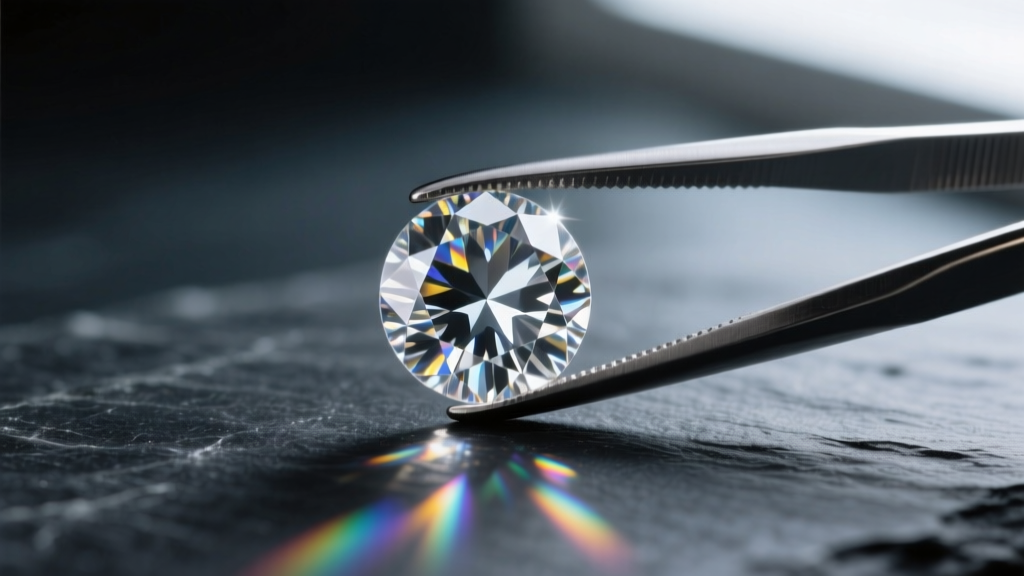
Proportions and Light Return
According to the Gemological Institute of America (GIA), the cut grade is the most complex of the 4Cs. Expert selection criteria dictate strict adherence to ideal proportions: a table percentage between 54% and 57%, a total depth of 61% to 62.5%, a crown angle of 34 to 35 degrees, and a pavilion angle of 40.6 to 41 degrees. Deviations of even half a degree in the pavilion angle can result in light leakage, manifesting as a dark 'nail head' or a transparent 'fisheye' effect under the table facet.
Fluorescence and Color Grading Environments
Fluorescence is often misunderstood by consumers but meticulously managed by experts. In diamonds graded D through F (colorless), strong blue fluorescence can cause a milky or hazy appearance, reducing transparency and value. However, in stones graded H through J (near-colorless to faint yellow), medium to strong blue fluorescence acts as an optical corrective, neutralizing the yellow body color and making the stone appear whiter to the naked eye. Expert grading is always conducted under controlled D65 daylight-equivalent LED lamps to prevent UV skewing.
Structural Engineering: Setting Mechanics and Tolerances
The longevity of a diamond ring is dictated by the structural engineering of its setting. The World Gold Council notes that the mechanical properties of gold alloys must be matched to the specific stress requirements of different setting styles. Expert fabrication involves microscopic tolerances that mass-casting methods simply cannot achieve.
- Prong Settings: Expert prongs are not merely cast; they are often die-struck or hand-drawn to align the crystalline grain structure of the metal, increasing tensile strength by up to 30%. The prong tip is burnished, not just pushed, over the diamond's crown to ensure maximum surface contact and prevent snagging.
- Bezel Settings: A master-level bezel requires a tolerance gap of less than 0.05 millimeters between the gold collar and the diamond's girdle. This prevents moisture and debris accumulation while ensuring the metal does not exert uneven pressure that could cause cleavage along the diamond's octahedral planes.
- Pavé and Micro-Pavé: In expert pavé work, the beads holding the melee diamonds are raised from the base metal using a graver, rather than pushed over the stone. This ensures the metal's structural integrity is maintained and prevents the melee stones from loosening under lateral torque.
Non-Destructive Verification and Hallmarking
Authenticity in the luxury sector relies on rigorous, non-destructive verification protocols. Before any piece leaves the atelier, experts utilize X-ray Fluorescence (XRF) spectrometry. XRF testing bombards the gold surface with X-rays, measuring the secondary fluorescent X-rays emitted by the alloying metals. This provides a precise elemental breakdown to three decimal places, ensuring the karat weight meets federal and international standards without damaging the piece.
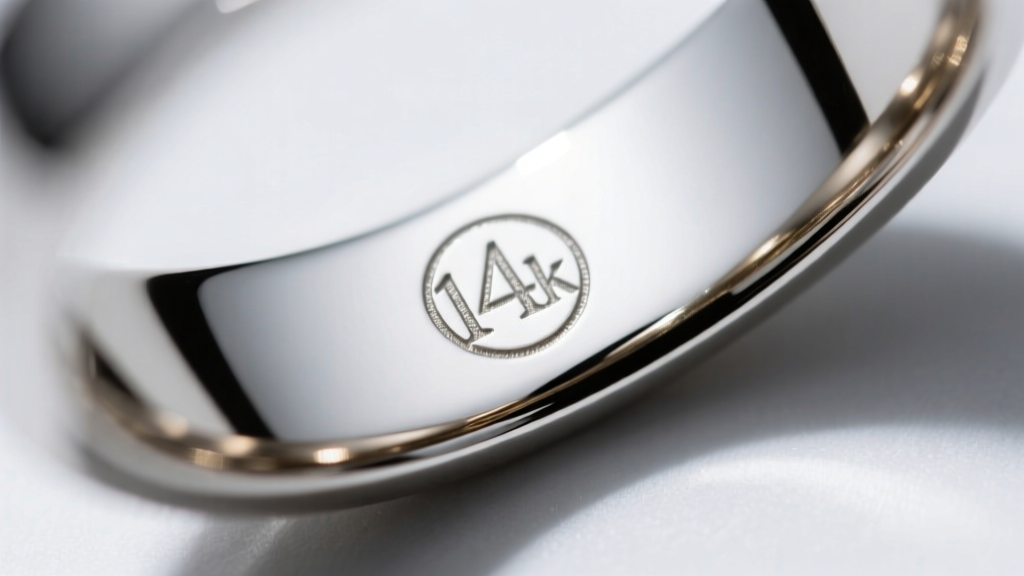
Furthermore, hallmarking has evolved beyond traditional steel punches, which can distort the shank of a delicate ring. Modern experts employ laser engraving to apply the maker's mark, the karat stamp (e.g., 750 for 18k), and a unique serial number. Laser hallmarks are typically engraved to a depth of 20 to 30 microns—deep enough to survive decades of polishing, yet shallow enough to preserve the structural integrity of the inner shank.
Conclusion: Defining the Expert Standard
Evaluating Leena's Jewelry - gold and diamond experts reveals that true luxury is not merely a function of raw material cost, but of applied science and engineering. From the precise metallurgical balancing of palladium in white gold to the microscopic tolerances of a hand-cut bezel, the technical details dictate the heirloom longevity of the piece. For the discerning buyer, demanding transparency in alloy composition, optical symmetry reports, and setting mechanics is the only way to ensure an investment meets the highest standards of modern jewelry fabrication.


