Leo Hamel Jewelry Buyers & Gold Buyers Oceanside: 2026 Guide
Discover how to evaluate Leo Hamel jewelry buyers & gold buyers Oceanside. Learn karat testing, spot price tactics, and estate gold selling tips.

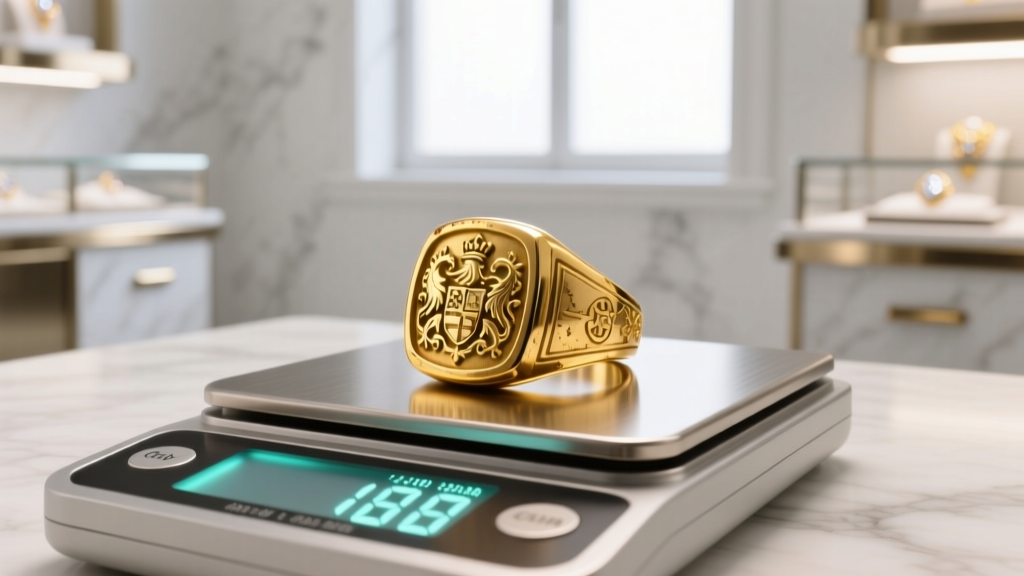
The Oceanside Gold Market: Retail Premium vs. Melt Value
Navigating the secondary precious metals market in North County San Diego requires a strategic approach, especially when liquidating inherited estates or upgrading your personal collection. When researching Leo Hamel jewelry buyers & gold buyers Oceanside residents often find themselves weighing the convenience of local coastal pawn shops against the prestige of established San Diego estate jewelers. In 2026, with gold spot prices experiencing significant volatility, understanding the fundamental difference between scrap melt value and estate retail premium is the single most critical factor in maximizing your return.
The baseline for any gold transaction is the daily spot price, which is quoted in troy ounces. A common point of confusion for first-time sellers is the weight measurement. One troy ounce equals exactly 31.103 grams, not the standard avoirdupois ounce of 28.35 grams. If the spot price is $2,400 per troy ounce, the pure gold value per gram is approximately $77.17. However, because most jewelry is alloyed for durability, a 14k gold piece contains only 58.5% pure gold. Therefore, the baseline melt value of one gram of 14k gold is roughly $45.14. High-end buyers will offer a percentage of this melt value, while estate buyers may pay a premium if the piece holds historical or brand significance.
Evaluating Premium Estate Buyers vs. Local Cash-for-Gold Shops
The decision of where to sell hinges entirely on the nature of your items. If you are selling broken chains, single earrings, or heavily worn scrap jewelry, a reputable local Oceanside coin and bullion dealer or a dedicated gold buying kiosk will typically offer the most straightforward transaction. These buyers operate on high volume and low margins, utilizing rapid assay methods to purchase strictly for the refining furnace.
Conversely, if you possess signed vintage pieces, antique Art Deco jewelry, or high-karat investment-grade coins, selling for melt value is a financial mistake. This is where premium estate buyers enter the equation. While Leo Hamel Fine Jewelers is famously anchored in the Midway district of San Diego, their reputation for acquiring high-end estate jewelry makes them a primary destination for Oceanside locals willing to make the 35-mile drive down the I-5. Premium buyers evaluate the craftsmanship, the maker's mark, the condition of the gemstones, and the current market demand for specific vintage styles, often paying 20% to 300% above the raw melt value.
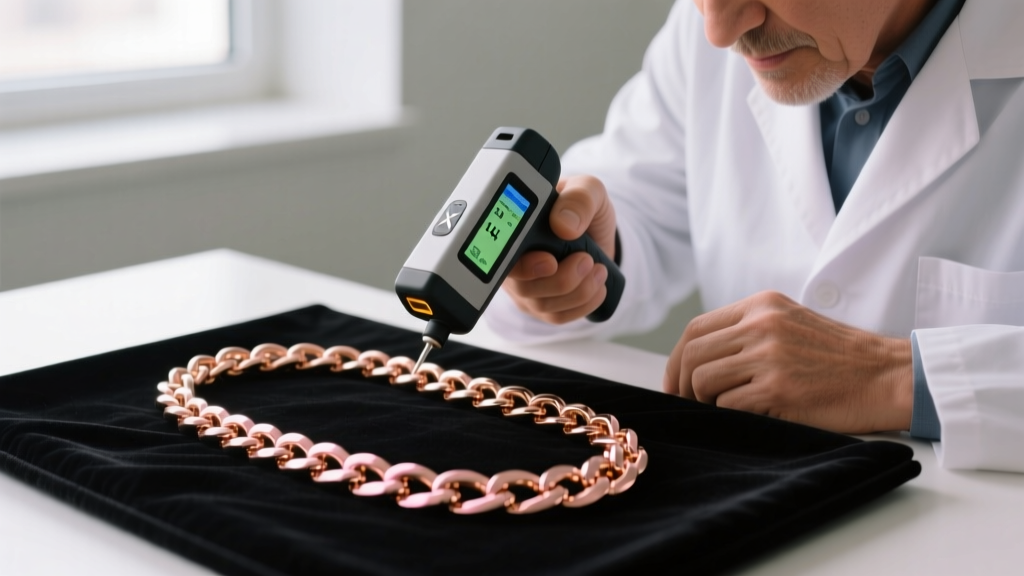
Authentication Protocols: Beyond the Scratch Test
Any reputable buyer in the Oceanside or greater San Diego area should employ rigorous, non-destructive testing methods to verify karat purity. The traditional scratch test, which involves rubbing the gold on a basalt stone and applying varying concentrations of nitric acid, is still widely used. While effective for identifying gold-filled or heavily plated imitations, it only tests the surface layer and can be inaccurate on pieces with thick gold electroplating over a base metal core.
X-Ray Fluorescence (XRF) and Specific Gravity
For precise, non-destructive analysis, top-tier buyers utilize X-Ray Fluorescence (XRF) spectrometers. An XRF gun bombards the jewelry with X-rays, causing the atoms to emit secondary fluorescent X-rays that reveal the exact elemental composition of the alloy. This allows the gemologist to see that a piece is exactly 58.3% gold, 20% silver, and 21.7% copper, rather than just guessing it is standard 14k.
Additionally, specific gravity testing remains a cornerstone of authenticating solid gold versus tungsten-filled counterfeits. Pure gold has a specific gravity of 19.32 g/cm³. By weighing the piece in the air and then suspended in distilled water, a gemologist can calculate its density. If a heavy 18k gold chain yields a specific gravity closer to 11.0, it is a definitive indicator of a hollow core or a base metal interior, drastically altering the buy offer.
Karat Purity and Melt Multipliers Reference Chart
Understanding the exact purity of your gold allows you to audit the buyer's math in real-time. Below is the standard reference chart used by professional refiners and estate buyers to calculate baseline offers.
| Karat | Purity % | Decimal Factor | European Stamp | Common Jewelry Application |
|---|---|---|---|---|
| 10k | 41.7% | 0.417 | 417 | Durable class rings, budget chains |
| 14k | 58.5% | 0.585 | 585 | Standard US engagement rings, everyday wear |
| 18k | 75.0% | 0.750 | 750 | High-end luxury watches, premium diamond settings |
| 22k | 91.6% | 0.916 | 916 | Indian and Middle Eastern bridal jewelry, coins |
| 24k | 99.9% | 0.999 | 999 | Investment bullion, soft ceremonial pieces |
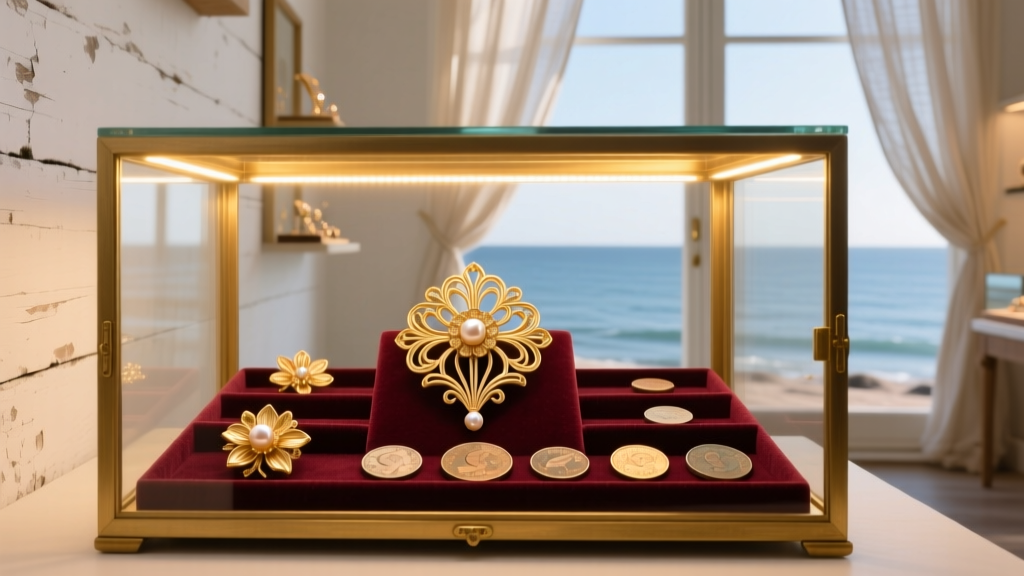
Maximizing Value on Estate and Signed Pieces
If you are liquidating an estate, never accept a melt offer on the first visit. Take the time to research the hallmarks stamped inside the shanks of rings or on the clasps of necklaces. A stamp that reads "750" alongside a microscopic maker's mark could indicate a piece by a renowned mid-century Italian goldsmith like Marino G. or a luxury house like Bulgari. According to the Gemological Institute of America (GIA), provenance and brand recognition can elevate a piece from a $400 scrap valuation to a $4,000 estate retail acquisition.
Furthermore, gemstones must be evaluated separately. While many cash-for-gold shops will deduct the weight of the stones or offer to destroy the setting to extract them, an estate buyer will appraise high-quality diamonds, sapphires, and rubies based on the 4Cs. If your jewelry contains melee diamonds (under 0.10 carats), they generally hold negligible resale value, but center stones over 0.50 carats with VS clarity and G color should be itemized separately on your buy receipt.
Red Flags and Consumer Protection Tactics
The secondary gold market is unfortunately rife with predatory practices. The Federal Trade Commission (FTC) explicitly warns consumers about bait-and-switch tactics and deceptive weighing practices. When visiting any gold buyer in Oceanside or San Diego, watch for these critical red flags:
- Scale Tampering: Always ensure the digital scale is zeroed out before your items are placed on it. The scale should be visible to you and ideally certified by the local Department of Weights and Measures.
- The "Melt on Site" Illusion: Some buyers claim they will melt your jewelry in front of you to "prove" its purity. This is a common tactic to pressure you into a quick sale and destroy the estate value of the piece before you have agreed to a price.
- Hidden Refining Fees: Reputable buyers quote a final, net payout. Beware of buyers who offer 95% of spot but later deduct arbitrary "refining," "assay," or "processing" fees from your final check.
Final Verdict: Strategizing Your 2026 Gold Sale
Whether you ultimately choose the convenience of a local Oceanside coin dealer for your scrap gold or make the drive to a premium estate buyer like Leo Hamel for your vintage treasures, knowledge is your greatest leverage. By understanding troy weight conversions, demanding non-destructive XRF testing, and identifying the hallmarks that separate scrap from collectible art, you ensure that your precious metals are valued accurately in today's competitive market. Always secure multiple appraisals, request itemized receipts, and never feel pressured to sign over your gold until the math aligns perfectly with the daily spot index.


