Replating Gold Jewelry: 2026 Style Trends and Costs
Discover the 2026 trends, costs, and technical realities of replating gold jewelry. Learn about micron thickness, vermeil standards, and when to restore.


The 2026 Renaissance of Restored Gold
In the landscape of modern accessories, the conversation around sustainability and archival styling has fundamentally shifted how we approach our favorite pieces. As we navigate the style currents of 2026, replating gold jewelry has emerged not merely as a repair service, but as a deliberate style choice. The era of discarding faded fashion jewelry is over. Today's collectors and style enthusiasts are embracing circular fashion, taking inherited brass, sterling silver, or worn vintage pieces and giving them new life through advanced electroplating techniques.
The 'quiet luxury' movement has evolved into what trend forecasters are calling 'archival permanence'—the desire to own fewer, higher-quality items that can be visually transformed over time. Replating gold jewelry allows wearers to adapt their vintage silver finds into warm yellow gold or romantic rose gold statements without purchasing newly mined materials. However, navigating the technical realities of gold baths, micron thicknesses, and adhesion barriers requires a discerning eye. This guide breaks down the exact science, current costs, and style implications of restoring your gold-dipped treasures.
The Technical Reality: Microns, Alloys, and Flash Plating
When you hand a piece over for restoration, the longevity of the finish depends entirely on the thickness of the gold layer, measured in microns (µm). The jewelry industry is rife with misleading terminology, making it crucial to understand what you are actually paying for. According to the FTC Jewelry Guides, specific thresholds must be met before a piece can be legally marketed with certain gold-plated designations.
Understanding Plating Thickness Standards
- Flash Plating (Under 0.175µm): Often found in fast fashion, this microscopic layer provides immediate color but wears through to the base metal within weeks of daily friction.
- Standard Gold Electroplate (0.5µm - 1.0µm): The baseline for respectable demi-fine jewelry. It offers a rich color and can withstand 1 to 2 years of careful, occasional wear.
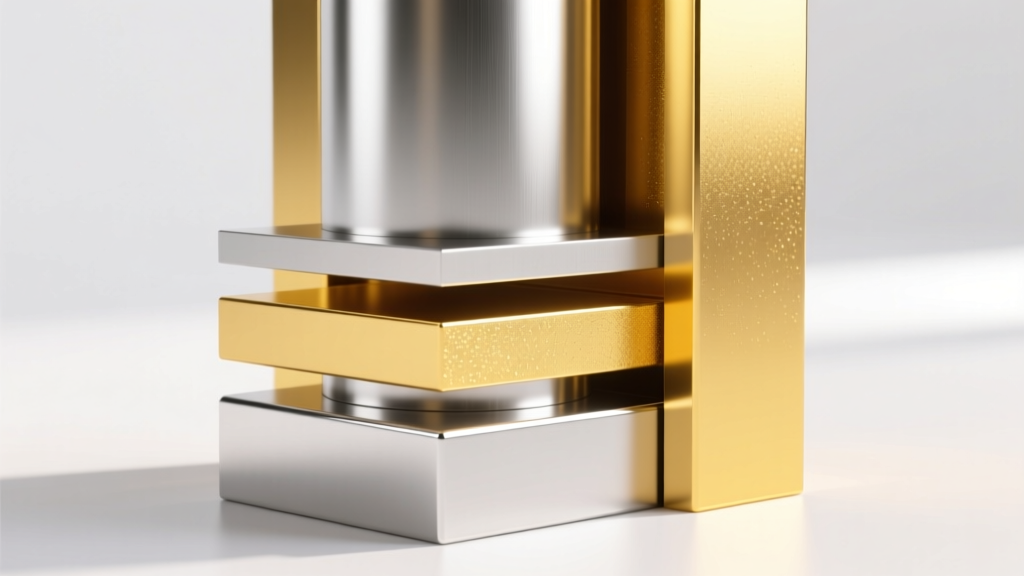
- Heavy Gold Electroplate (HGE) & Vermeil (2.5µm+): The gold standard for longevity. Vermeil specifically requires a sterling silver base and a minimum of 2.5 microns of gold (usually 14k or higher). This thickness allows for light polishing without stripping the gold layer entirely.
The Crucial Role of the Strike Layer
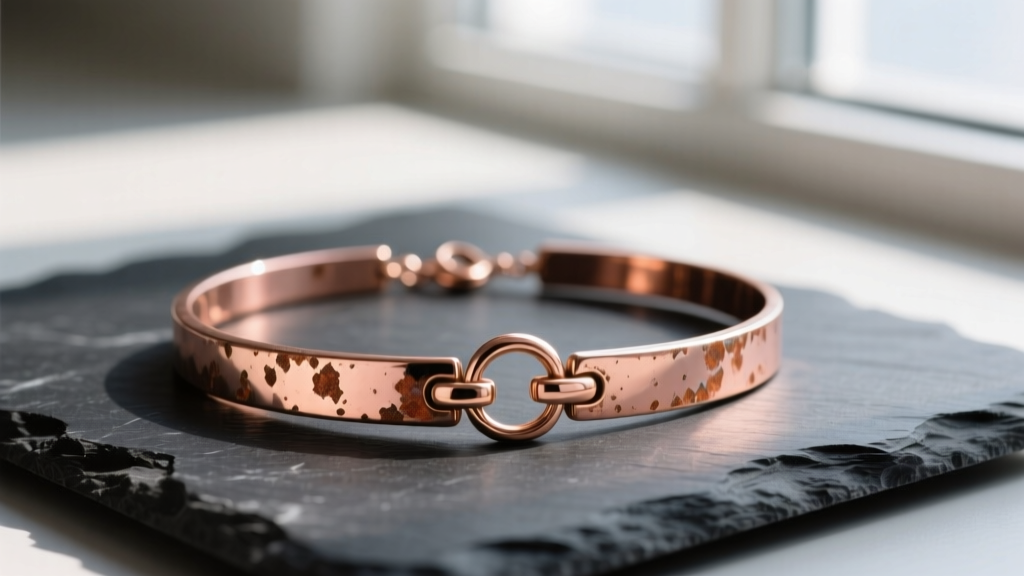
A common failure point in amateur replating jobs is skipping the barrier layer. If you are replating gold jewelry over copper or brass, a 'strike' layer of nickel or palladium must be applied first. Without this barrier, the copper atoms will eventually migrate through the porous gold layer—a phenomenon known as 'copper bleed'—resulting in a dull, pinkish tarnish on the surface of your jewelry within months.
Material Comparison: What Base Metal Are You Plating?
Not all base metals accept gold plating equally. The metallurgical properties of your original piece will dictate the prep work required and the final visual outcome. The Gemological Institute of America (GIA) notes that surface porosity and alloy composition heavily influence electrochemical adhesion.
| Base Metal | Prep Required | Adhesion Quality | Best For |
|---|---|---|---|
| Sterling Silver | Light polishing, ultrasonic clean | Excellent | High-end Vermeil, heirloom restoration |
| Brass / Bronze | Palladium strike layer mandatory | Good (with barrier) | Vintage fashion jewelry, bold cuffs |
| Stainless Steel | Acid etching, specialized baths | Fair to Poor | Not recommended; high failure rate |
| Pewter / Zinc Alloys | Copper underplate, then nickel | Poor | Temporary costume pieces only |
Cost Breakdown: What You Will Actually Pay in 2026
The cost of replating gold jewelry has seen a moderate increase this year, driven by the rising spot price of gold and the specialized labor required for proper surface preparation. A reputable master plater will not simply dip a dirty ring into a bath; they will strip old plating, solder micro-fractures, polish out scratches, and apply the necessary barrier layers.
Estimated Pricing by Jewelry Type
- Simple Bands & Signet Rings ($45 - $85): Small surface area, easy to polish and mask. Pricing increases if the ring features porous gemstones (like turquoise or opals) that must be carefully protected from harsh chemical baths.
- Stud Earrings & Small Pendants ($35 - $60): Generally the most cost-effective items to restore, assuming the posts and friction backs are intact.
- Curb Chains & Link Bracelets ($90 - $180): Chains require immense surface area coverage and are prone to trapping polishing compounds in the links. The labor involved in ultrasonic cleaning and ensuring even electrical current distribution drives up the price.
- Large Cuffs & Statement Pieces ($200 - $350+): These require large vats, significant gold anode usage, and extensive hand-polishing to remove deep scratches before the plating process begins.
When Replating Fails: Troubleshooting Common Issues
Even with a skilled technician, the process of replating gold jewelry can sometimes yield frustrating results if the underlying metallurgy is flawed. Understanding these failure modes will help you manage expectations and identify quality work.
Outgassing and Blistering
If your jewelry was originally cast using cheap zinc alloys or low-grade brass, microscopic gas pockets can become trapped inside the metal. When the piece is subjected to the heat of polishing or the chemical baths of electroplating, these gases expand and push outward, causing the new gold layer to blister or peel off in tiny flakes. There is no permanent fix for outgassing; the piece must be cast in a higher-quality alloy.
Allergic Reactions to the Underplate
To save money, some commercial plating facilities use nickel as a barrier layer between brass and gold. While nickel provides a brilliant, hard surface for the gold to adhere to, it is a common contact allergen. If you have sensitive skin, always explicitly request a 'nickel-free' or 'palladium strike' barrier layer when commissioning a replating job.
The Verdict: Is Replating Worth the Investment?
From a purely financial standpoint, replating a $20 brass fast-fashion ring for $50 makes little sense. However, the value proposition shifts dramatically when dealing with sentimental heirlooms, discontinued designer pieces, or high-quality sterling silver foundations. In 2026, the ultimate flex in jewelry styling is not necessarily buying something brand new, but possessing the knowledge to resurrect and transform archival pieces.
'The most sustainable piece of jewelry is the one you already own. Replating allows us to honor the craftsmanship of vintage silhouettes while updating the metal palette to suit contemporary wardrobes.' — Master Jeweler & Archival Restorer
By understanding micron thicknesses, insisting on proper barrier layers, and choosing the right base metals, replating gold jewelry becomes a powerful tool in your style arsenal. It bridges the gap between vintage charm and modern luxury, ensuring your favorite pieces continue to catch the light for decades to come.


