The Science of Rose Gold Jewelry: Alloy Properties & Karat Guide
Explore the metallurgy of rose gold jewelry. Compare 14k vs 18k copper alloys, Vickers hardness, hypoallergenic properties, and long-term patina care.

The Metallurgy of Rose Gold: Beyond the Aesthetic
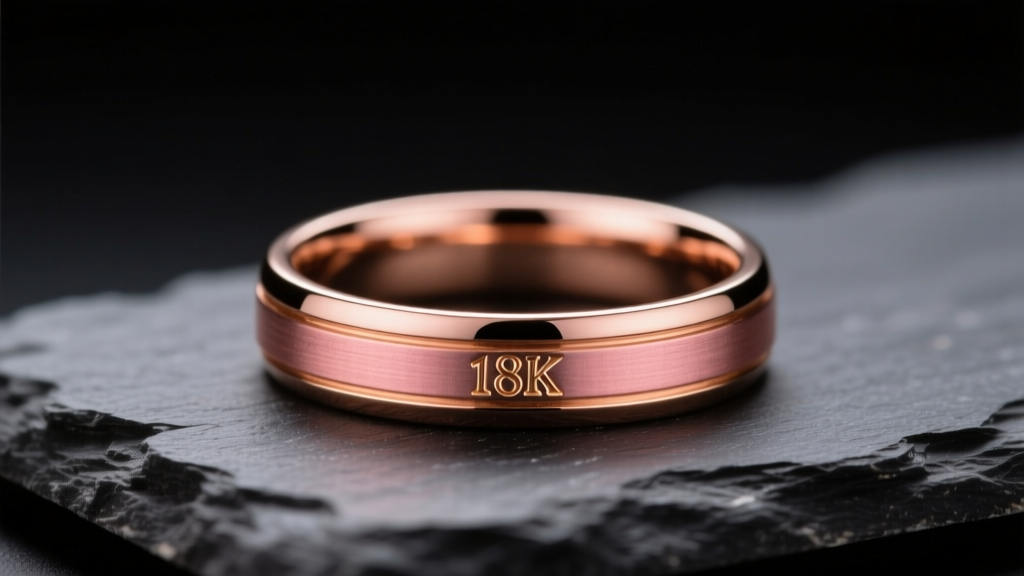
While often celebrated for its romantic, vintage-inspired hue, rose gold jewelry is fundamentally a triumph of metallurgical engineering. Unlike pure gold, which is inherently yellow and too soft for daily wear, rose gold is an alloy—a precise mixture of pure gold and base metals. The signature blush tone is achieved exclusively through the addition of copper, with silver or zinc occasionally introduced to modulate the color and improve the alloy's casting properties.
The exact ratio of these metals dictates not only the color but also the tensile strength, melting point, and long-term durability of the piece. According to the Gemological Institute of America (GIA), the manipulation of copper content allows jewelers to create a spectrum of pink-hued alloys, ranging from a subtle, silvery-pink to a deep, reddish-copper. Understanding these material properties is essential for selecting rose gold jewelry that aligns with your lifestyle, skin chemistry, and aesthetic preferences.
The Myth of 24k Rose Gold
A common misconception among consumers is the existence of 24k (pure) rose gold. By definition, 24k gold is 99.9% pure gold, leaving virtually no room for alloying metals. Because copper is the sole element responsible for the pink/red coloration, pure rose gold is a physical impossibility. The highest karat of rose gold you will find in fine jewelry is 22k, which contains 91.6% gold and 8.4% copper. However, 22k rose gold is exceptionally soft, prone to scratching, and rarely used for gemstone settings. The fine jewelry industry relies almost exclusively on 18k and 14k formulations to balance color richness with structural integrity.
14k vs. 18k Rose Gold: A Compositional Breakdown
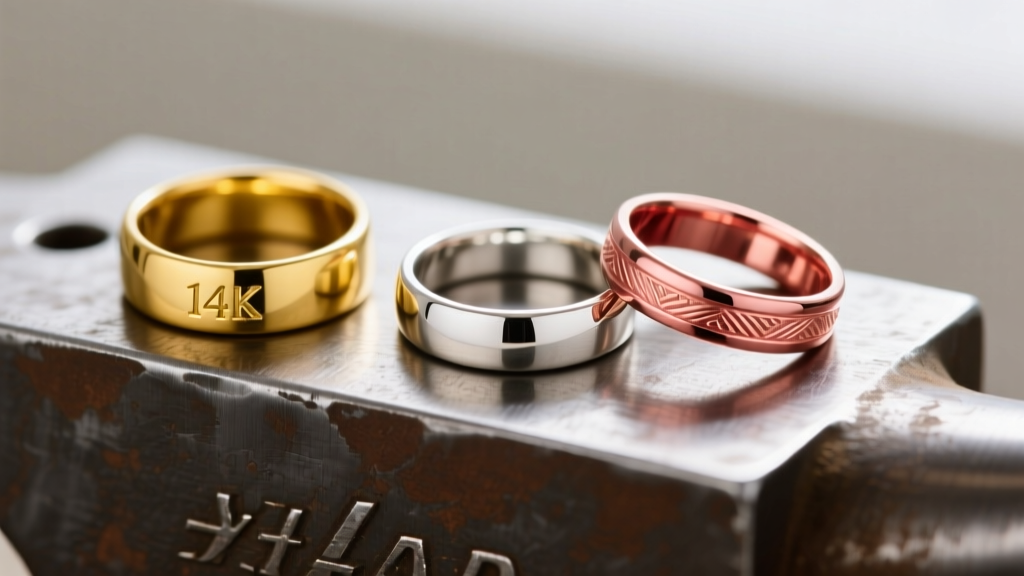
The distinction between 14k and 18k rose gold goes far beyond price; it fundamentally alters the metal's behavior, color depth, and oxidation rate. Below is a detailed metallurgical comparison of the two most common standards used in luxury and commercial jewelry.
| Property | 18k Rose Gold | 14k Rose Gold | 10k Rose Gold (Commercial) |
|---|---|---|---|
| Pure Gold Content | 75.0% | 58.3% | 41.7% |
| Copper Content | ~22.25% | ~31.0% to 41.7% | ~45.0% to 50.0% |
| Silver/Zinc Content | ~2.75% | ~0% to 10.7% | ~8.0% to 13.0% |
| Color Profile | Soft, peachy-pink blush | Warm, pronounced rosy-red | Deep, dark copper-red |
| Vickers Hardness (HV) | ~120 - 135 HV | ~135 - 150 HV | ~150 - 165 HV |
| Primary Use Case | High-end luxury, bezel settings | Engagement rings, prong settings | Fashion jewelry, heavy chains |
As noted by the World Gold Council, the higher copper content in 14k rose gold not only deepens the red hue but also significantly increases the alloy's yield strength. This makes 14k the superior choice for intricate pavé settings and delicate prongs that must withstand decades of mechanical stress.
Durability and Tensile Strength: Why Copper Matters
When evaluating gold alloys for daily wear, jewelers look at the Vickers hardness scale (HV) and tensile strength. Pure 24k gold has a Vickers hardness of roughly 25 HV, making it malleable enough to bend with bare hands. By introducing copper, the crystalline lattice of the gold is disrupted, creating a much harder, more resilient metal.
Prong Security and Gemstone Protection
Copper is a remarkably strong transition metal. An 18k yellow gold alloy (mixed with silver and zinc) typically measures around 120 HV. In contrast, a well-formulated 14k rose gold alloy can exceed 145 HV. This extra hardness translates directly to prong security. If you are setting a high-value diamond or a fragile gemstone like an emerald, 14k rose gold prongs will resist bending, snagging, and wear-and-tear far better than their 18k yellow gold counterparts. Furthermore, unlike white gold, which requires periodic rhodium plating to mask its naturally yellowish-gray undertone, rose gold is solid in color throughout; a scratch on a rose gold ring reveals the exact same pink metal beneath the surface.
Hypoallergenic Properties and Skin Chemistry
One of the most critical material properties of rose gold jewelry is its interaction with human skin chemistry. Contact dermatitis from jewelry is overwhelmingly caused by nickel, a cheap, hardening agent frequently used in lower-grade white gold and some yellow gold alloys.
Copper, the primary alloying metal in rose gold, is inherently hypoallergenic. High-quality 18k and 14k rose gold formulations rely entirely on the gold-copper-silver triad, making them exceptionally safe for sensitive skin. However, buyers must exercise caution with mass-produced 10k rose gold. To cut costs, some commercial manufacturers introduce zinc or trace amounts of nickel into 10k alloys to improve castability. If you have a known nickel allergy, always request a metallurgical breakdown or X-ray fluorescence (XRF) test from the jeweler before purchasing lower-karat rose gold pieces.
Patina, Oxidation, and Long-Term Care
Because copper is a reactive metal, rose gold jewelry interacts with its environment over time. When exposed to oxygen, moisture, and the natural acids in human skin, the copper in the alloy undergoes a slow oxidation process. Unlike silver, which tarnishes black, oxidized copper develops a rich, darkened patina that gives vintage rose gold its highly sought-after antique warmth.
Maintenance Framework for Rose Gold
To manage the oxidation rate and maintain the structural brilliance of your rose gold jewelry, follow these material-specific care protocols:
- Avoid Chlorides: Copper is highly susceptible to corrosion from chlorine. Never wear rose gold jewelry in swimming pools or hot tubs; chlorinated water can cause microscopic pitting and permanent surface degradation.
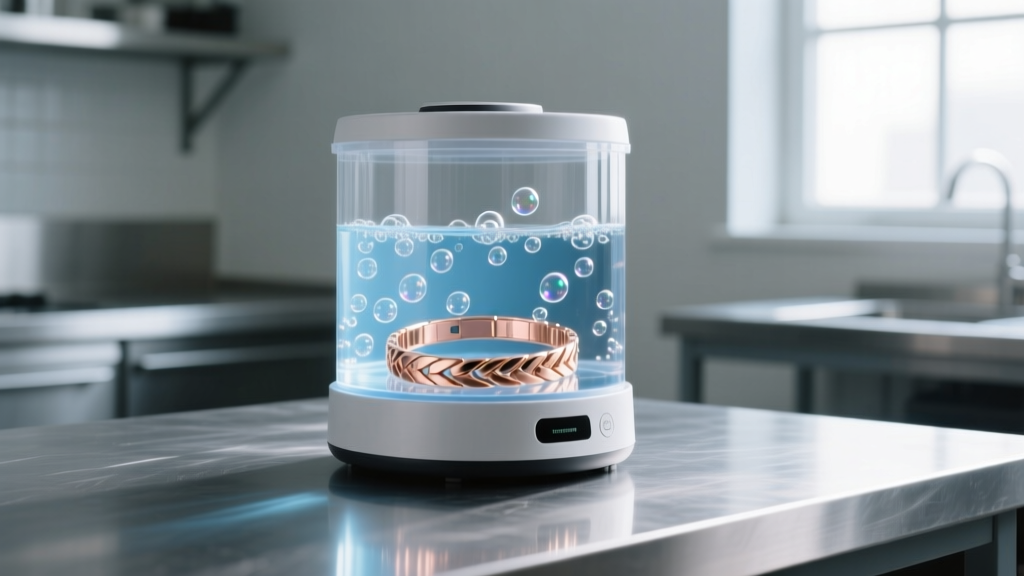
- Controlled Patina Removal: If you prefer the bright, original pink luster over the darkened vintage patina, clean the piece using a solution of warm water and a few drops of mild, phosphate-free dish soap. Use a baby-soft toothbrush to gently agitate the surface.
- Ultrasonic Caution: While plain rose gold bands and chains are perfectly safe in ultrasonic cleaners, the high-frequency vibrations can loosen gemstones if the prongs have experienced mechanical fatigue. Always have prongs inspected before ultrasonic cleaning.
- Polishing Limits: Because the color is uniform throughout, polishing rose gold is safe. However, excessive mechanical polishing will remove metal mass over time. Limit professional polishing to once every 3 to 5 years.
"The beauty of a high-copper rose gold alloy lies in its structural honesty. It doesn't hide behind rhodium plating or surface treatments. The color you see on day one is the color that will endure for a century, evolving only in its depth and luster." — Master Bench Jeweler & Metallurgist
Final Verdict: Selecting Your Alloy
Choosing the right rose gold jewelry requires balancing your aesthetic desires with the physical realities of the alloy. If you prioritize a soft, luxurious peach tone and are willing to accept slightly lower scratch resistance, 18k rose gold is the hallmark of high-end luxury. If you require a durable, low-maintenance metal for an active lifestyle, an engagement ring, or a piece with intricate diamond pavé, the higher copper content and superior Vickers hardness of 14k rose gold make it the undisputed champion of functional fine jewelry.