How Do You Sell Gold Jewelry? 2026 Trend Analysis
Discover how to sell gold jewelry in 2026 by leveraging top style trends, from chunky 14k signet rings to mixed-metal layering.

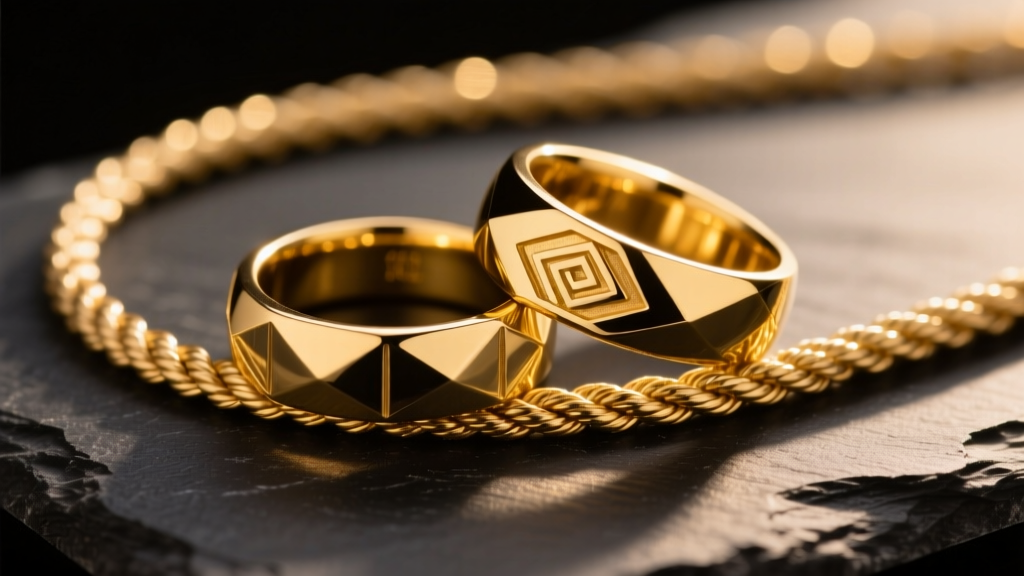
The landscape of fine jewelry retail has undergone a seismic shift over the last twenty-four months. When emerging brands, vintage curators, and independent designers ask, "how do you sell gold jewelry" in an era of record-high spot prices and hyper-niche aesthetics, the answer no longer lies in simple commodity trading. In 2026, consumers are not just buying metal; they are buying into highly specific style narratives, tactile experiences, and sustainable sourcing stories. To move inventory effectively today, sellers must bridge the gap between intrinsic melt value and contemporary design trends.
According to the World Gold Council, jewelry demand remains resilient despite fluctuating economic indicators, largely driven by a younger demographic viewing gold as both a wearable aesthetic and a tangible store of value. However, the styles that convert browsers into buyers have evolved dramatically. This comprehensive trend analysis breaks down exactly what is selling, how to price it, and the merchandising strategies required to capture the modern gold buyer.
The 2026 Gold Jewelry Market: Aesthetic Shifts & Buyer Psychology
The minimalist, ultra-dainty trends that dominated the late 2010s and early 2020s have officially given way to 'Textured Maximalism' and 'Organic Brutalism.' Buyers are gravitating toward pieces that feel substantial, historically grounded, and visually imperfect. Hammered finishes, raw gold nugget aesthetics, and heavy, asymmetric silhouettes are outperforming highly polished, machine-perfect designs.
Furthermore, the psychology of the buyer has shifted toward 'investment dressing.' As noted in recent accessory market reports by McKinsey & Company, consumers are increasingly willing to pay a premium for 14k and 18k solid gold over heavily plated alternatives, provided the design offers a distinct point of view. They want heirloom-quality pieces that can withstand daily wear, which brings the Vickers hardness and alloy composition of the gold into sharp focus. Understanding that 14k gold (58.5% pure gold) offers superior scratch resistance compared to 18k (75% pure gold) allows savvy sellers to market the durability of their pieces to active, everyday wearers.
Top-Selling Gold Categories: What Moves Inventory Fast?
To successfully navigate the current market, your inventory must reflect the silhouettes that are currently dominating social feeds and editorial spreads. Here are the highest-converting gold categories in 2026.
The Resurgence of Heavy 14k Yellow Gold Signets
The signet ring has transcended its traditional menswear roots to become a unisex staple. However, the 2026 iteration is decidedly chunkier. We are seeing the highest conversion rates on solid 14k yellow gold signets weighing between 8 and 14 grams, featuring flat or slightly domed faces with hand-engraved or laser-etched personalization. The key selling point here is the 'heft'—consumers associate physical weight with luxury and permanence. Marketing these rings with a focus on their solid construction (avoiding hollowed-out under-bezels) justifies the higher price point driven by current gold spot markets.
Mixed-Metal & Two-Tone Layering Pieces
The rigid rules of wearing only one metal color are entirely obsolete. Two-tone chains and mixed-metal stacking rings are among the fastest-moving SKUs for independent jewelers. By combining 14k yellow gold with 14k white gold or palladium-based white gold alloys in a single piece—such as a 3mm to 5mm Cuban link chain with an oversized OT toggle clasp—designers offer the illusion of a curated, layered look in a single, easy-to-wear garment.

Pricing Strategies: Navigating the 2026 Gold Spot Market
With the spot price of gold stabilizing at premium tiers, the traditional keystone pricing model (simply doubling the manufacturing cost) is often insufficient for trend-driven pieces, yet too aggressive for basic commodity chains. Successful sellers in 2026 are utilizing a 'Value-Based Matrix' that prices items based on their trend relevance and craftsmanship rather than just melt weight.
| Jewelry Category | Primary Material | Avg. Weight / Spec | Trend Multiplier | Target Retail Margin |
|---|---|---|---|---|
| Chunky Signet Rings | Solid 14k Yellow | 8g - 14g | High (Personalization) | 55% - 65% |
| Paperclip Chains | Solid 14k / 18k | 1.5mm - 2.5mm width | Medium (Staple) | 40% - 50% |
| Raw Nugget Earrings | Recycled 18k/22k | 3g - 6g (per pair) | Very High (Niche Art) | 70% - 85% |
| Two-Tone Curb Chains | 14k Yellow & White | 4mm - 6mm width | High (Trend-Driven) | 60% - 70% |
As highlighted by industry analysts at JCK Online, transparency is a massive selling tool. Providing customers with a breakdown of the gold weight, the current spot price influence, and the artisan labor cost builds immense trust and justifies the retail price of high-end trend pieces.
Visual Merchandising & Styling for Maximum Conversion
How you present gold jewelry is just as critical as the pieces themselves. The 'velvet bust' era of jewelry merchandising is dead. In 2026, visual styling must evoke a lifestyle. For brick-and-mortar boutiques, this means utilizing organic, textured materials like raw travertine stone, smoked glass, and matte ceramics to display the jewelry. The contrast between the high-polish or hammered gold and the matte, earthy display materials makes the yellow tones pop dramatically under warm (3000K) directional lighting.
'Consumers are suffering from digital fatigue. When they interact with gold jewelry, whether in-store or through high-fidelity macro photography online, they want to see the texture, the porosity of the casting, and the reality of the metal. Perfection feels mass-produced; texture feels exclusive.' — Independent Jewelry Merchandising Report, 2025.
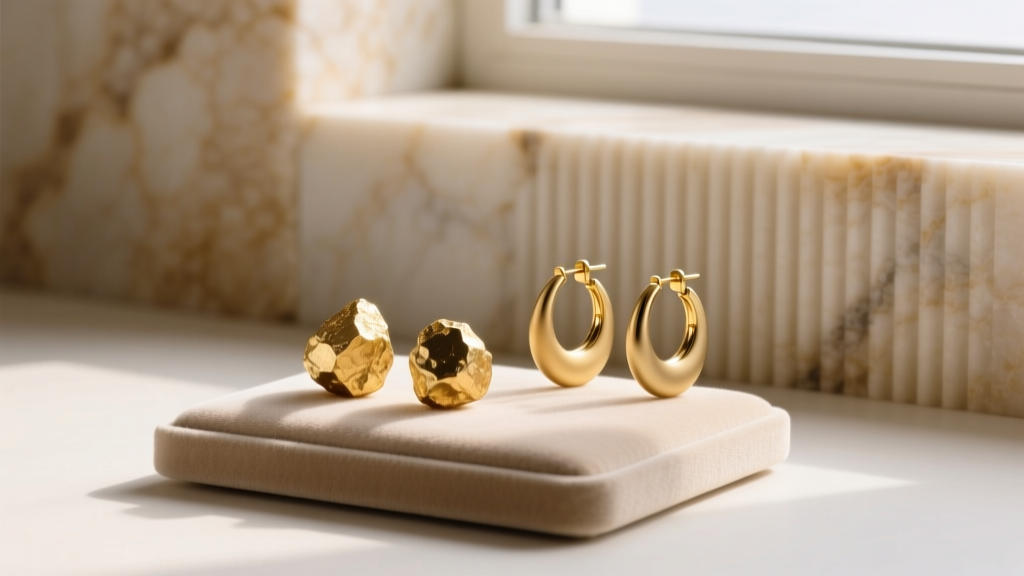
For digital merchandising, macro-video content is non-negotiable. Showing how a 2mm hammered gold band catches the light while being worn, or demonstrating the satisfying 'click' of a high-quality 14k lobster clasp on a heavy chain, addresses the tactile concerns of online buyers and significantly reduces return rates.
Digital vs. Brick-and-Mortar: Where the Trends Actually Convert
The channel through which you sell gold jewelry should dictate your inventory mix. Data from the past year indicates a clear bifurcation in buyer behavior across platforms:
- TikTok Shop & Instagram Reels: These platforms heavily favor visually distinct, trend-forward pieces under the $800 mark. Gold-filled jewelry (which must contain at least 1/20th of its weight in 12k or 14k gold) and heavy gold vermeil (a minimum of 2.5 microns of gold over sterling silver) perform exceptionally well here, as the visual impact is high while the barrier to entry remains low.
- Direct-to-Consumer (DTC) Websites: This is where your core solid 14k and 18k collections live. Buyers here are looking for detailed specifications, sustainability reports, and lifetime warranties. Conversion relies heavily on high-resolution imagery, precise millimeter sizing guides, and customer reviews featuring user-generated photos.
- Physical Boutiques & Pop-Ups: High-ticket items, such as 22k gold investment pieces or custom-engraved heavy signets, see their highest conversion rates in person. The ability to feel the weight of a 15-gram gold bangle and try on different hoop diameters (e.g., 15mm vs. 25mm) against the jawline is an experience digital channels cannot yet replicate.
Actionable Takeaways for Independent Jewelers
Ultimately, figuring out how do you sell gold jewelry in the current climate requires a pivot from selling 'commodities' to selling 'curated armor.' Focus your capital on stocking heavy, textured 14k yellow gold pieces that offer unisex appeal. Ensure your pricing strategy accounts for the aesthetic value of the design, not just the scrap weight of the metal. Finally, invest heavily in macro-photography and organic, lifestyle-driven merchandising that highlights the unique, imperfect beauty of modern gold craftsmanship. By aligning your inventory with these 2026 style realities, you position your brand not just as a vendor of metal, but as an essential destination for contemporary style.


