How Do I Sell Gold Jewelry? 2026 Trend & Value Guide
Discover how to sell gold jewelry for maximum value. Learn 2026 style trends, melt vs. resale premiums, and the best venues for 14k, 18k, and 24k pieces.

The 2026 Gold Resale Landscape: Melt Value vs. Style Premium
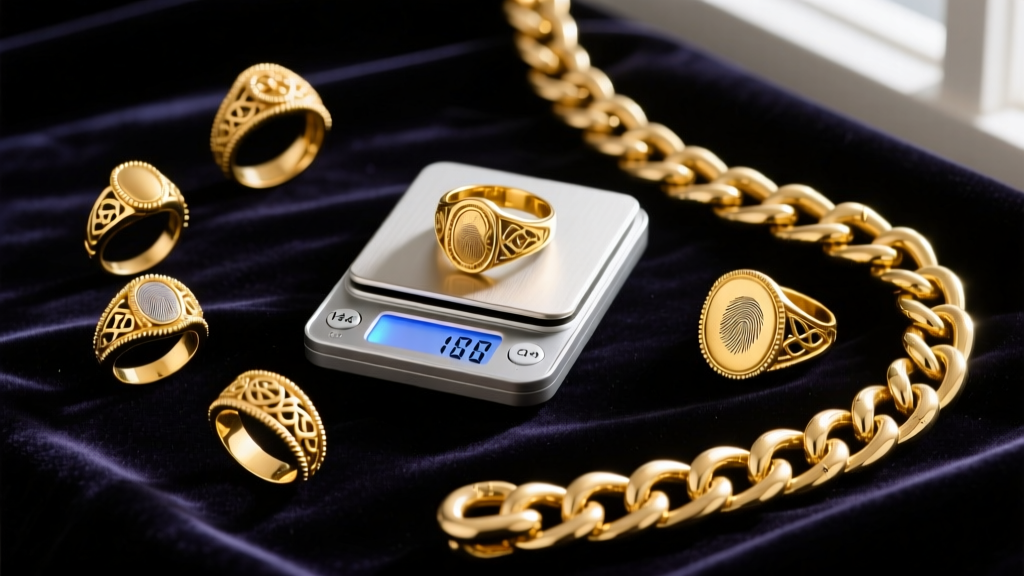
If you are wondering how do i sell gold jewelry for the highest possible return, you must first understand the current bifurcation of the secondary market. In 2026, the gold resale landscape is strictly divided into two categories: scrap melt value and aesthetic style premiums. With spot gold prices experiencing historic volatility and sustained highs, the baseline melt value of your pieces is higher than ever. However, treating every piece of gold as mere scrap metal is the most common—and costly—mistake sellers make.
According to market data tracked by Kitco, the spot price of gold dictates the baseline for broken, outdated, or lightweight jewelry. But pieces that align with current style trends—such as heavy vintage chain links, signed designer estate pieces, and minimalist 18k "quiet luxury" bangles—can command anywhere from 150% to 400% above their raw melt value. To maximize your payout, you need a strategic approach that evaluates both the metallurgical weight and the stylistic desirability of your collection.
Decoding Your Gold: Karats, Hallmarks, and Weight
Before approaching any buyer, you must accurately identify the purity of your gold. Purity is measured in karats (k), and most authentic pieces will feature a microscopic hallmark stamped near the clasp or inside the band. Understanding these hallmarks is critical for verifying buyer offers.
- 10k (417): Contains 41.7% pure gold. Highly durable but holds the lowest melt value. Common in vintage American class rings and budget chains.
- 14k (585): Contains 58.5% pure gold. The standard for US and European everyday jewelry. Offers the best balance of durability and intrinsic value.
- 18k (750): Contains 75.0% pure gold. The standard for high-end designer jewelry and luxury watches. Highly prized in the secondary market.
- 22k (916) & 24k (999): Contains 91.6% to 99.9% pure gold. Typically reserved for Middle Eastern, Indian, and East Asian bridal or investment jewelry. Usually sold strictly by weight with a small premium.
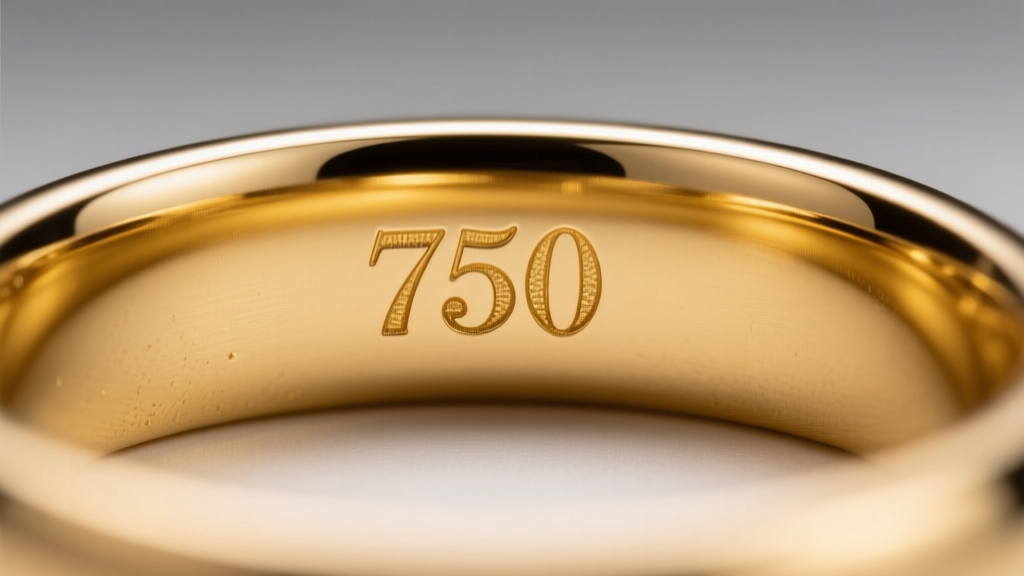
To calculate your baseline melt value, weigh your jewelry in grams using a digital jeweler's scale. Divide the weight by 31.1 (the number of grams in a troy ounce), multiply by the current spot price, and then multiply by the purity percentage. For example, a 10-gram 14k chain at a $2,100/oz spot price yields a raw melt value of approximately $395. Any offer significantly below this baseline for scrap gold is exploitative.
Trend Analysis: Which Gold Styles Command a Premium?
Not all gold is created equal in the eyes of collectors and consignors. The Gemological Institute of America (GIA) and estate jewelry appraisers note that specific stylistic categories consistently outperform the scrap market.
The "Quiet Luxury" and Archival Designer Boom
In 2026, the "quiet luxury" trend continues to drive massive demand for unbranded, heavy, high-polish 18k yellow gold pieces. Think solid gold signet rings, thick rope chains, and seamless bangles. If your pieces fit this aesthetic, sell them to estate jewelers or luxury consignment platforms rather than melting them. Furthermore, archival designer pieces from houses like Cartier (e.g., the Love bracelet or Juste un Clou), Tiffany & Co. (Elsa Peretti designs), and Bulgari retain immense brand equity. A vintage Cartier piece with original box and papers can sell for 300% above melt.
Heavy Chain Links and Maximalism
On the opposite end of the spectrum, the streetwear and maximalist trends have kept the demand for heavy 14k and 18k Cuban links, Figaro chains, and rope chains incredibly high. Buyers in urban centers and specialized online gold exchanges will pay a "wearable premium" for these chains because they can be immediately resold to a younger demographic without requiring any refurbishment.
Testing Authenticity: Protecting Yourself and Your Buyer
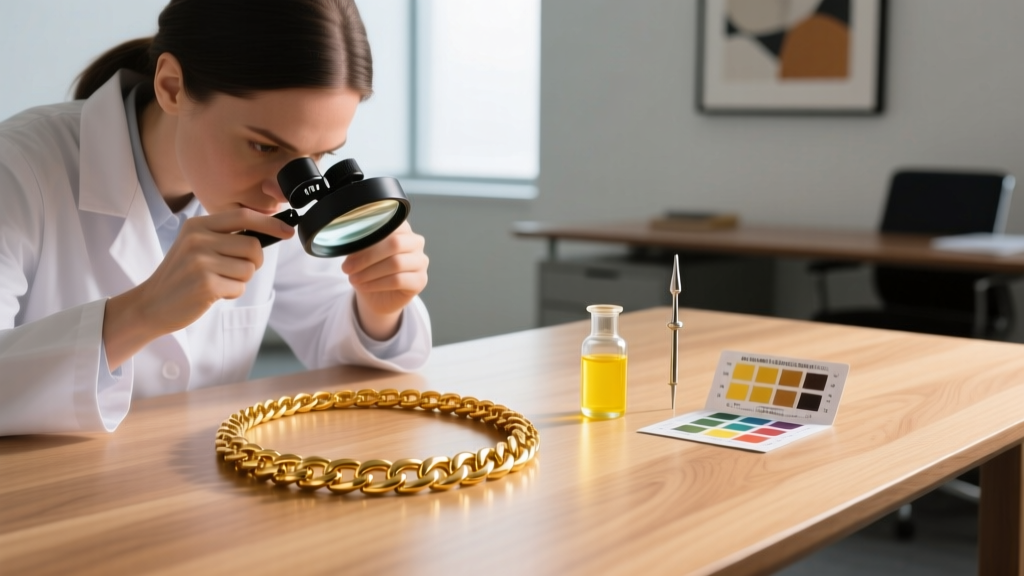
As gold prices have surged, so has the sophistication of counterfeit gold. Tungsten-filled gold chains and gold-plated brass have flooded the secondary market. Professional buyers will test your jewelry before making an offer, and understanding their methods helps you negotiate confidently.
While the traditional magnet test (real gold is not magnetic) and the ceramic streak test are common at-home methods, they are insufficient for high-value transactions. Reputable dealers use X-Ray Fluorescence (XRF) analyzers or electronic gold testers to verify surface and sub-surface purity without damaging the piece. If a buyer immediately resorts to a destructive acid test on a piece you believe has high aesthetic value, stop the transaction. Acid testing can mar the finish and reduce the resale premium of a vintage or designer item.
The Selling Venues: Where to Get the Best Payout
Choosing the right venue is the most critical decision in the selling process. Below is a comparative breakdown of where to sell your gold jewelry based on the type of pieces you own.
| Selling Venue | Estimated Payout | Best Suited For | Turnaround Time |
|---|---|---|---|
| Pawn Shops | 50% - 70% of Melt | Broken chains, scrap 10k/14k, immediate cash needs | Immediate |
| Local Coin & Bullion Dealers | 80% - 95% of Melt | Scrap gold, 22k/24k investment jewelry, plain bands | Immediate |
| Estate & Antique Jewelers | 100% - 250% of Melt | Vintage pieces, Art Deco, 18k+ high-purity jewelry | 1 - 3 Days |
| Online Consignment (e.g., The RealReal) | 50% - 80% of Retail | Signed designer pieces (Cartier, Tiffany, Van Cleef) | 30 - 90 Days |
| Specialized Auctions (e.g., Worthy) | Market Driven | Diamond-heavy gold jewelry, rare antique estate lots | 14 - 30 Days |
Step-by-Step Action Plan to Maximize Your Return
To ensure you extract every dollar of value from your gold jewelry, follow this systematic preparation checklist before contacting any buyers:
- Sort and Categorize: Separate your jewelry into three piles: Scrap (broken, heavily worn, missing stones), Wearable (good condition, no brand), and Designer/Vintage (branded, unique historical styles, excellent condition).
- Weigh and Document: Weigh the scrap and wearable piles separately on a gram scale. Take high-resolution, well-lit photos of any hallmarks, maker's marks, or designer stamps on the premium pile.
- Check the Daily Spot Price: Always check the live spot price of gold on the morning you intend to sell. Dealers base their offers on the daily market, and you need this number to calculate your minimum acceptable offer.
- Clean Gently (But Do Not Polish): Wash your jewelry in warm water with a few drops of mild dish soap to remove oils and dirt. Never use abrasive polishing cloths on vintage or estate pieces; removing the natural patina can actually decrease the value for antique collectors.
- Get Three Quotes: Take your scrap to a local coin dealer (avoid mall kiosks and pawn shops if possible). For designer pieces, get an in-person appraisal from an estate jeweler and compare it against an online consignment estimate.
Final Thoughts on the Gold Market
Ultimately, answering the question of how to sell gold jewelry profitably comes down to patience and education. The secondary market in 2026 rewards sellers who take the time to understand the intersection of metallurgical value and fashion trends. By accurately identifying your karats, recognizing the aesthetic premiums of current styles, and selecting the appropriate selling venue, you can transform an old jewelry box into a highly lucrative, strategically timed financial return.


