Should I Wear Silver or Gold Jewelry? A Metal Deep Dive
Deciding if you should wear silver or gold jewelry? Compare Vickers hardness, tarnish rates, and skin chemistry to choose the right metal.

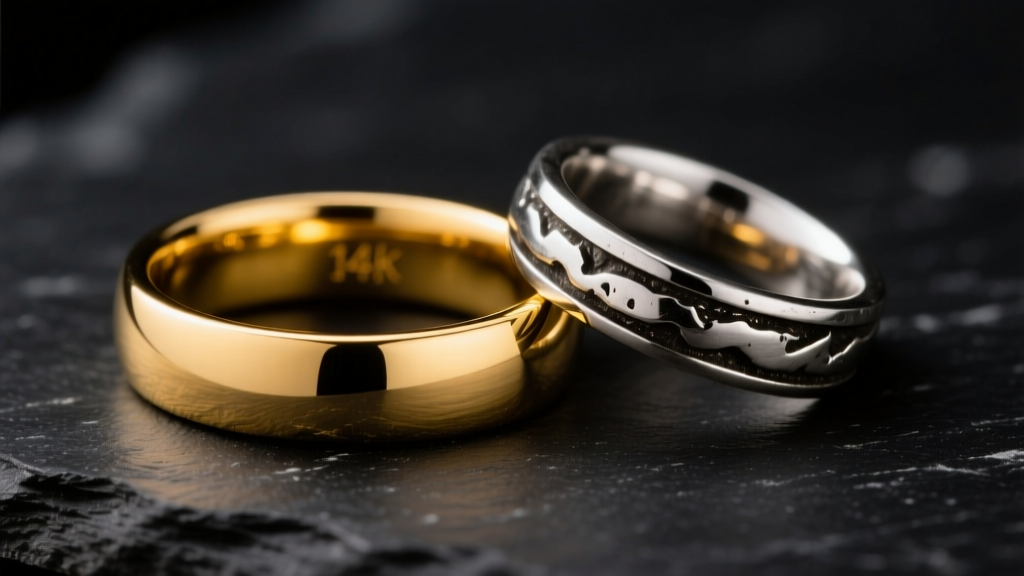
When consumers ask, "should i wear silver or gold jewelry," most style guides default to discussing skin undertones and seasonal color palettes. However, from the perspective of a bench jeweler and metallurgist, the decision extends far beyond aesthetics. It requires a rigorous examination of crystalline lattice structures, galvanic reactivity, Vickers hardness scales, and long-term tarnish kinetics. Whether you are selecting a daily wear engagement ring or an occasional statement piece, understanding the atomic behavior of these precious metals will dictate how your jewelry survives the real world.
The Alloy Reality: Pure Metals vs. Wearable Alloys
To make an informed decision, we must first dispel the myth of "pure" jewelry. Pure 24k gold (99.9% Au) and 999 fine silver (99.9% Ag) are exceptionally soft due to their highly symmetrical face-centered cubic (FCC) crystal lattices, which allow atomic planes to slide past one another with minimal force. Therefore, jewelry is crafted from alloys. According to the Gemological Institute of America (GIA), alloying introduces different atomic radii into the lattice, creating structural "roadblocks" that dramatically increase yield strength and hardness.
Sterling Silver (925): Composed of 92.5% silver and 7.5% copper. The copper provides the necessary tensile strength but introduces a critical vulnerability: oxidation and sulfide reactions.
14k Gold: Composed of 58.3% gold, with the remaining 41.7% typically consisting of copper, silver, and zinc. The zinc acts as a deoxidizer during the casting process, improving fluidity and reducing porosity in the final piece.
18k Gold: Composed of 75% gold. With less copper and zinc, 18k gold exhibits a richer color and higher hypoallergenic properties, but it sacrifices some mechanical hardness compared to 14k.
Vickers Hardness and Prong Security Data
The most critical factor in deciding between gold and silver for rings and stone-set jewelry is the Vickers Hardness (HV) scale. This measures a material's resistance to localized plastic deformation (scratching and prong wear).
| Metal / Alloy | State | Vickers Hardness (HV) | Prong Longevity Estimate |
|---|---|---|---|
| 925 Sterling Silver | Annealed (Soft) | ~65 HV | 1-3 Years (High Risk) |
| 925 Sterling Silver | Work-Hardened | ~120 HV | 3-7 Years (Moderate Risk) |
| 18k Yellow Gold | Cast | ~115 HV | 10-15 Years |
| 14k Yellow Gold | Cast | ~135 HV | 15-25 Years |
| 14k White Gold | Wrought/Hardened | ~160+ HV | 25+ Years (Low Risk) |
As the data illustrates, if you are setting a high-value diamond or sapphire, sterling silver is a metallurgical liability. The prongs will wear down, flatten, and eventually fail to retain the stone due to the metal's low abrasion resistance. For heirloom-quality stone settings, 14k or 18k gold is the mandatory choice.
Tarnish Kinetics and Skin Chemistry
Gold is a noble metal; it does not react with oxygen or moisture at standard temperatures. Silver, however, is highly reactive to sulfur. When sterling silver is exposed to trace amounts of hydrogen sulfide ($H_2S$) in the atmosphere—or sulfur compounds in human sweat, cosmetics, and rubber—it forms silver sulfide ($Ag_2S$), the black layer we recognize as tarnish. The Silver Institute notes that this reaction can occur even in environments with sulfur concentrations as low as parts-per-billion.
While pure gold will not tarnish, the copper alloyed into 10k and 14k gold can oxidize. If you frequently swim in chlorinated pools or use harsh cleaning chemicals, the chlorine can react with the copper and zinc in lower-karat gold, leading to a phenomenon called "dealloying" or surface pitting, which weakens the structural integrity of the jewelry over time.
Galvanic Corrosion: Wearing Them Together
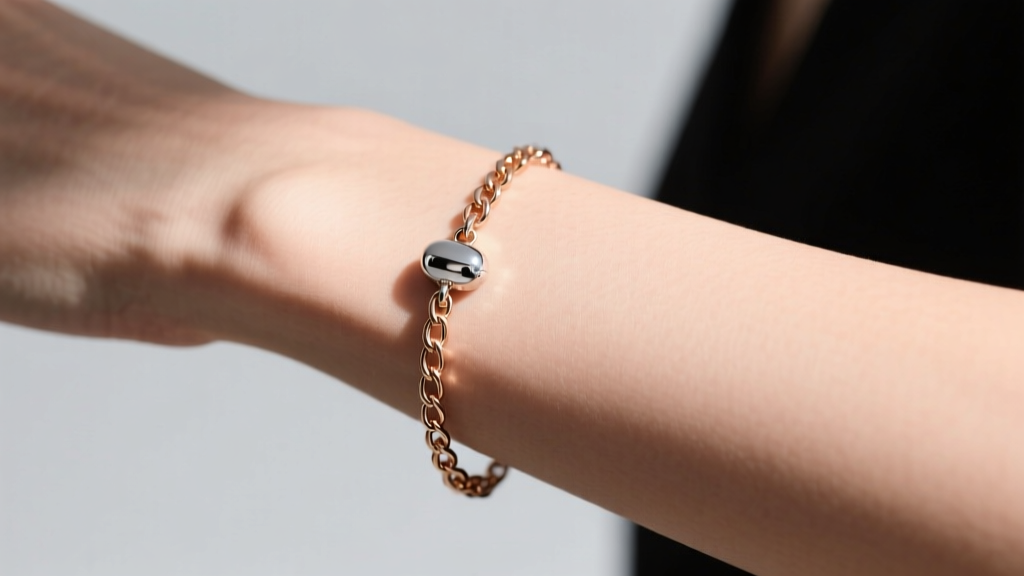
A common styling trend is layering silver and gold necklaces or stacking silver and gold rings. From an electrochemical standpoint, this requires caution. When two dissimilar metals are in physical contact in the presence of an electrolyte (like human sweat or high humidity), a galvanic cell is formed. Because silver is more anodic (less noble) than gold on the galvanic series, the silver will corrode at an accelerated rate where it touches the gold. While this degradation takes years to become visible to the naked eye, it results in micro-pitting on the silver pieces. If you choose to layer mixed metals, ensure they are separated by a non-conductive barrier, such as a leather cord or enamel coating.
The Expert Decision Matrix: Use-Case Scenarios
To definitively answer whether you should wear silver or gold jewelry, apply this technical decision framework based on your specific use-case:
- For Daily Wear Rings (Especially with Gemstones): Choose 14k or 18k Gold. The superior Vickers hardness ensures prongs will not flatten against desks and keyboards, and the metal will resist deep abrasion.
- For Heavy Chains and Pendants: Sterling Silver is highly viable. Pendants do not endure the same frictional wear as rings, and the cost-to-weight ratio of silver allows for substantial, heavy-gauge chains (e.g., 5mm+ Cuban links) without the exorbitant premium of solid gold.
- For Active Lifestyles and Gym Goers: Choose 14k Gold or Platinum. Avoid silver, as the sulfur in certain sports supplements, gym equipment rubber, and heavy sweat will cause rapid tarnishing. Furthermore, avoid 18k gold for weightlifting, as its lower yield strength makes it prone to bending under heavy barbell compression.
- For Sensitive Skin / Contact Dermatitis: Choose 18k Gold or higher. The higher gold content minimizes the presence of nickel and copper, which are the primary culprits behind allergic contact dermatitis in jewelry wearers.
Long-Term Value and Refining Realities
Finally, consider the end-of-life metallurgical value. Gold jewelry retains intrinsic melt value. A 14k gold chain can be refined and recast with minimal loss of the precious metal. Sterling silver, while historically valuable, currently carries a much lower spot price. The labor cost to refine and polish silver often outweighs its scrap value, meaning damaged silver jewelry is frequently discarded rather than repaired or recast. If you view your jewelry as a transferable asset or a multi-generational heirloom, gold remains the undisputed standard.
Ultimately, deciding if you should wear silver or gold jewelry comes down to matching the metal's physical properties to your lifestyle. Silver offers unmatched affordability and a brilliant luster for low-impact pieces, while gold provides the structural permanence and chemical stability required for lifelong, daily wear.


