Gold Hair Jewelry: Solid, Filled, and Plated Compared
Discover the best gold hair jewelry for your styling needs. We compare solid, filled, and plated gold for durability, tension resistance, and longevity.

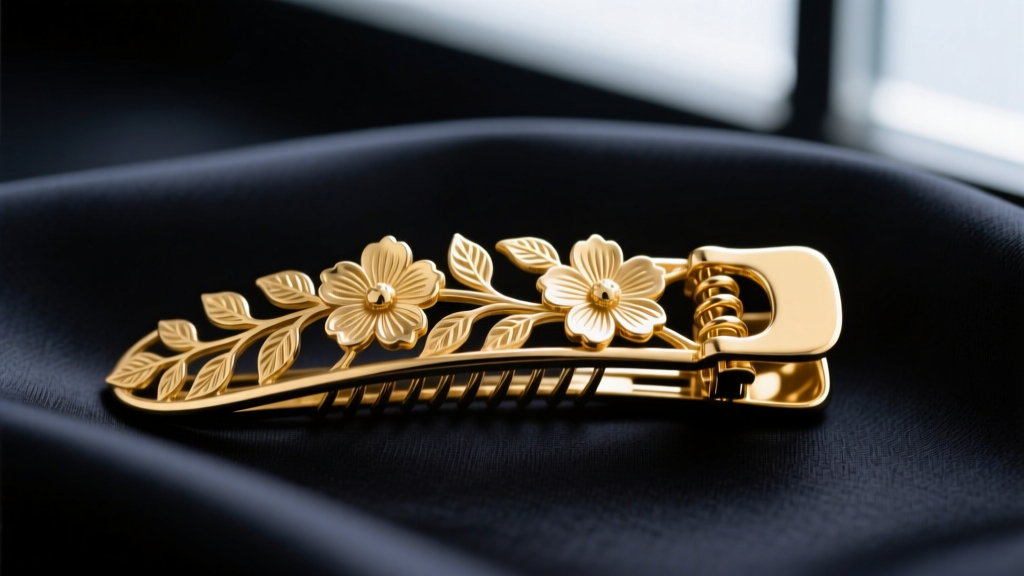
Unlike static jewelry such as pendants or stud earrings, gold hair jewelry operates under continuous mechanical load and harsh chemical exposure. Every time you slide a hair stick through a dense twist, snap a French barrette shut, or mist your style with aerosol hairspray, you subject the metal to friction, tensile stress, and solvent degradation. Choosing the right material is not merely an aesthetic decision; it is a structural necessity.
In this comprehensive guide, we analyze the material properties of solid gold, gold-filled, vermeil, and gold-plated alloys specifically through the lens of hair accessories. We will break down Vickers hardness ratings, mechanical failure modes, and chemical vulnerabilities to help you invest in pieces that survive daily styling.
The Mechanical and Chemical Demands of Hair Accessories
To understand why certain gold alloys fail in hair jewelry, we must first quantify the stressors they endure. Hair accessories face three primary threats:
- Tensile Stress and Spring Fatigue: Claw clips and French barrettes rely on tension to grip the hair. If the gold alloy is too soft (like 24k or high-karat 22k), the clasp will warp, and the spring mechanism will suffer from metal fatigue, losing its 'snap' within weeks.
- Frictional Micro-Abrasions: Hair sticks and slides are repeatedly dragged through cuticles. This friction acts like fine sandpaper, slowly stripping away microscopic layers of the metal's surface.
- Chemical Degradation: Modern styling products are hostile to base metals and thin platings. Dry shampoos contain starches and alcohols that act as micro-abrasives and solvents, while aerosol hairsprays contain propellants and polymers that create a sticky, acidic residue that accelerates tarnishing and plating delamination.
Solid Gold: 14k vs. 18k for Structural Integrity
When investing in heirloom-quality gold hair jewelry, solid gold is the benchmark. However, not all solid gold is created equal. The karat weight dictates the ratio of pure gold to alloy metals (copper, silver, zinc), which directly impacts the Vickers Hardness (HV) of the piece.
14k Solid Gold (58.5% Gold)
With a Vickers hardness rating typically between 140 and 160 HV, 14k gold is the undisputed champion for high-tension hair accessories. The higher copper and silver content provides the necessary rigidity for hair sticks that must pierce thick, heavy updos without bending. According to the Gemological Institute of America (GIA), the alloy composition in 14k gold offers superior wear resistance, making it ideal for the outer casings of French barrettes and the teeth of heavy-duty hair combs.
18k Solid Gold (75% Gold)
18k gold is noticeably softer, with a hardness rating around 120 to 130 HV. While it boasts a richer, warmer yellow hue, it is prone to scratching and warping under heavy loads. 18k gold is best reserved for decorative hair slides, delicate tiaras, or ornamental hair pins that secure lightweight sections of hair rather than bearing the full structural weight of an updo.
Expert Insight: True luxury French barrettes rarely use solid gold for the internal spring mechanism itself. Even 14k gold will eventually succumb to spring fatigue. High-end manufacturers use a tempered stainless steel spring encased in a seamless 14k gold sleeve to ensure the clasp maintains its tension for decades.
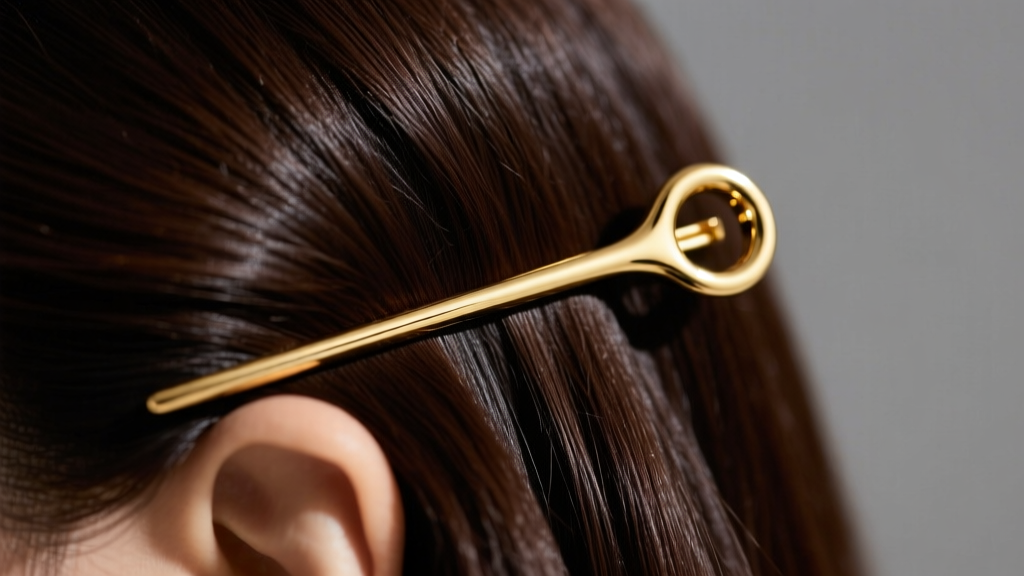
Gold Filled vs. Vermeil: The Mid-Tier Compromise
For those seeking the look and durability of solid gold without the prohibitive price tag, gold-filled and vermeil offer viable alternatives. However, their structural behaviors differ vastly when applied to hair jewelry.
Gold Filled (GF): The Friction Fighter
The Federal Trade Commission (FTC) strictly regulates the term 'gold filled.' To qualify, the solid gold layer (usually 12k or 14k) must constitute at least 1/20th (5%) of the total weight of the item and be mechanically bonded to a core metal, typically jeweler's brass, using extreme heat and pressure.
Because the gold layer in GF hair jewelry is hundreds of times thicker than standard plating, it is highly resistant to the frictional micro-abrasions caused by sliding in and out of the hair. A 14k gold-filled hair slide will easily withstand years of daily use before the brass core is ever exposed. Furthermore, the brass core provides excellent rigidity, preventing the hair stick or slide from bending under the weight of thick hair.
Gold Vermeil: The Hypoallergenic Alternative
Vermeil (pronounced ver-may) consists of a sterling silver base plated with at least 2.5 microns of solid gold (usually 14k or 18k). While it is an excellent choice for those with brass or nickel allergies, the sterling silver base is inherently softer than brass. If used for a long, thin hair stick, vermeil is more likely to bend or warp under heavy tension than its gold-filled counterpart. Vermeil is best utilized for shorter, thicker hair combs or decorative claw clips where the structural load is distributed across a wider surface area.
Gold Plated: The Vulnerability of Flash Plating
Standard gold-plated hair jewelry is created via electroplating, depositing a microscopic layer of gold (often less than 0.5 microns) over a base metal like brass, copper, or stainless steel. While highly affordable, gold-plated hair accessories are fundamentally unsuited for daily wear due to two critical failure modes:
- Frictional Stripping: The thin gold layer will wear away at the points of highest friction—typically the tip of a hair stick or the clasp of a barrette—within a matter of weeks, exposing the base metal which can then react with the natural oils in your scalp and cause discoloration.
- Solvent Degradation: The alcohol and chemical propellants in aerosol hairsprays can break down the chemical bond between the base metal and the gold plating. When combined with the starch in dry shampoo, which acts as an abrasive, the plating will flake and peel prematurely.
If you must purchase gold-plated hair jewelry, reserve it for occasional wear on styles that do not require heavy manipulation, and always apply your styling products before inserting the accessories.
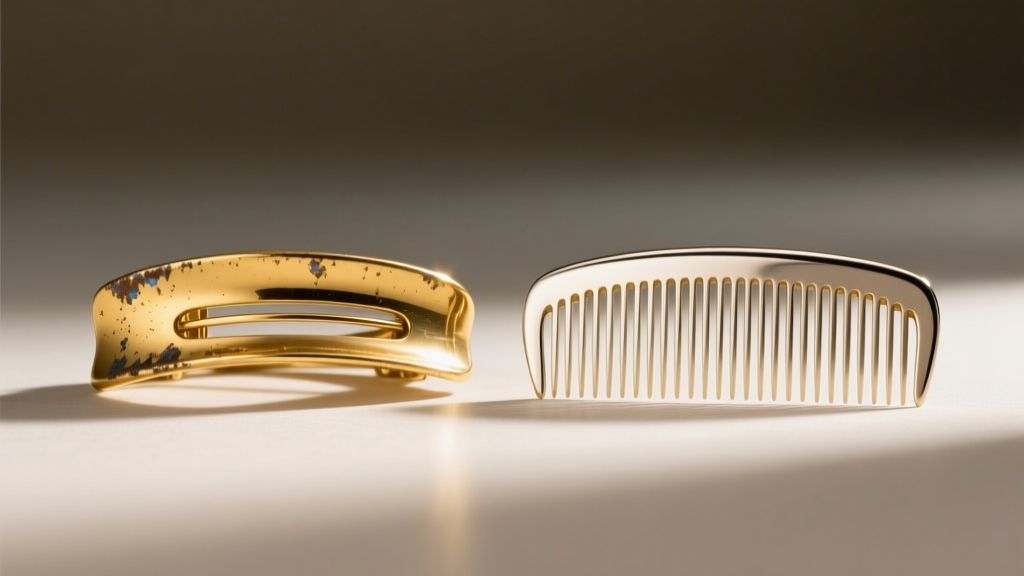
Comprehensive Material Comparison Matrix
| Material Type | Gold Layer Thickness | Core Metal | Best Use Case in Hair Jewelry | Friction Resistance | Approx. Price Range |
|---|---|---|---|---|---|
| 14k Solid Gold | 100% (Solid) | N/A (Alloyed) | Hair sticks, French barrettes, heavy clips | Excellent | $250 - $800+ |
| 18k Solid Gold | 100% (Solid) | N/A (Alloyed) | Decorative combs, lightweight pins | Good (Prone to scratching) | $350 - $1,000+ |
| 14k Gold Filled | ~5% of total weight | Jeweler's Brass | Hair slides, everyday claw clips | Very Good | $45 - $120 |
| Gold Vermeil | Min. 2.5 microns | Sterling Silver | Thick combs, hypoallergenic clips | Moderate | $60 - $150 |
| Gold Plated | < 0.5 microns | Brass / Steel | Occasional wear decorative pins | Poor | $15 - $40 |
Maintenance: Removing Styling Product Buildup Safely
The longevity of your gold hair jewelry depends heavily on how you remove the inevitable buildup of sebum, hairspray polymers, and dry shampoo starch. Improper cleaning is the leading cause of premature plating loss in vermeil and gold-filled pieces.
The Safe Cleaning Protocol
Never use ultrasonic cleaners or harsh chemical jewelry dips on gold-filled, vermeil, or plated hair accessories. The high-frequency vibrations and acidic solutions will strip the gold layers instantly. Instead, follow this protocol:
- Step 1: Fill a bowl with lukewarm water and add a few drops of mild, phosphate-free dish soap (avoid soaps with added moisturizers or citrus degreasers).
- Step 2: Submerge the hair jewelry for 5 to 10 minutes to soften the hairspray polymers and starch.
- Step 3: Use an ultra-soft, baby-hair toothbrush to gently sweep the crevices, particularly around the teeth of combs and the spring mechanisms of barrettes. Brush in one direction to avoid creating micro-scratches.
- Step 4: Rinse thoroughly under distilled water to prevent hard water mineral spots, and pat completely dry with a lint-free microfiber cloth. Ensure the spring mechanisms are fully dry to prevent internal rusting.
By understanding the metallurgical properties and mechanical demands of hair accessories, you can curate a collection of gold hair jewelry that not only elevates your styling but endures the physical and chemical rigors of daily wear.


