Stamper Black Hills Gold Jewelry: 2026 Style & Trend Analysis
Explore the 2026 style renaissance of Stamper Black Hills gold jewelry. Discover tri-color alloy secrets, modern styling, and authentication.

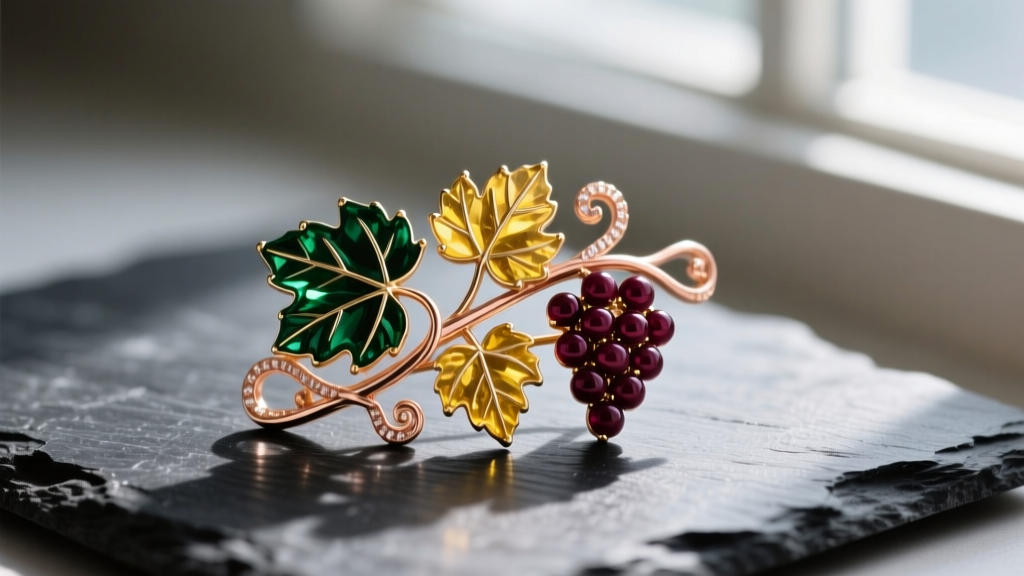
The Renaissance of Stamper Black Hills Gold Jewelry in 2026
For decades, Black Hills gold was largely pigeonholed as a regional souvenir—a nostalgic keepsake purchased during road trips through South Dakota. However, as we navigate the fashion landscape of 2026, Stamper Black Hills gold jewelry is experiencing a profound renaissance. Driven by the explosive popularity of the "Heritage Core" and "Eclectic Grandpa" aesthetics, younger demographics and high-fashion stylists are reclaiming these intricate, tri-color pieces. No longer confined to velvet souvenir boxes, Stamper’s signature grape leaf and vine motifs are being recontextualized as masterclasses in artisanal metallurgy and Americana heritage.
Stamper’s, one of the most historic and respected manufacturers in the Black Hills region, has capitalized on this shift by bridging the gap between traditional hand-engraving techniques and contemporary silhouettes. The brand's commitment to the original 19th-century designs—first popularized by S.T. Butler and later refined by the Stamper family—offers a level of tactile, botanical detail that mass-produced CAD/CAM jewelry simply cannot replicate. In 2026, consumers are craving this tangible connection to history, making Stamper pieces highly sought after in both vintage markets and modern boutiques.
Metallurgical Breakdown: The Tri-Color Alchemy
To truly appreciate Stamper Black Hills gold jewelry, one must understand the complex metallurgy that gives it its iconic appearance. Unlike standard monochromatic gold jewelry, authentic Black Hills gold relies on a precise lamination and soldering of three distinct gold alloys. According to the Gemological Institute of America (GIA), altering the alloy mix not only changes the color but fundamentally shifts the metal's tensile strength and malleability—crucial factors for the deep hand-engraving required for the leaf textures.
| Component | Karat Weight | Alloy Composition (Approx.) | Structural & Visual Role |
|---|---|---|---|
| Yellow Base & Vines | 10k or 12k | 41.7% - 50% Au, balanced with Ag, Cu, Zn | Provides structural integrity for die-striking and wire-drawing vines. |
| Rose Gold Leaves | 12k | 50% Au, 50% Cu | The high copper content yields a warm, autumnal pink hue and hardens the leaf edges. |
| Green Gold Leaves | 12k | 50% Au, 50% Ag (sometimes trace Pd) | Silver creates a pale, frosty green, offering stark botanical contrast against the rose. |
The magic of the Stamper process lies in the "frosting" technique. After the tri-color blanks are die-struck, master engravers use specialized tools to carve the veins into the leaves. This engraving removes the polished surface layer, exposing a textured, matte finish that mimics the cellular structure of a real grape leaf. The contrast between the high-polish edges and the frost-engraved centers is what gives Stamper jewelry its legendary three-dimensional depth.

Styling Heritage: How to Wear Stamper Pieces Today
The most critical mistake modern collectors make with Black Hills gold is treating it as a fragile museum piece or wearing it in overly matched, dated sets. The 2026 styling paradigm is all about deliberate juxtaposition. The ornate, hyper-detailed nature of Stamper’s grape and leaf motifs demands a minimalist, modern canvas to truly pop.
The Modern Layering Protocol
Instead of wearing a heavy, multi-strand Black Hills gold necklace, opt for a single, vintage Stamper pendant (circa 1970s-1990s) and suspend it on a contemporary, high-polish chain. A 1.5mm to 2.0mm 14k yellow gold Cuban link or box chain provides a sleek, industrial contrast to the organic, frosty leaves of the pendant. Drop the pendant to a 24-inch or 28-inch length, allowing it to rest over heavy cotton or linen garments. This breaks the "souvenir" association and firmly plants the piece in the realm of high-end, curated streetwear.
Mixed Metal Integration
Because Black Hills gold inherently contains yellow, rose, and green hues, it acts as a universal bridge for mixed-metal styling. You can seamlessly pair a Stamper tri-color ring with a stark white gold or platinum signet ring on the adjacent finger. The silver tones in the green gold leaves will visually link to the platinum, while the yellow base will harmonize with traditional gold pieces elsewhere in your stack. This makes Stamper jewelry an incredibly versatile anchor for complex, multi-metal ring stacks and bracelet layers.
Investment and Authenticity: Spotting Genuine Stamper
As the demand for heritage jewelry rises, so does the market for counterfeit or misleadingly marketed "Black Hills style" pieces. The Federal Trade Commission (FTC Jewelry Guides) and South Dakota state law strictly mandate that for jewelry to be legally sold as "Black Hills Gold," it must be manufactured in South Dakota using the traditional tri-color gold process. Imported pieces that mimic the grape leaf design but are cast in monochromatic gold with enamel accents are not authentic.

When authenticating a piece of Stamper Black Hills gold jewelry, you must look for specific hallmarks. Genuine Stamper pieces will typically feature a clear "STAMPER" stamp, often accompanied by a karat mark (e.g., 10K or 12K) and sometimes a distinct leaf or grape cluster maker's mark. Use a 10x or 20x jewelry loupe to inspect the shank of rings or the back of brooches. Furthermore, examine the leaves: authentic Stamper leaves are individually stamped, soldered, and hand-engraved. If the leaves look perfectly uniform, lack the deep "frosted" engraving texture, or appear to be painted with colored enamel rather than crafted from distinct gold alloys, you are likely looking at a mass-produced imitation.
2026 Pricing Tiers and Market Value
- Entry-Level Vintage (Brooches & Small Pendants): $150 – $350. Excellent entry points for styling; often found in estate sales or specialized vintage jewelry forums.
- Mid-Tier Contemporary (Rings & Drop Earrings): $400 – $900. Modern Stamper pieces featuring updated, slightly more streamlined profiles while retaining the hand-engraved tri-color leaves.
- Investment/Heritage Pieces (Multi-Strand Necklaces & Cuff Bracelets): $1,500 – $4,500+. These are the museum-quality, heavy gram-weight pieces that serve as the centerpiece of a serious Americana jewelry collection.
2026 Trend Forecast: What's Next for Black Hills Gold?
Looking ahead, the trajectory for Stamper Black Hills gold jewelry points toward a fusion of heritage craftsmanship and modern ethical standards. Consumers in 2026 are highly attuned to the provenance of their precious metals. In response, top-tier Black Hills manufacturers are increasingly adopting 100% recycled gold and silver for their alloy mixes, ensuring that the environmental footprint of these intricate pieces is minimized without compromising the historical integrity of the 50/50 alloy ratios.
Additionally, we are seeing a subtle but exciting trend of "botanical minimalism" within the Stamper catalogs. While the heavy, clustered grape designs remain popular for legacy pieces, newer releases are isolating single, perfectly engraved green gold leaves and setting them with ethically sourced, lab-grown diamonds or Montana sapphires. This evolution respects the deep historical roots of South Dakota's jewelry-making heritage while providing the modern collector with a refined, everyday-wearable artifact. Stamper Black Hills gold jewelry is no longer just a relic of the past; it is a living, evolving art form that continues to redefine American luxury.


