How to Store Gold Jewelry Safely: A Beginner's Guide
Learn how to store gold jewelry safely to prevent scratches and tarnish. Discover expert tips on anti-tarnish strips, pouches, and ideal humidity levels.

Investing in gold jewelry is a significant financial and emotional commitment. Whether you own a delicate 14k gold chain, a heavy 22k gold bangle, or an 18k gold signet ring, improper storage can lead to micro-scratches, accelerated tarnishing, and even structural warping. While pure gold is famously inert, the reality of modern jewelry means you are likely dealing with alloys, gemstone settings, and environmental hazards that require specific care.
This comprehensive guide breaks down exactly how to store gold jewelry to preserve its luster, structural integrity, and long-term value. We will cover the science of metal degradation, the best storage materials, and the environmental controls necessary to keep your collection pristine.
The Science of Gold Degradation: Why Storage Matters
A common misconception among beginners is that gold never tarnishes. While 24-karat pure gold is highly resistant to oxidation and corrosion, it is far too soft for everyday jewelry. To increase durability, gold is alloyed with metals like copper, silver, zinc, and nickel. According to the Gemological Institute of America (GIA), these alloy metals are the culprits behind tarnish and discoloration.
When copper and silver are exposed to sulfur compounds in the air, household chemicals, or even human sweat, they undergo a chemical reaction that creates a dark, dull layer of tarnish on the surface of your jewelry. Furthermore, the Jewelers of America notes that improper physical storage leads to abrasive damage. Gold, even when alloyed, sits relatively low on the Mohs Hardness Scale, making it highly susceptible to scratching when tangled with harder metals or gemstones.
Step 1: The Mandatory Pre-Storage Clean
Never put dirty gold jewelry into long-term storage. Human sebum (skin oils), lotions, perfumes, and microscopic dust particles contain sulfur and acids that will actively eat away at gold alloys if left sitting on the metal for months.
Pro-Tip: Before storing, wash your pieces in warm water with a few drops of mild, phosphate-free dish soap. Use a baby-hair brush to gently clean crevices, rinse thoroughly with distilled water, and dry completely with a lint-free microfiber cloth. Ensure the piece is 100% dry; trapping moisture in a sealed container can cause severe localized oxidation.
Step 2: Sorting by Karat and Hardness
Understanding your jewelry's karat weight is essential for determining how it should be stored. The Mohs Hardness Scale dictates what can safely touch your gold.
24K and 22K: Pure and Vulnerable
Pure 24k gold has a Mohs hardness of about 2.5 to 3—roughly the same as a human fingernail or a copper penny. 22k gold is only slightly harder. These pieces are highly malleable and will scratch, dent, or bend if they bump against anything. Store 24k and 22k items in individual, padded, soft-cloth pouches. Never stack high-karat gold coins or heavy bangles on top of one another.
18K, 14K, and 10K: Alloyed and Prone to Tarnish
These karats (ranging from 3.5 to 4.5 on the Mohs scale) are more resistant to bending but contain higher percentages of copper and silver. This makes them more prone to environmental tarnishing. While they can withstand slightly more physical contact, they require aggressive anti-tarnish storage environments, which we will cover below.
Choosing the Right Storage Materials
The materials that touch your gold are just as important as the box they sit in. Many commercial jewelry boxes are lined with synthetic fabrics or treated woods that off-gas chemicals, accelerating tarnish. Below is a comparison of the best and worst materials for gold storage.
| Storage Material | Pros | Cons | Best For |
|---|---|---|---|
| Pacific Silvercloth | Embedded with silver particles that absorb sulfur gases before they reach your gold. | More expensive; cloth eventually saturates and needs replacing. | Long-term storage of 14k and 18k alloyed gold. |
| Acid-Free Tissue Paper | Inert, breathable, and prevents micro-scratches. | Offers no chemical tarnish protection on its own. | Wrapping individual pieces before boxing. |
| Polyethylene Zip Bags | Blocks moisture and airborne sulfur; highly affordable. | Can trap moisture if jewelry isn't fully dry before sealing. | Humid climates and travel. |
| Polyurethane / PVC Plastic | None for jewelry storage. | Off-gasses sulfur and chlorine, causing rapid blackening and pitting. | Avoid completely. |
| Cardboard / Wood Pulp | Readily available. | Contains acidic compounds and sulfur that transfer to metals. | Avoid direct contact; use only as an outer shell. |
Environmental Controls: Humidity and Airflow
Moisture is the catalyst for almost all corrosive reactions. If you live in a coastal area or a region with high humidity, your gold alloys will tarnish significantly faster. To combat this, you must control the micro-climate inside your jewelry box or safe.
- Silica Gel Packets: Toss a few rechargeable silica gel desiccant packets into your jewelry drawers or safes to absorb ambient moisture. Replace or bake them out every few months.
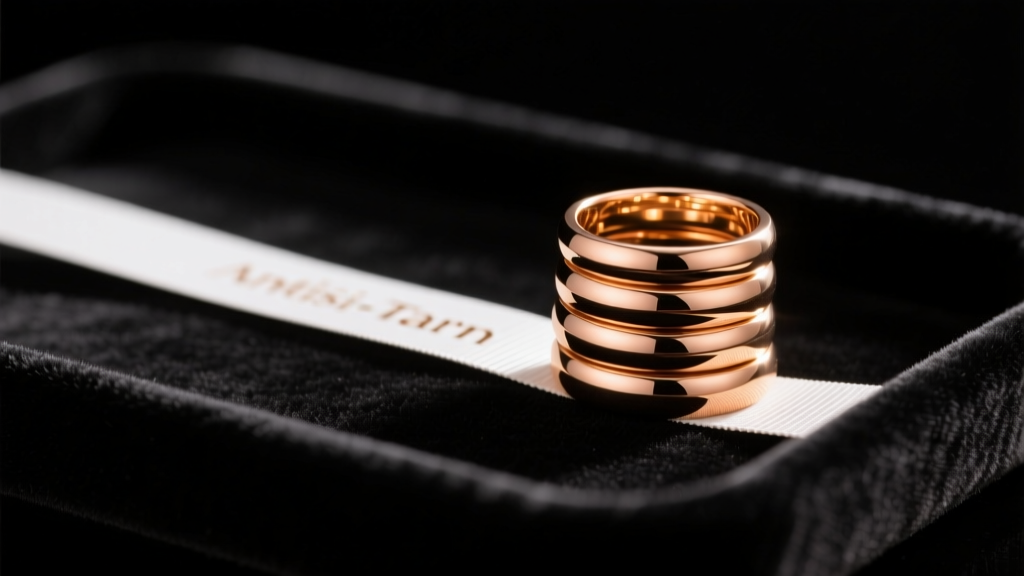
- Anti-Tarnish Strips: Brands like 3M produce specialized anti-tarnish tabs that absorb airborne sulfides. Place one strip in every enclosed compartment of your jewelry box. They typically last 6 to 12 months before needing replacement.
- Avoid the Bathroom: Never store gold jewelry in a bathroom. The extreme fluctuations in heat and humidity from showers create a highly corrosive environment for copper and silver alloys.
Travel Storage: Protecting Gold on the Go
Traveling presents unique risks, including crushing hazards in luggage and exposure to foreign climates. Avoid tossing loose gold chains into a toiletry bag, which guarantees severe tangling and knotting. Tangled chains often require professional jeweler intervention to untangle without snapping the links.
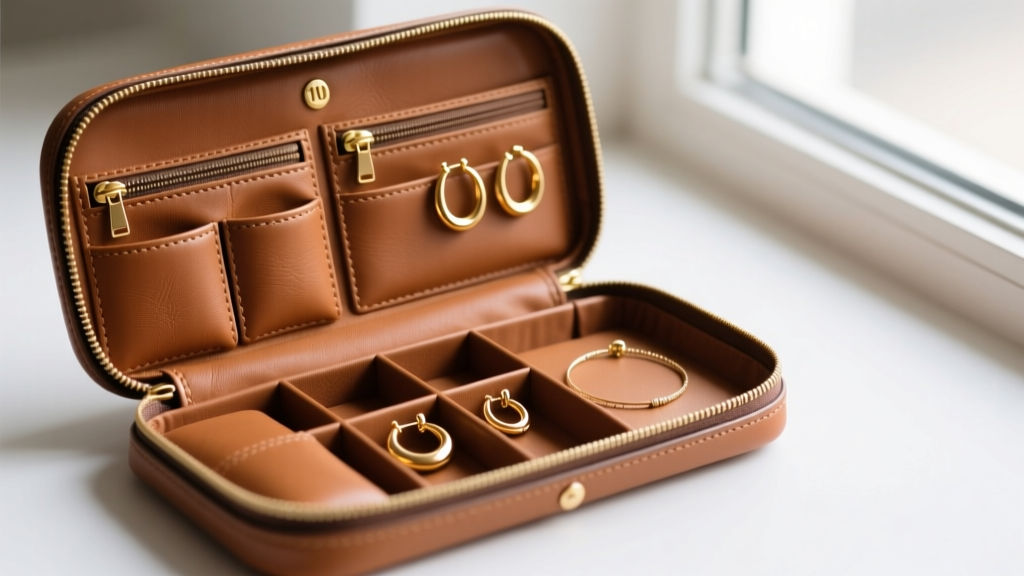
Invest in a dedicated leather or canvas travel jewelry roll with individual zippered or snap-closure compartments. For necklaces, thread the chain through a plastic drinking straw before clasping it; this completely eliminates the possibility of knotting during transit. For rigid items like gold cufflinks or signet rings, use a hard-shell EVA foam travel case to prevent crushing.
Common Beginner Mistakes to Avoid
Even with the best intentions, beginners often fall into habits that degrade their gold jewelry over time. Avoid these critical errors:
- Storing Diamonds with Gold: Diamonds rank a 10 on the Mohs scale. If a diamond ring rubs against an 18k gold necklace in a shared drawer, the diamond will act like sandpaper, carving deep scratches into the gold.
- Using Rubber Bands: Never use rubber bands to bundle jewelry or secure tags. Rubber contains high levels of sulfur and will leave severe, dark tarnish marks on gold that require professional polishing to remove.
- Overcrowding Drawers: Giving each piece its own 'breathing room' prevents friction scratches. If your jewelry box is overflowing, it is time to invest in secondary storage or a bank safe deposit box for overflow items.
- Ignoring Clasps and Prongs: Before storing, check that all lobster clasps close securely and gemstone prongs are tight. Storing a piece with a loose prong can result in a lost stone that falls out unnoticed in the back of a drawer.
By understanding the metallurgical realities of your gold pieces and implementing these targeted storage strategies, you will ensure your collection remains vibrant, scratch-free, and ready to wear for decades to come.


