Can You Wear Silver and Gold Jewelry Together? A Buying Guide
Discover if you can wear silver and gold jewelry together. Our buying guide covers galvanic corrosion, mixed-metal styling, and care tips.

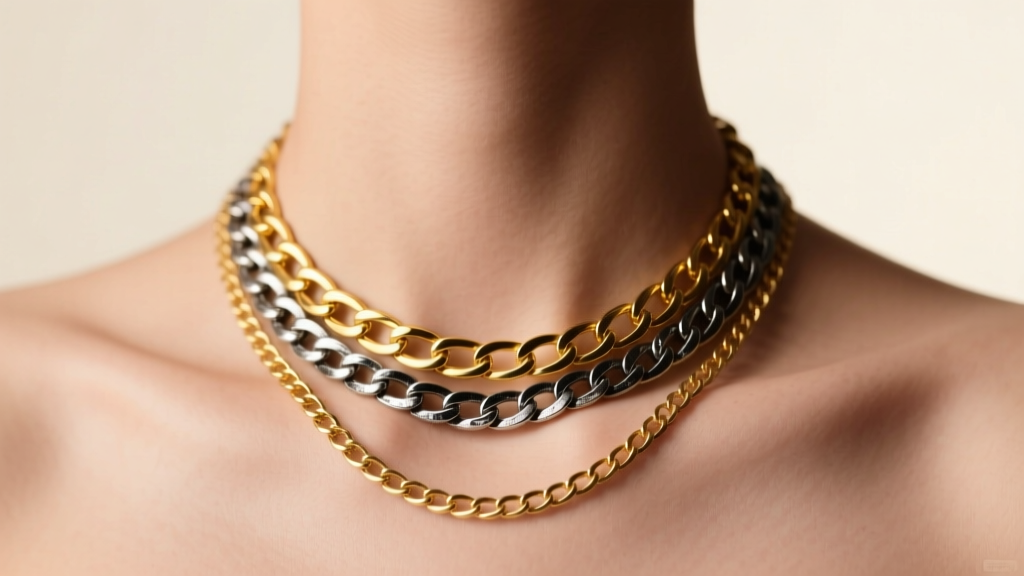
For decades, traditional fashion dictates enforced a strict separation between warm and cool metals. But as contemporary styling evolves, the most common question we hear from collectors and everyday wearers alike is: can you wear silver and gold jewelry together? The short answer is an absolute yes. Mixing metals is no longer a faux pas; it is a hallmark of sophisticated, personalized styling. However, from a metallurgical and purchasing perspective, combining gold and silver requires a strategic approach.
When you mix these two distinct metals, you are not just blending colors; you are introducing two different elemental profiles to your skin's microbiome and environmental elements. This buying guide will walk you through the material science of mixed metals, what to look for when purchasing two-tone pieces, and how to maintain them for long-term wear.
The Science of Mixed Metals: Galvanic Corrosion Explained
Before adding mixed-metal jewelry to your cart, it is crucial to understand galvanic corrosion. This is an electrochemical process where two dissimilar metals, when in direct physical contact and exposed to an electrolyte (like human sweat or high humidity), create a microscopic battery.
In the galvanic series of metals, gold is highly noble (cathodic), meaning it resists corrosion. Sterling silver (an alloy of 92.5% silver and 7.5% copper) is less noble (anodic). When a solid 14k gold chain constantly rubs against a sterling silver pendant in the presence of sweat, the silver acts as the anode and will corrode, tarnish, and degrade at an accelerated rate. The gold will remain untouched, but your silver piece will suffer.
How to Prevent Metal Degradation
If you are layering separate gold and silver pieces, the physical friction and sweat exposure are inevitable. However, you can mitigate the damage by:
- Creating a Barrier: Look for sterling silver pieces that have been heavily rhodium-plated. Rhodium is a noble metal in the platinum family that acts as a physical shield, preventing the silver from interacting with the gold.
- Minimizing Friction Points: Use leather or silk cord spacers between gold and silver beads or charms on the same chain to break the electrical circuit.
- Wiping Down Post-Wear: Always wipe mixed-metal layers with a dry microfiber cloth immediately after taking them off to remove the saline electrolyte (sweat) before it can trigger a reaction.
Buying Guide: What to Look For in Two-Tone Jewelry
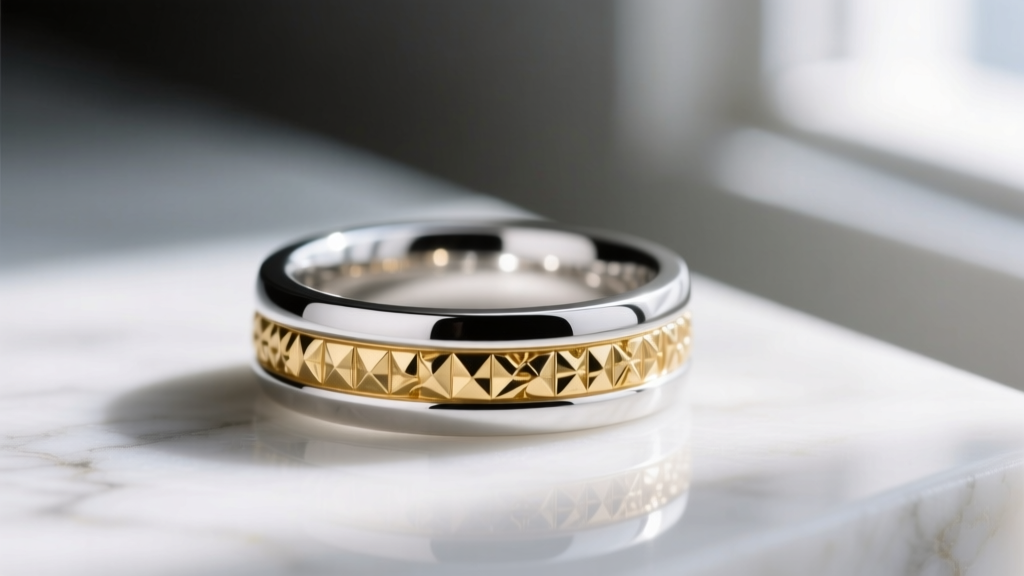
If you prefer the look of mixed metals without the hassle of layering separate pieces, buying pre-designed two-tone jewelry is the ideal solution. However, manufacturing methods vary wildly, and the wrong technique will result in a degraded piece within months. According to the Federal Trade Commission (FTC) Jewelry Guides, understanding plating thickness and bonding methods is essential for informed purchasing.
Solid vs. Plated Mixed Metals
When shopping for two-tone rings, bracelets, or watches, you will generally encounter three manufacturing categories. Here is how they compare in terms of longevity and price:
| Manufacturing Method | Description & Durability | Average Price Range |
|---|---|---|
| Solid Soldered | Two solid pieces of metal (e.g., 14k gold and sterling silver) soldered together. Highly durable, but the solder joint can trap moisture if poorly finished. | $400 - $2,000+ |
| Heavy Vermeil | Sterling silver base with at least 2.5 microns of gold plating. Beautiful initially, but friction points will eventually wear down to the silver base. | $80 - $250 |
| PVD Coated | Physical Vapor Deposition bonds gold to a silver or steel base in a vacuum. Extremely hard, highly resistant to galvanic corrosion and sweat. | $150 - $500 |
Expert Buying Tip: If you are buying a two-tone everyday ring or bracelet that will endure high friction, always opt for solid soldered metals or PVD-coated pieces. Avoid standard electroplated vermeil for high-wear items like rings, as the gold layer will inevitably wear off at the knuckle, exposing the silver to galvanic reactions with adjacent gold elements.
Karat & Alloy Matching for Cohesive Tones
Not all gold looks the same against silver. The karat weight of the gold you choose will drastically alter the visual contrast of your mixed-metal stack. The Gemological Institute of America (GIA) notes that the alloy metals mixed with pure gold dictate its final hue, which in turn dictates how it pairs with the bright white of sterling silver.
The Contrast Rule: High-karat yellow gold (18k or 22k) has a deep, rich, almost orange-yellow hue. When placed next to highly polished sterling silver, the contrast is stark and bold. Lower-karat gold (10k or 14k) has a softer, paler yellow tone that blends more seamlessly with silver for a subtle, understated look.
For those who want a bridge between the two, 14k or 18k Rose Gold is the ultimate pairing for silver. The copper alloys in rose gold give it a warm, pinkish hue that complements the cool tones of silver without the harsh visual clash that bright yellow gold can sometimes create.
Styling Frameworks for Layering Gold and Silver
Knowing you can wear them together is only half the battle; knowing how to style them is where true expertise lies. To avoid looking like you simply grabbed whatever was on your dresser, employ these structural styling frameworks:
1. The Bridge Piece Method
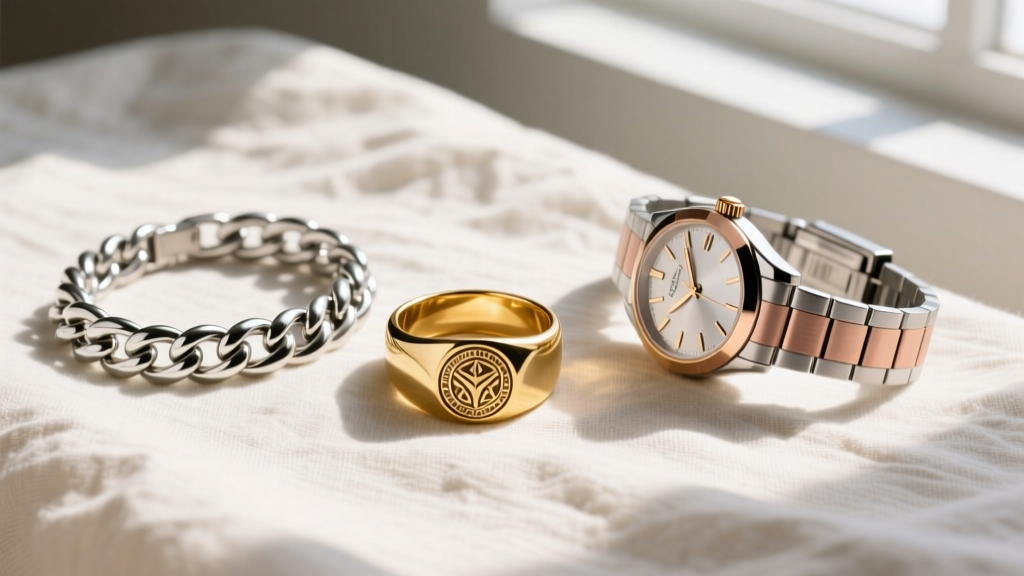
Always anchor your look with a 'bridge piece'—an item that inherently contains both gold and silver. A two-tone stainless steel and gold PVD watch, or a mixed-metal chain link necklace, provides visual permission for the eye to accept both metals in the same vicinity. Once the bridge is established, layer your solid gold and solid silver pieces around it.
2. The 70/30 Dominance Ratio
Mixed metals look most intentional when one metal clearly dominates. Choose one metal to take up 70% of your visual real estate, and use the other as a 30% accent. For example, wear three 14k yellow gold chains of varying lengths, and introduce a single, delicate oxidized silver chain to add texture and depth without overwhelming the primary color story.
3. Texture Over Color
When mixing metals, vary the textures to elevate the aesthetic. Pair a high-polish sterling silver curb chain with a matte, hammered 14k gold pendant. The difference in light reflection (specular vs. diffuse) makes the mixed metals look like a curated, artisanal collection rather than a mismatched accident.
Care and Maintenance for Two-Tone Jewelry
Cleaning mixed-metal jewelry requires a departure from standard single-metal care routines. The primary danger lies in chemical dips and ultrasonic cleaners.
- Avoid Ultrasonic Cleaners: The high-frequency acoustic waves used in ultrasonic baths can cause delamination in two-tone plated or vermeil jewelry. Because gold and silver have different acoustic impedances, the vibrations can literally shake the gold layer off the silver substrate at the microscopic level.
- Skip the Chemical Dips: Commercial silver dip cleaners contain thiourea and harsh acids designed to strip tarnish from silver. If you submerge a two-tone piece, these chemicals can permanently dull the gold alloy or strip away delicate gold plating.
- The Safe Cleaning Protocol: Use a few drops of phosphate-free dish soap (like Dawn) in lukewarm water. Soak the jewelry for 3 minutes, gently agitate with a baby-soft toothbrush, rinse in distilled water, and dry immediately with a lint-free microfiber cloth. This removes the acidic sweat and environmental pollutants without compromising either metal.
Ultimately, mixing gold and silver is a celebration of metallurgical diversity. By understanding the science of galvanic interactions, investing in the right manufacturing techniques like PVD or solid soldering, and applying intentional styling frameworks, you can build a mixed-metal collection that is as durable as it is stylish.


