Where to Sell Gold Jewelry: 2026 Style and Value Guide
Discover where to sell gold jewelry in 2026. We analyze market trends, karat premiums, and the best platforms to maximize your vintage and modern returns.

The 2026 Gold Resale Landscape: Melt vs. Aesthetic Value
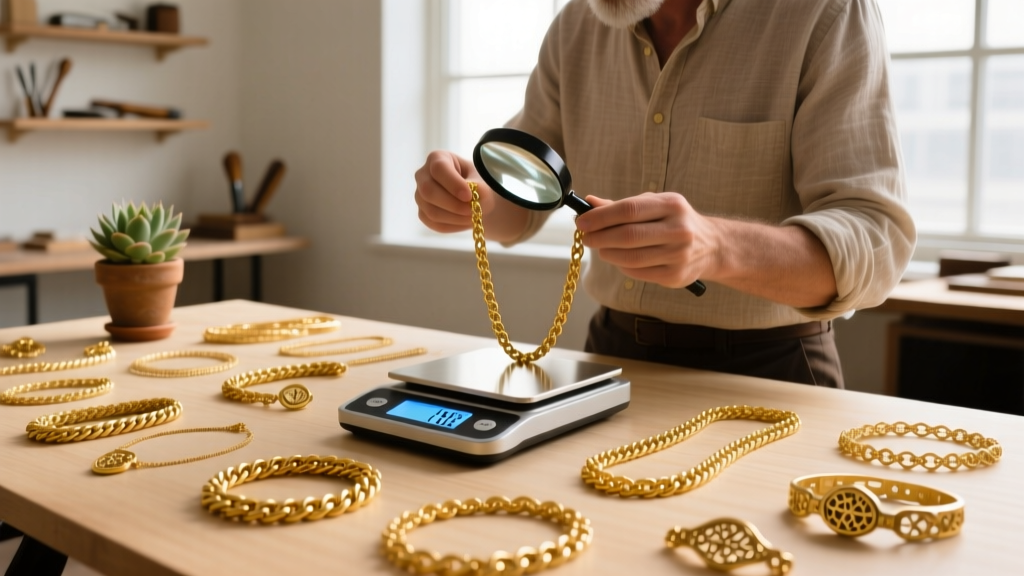
As we navigate the 2026 precious metals market, understanding where to sell gold jewelry requires more than just checking the daily spot price. The modern resale ecosystem is sharply divided into two distinct categories: melt value and aesthetic premium. With gold prices stabilizing at historic highs, the temptation to scrap old pieces for quick cash is higher than ever. However, treating every gold item as mere raw material is the most costly mistake a seller can make.
Current style trends heavily favor vintage and neo-vintage gold jewelry. Chunky 1990s-inspired yellow gold hoops, heavy herringbone chains, and mid-century modernist signet rings are commanding significant premiums on the secondary market. According to market analysts tracking luxury resale, aesthetic value can exceed melt value by 40% to 300% for pieces that align with current fashion cycles. Before you hand over your heirlooms to the first buyer with a cash sign, you must understand how karat weight, maker's marks, and current style trends dictate your final payout.
Decoding Karats: What Buyers Actually Pay For
Gold purity is the baseline metric for any transaction, but different buyers weigh karats differently based on their end market. Here is how the four primary karats are valued in today's resale environment:
- 10k Gold (41.7% pure, stamped 417): Highly durable but contains more alloy than gold. Most luxury consignment shops will reject 10k jewelry outright, relegating it strictly to the scrap pile. Expect to receive only basic melt value.
- 14k Gold (58.5% pure, stamped 585): The American standard. It offers an excellent balance of durability and gold content. Vintage 14k yellow gold pieces are currently highly sought after by online curators and vintage dealers.
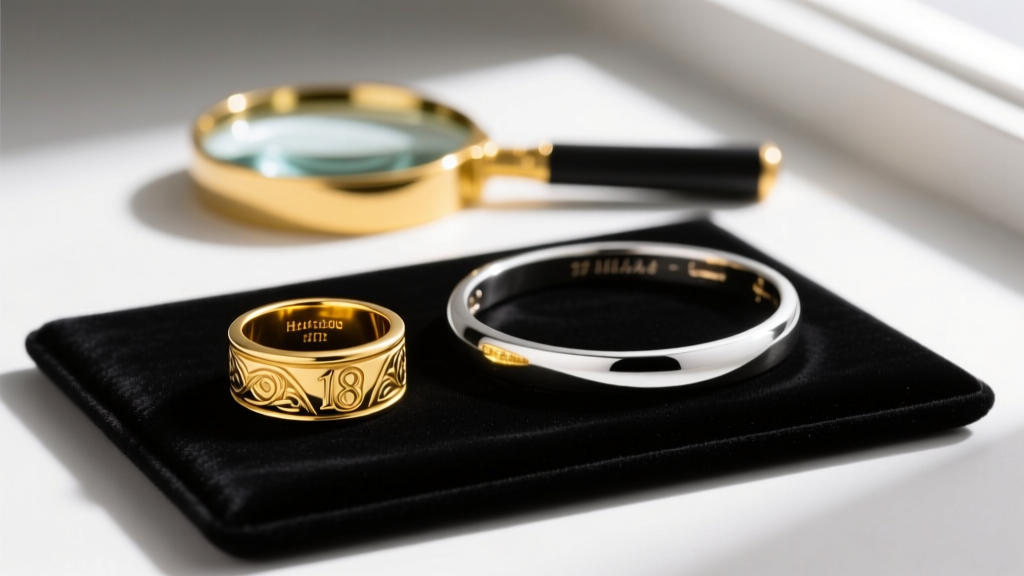
- 18k Gold (75.0% pure, stamped 750): The European and luxury standard. Softer and richer in color, 18k gold is preferred by high-end auction houses and specialist buyers. Pieces from recognized Italian or French makers in 18k command the highest aesthetic premiums.
- 24k Gold (99.9% pure, stamped 999): Almost exclusively found in investment bullion, coins, or traditional Asian and Middle Eastern jewelry. It is too soft for everyday Western jewelry and is almost always bought and sold strictly on its melt weight.
Where to Sell Gold Jewelry: Platform Comparison
Choosing the right venue is critical. We have analyzed the primary resale channels to help you match your specific jewelry type with the most profitable buyer.
| Venue Type | Best For | Payout vs. Melt | Turnaround | Trend Factor |
|---|---|---|---|---|
| Pawn Shops / Mall Kiosks | Broken, unbranded scrap | 30% - 50% | Immediate | None |
| Local Coin & Bullion Dealers | Bullion, coins, heavy chains | 75% - 90% | Immediate | Low |
| Online Refineries | Large volumes of mixed scrap | 85% - 95% | 1 - 3 Weeks | None |
| Luxury Consignment | Designer, vintage, trending | 150% - 400% | 1 - 6 Months | High |
| Specialist Auctions | Antique, rare, high-karat | 200% - 500%+ | 2 - 4 Months | Very High |
1. Online Luxury Consignment (The RealReal, Vestiaire Collective)
If your gold jewelry features recognizable designer hallmarks (e.g., Cartier, Van Cleef, Bulgari) or perfectly captures the current 90s yellow gold revival, consignment is your most profitable route. These platforms leverage the aesthetic premium. However, be prepared for high commission fees (often 30-40%) and a longer waiting period. The key here is provenance and condition; heavily scratched pieces will be discounted.
2. Specialized Jewelry Auctions (Worthy, Heritage Auctions)
For estate pieces, Art Deco revival items, or heavy 18k and 22k gold jewelry with historical significance, auction houses provide access to serious collectors. Unlike scrap buyers who melt items down, collectors pay for the craftsmanship, the era, and the rarity. According to the Gemological Institute of America (GIA), proper documentation and original boxing can increase auction hammer prices by up to 20%.
3. Local Coin & Bullion Dealers
If you have modern, unbranded 14k or 18k chains, or items that are simply too heavy and out of style to sell on consignment, local coin dealers are vastly superior to pawn shops. They operate on tighter margins and higher volumes, typically offering 80% to 90% of the daily melt value based on data from Kitco. They test using XRF (X-ray fluorescence) machines, ensuring you are paid for the exact elemental breakdown of your jewelry.
4. Pawn Shops & Mall Kiosks (The Trap)
Avoid these venues unless you are in an absolute emergency. These buyers operate with massive overhead and high risk, meaning they will offer you the lowest possible percentage of the scrap value. Furthermore, they rarely recognize aesthetic or vintage premiums; a rare 1970s Italian 18k gold mesh bracelet will be weighed and priced identically to a broken, generic 14k chain.
Style Trends Driving Premiums in 2026
To maximize your return, you must understand what the secondary market is actively hunting for this year. If your jewelry falls into these categories, pull it out of the scrap pile and route it to a consignment or vintage dealer:
- Heavy Herringbone and Snake Chains: Specifically in 14k and 18k yellow gold, weighing between 15 and 40 grams. The liquid, reflective drape of these chains is a dominant trend in 2026 streetwear and high fashion.
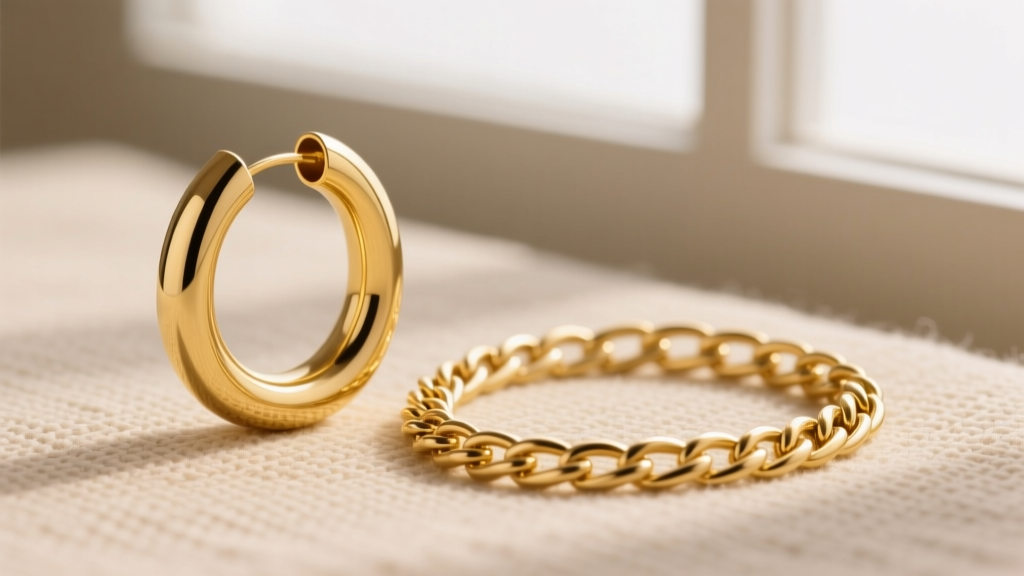
- Tubular and Dome Hoops: Moving away from the wire-thin minimalist hoops of the 2010s, buyers are aggressively seeking chunky, hollow or solid tube hoops reminiscent of 1990s hip-hop and R&B culture.
- Signet Rings with Intaglio or Onyx: Men's and unisex pinky rings featuring black onyx or lapis lazuli inlays set in textured 14k yellow gold are seeing a massive resurgence in neo-preppy and dark academia aesthetics.
- White Gold Decline: Unless paired with high-clarity, well-cut diamonds, plain white gold jewelry is currently experiencing a slump in resale demand, often fetching closer to pure melt value compared to its yellow and rose counterparts.
Preparation & Authentication: Avoiding the Scrap Pile
Before approaching any buyer, conduct a preliminary at-home assessment. First, use a rare earth magnet. Gold is entirely non-magnetic; if your chain clings to the magnet, it is either heavily plated over a steel core or entirely counterfeit. Second, inspect the clasps and inner bands for hallmarks using a 10x jeweler's loupe. Look for the numeric stamps (417, 585, 750) rather than just the word 'GOLD', which is often used on plated costume jewelry.
Expert Warning: Never polish or chemically clean vintage gold jewelry before selling it. The natural patina and slight wear on a mid-century piece serve as proof of its age and authenticity. Aggressive polishing removes microscopic layers of gold, destroys historical tool marks, and can instantly drop an item's value from 'antique premium' to 'scrap melt' in the eyes of a serious collector.
Finally, gather any original receipts, appraisals, or GIA grading reports if the piece includes gemstones. While the gold weight forms the baseline, the quality of accompanying diamonds or colored stones can drastically alter which selling platform you should choose. By aligning your jewelry's specific karat, style, and condition with the correct 2026 market channel, you ensure that your gold transitions from your jewelry box to your bank account at its maximum possible value.


