Pearl Jewelry for 30th Anniversary: Sourcing and Care Fixes
Troubleshoot common pitfalls when buying pearl jewelry for 30th anniversary milestones. Expert fixes for grading, luster loss, and structural care.

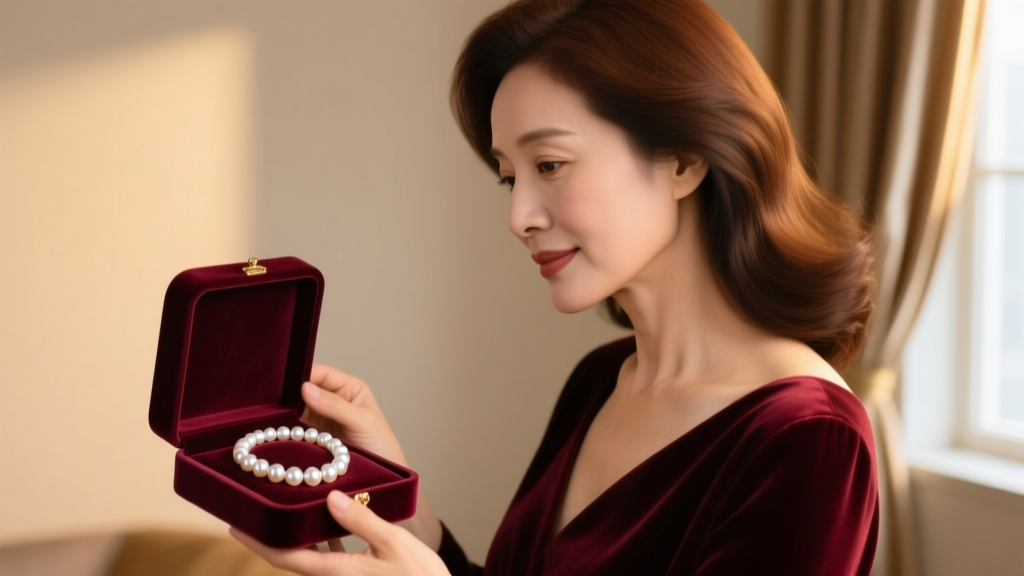
The 30th wedding anniversary is universally recognized as the Pearl Anniversary, a milestone that demands a gift of equal rarity and enduring beauty. However, the modern pearl market is saturated with misleading terminology, treated stones, and structurally compromised settings. Selecting the perfect pearl jewelry for 30th anniversary celebrations requires moving beyond generic buying guides and understanding the gemological realities of nacre, luster, and mounting integrity. In 2026, with advanced coating techniques and mass-produced freshwater alternatives flooding the market, buyers must be equipped to troubleshoot common sourcing pitfalls and long-term care failures.
Decoding the 'Pearl Anniversary' Market Traps
When shopping for milestone jewelry, consumers frequently encounter inflated grading scales. Unlike diamonds, which are governed by the strict 4Cs established by the Gemological Institute of America (GIA), the pearl industry lacks a single, universally enforced grading system. Many online retailers use proprietary scales ranging from A to AAAAA, which are entirely meaningless without context.
The most common trap for 30th-anniversary buyers is the 'AAAAA' or 'Gem-Grade' freshwater pearl marketed as a South Sea alternative. While high-end freshwater pearls (often nucleated with round beads rather than tissue) have improved dramatically in quality, they possess a different crystalline structure than saltwater pearls. Freshwater nacre tends to have a softer, more satin-like glow, whereas saltwater Akoya and South Sea pearls exhibit a sharp, mirror-like luster due to their aragonite platelet alignment. Troubleshooting this issue requires requesting magnified, unedited video of the pearls under direct lighting to verify the luster profile before purchasing.
Budget vs. Expectation: Troubleshooting the Pearl Type Dilemma
A frequent point of failure in anniversary gifting is mismatching the budget with the expected pearl type. Buyers often expect large, flawless, mirror-luster pearls for under $1,000, which is gemologically impossible in the saltwater market. Below is a decision matrix to align your budget with realistic expectations and avoid disappointment.
| Pearl Type | Ideal Budget Range | Luster Profile & Size | Common Buyer Pitfall |
|---|---|---|---|
| White South Sea | $5,000 - $25,000+ | Satin to high luster; 9mm - 16mm | Accepting heavily blemished stones or chalky luster to achieve a larger millimeter size. |
| Hanadama Akoya | $2,500 - $8,000 | Extreme mirror luster; 7mm - 9.5mm | Buying standard Akoya and assuming it has the certified Hanadama 'aurora' effect. |
| AAA White Freshwater | $400 - $1,500 | Soft, satiny glow; 7mm - 11mm | Mistaking bleached, heavily processed freshwater pearls for natural white saltwater varieties. |
| Tahitian (Dark) | $2,000 - $12,000 | Metallic, peacock overtones; 8mm - 14mm | Assuming all dark pearls are Tahitian; ignoring dyed freshwater alternatives. |
The Luster Illusion: Spotting Coated and Treated Pearls
One of the most severe problems in the pearl industry is the application of artificial coatings to enhance luster and hide surface blemishes. While mild processing (like maeshori, a Japanese heat treatment that tightens nacre) is standard and acceptable for Akoya pearls, heavy polymer or lacquer coatings are deceptive and will eventually peel, ruining the anniversary gift.
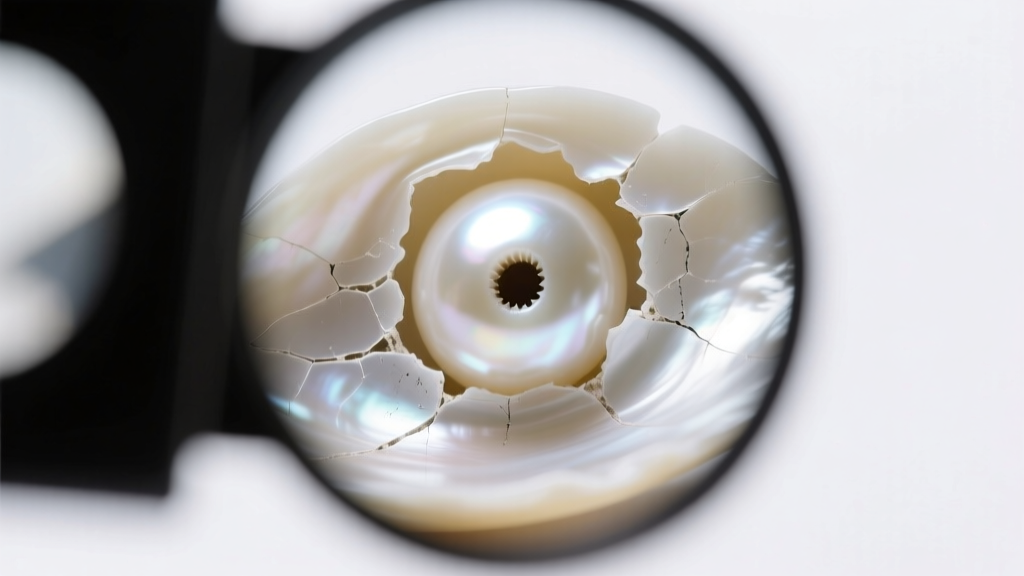
Troubleshooting Step: Always inspect the drill holes of a pearl strand using a 10x jeweler's loupe. Natural, untreated nacre will show a sharp, clean transition between the nacre layers and the drill hole. If you notice a glassy ring, a distinct 'lip' where the coating pools, or any flaking near the hole, the pearls are coated. Furthermore, rub two pearls gently together. Genuine nacre feels slightly gritty (like fine sandpaper) due to overlapping aragonite crystals, whereas coated or imitation pearls will feel perfectly smooth and glassy.
Structural Troubleshooting: Ring Mounts and Necklace Stringing
Pearls are exceptionally soft, ranking only 2.5 to 3.0 on the Mohs hardness scale. This makes the structural integrity of the jewelry setting just as critical as the gem itself. Many 30th-anniversary buyers opt for pearl rings or pendants, only to face structural failures within the first year of wear.
The Pearl Ring Prong Problem
Traditional prong settings, while beautiful, are a primary failure point for pearl rings. Because pearls are soft, metal prongs can easily chip the nacre if bumped against a hard surface. Additionally, pearls are typically mounted on a metal post secured with jeweler's epoxy. Over time, exposure to hand sanitizers, lotions, and natural skin oils degrades the epoxy, causing the pearl to spin or detach entirely.
The Fix: For daily-wear anniversary rings, insist on a 'cup mount' or 'bezel-style' setting where the metal wraps securely around the base of the pearl, protecting its girdle. Ensure the jeweler uses a high-strength, two-part jeweler's epoxy rather than standard cyanoacrylate (super glue), which becomes brittle and degrades rapidly.
Necklace Stringing and Silk Degradation
A classic 18-inch pearl necklace is a staple anniversary gift, but the silk thread used to knot the pearls is organic and highly susceptible to stretching and rotting from perspiration. A common failure mode is the 'gap effect,' where the thread stretches, leaving visible spaces between the pearls and the knots.
The Fix: According to master stringers at Pearl Paradise, a necklace worn weekly should be restrung every 12 to 18 months. When purchasing, verify that the strand is knotted between every single pearl (to prevent total loss if the thread snaps) and that the ends are finished with French wire (gimp) to protect the silk from fraying against the metal clasp.
Environmental Damage: Reversing Acid and Cosmetic Exposure
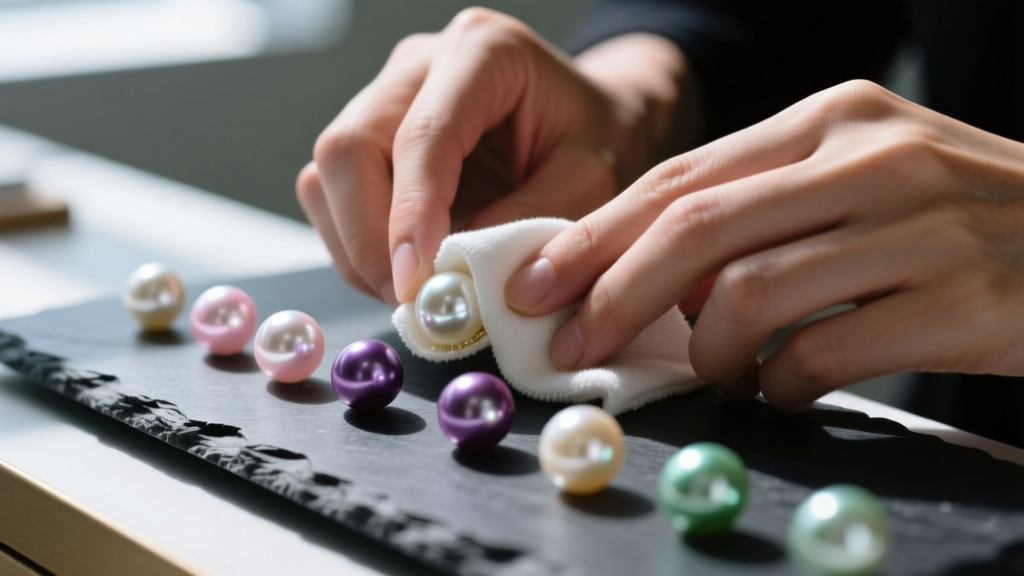
Pearls are composed of calcium carbonate, which is highly reactive to acids. A frequent troubleshooting request involves 30th-anniversary pearls that have lost their luster and developed a dull, chalky appearance after just a few wears. This is almost always caused by the application of perfume, hairspray, or cosmetics directly onto the stones, or by prolonged exposure to acidic skin pH.
Never use ultrasonic or steam cleaners on pearl jewelry. The high-frequency vibrations will shatter the nacre, and the heat will melt the internal epoxy securing the drill posts.
Restoration Protocol: If your pearls have become dull from cosmetic exposure, do not attempt to polish them with abrasive jewelry cloths, which will strip the outermost layers of nacre. Instead, wipe them gently with a soft, slightly damp microfiber cloth. For severe chalkiness, a professional jeweler can sometimes gently buff the surface with a specialized, non-abrasive pearl polish, but prevention is the only true safeguard. Always enforce the 'last on, first off' rule: pearls should be the final item put on after makeup and perfume have dried, and the first item removed at night.
Summary Checklist for the 30th Anniversary Buyer
To ensure your pearl jewelry for 30th anniversary milestones remains a flawless heirloom, run through this final troubleshooting checklist before finalizing your purchase:
- Verify the Nacre Thickness: Request an X-ray or endoscope photo for high-value South Sea pearls to ensure the nacre is at least 1.5mm to 2.0mm thick over the bead nucleus.
- Check the Matching: Examine the strand for uniformity in body color, overtone, and luster. A high-quality strand should look cohesive, not like a random assortment of stones.
- Inspect the Knots: Ensure knots are tight against the pearls with no visible stretching or fraying silk.
- Demand a Return Policy: Always purchase with a minimum 30-day return window so you can have the pearls independently appraised by a certified gemologist.
By approaching the purchase with a gemological mindset rather than a purely aesthetic one, you can troubleshoot the market's deceptive practices and secure a 30th-anniversary gift that will genuinely stand the test of time.


