Best Platinum Jewelry Cleaner Options: A Value & Cost Guide
We analyze the true cost and value of commercial platinum jewelry cleaner solutions versus DIY methods, helping you protect your investment.

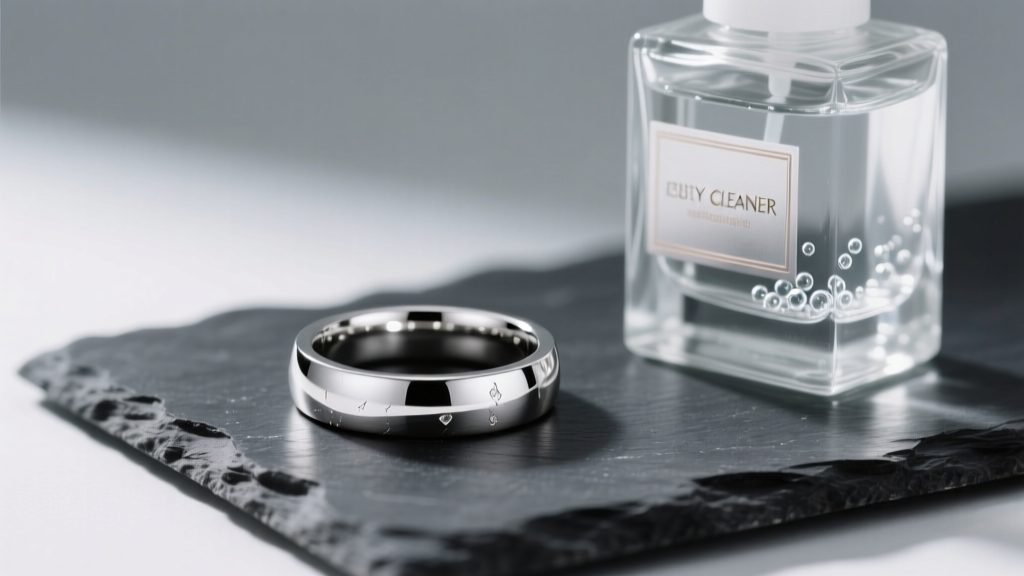
When you invest in platinum jewelry, you are paying for density, purity, and exceptional durability. However, maintaining that brilliant white luster often leads consumers down a confusing retail aisle filled with specialized solutions. The central question for budget-conscious collectors and everyday wearers alike is straightforward: Is a commercially branded platinum jewelry cleaner actually worth the premium price tag, or is it a masterclass in marketing?
From a strict value-assessment perspective, the answer requires unpacking the chemistry of platinum alloys, the reality of gemstone settings, and the mathematical cost-per-ounce of retail cleaning solutions. This guide strips away the marketing fluff to provide a definitive financial and practical framework for maintaining your platinum pieces in 2026 and beyond.
The "Platinum Premium" Myth: What Are You Actually Buying?
To assess value, we must first understand the metallurgy. Unlike sterling silver, which requires chemical tarnish removers (like thiourea) to strip silver sulfide, or lower-karat gold alloys that may need mild acidic baths to remove copper oxidation, platinum does not tarnish or oxidize. According to the Gemological Institute of America (GIA), platinum's natural white color is permanent. The dullness you see on a worn platinum ring is not tarnish; it is a combination of sebum (skin oils), lotion buildup, and a "patina" of micro-scratches.
Therefore, a liquid platinum jewelry cleaner is not a chemical restorative. It is, fundamentally, a highly refined degreaser and surfactant blend designed to lift oils from beneath diamond pavilion facets and out of intricate milgrain detailing. When you pay $20 for an 8-ounce bottle of branded platinum cleaner, you are paying for convenience, a specialized brushing tool, and a pH-balanced formula guaranteed to be safe for delicate gemstones.
The Chemical Breakdown
Most premium liquid cleaners rely on non-ionic surfactants (such as polysorbates) and mild alkaline builders (like sodium carbonate). These ingredients lower the surface tension of water, allowing it to penetrate the microscopic gaps between a platinum prong and a diamond girdle, lifting away hydrophobic oils without attacking the metal or the stone.
Cost Breakdown: Commercial vs. Ultrasonic vs. DIY
Let us look at the hard data. Below is a comparative value analysis of the three primary methods for cleaning platinum jewelry, factoring in initial investment, ongoing costs, and risk profiles.
| Cleaning Method | Initial Cost | Cost Per Ounce/Use | Efficacy on Sebum | Risk to Pavé Settings |
|---|---|---|---|---|
| Branded Liquid Platinum Cleaner | $15.00 - $28.00 | $1.87 - $3.50 / oz | High | Low (Manual brushing) |
| Generic Mild Dish Soap (e.g., Dawn) | $4.00 | $0.22 / oz | High | Low (Manual brushing) |
| Ultrasonic Cleaner (42kHz - 45kHz) | $35.00 - $65.00 | $0.05 / use (Distilled water) | Very High | High (Vibration loosens micro-prongs) |
| Ammonia-Based DIY Solutions | $3.00 | $0.15 / oz | Very High | Severe (Destroys fracture-filled diamonds & porous gems) |
From a purely financial standpoint, generic dish soap offers a 90% cost savings over branded platinum jewelry cleaners while delivering nearly identical degreasing results. However, the "value" of a commercial cleaner emerges when factoring in the included precision brushes and the psychological assurance that the formula is definitively free of harsh chlorides or unlisted ammonia.
When to Avoid Liquid Cleaners Altogether
Platinum is the premier metal for high-end gemstone settings due to its strength and lack of "memory" (it bends rather than snaps). However, the gemstones themselves dictate your cleaning budget and methodology. You must never use standard liquid jewelry cleaners—or ultrasonic machines—if your platinum piece features:
- Emeralds or Opals: These are highly porous and often oil-treated. Surfactants will strip the oils, causing severe crazing and cloudiness.
- Fracture-Filled Diamonds: Often set in platinum to mask lower clarity grades, the glass-like fillers will dissolve or cloud when exposed to the mild alkalines in commercial cleaners.
- Pearls or Coral: The calcium carbonate structure will etch and degrade rapidly.
"Consumers often assume that because platinum is indestructible, the entire ring can be thrown into any chemical bath. The metal will survive, but a $10,000 treated diamond or emerald set inside it might be ruined in minutes. Always clean based on the weakest material in the piece, not the strongest."
— Master Gemologist Appraiser, Jewelers of America guidelines
The Ultrasonic Cleaner Debate for Platinum Alloys
For those seeking the ultimate value proposition, ultrasonic cleaners present a compelling one-time investment. But how do platinum alloys react to cavitation?
Understanding Platinum Alloys and Frequencies
Pure platinum is too soft for jewelry, so it is alloyed. The two most common mixes are Pt950/Iridium and Pt950/Ruthenium. Iridium alloys are softer and more malleable, making them easier for jewelers to cast and set, but slightly more prone to scratching. Ruthenium alloys are significantly harder and more scratch-resistant.
Ultrasonic cleaners typically operate between 40kHz and 45kHz. The high-frequency sound waves create microscopic vacuum bubbles in the fluid that implode against the jewelry, blasting away dirt. Platinum's extreme density makes the metal itself entirely immune to ultrasonic damage. The risk is entirely mechanical: the vibrations can easily shake diamonds loose from pavé or micro-prong settings, regardless of whether the metal is platinum, white gold, or titanium.
The Verdict on Ultrasonic Value
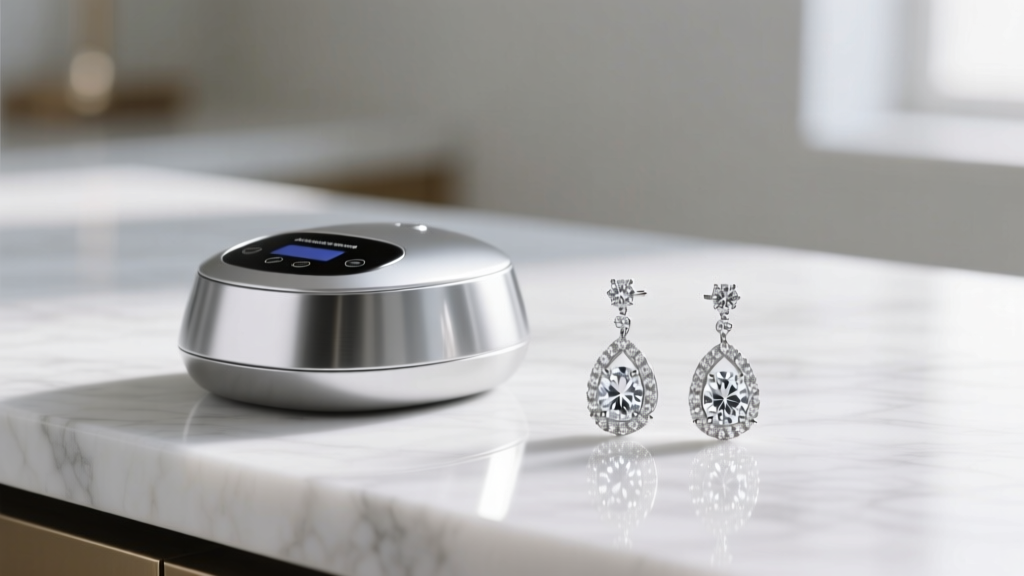
If your platinum jewelry consists of solitaire settings, bezel settings, or plain wedding bands, an ultrasonic cleaner ($45 average) paired with distilled water and a single drop of dish soap is the highest-value cleaning method available. It will restore brilliance that manual brushing simply cannot achieve. If your collection is heavily pavé, skip the machine and stick to manual soaking and brushing to avoid costly stone-loss and resetting fees.
Final Value Verdict: A Decision Framework for Buyers
Should you buy a dedicated platinum jewelry cleaner? Use this framework to decide where your budget is best allocated:
- Buy the Commercial Liquid Cleaner ($15-$25) IF: You travel frequently (the sealed bottles are TSA-friendly and prevent leaks), your platinum jewelry features mixed gemstone settings that require guaranteed pH-neutral safety, or you simply value the convenience of an all-in-one kit with a specialized micro-brush.
- Stick to DIY Dish Soap ($4) IF: You are cleaning durable, single-stone platinum solitaires at home and want to maximize your financial ROI. A 10-minute soak in warm water and mild degreasing soap, followed by a soft baby-toothbrush scrub, yields 95% of the results of premium brands.
- Invest in an Ultrasonic Machine ($45+) IF: You own a large collection of platinum bezel-set jewelry, solid chains, or plain bands, and you want professional-level light reflection without paying for annual jeweler cleanings.
Ultimately, a branded platinum jewelry cleaner is a luxury convenience product, not a metallurgical necessity. By understanding the chemistry of your jewelry and the true cost-per-ounce of your cleaning supplies, you can maintain your platinum's brilliant white luster while keeping your maintenance budget firmly under control.


