Engineering the Perfect Silver Jewelry Box for Tarnish Prevention
Discover the technical science behind the perfect silver jewelry box. Learn about anti-tarnish linings, humidity control, and wood off-gassing risks.

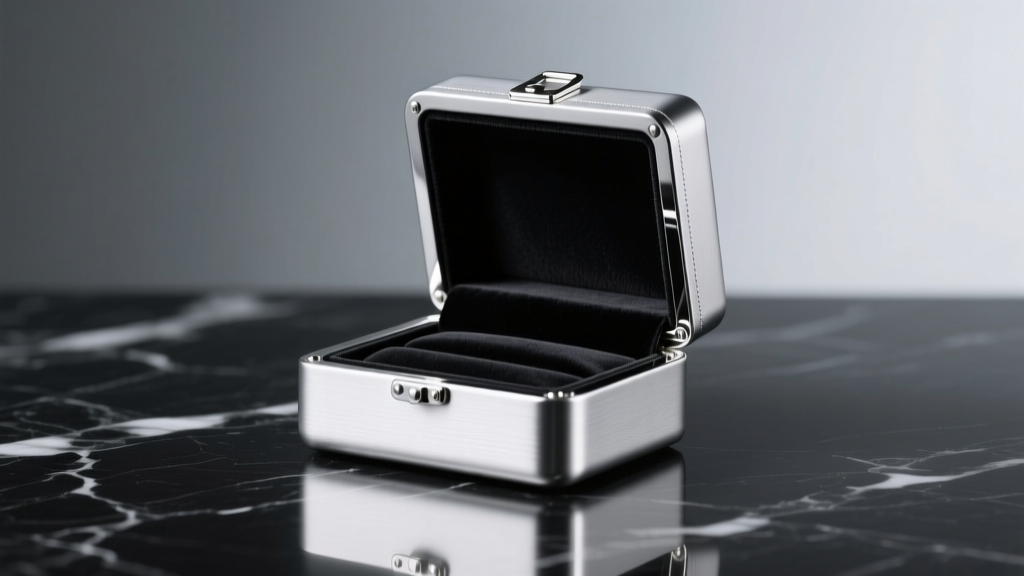
For collectors and daily wearers alike, the transition of brilliant sterling silver to a dull, blackened state is a frustrating reality. While polishing can restore the luster, it inherently removes microscopic layers of the metal. The true solution lies not in reactive cleaning, but in proactive environmental engineering. Selecting the right silver jewelry box is a matter of applied chemistry and material science. In this deep dive, we examine the technical specifications, lining technologies, and structural pitfalls of silver storage to help you build or buy an environment that halts tarnish at the molecular level.
The Galvanic Reality of Sterling Silver Tarnish
To understand what makes an effective silver jewelry box, we must first understand the enemy. Pure fine silver (.999) is highly resistant to tarnish. However, sterling silver (.925) is an alloy composed of 92.5% silver and 7.5% copper. The copper is added for structural hardness, but it introduces a critical vulnerability.
Tarnish is primarily silver sulfide (Ag2S), formed when silver reacts with hydrogen sulfide (H2S) in the ambient air. However, the presence of copper in sterling silver creates a microscopic galvanic cell. When ambient humidity provides an electrolytic bridge (moisture), the copper and silver act as dissimilar metals. This galvanic action accelerates the oxidation and sulfidation process far beyond what would occur in pure silver. Therefore, the primary mandate of any high-performance silver jewelry box is twofold: neutralize H2S gases and maintain relative humidity (RH) below 40% to break the electrolytic moisture bridge.
Evaluating Anti-Tarnish Linings and Sacrificial Metals
Standard velvet or felt linings offer zero chemical protection; they merely prevent mechanical scratching. A technically sound storage solution requires active chemical intervention.
Pacific Silvercloth and Nano-Silver Polymers
The gold standard for lining is Pacific Silvercloth. This material is manufactured by embedding microscopic particles of pure silver into the cotton fibers. It operates on the principle of a sacrificial anode. The H2S gases in the trapped air of the box react with the pure silver particles in the cloth before they can reach your sterling silver jewelry. As the cloth absorbs sulfur, it gradually turns from a rich brown to black. As of 2026, newer nano-silver infused polymer linings have entered the market, offering similar sacrificial protection with a thinner profile, though traditional woven silvercloth remains the most thoroughly tested and reliable option.
Copper-Based Absorbers (3M Anti-Tarnish Strips)
If your chosen box lacks a specialized lining, you must introduce sacrificial copper strips. Products like 3M Anti-Tarnish Strips utilize a copper-based compound that aggressively binds with sulfur compounds. These are not permanent fixtures; they have a finite absorption capacity and must be replaced every 6 to 12 months depending on the ambient pollution levels of your environment.
The Hidden Danger: Wood Off-Gassing and Adhesives
One of the most common and catastrophic mistakes collectors make is storing silver in antique wooden chests or poorly manufactured modern wooden boxes. Wood is inherently problematic for silver storage due to off-gassing.
- Oak and Acidic Woods: Oak naturally emits acetic acid and tannins, which will aggressively corrode and tarnish silver.
- Plywood and MDF: Composite woods are bound together with urea-formaldehyde and other acidic resins. These adhesives continuously off-gas sulfur and organic acids for years.
- Animal Glues: Antique boxes often utilize hide glues that break down over time, releasing hydrogen sulfide directly into the storage compartment.
The Expert Fix: If you must use a wooden box, the interior must be hermetically sealed with multiple coats of water-based polyurethane or an acrylic barrier paint to trap the off-gassing. Alternatively, opt for boxes constructed from powder-coated steel, anodized aluminum, or cast acrylic, which are chemically inert.
Climate Control: Desiccants and Airtight Seals
Even with sacrificial linings, moisture is the catalyst that turns a slow chemical reaction into rapid galvanic corrosion. According to guidelines from the National Park Service Museum Conservation program, silver should be stored in environments where relative humidity is strictly controlled below 40%.
| Climate Control Method | Mechanism of Action | Target RH Level | Maintenance Requirement |
|---|---|---|---|
| Silica Gel (Indicating) | Physical adsorption of water vapor into porous silica pores | 20% - 35% | Recharge in oven at 250°F when indicator turns pink |
| Activated Charcoal | Chemical adsorption of both moisture and volatile sulfur gases | 30% - 45% | Replace every 6 months; cannot be effectively recharged at home |
| Airtest Gaskets | Silicone O-rings that create a hermetic seal on the box lid | Maintains internal micro-climate | Wipe clean; replace gasket if cracked or brittle |

To achieve a true micro-climate, your silver jewelry box must feature a gasket seal. Look for silicone or EPDM rubber seals around the lid closure. Without an airtight seal, the desiccants inside the box will attempt to dry out the entire room, quickly exhausting their capacity and rendering them useless within days.
Technical Buying Checklist for Silver Storage
When evaluating a silver jewelry box on the market, run it through this rigorous technical checklist to ensure it meets conservation-grade standards:
- Structural Material: Is it made of inert materials (acrylic, metal) or properly sealed wood? Avoid raw MDF, oak, or cedar.
- Lining Composition: Does it utilize Pacific Silvercloth, treated flannel, or a tarnish-inhibiting polymer? Avoid standard untreated velvet or wool (which contains natural sulfur).
- Adhesive Check: Are the interior fabric panels glued down with acidic spray adhesives? High-end boxes use mechanical stitching or acid-free, archival-quality double-sided tapes.
- Seal Integrity: Does the lid feature a compression gasket or a tongue-and-groove closure to limit air exchange?
- Compartmentalization: Are there individual, sealable polyethylene (PE) zip bags included for high-value pieces? (Note: Never use standard PVC plastics, as they emit hydrochloric acid over time).
Maintenance Protocols for Long-Term Preservation
Even the most engineered silver jewelry box requires maintenance to sustain its protective environment. The Gemological Institute of America (GIA) emphasizes that proper storage reduces the need for abrasive polishing, thereby preserving the intricate details and hallmarks of vintage and contemporary pieces.
Expert Maintenance Tip: Never store silver jewelry in direct contact with rubber bands, latex gloves, or newspaper. The vulcanization process in rubber utilizes heavy sulfur, which will cause severe, localized black tarnish on sterling silver within hours, often requiring professional electrochemical reduction to remove.
Establish a bi-annual maintenance schedule. Every six months, inspect your sacrificial copper strips and replace them if they have darkened completely. Bake your indicating silica gel packets in an oven at 250°F (120°C) for two hours to drive off adsorbed moisture. Finally, gently vacuum the interior lining of your box using a soft brush attachment to remove microscopic dust and skin cells, which can hold moisture and acidic salts against the metal surfaces. By treating your storage solution as an active environmental control system rather than a passive container, your sterling silver collection will remain brilliantly untarnished for generations.


