Jewelry 925 Meaning: A Sterling Silver Gift Guide for Every Occasion
Discover the true jewelry 925 meaning and learn how to match sterling silver grades, finishes, and styles to the perfect milestone occasion.

The Art and Science of Gifting Sterling Silver
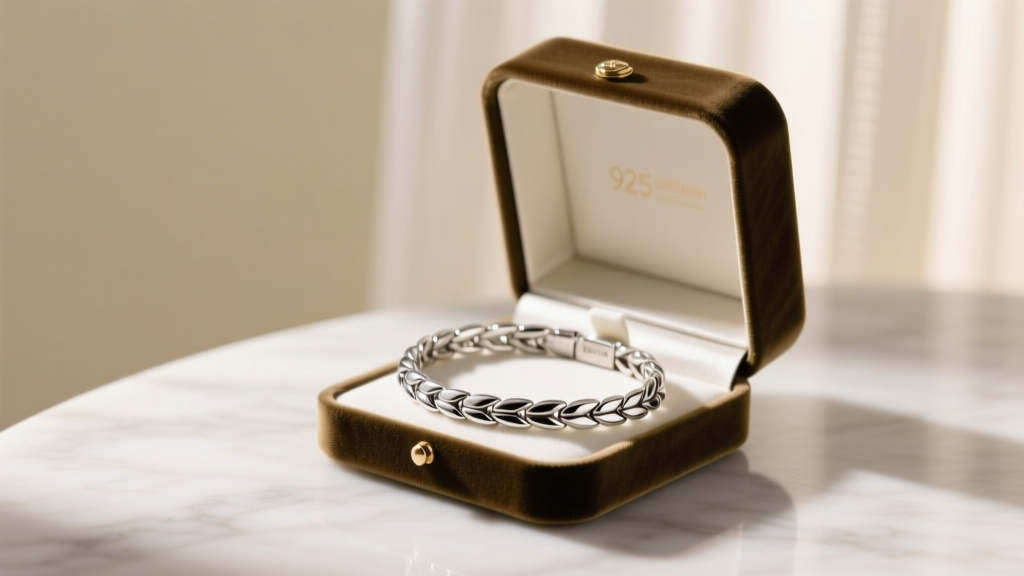
Gifting jewelry is an inherently emotional endeavor, but selecting the right piece requires a blend of sentimental intuition and technical knowledge. When browsing for the perfect anniversary, graduation, or birthday gift, you will inevitably encounter the '925' stamp. Understanding the jewelry 925 meaning is not just about verifying authenticity; it is the key to unlocking a world of metallurgical nuances, finish variations, and care requirements that dictate how a piece will age and perform over time.
As we navigate the 2026 jewelry market, sterling silver remains a dominant force in both accessible luxury and high-end designer collections. This comprehensive guide decodes the 925 hallmark and provides a strategic framework for matching specific sterling silver variations to life's most significant milestones.
Decoding the Stamp: What is the Jewelry 925 Meaning?
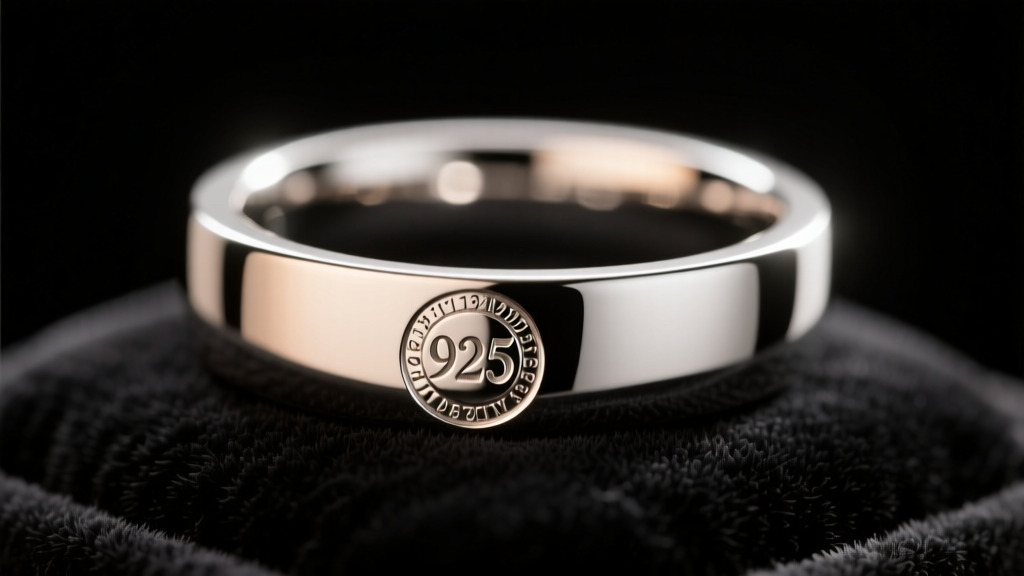
At its core, the 925 stamp is a guarantee of purity. According to the Gemological Institute of America (GIA), the jewelry 925 meaning dictates that the alloy consists of exactly 92.5% pure silver and 7.5% secondary metals.
Why not 100% pure silver? Fine silver (stamped 999) possesses a Mohs hardness rating of just 2.5 to 3, making it far too malleable for everyday wear. A pure silver ring would quickly warp, scratch, and lose its shape. By introducing a 7.5% alloy—traditionally copper, though modern iterations may use zinc or germanium—metallurgists increase the hardness to a durable 3.5 to 4 on the Mohs scale without sacrificing the brilliant white luster of the precious metal.
Occasion Matching: Selecting the Right 925 Finish
Not all 925 sterling silver is created equal. The finishing techniques applied to the base alloy drastically alter the piece's aesthetics, durability, and price point. Here is how to match the finish to the occasion.
Milestone Anniversaries: Rhodium-Plated 925
For significant anniversaries (such as the 5th, 10th, or 25th), opt for rhodium-plated sterling silver. Rhodium is a rare platinum-group metal that is electroplated onto the 925 base in a microscopic layer (typically 0.75 to 1.0 microns thick). This process yields a brilliant, mirror-like finish that mimics white gold or platinum while providing a robust barrier against tarnish. Gift Idea: A heavyweight, rhodium-plated 925 tennis bracelet or a solitaire pendant featuring a moissanite or lab-grown diamond center stone.
Graduations and Career Milestones: Brushed or Matte 925
Graduations call for pieces that transition seamlessly from academic environments to professional boardrooms. Brushed or matte-finished 925 silver offers a sophisticated, understated elegance that hides micro-scratches exceptionally well. Because the surface is intentionally textured, it does not show fingerprints or minor wear, making it ideal for daily professional wear. Gift Idea: A minimalist, brushed 925 signet ring or a sleek geometric bar necklace.
Birthdays and Personal Milestones: Oxidized 925
Oxidized silver undergoes a controlled chemical process where the 925 alloy is exposed to sulfur compounds, intentionally darkening the recessed areas of the metal to create high-contrast, antique-style detailing. This finish is deeply artistic and highly personalized, making it perfect for birthdays or creative milestones. Gift Idea: An intricately carved oxidized 925 cuff bracelet or a vintage-inspired signet ring featuring a birthstone cabochon.
The Gift Buyer's Cheat Sheet: 925 Silver Variations
Use this structured comparison to align your budget and the recipient's lifestyle with the correct metallurgical profile.
| Silver Variation | Composition & Finish | Best Occasion | 2026 Price Range | Maintenance Level |
|---|---|---|---|---|
| Standard 925 | 92.5% Ag, 7.5% Cu; High Polish | Everyday wear, 'Just Because' gifts | $40 - $150 | Moderate (Requires regular polishing) |
| Rhodium-Plated | 925 base with 1.0μm Rhodium layer | Anniversaries, Bridal parties | $120 - $450 | Low (Tarnish-resistant, but plating wears over years) |
| Oxidized 925 | 925 base with intentional sulfur patina | Birthdays, Artistic milestones | $80 - $300 | Low (Avoid polishing cloths to preserve dark patina) |
| Argentium 960 | 96% Ag, 4% Cu/Germanium | Heirloom gifts, Hypoallergenic needs | $150 - $600+ | Very Low (Highly tarnish-resistant, fire-stain free) |
Red Flags: Ensuring Your 925 Gift is Authentic
The Federal Trade Commission (FTC) Jewelry Guides strictly regulate the use of precious metal hallmarks in the United States. However, the secondary market and fast-fashion import channels are rife with counterfeit stamps. Before wrapping your gift, perform these non-destructive authenticity checks:
- The Magnet Test: Silver is paramagnetic, meaning it is not attracted to magnets. If a '925' stamped clasp or chain link snaps to a neodymium magnet, the core is likely ferrous metal (steel or iron) with a thin silver flash plating.
- The Ice Test: Silver possesses the highest thermal conductivity of any common metal (429 W/m·K). Place an ice cube directly on the 925 piece; it should begin melting almost instantaneously, far faster than it would on stainless steel or platinum.
- The Hallmark Audit: Look for accompanying maker's marks. A legitimate 925 stamp is often accompanied by a registered maker's mark or a country-of-origin stamp (e.g., '925 ITALY'). A lone, deeply stamped '925' on a piece with poor casting seams is a primary indicator of mass-produced counterfeits.
Presentation and Care: The Final Touch
The way you present a 925 sterling silver gift elevates the unboxing experience and sets the recipient up for long-term success. Sterling silver's primary vulnerability is hydrogen sulfide in the atmosphere, which causes silver sulfide (tarnish) to form on the surface.
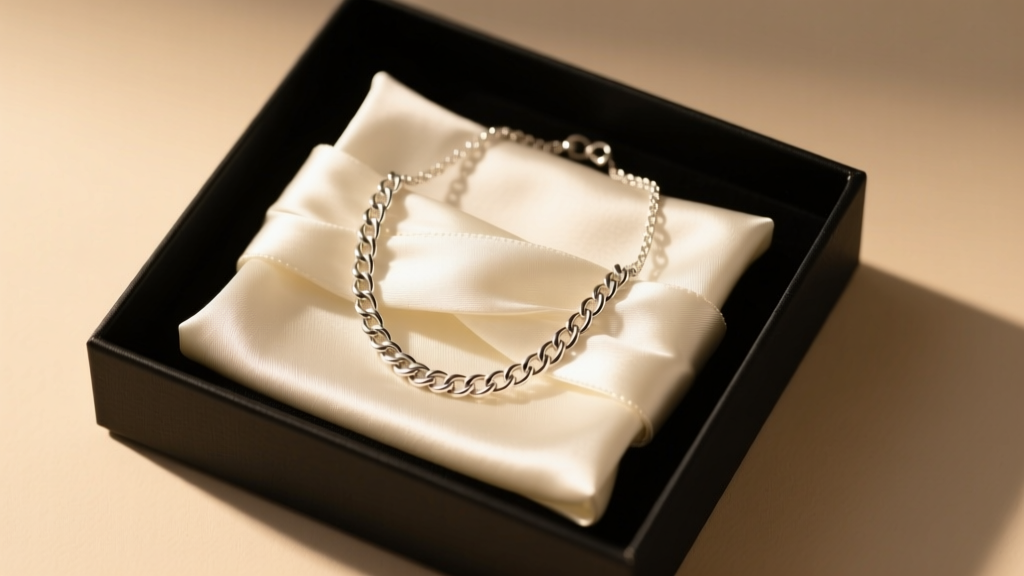
Do not simply drop the piece into a standard cardboard or leatherette box, as the glues and synthetic linings can off-gas sulfur compounds. Instead, present your gift inside an airtight polyethylene zip-bag accompanied by a 3M anti-tarnish strip. These strips utilize reactive zinc particles to absorb atmospheric sulfides before they can reach the silver. Include a high-quality Sunshine polishing cloth (embedded with micro-abrasives and anti-tarnish agents) as a complementary accessory. This thoughtful addition proves that you have considered not just the moment of gifting, but the lifelong enjoyment of the piece.
Conclusion
Understanding the jewelry 925 meaning transforms you from a casual shopper into an informed curator of fine gifts. By paying attention to the metallurgical composition, selecting the appropriate finish for the specific milestone, and verifying authenticity, you ensure that your sterling silver gift remains a cherished, wearable heirloom for decades to come.


