What Does 925 on Jewelry Mean? Occasion Gift Guide
Discover what the 925 stamp on jewelry means and explore our expert gift guide to match authentic sterling silver pieces to every special occasion.

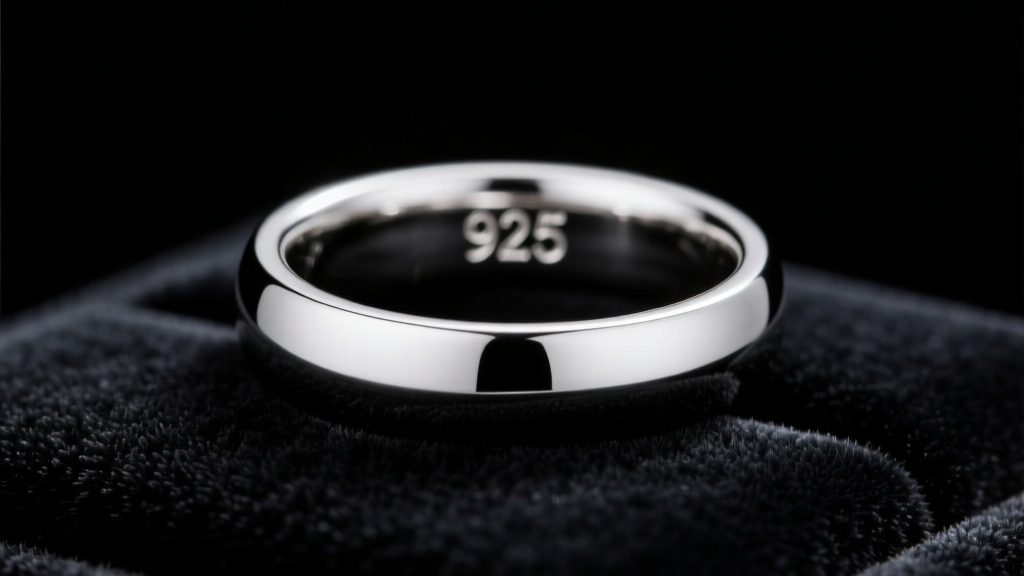
The Metallurgy of 925: Why the Stamp Matters for Gifts
When shopping for a meaningful gift, you will inevitably encounter the '925' hallmark stamped discreetly on the inside of a ring band or the clasp of a necklace. But what does 925 on jewelry actually mean, and why is it the gold standard for silver gifting? In short, 925 indicates that the piece is composed of 92.5% pure silver and 7.5% alloy metals, typically copper. Pure silver (999 fine silver) is inherently too soft for daily wear; it scratches, bends, and loses structural integrity under minor pressure. By introducing a 7.5% copper alloy, jewelers create 'sterling silver,' a metallurgical compromise that retains the brilliant luster of precious silver while achieving the tensile strength required for lifelong wear.
For the modern gift-giver in 2026, understanding this alloy ratio is critical. You might occasionally see forums or search engines autocorrect queries like '925 0n jewelry' due to common typing errors, but the hallmark you are looking for is definitively '925'. According to the Federal Trade Commission (FTC) Jewelry Guides, any piece marketed as sterling silver in the United States must meet this exact 92.5% purity threshold. Gifting a piece with this stamp guarantees you are giving a precious metal, not a base metal disguised with a thin flash of silver plating.
The Rise of Argentium 925
If your gift recipient has a low tolerance for jewelry maintenance, look for pieces stamped with '925' that specifically utilize Argentium silver. This modern alloy replaces some of the traditional copper with germanium. The result is a 925 sterling silver that is highly resistant to tarnish and possesses a brighter, whiter luminescence that rivals platinum. It is the ultimate choice for gifting to busy professionals or those living in humid climates where traditional copper-alloyed sterling silver oxidizes rapidly.
Occasion Matching: When to Gift 925 Sterling vs. Fine Silver
Not all silver is created equal, and matching the metallurgical properties of the metal to the occasion ensures your gift is both practical and sentimental. The Gemological Institute of America (GIA) notes that while fine silver is beautiful, its applications are limited by its softness. Below is a strategic matrix to help you select the right silver type for your specific gifting occasion.
| Silver Type | Stamp | Durability | Best Gifting Occasion | Average Price Range |
|---|---|---|---|---|
| 999 Fine Silver | 999 | Low (Scratches/Bends) | Investment pieces, display coins, delicate occasional-wear earrings | $50 - $200+ |
| 925 Sterling Silver | 925 | High (Daily Wear) | Anniversaries, graduations, milestone birthdays, engagement rings | $40 - $500 |
| Argentium 925 | 925 / 960 | Very High (Tarnish-Resistant) | Wedding bands, heirloom chains, gifts for low-maintenance recipients | $80 - $600 |
| Silver-Plated | EPNS / SP | Low (Wears off over time) | Fast-fashion trends, casual holidays, costume jewelry sets | $10 - $35 |
Price Benchmarks: What to Spend on 925 Silver Gifts
Budgeting for silver jewelry requires an understanding of weight, craftsmanship, and brand premiums. Unlike gold, the raw material cost of silver is relatively low; therefore, you are primarily paying for the artisan's labor, the complexity of the design, and the brand's heritage.
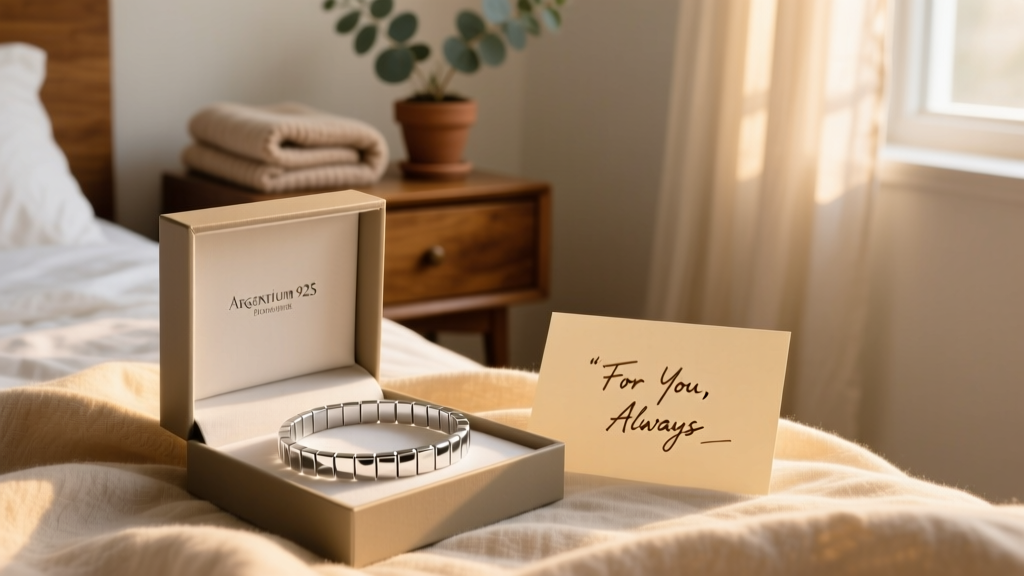
Under $50: Casual & Friendship Milestones
For Secret Santa exchanges, friendship anniversaries, or 'just because' gifts, the under $50 category offers excellent options. Look for lightweight 925 sterling silver chains (such as 1.0mm to 1.2mm cable or box chains) or simple 5mm to 8mm stud earrings featuring synthetic or semi-precious stones like cubic zirconia or black onyx. At this price point, ensure the clasp is a sturdy lobster clasp rather than a fragile spring ring, which is a common failure point on budget silver chains.
$50 - $150: Anniversaries & Graduations
This is the sweet spot for substantial, high-quality 925 sterling silver jewelry. Here, you can afford heavier chain profiles, such as a 3.0mm to 5.0mm Figaro or Cuban curb chain, which offer a satisfying weight and drape. For rings, this budget allows for solid band rings with intricate milgrain detailing or oxidized finishes that highlight the metal's texture. Hinged hoop earrings with a secure clicker closure also fall perfectly into this tier, offering both security and everyday elegance.
$150+: Designer & Heirloom Pieces
When crossing the $150 threshold, you are entering the realm of designer sterling silver and heavy-gauge statement pieces. Expect to find substantial cuff bracelets weighing over 40 grams, intricate filigree work, or pieces featuring genuine gemstones like turquoise, lapis lazuli, or moonstone set in secure bezel settings. Brands with established silversmithing heritage often command a premium here, but the assurance of ethical sourcing and superior finishing makes it ideal for major life milestones.
Authenticity Checks: Spotting Fake 925 Stamps Before Gifting
Because sterling silver holds inherent value, the market is unfortunately flooded with counterfeit pieces bearing fake '925' stamps. Before wrapping your gift, perform these non-destructive authenticity checks to ensure you are giving genuine sterling silver.
- The Magnet Test: Silver is paramagnetic (essentially non-magnetic). If you hold a strong rare-earth neodymium magnet to the piece and it sticks firmly, the core is likely steel or iron, and the piece is merely heavily plated. Note that the tiny steel springs inside lobster clasps may show slight magnetic pull, so test the main body of the chain or ring.
- The Ice Cube Test: Silver possesses the highest thermal conductivity of any common metal. Place an ice cube on the 925 silver piece at room temperature. If the ice begins to melt almost instantly—significantly faster than it would on a wooden table or plastic surface—the high thermal transfer indicates genuine silver.
- The Cloth Rub Test: Rub a soft, white microfiber cloth over the jewelry. If you see black marks on the cloth, this is actually a good sign; it indicates the oxidation of real silver reacting with the air and friction. Plated base metals typically leave no residue or reveal a different colored metal underneath.
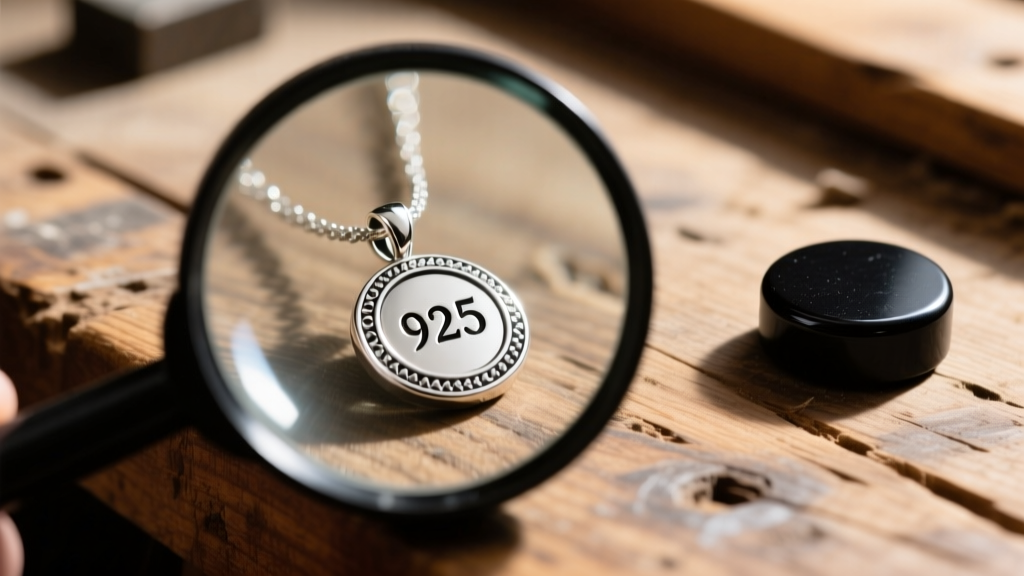
Elevating the Gift: Care Instructions to Include
The hallmark of an expert gift-giver is anticipating the recipient's needs after the unboxing. Sterling silver requires specific environmental controls to prevent the 7.5% copper alloy from reacting with sulfur in the air, which causes black tarnish. When packaging your 925 silver gift, elevate the experience by including a miniature 'Silver Care Kit'.
First, line the interior of the gift box with Pacific Silvercloth or include a small, sealed anti-tarnish strip (such as 3M strips) which absorbs ambient sulfur gases. Second, include a high-quality, dual-sided jeweler's polishing cloth—specifically one treated with mild micro-abrasives on the inner layer and a soft buffing flannel on the outer layer. Finally, include a handwritten note advising the recipient to avoid wearing the piece in chlorinated pools or hot springs, as sulfur and harsh chemicals will rapidly degrade the copper alloy and dull the silver's brilliance. By pairing a genuine 925 piece with the knowledge of how to preserve it, you transform a simple jewelry purchase into a lasting, heirloom-quality gesture.


