How to Use Silver Dip for Jewelry Safely: Beginner Guide
Learn how silver dip for jewelry works, when to avoid it, and safe cleaning methods to restore 925 sterling silver without damaging gemstones.

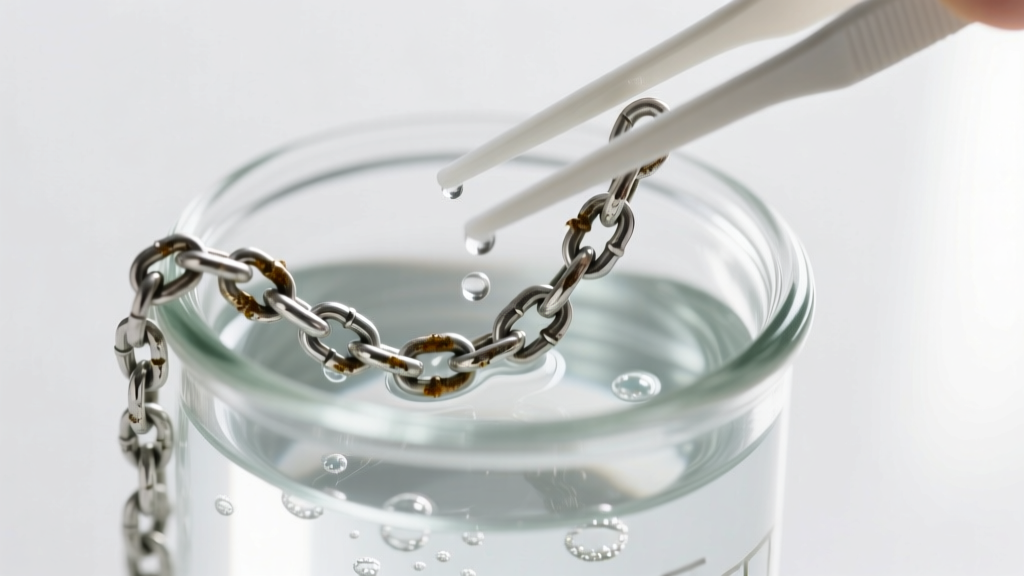
If you have ever watched a blackened, heavily tarnished silver chain turn brilliantly bright in a matter of seconds, you have likely witnessed the power of a chemical silver dip. For beginners looking to restore their favorite accessories, silver dip for jewelry feels like a magic trick. However, beneath that instant gratification lies a harsh chemical process that can permanently damage your prized pieces if used incorrectly.
In this comprehensive beginner's guide, we will break down the exact chemistry of silver dips, identify which gemstones will be destroyed by them, and provide a foolproof, step-by-step framework for using these solutions safely. Whether you are working with 925 sterling silver, 999 fine silver, or silver-plated items, understanding the limitations of chemical dips is crucial for long-term jewelry preservation.
The Chemistry: What Exactly Is Silver Dip?
To use silver dip for jewelry safely, you must first understand what it is doing to the metal. Tarnish on silver is not dirt; it is a chemical compound called silver sulfide ($Ag_2S$), which forms when silver reacts with sulfur compounds in the air, sweat, and cosmetics.
Most commercial silver dips rely on a highly active chemical called thiourea, suspended in a mild acid base (often sulfuric or hydrochloric acid). When you submerge tarnished jewelry, the thiourea chemically binds to the silver sulfide and strips it away from the surface, revealing the raw, untarnished silver underneath. Because it is an acid-based chemical reaction rather than a mechanical abrasion, it works in seconds and reaches into the deepest crevices of intricate filigree work where polishing cloths cannot reach.
Expert Warning: While thiourea is highly effective at removing tarnish, it is also toxic and corrosive. Never use silver dip on open wounds, and always ensure you are working in a well-ventilated area to avoid inhaling sulfur fumes.
The Danger Zone: When to Avoid Silver Dips
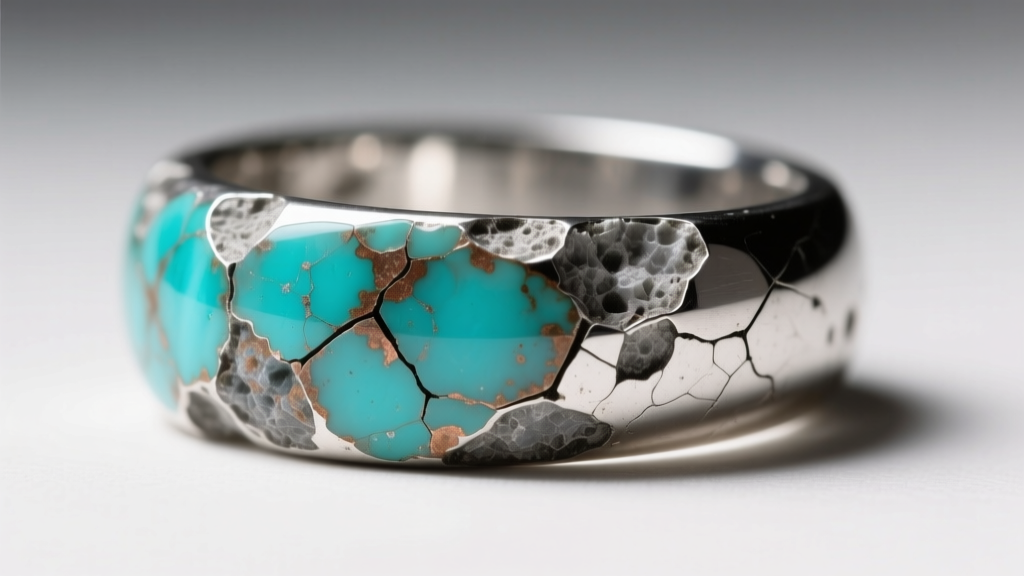
The most common mistake beginners make is treating silver dip as a universal cleaner. Because the solution is highly acidic and chemically aggressive, it will severely damage porous materials, organic gems, and intentional finishes. According to the Gemological Institute of America (GIA), organic and porous gemstones require highly specific, gentle care and should never be exposed to harsh household or commercial chemicals.
Material Compatibility Chart
| Material / Gemstone | Safe for Silver Dip? | Why / What Happens |
|---|---|---|
| 925 Sterling Silver (Bare) | Yes (with limits) | Removes tarnish quickly; must be neutralized. |
| 999 Fine Silver | Yes (with limits) | Highly reactive; requires very short dip times. |
| Rhodium-Plated Silver | No | Can strip or cloud the expensive rhodium finish. |
| Oxidized (Blackened) Silver | No | Strips the intentional dark patina instantly. |
| Pearls & Coral | No | Acid dissolves the calcium carbonate surface. |
| Turquoise, Opal & Lapis | No | Porous stones absorb the acid, causing permanent discoloration and cracking. |
| Diamonds, Sapphires, Rubies | Generally Yes | Non-porous and highly resistant to mild acids. |
Step-by-Step: How to Use Silver Dip for Jewelry Safely
If your piece is bare 925 sterling silver or features only non-porous gemstones (like diamonds or sapphires), you can use a silver dip. However, you must strictly control the exposure time and follow up with a vital neutralization step.
Step 1: Preparation and Pre-Cleaning
Never dip jewelry that is covered in lotions, oils, or heavy grime. The chemical solution cannot penetrate grease. Wash the piece first with warm water and a few drops of mild, phosphate-free dish soap. Dry it completely before dipping.
Step 2: The 10-Second Rule
Using plastic tweezers (metal tweezers can react with the acid and cause galvanic shock to the silver), lower the jewelry into the dip. Do not exceed 10 to 15 seconds. Beginners often assume that leaving the jewelry in longer will yield a better shine. In reality, prolonged exposure to thiourea and acid causes micro-pitting—a condition where the acid begins to eat into the raw silver itself, leaving a porous, dull, and frosty surface that cannot be polished out without professional buffing.
Step 3: The Crucial Neutralization Bath
This is the step most amateurs skip, leading to jewelry that retarnishes within 48 hours. The acid from the dip clings to the microscopic pores of the silver. If not neutralized, it will continue to eat the metal and accelerate future oxidization.
- Mix a paste of baking soda (sodium bicarbonate) and water, or create a baking soda bath (1 tablespoon per cup of warm water).
- Submerge the dipped jewelry in the alkaline baking soda solution for 60 seconds to completely halt the acid reaction.
- Rinse thoroughly under warm running water and dry immediately with a microfiber cloth.
The Hidden Dangers: Micro-Pitting and Patina Loss
While the Smithsonian Museum Conservation Institute notes that chemical dips are effective for rapid tarnish removal, they also warn that repeated use alters the surface topography of historical and delicate silver artifacts. In modern jewelry, this translates to a loss of luster over time.
Every time you use silver dip for jewelry, it strips away a microscopic layer of the metal. Over years of repeated dipping, intricate details on cast rings or hand-engraved pendants will begin to look soft or melted. Furthermore, if your jewelry features an intentional oxidized finish (where the jeweler has used liver of sulfur to blacken the recesses of the design for contrast), a silver dip will ruin the piece instantly, turning it a flat, uniform, and blindingly bright white.
Safer Alternatives to Chemical Silver Dips
If your jewelry contains porous gemstones, pearls, or intentional oxidation, you must avoid commercial silver dips entirely. Instead, rely on these beginner-friendly, highly effective alternatives:
1. The Electrochemical Aluminum Foil Method
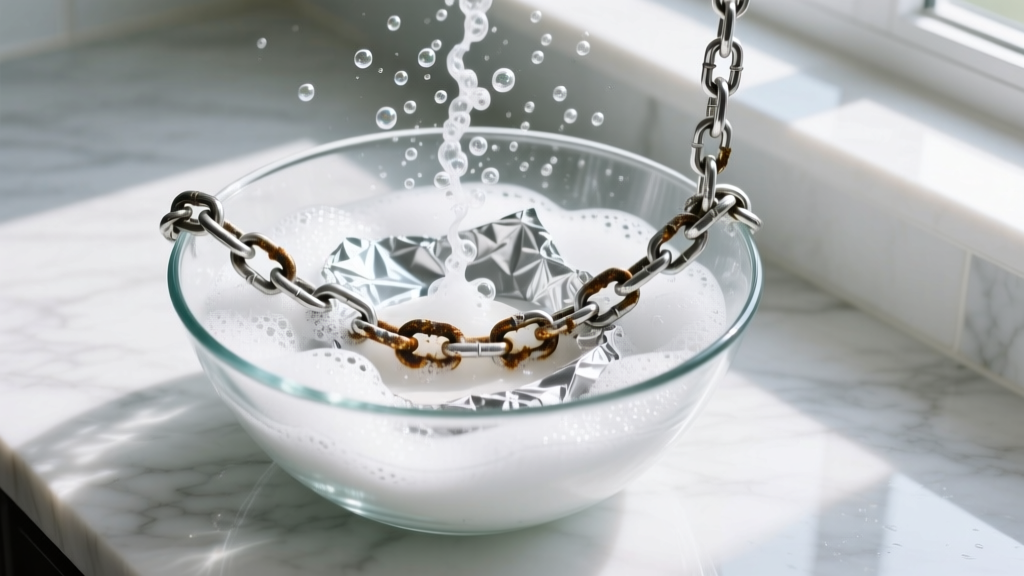
This science-fair classic uses ion exchange to reverse silver sulfide back into pure silver without stripping the metal or harming most gemstones.
- Line a glass or ceramic bowl with aluminum foil (shiny side up).
- Place your tarnished silver jewelry so it touches the foil.
- Sprinkle 1 tablespoon of baking soda and 1 tablespoon of sea salt over the jewelry.
- Pour boiling water into the bowl until the jewelry is submerged. You will see immediate bubbling and smell a faint sulfur (rotten egg) odor.
- Leave for 3 to 5 minutes, then remove with wooden or plastic tongs, rinse, and dry.
2. Impregnated Polishing Cloths
For routine maintenance and pieces with intentional oxidation, a high-quality jeweler's cloth (such as a Sunshine cloth) is the gold standard. These cloths are embedded with microscopic jeweler's rouge and anti-tarnish agents. They mechanically remove tarnish from the high points of the jewelry while leaving the dark, oxidized recesses intact, preserving the three-dimensional contrast of the design.
Frequently Asked Questions
Can I use silver dip on silver-plated jewelry?
Proceed with extreme caution. Silver-plated items have a microscopically thin layer of silver over a base metal (usually brass or copper). If the plating is already worn or compromised, the acid in the silver dip can seep through the microscopic cracks, react with the base metal, and cause the plating to blister, flake, or peel off entirely.
Why did my silver turn a strange copper/bronze color after dipping?
This usually happens with lower-grade silver alloys or heavily worn silver-plated items. The acid has stripped away the silver layer or reacted with the copper alloy mixed into the 925 sterling silver, bringing the copper to the surface. This can sometimes be polished away with a gentle abrasive cloth, but it indicates the metal's surface has been chemically altered.
How should I store silver dip for jewelry?
Store the solution in its original, tightly sealed container in a cool, dark place away from direct sunlight and extreme heat. Over time, the active thiourea compounds will break down and lose their efficacy. If the liquid turns dark brown or develops a thick sludge at the bottom, it is exhausted and should be disposed of according to your local hazardous waste guidelines.


