The Best Way to Clean Sterling Silver Jewelry: A Material Guide
Discover the best way to clean sterling silver jewelry by comparing metallurgical properties, electrochemical baths, and mechanical polishing methods.

The Chemistry of Tarnish: Why Sterling Silver Darkens
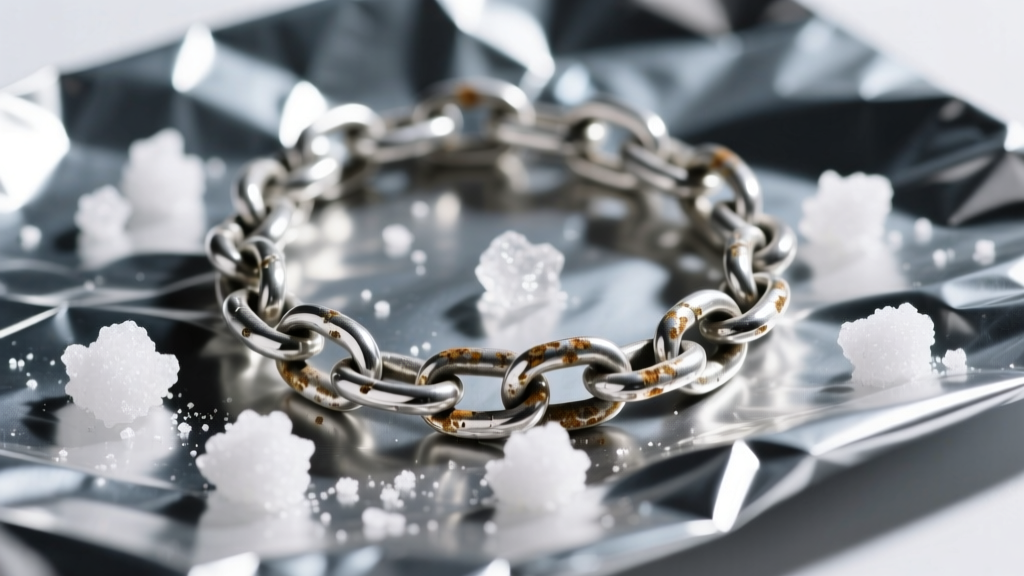
To determine the best way to clean sterling silver jewelry, we must first understand that tarnish is not dirt, grime, or oxidation in the traditional sense. Pure silver is remarkably stable and does not react with oxygen at room temperature. Instead, the dark, dull layer that forms on your jewelry is silver sulfide (Ag2S). This compound forms when silver reacts with sulfur compounds present in the atmosphere, which originate from industrial pollution, natural gas, wool, rubber, and even certain foods like eggs and onions.
According to the Gemological Institute of America (GIA), the copper alloyed into sterling silver plays a massive role in this degradation. Sterling silver is an alloy comprising 92.5% pure silver and 7.5% copper. While the silver remains relatively inert, the copper is highly reactive. When exposed to moisture and sulfur, the copper oxidizes and creates microscopic galvanic cells on the surface of the metal. These micro-batteries accelerate the sulfide bonding process, meaning sterling silver will always tarnish faster than pure silver. Understanding this metallurgical reality is the first step in choosing a cleaning method that removes the sulfide layer without destroying the underlying copper-silver matrix.
Comparing Silver Alloys: How Material Dictates Cleaning
Not all silver jewelry is created equal, and the specific alloy dictates how aggressive your cleaning method can be. Before applying any chemical or mechanical treatment, identify your material grade.
999 Fine Silver
Composed of 99.9% pure silver, this material is exceptionally soft and highly resistant to tarnish. Because it lacks copper, it does not form galvanic cells. When fine silver does tarnish, it is usually a very light, superficial yellowing. Mechanical polishing is rarely needed; a simple wash with mild soap and warm water is usually sufficient. Aggressive chemical dips can actually damage the soft surface by causing micro-pitting.
925 Sterling Silver
The industry standard for jewelry. The 7.5% copper content provides the necessary tensile strength for rings, chains, and prong settings, but it is the primary culprit behind heavy black tarnish. This is the material that requires the most strategic cleaning approach, which we will detail below. For hallmarking verification, The London Assay Office provides strict guidelines on identifying true 925 stamps versus silver-plated imitations.
Argentium Silver
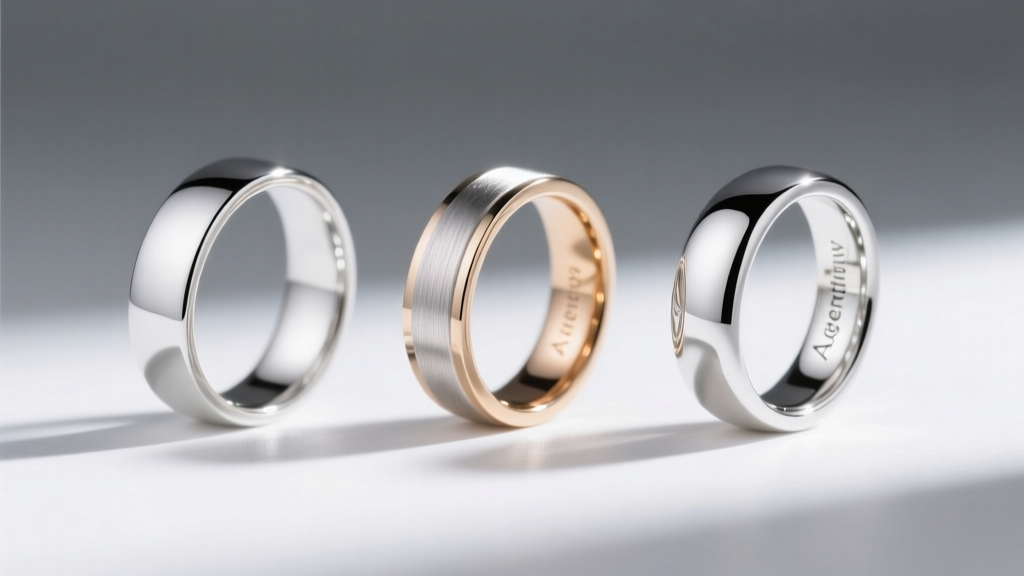
A modern metallurgical marvel, Argentium replaces some of the copper with germanium. When exposed to air, the germanium forms a transparent, protective layer of germanium dioxide on the surface, which physically blocks sulfur from reaching the silver. Argentium is highly tarnish-resistant. If it does require cleaning, avoid abrasive polishes, as you will strip away the protective germanium oxide layer and expose the raw alloy beneath.
Evaluating the Contenders: Which is the Best Way to Clean Sterling Silver Jewelry?
The jewelry industry is flooded with cleaning hacks, but from a materials science perspective, only a few methods are chemically sound. Here is a breakdown of the three primary cleaning mechanisms.
Method 1: The Electrochemical Reduction (Aluminum Foil Bath)
This is widely considered by metallurgists and conservators as the best way to clean sterling silver jewelry with heavy, uniform tarnish. Unlike polishes that remove metal, this method uses a redox (reduction-oxidation) reaction to convert the silver sulfide back into elemental silver. Aluminum has a higher oxidation potential than silver. When placed in an electrolyte solution (hot water and baking soda), the aluminum acts as the anode, sacrificing itself by giving up electrons. The silver sulfide acts as the cathode, gaining electrons and reducing back to pure silver. The sulfur bonds with the aluminum, forming water-soluble aluminum sulfide.
Method 2: Mechanical Polishing (Jeweler's Rouge Cloths)
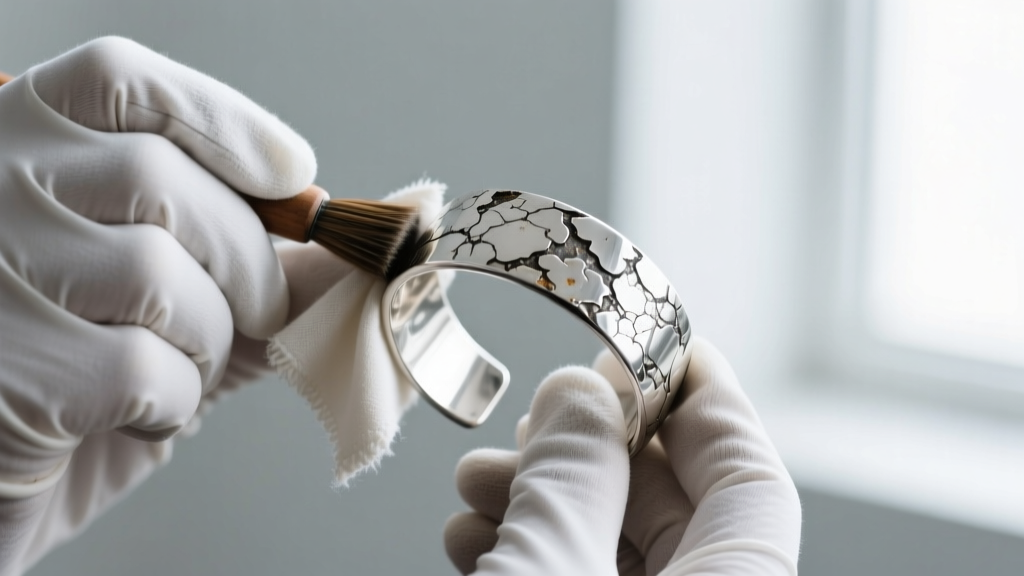
Treated polishing cloths are impregnated with mild abrasives, typically iron oxide (jeweler's rouge) or calcium carbonate. This method physically shears the silver sulfide layer off the surface of the jewelry. While excellent for light maintenance and high-shine finishing, it is inherently destructive. Every time you polish, you are removing microscopic layers of your silver. Over decades, this degrades the piece, rounding off sharp engravings and thinning delicate chains. Furthermore, mechanical polishing will completely strip away intentional oxidation (the black patina used to highlight recessed details in vintage or artisan pieces).
Method 3: Chemical Dips (Thiourea Solutions)
Commercial liquid dips rely on thiourea and hydrochloric acid to instantly dissolve silver sulfide. While they offer dramatic, instantaneous results, they are generally frowned upon by professional jewelers. The acid etches the surface of the silver at a microscopic level, leaving it highly porous. This rough surface area actually acts as a catalyst, causing the jewelry to tarnish much faster the next time it is exposed to air. Additionally, thiourea is a suspected carcinogen, making these dips hazardous to handle and difficult to dispose of safely.
Method Comparison Matrix
| Cleaning Method | Mechanism | Best Use Case | Metal Loss | Gemstone Safety |
|---|---|---|---|---|
| Electrochemical Bath | Redox Reaction | Heavy, uniform black tarnish | Zero | Low (Avoid porous stones) |
| Mechanical Polishing | Abrasive Shearing | Light tarnish, high-shine finish | Microscopic to Moderate | High (Safe for most stones) |
| Chemical Dips | Acid Dissolution | Complex filigree (with caution) | Surface Etching | Very Low (Highly corrosive) |
Step-by-Step: Executing the Electrochemical Method Safely
If you have determined that the electrochemical reduction is the best way to clean sterling silver jewelry in your collection, precision is required to ensure the chemical reaction activates properly. Follow these exact parameters:
- Preparation: Line the bottom and sides of a glass or ceramic bowl with heavy-duty aluminum foil. Ensure the shiny side is facing up to maximize surface contact.
- The Electrolyte: For every cup of water, add exactly 1 tablespoon of sodium bicarbonate (baking soda) and 1 tablespoon of non-iodized salt. The salt significantly increases the ionic conductivity of the water, speeding up the electron transfer.
- Thermal Activation: Pour boiling water into the bowl. The water must be at least 80°C (176°F). The redox reaction requires thermal activation energy; lukewarm or cold water will yield incomplete results.
- Submersion: Using wooden or plastic tongs, lower your sterling silver jewelry into the solution. Critical Step: The silver must physically touch the aluminum foil to close the electrical circuit. If it floats in the middle of the bowl without touching the foil, the reaction will not occur.
- Extraction: Allow the jewelry to sit for 2 to 5 minutes. You will likely smell a faint rotten egg odor (hydrogen sulfide gas being released). Remove the jewelry with non-metallic tongs, rinse thoroughly under cool distilled water, and dry immediately with a microfiber cloth to prevent water spotting.
When to Avoid DIY: Professional Ultrasonic and Steam Limits
While the electrochemical bath is the best way to clean sterling silver jewelry made entirely of metal, it becomes dangerous when gemstones are introduced. Porous, organic, or fractured stones—such as turquoise, lapis lazuli, opals, pearls, and emeralds—will absorb the alkaline electrolyte solution, leading to irreversible discoloration or structural crumbling. For these pieces, mechanical polishing with a soft, untreated microfiber cloth is the only safe DIY option.
Professional jewelers utilize ultrasonic cleaners, which use high-frequency sound waves to create microscopic cavitation bubbles that blast dirt from prong settings. However, ultrasonic waves can shatter brittle gems and loosen the adhesives used in cluster settings. Steam cleaners are excellent for removing skin oils and lotions from diamond and sapphire sterling silver rings, but the intense heat and pressure will instantly crack temperature-sensitive stones like tanzanite. Always consult a professional jeweler when dealing with high-value sterling silver pieces featuring complex gemstone arrays.
Conclusion
Finding the best way to clean sterling silver jewelry is not about buying the most expensive commercial polish; it is about understanding the metallurgy of your specific piece. By recognizing the difference between 999 fine silver, 925 sterling, and Argentium, and by leveraging the power of electrochemical reduction over destructive abrasives or harsh chemical dips, you can preserve the structural integrity and brilliant luster of your silver for generations. Treat your silver not just as an accessory, but as a reactive alloy that requires informed, science-backed care.


