The Ultimate Guide to Cleaning and Storing 925 Silver Jewelry
Discover expert methods to clean, polish, and store 925 silver jewelry. Learn the chemistry of tarnish and safe cleaning techniques for longevity.

The Chemistry of Tarnish: Why Your Silver Darkens
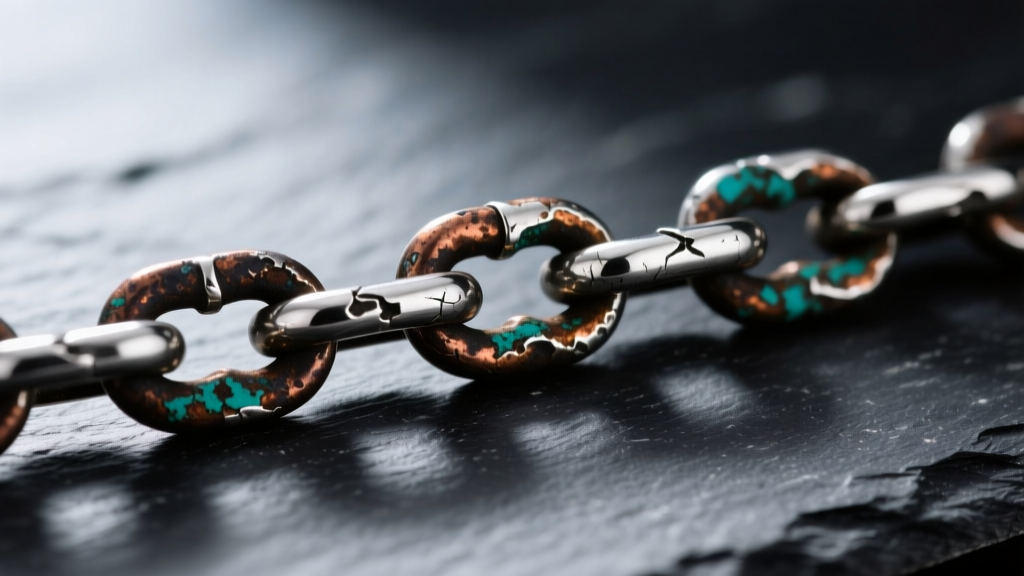
To properly care for your collection, you must first understand the metallurgy of your pieces. According to the Federal Trade Commission Jewelry Guides, authentic sterling silver must contain exactly 92.5% pure silver and 7.5% alloy metals—most commonly copper. Pure silver is entirely immune to atmospheric tarnish, but it is too soft for daily wear. The 7.5% copper addition provides the necessary tensile strength for rings, chains, and clasps, but it introduces a chemical vulnerability.
Tarnish is not a sign of poor quality; it is a predictable chemical reaction. When the copper in your 925 silver jewelry is exposed to hydrogen sulfide in the air, it forms copper sulfide, which manifests as a yellowish, brown, or black film on the surface. High humidity, airborne pollutants, and even everyday items like rubber bands, wool, and certain foods (like eggs and onions) accelerate the release of sulfur compounds. Understanding this redox reaction is the first step toward reversing it without damaging the underlying metal.
The Electrolytic Cleaning Method (Safe for Most Pieces)
For heavily tarnished chains, bangles, and solid metal pieces without porous gemstones, the electrolytic bath is the gold standard. Unlike abrasive polishing, which physically removes microscopic layers of silver along with the tarnish, this method uses a redox reaction to convert the silver sulfide back into pure silver.
Step-by-Step Electrolytic Bath Protocol
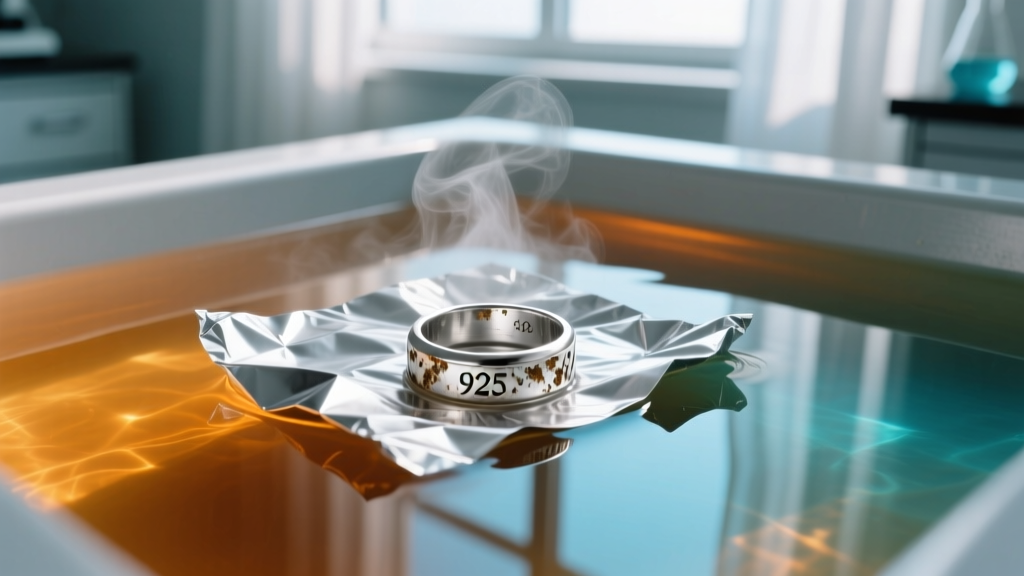
- Prepare the Vessel: Line a glass or ceramic bowl with heavy-duty aluminum foil, shiny side up. The aluminum will act as the sacrificial anode.
- Add the Catalysts: Pour in 1 tablespoon of baking soda (sodium bicarbonate) and 1 tablespoon of sea salt. Avoid baking powders or synthetic detergents.
- Activate the Solution: Carefully pour 1 cup of boiling water into the bowl. The heat accelerates the ionic transfer, and you will immediately notice a sulfurous, 'rotten egg' odor as the sulfur releases from the silver.
- Submerge the Jewelry: Using wooden or plastic tongs, place your 925 silver jewelry into the solution. Ensure the metal physically touches the aluminum foil. This contact completes the electrical circuit required for the ion transfer.
- Rinse and Dry: After 2 to 5 minutes, remove the piece, rinse it thoroughly under warm distilled water, and buff it dry with a clean microfiber cloth.
Gemstone Compatibility: When to Avoid DIY Baths
While the electrolytic method is miraculous for bare metal, it can be catastrophic for organic or porous gemstones. The boiling water and alkaline environment can fracture heat-sensitive stones, dissolve natural oils, or permanently cloud porous surfaces. The Gemological Institute of America (GIA) strongly advises against submerging treated or organic gems in any chemical or heated bath.
| Gemstone | Mohs Hardness | Porosity | Electrolytic Bath Safe? | Recommended Cleaning Method |
|---|---|---|---|---|
| Diamond | 10 | None | Yes | Ultrasonic or Electrolytic |
| Sapphire / Ruby | 9 | None | Yes | Mild soap and warm water |
| Amethyst / Citrine | 7 | Low | No (Heat Risk) | Soft brush, lukewarm soapy water |
| Turquoise | 5 - 6 | High | Absolutely Not | Dry, soft microfiber cloth only |
| Opal | 5.5 - 6.5 | High | Absolutely Not | Damp cloth, avoid temperature shocks |
| Pearl | 2.5 - 4.5 | Organic | Absolutely Not | Wipe with damp cloth, never submerge |
If your 925 silver jewelry features any of the 'Absolutely Not' stones, you must clean the metal manually using a cotton swab dipped in a gentle silver polish, carefully avoiding the gemstone and its setting.
The Truth About Commercial Dips and Polishes
Walk into any supermarket, and you will find liquid silver dips promising instant results. These products typically rely on thiourea, a toxic chemical that strips tarnish in seconds. However, professional jewelers and conservators universally condemn thiourea-based dips for fine jewelry. The acid etches the surface of the silver at a microscopic level, creating a rough, pitted texture that actually attracts sulfur and causes the piece to tarnish much faster in the future.
Instead, invest in high-quality, non-abrasive polishing creams or treated cloths. Brands like Hagerty and Connoisseurs formulate their creams with mild, non-scratching surfactants that lift tarnish without compromising the silver's luster. For intricate filigree or chains where a cloth cannot reach, use a dedicated, extra-soft horsehair jewelry brush to work the polish into the crevices, followed by a thorough rinse with distilled water.
Expert Warning on Oxidized Finishes: Many contemporary designers intentionally oxidize the recesses of 925 silver jewelry to create contrast and highlight textured details. Never use liquid dips or electrolytic baths on these pieces, as they will strip the intentional black patina, leaving the jewelry looking flat and washed out. Stick to a dry polishing cloth, gently rubbing only the raised surfaces.
Advanced Storage Protocols to Halt Oxidation
Proper storage is the most effective, yet most frequently ignored, aspect of silver maintenance. The goal is to create a micro-environment devoid of moisture and airborne sulfur. Tossing your jewelry into a velvet-lined wooden box or leaving it on a bathroom counter guarantees rapid tarnishing due to ambient humidity and the off-gassing of sulfur-based adhesives used in cheap display cases.
The Ideal Storage Ecosystem
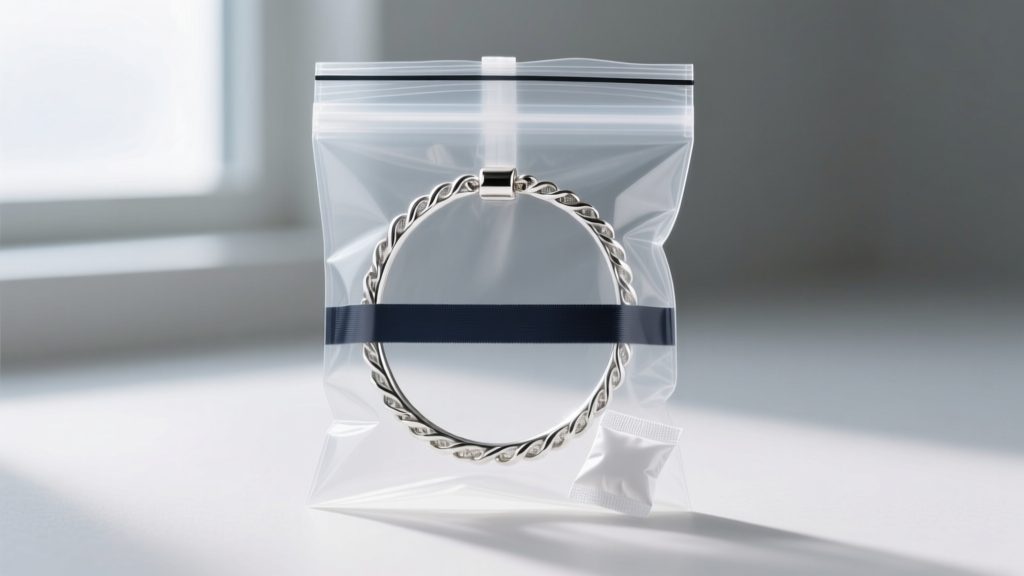
- Polyethylene over PVC: Never store silver in polyvinyl chloride (PVC) plastics or rubber bands. PVC degrades over time, releasing sulfuric gases that will rapidly blacken your silver. Always use archival-safe polyethylene or polypropylene ziplock bags.
- Anti-Tarnish Strips: Drop a 3M anti-tarnish strip into each sealed bag. These strips contain copper-based particles that act as a sacrificial magnet, absorbing ambient sulfur before it can reach your jewelry. They remain effective for 6 to 12 months in a sealed environment.
- Moisture Control: Include a small, renewable silica gel desiccant packet in your storage bags to keep relative humidity below 50%, drastically slowing the oxidation process.
- Pacific Silvercloth: For high-value or heirloom pieces, wrap them in Pacific Silvercloth. This specialized cotton fabric is embedded with microscopic silver particles that capture and neutralize sulfur gases, protecting the jewelry inside for years.
The 'Wear It' Rule
Ironically, one of the best ways to maintain the shine of your everyday 925 silver rings and bracelets is to wear them frequently. The natural friction from your clothing and skin, combined with your body's natural oils, creates a gentle, continuous polishing effect that prevents sulfur buildup. Reserve your airtight storage protocols for seasonal pieces, heirlooms, and jewelry that you only wear on special occasions.


