2026 Trends: How to Wash Silver Jewelry With Oxidized Finishes
Discover the 2026 oxidized and ruthenium silver wash trends. Learn exactly how to wash silver jewelry with darkened or plated finishes without stripping them.

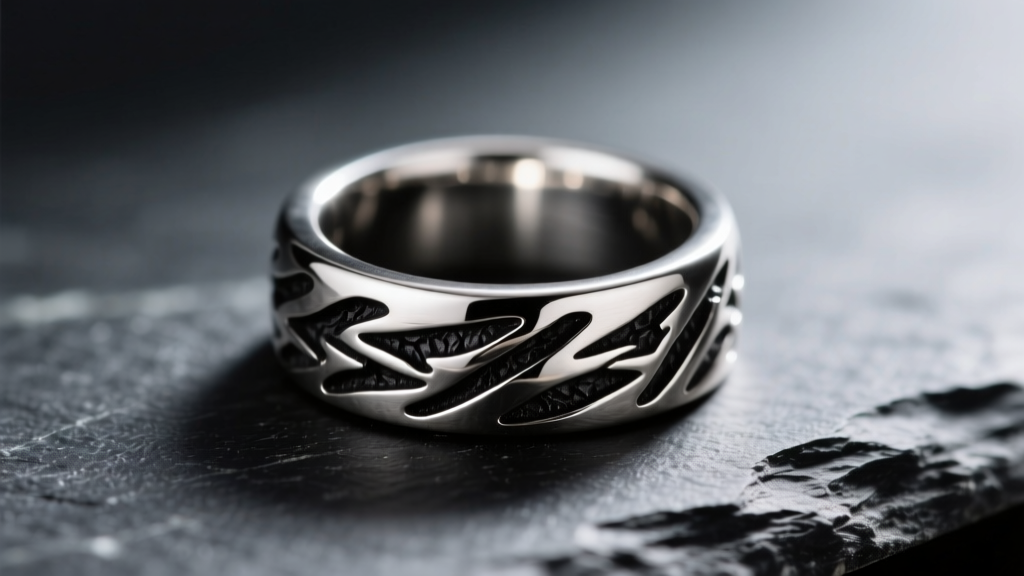
The landscape of sterling silver jewelry has undergone a radical transformation as we move through 2026. Gone are the days when blindingly bright, high-polish rhodium plating was the undisputed standard for luxury silver. Today’s runways and independent artisan studios are dominated by moody, textured, and intentionally aged aesthetics. From deep liver-of-sulfur patinas to ultra-modern ruthenium and black rhodium washes, the 'washed' silver trend is redefining contemporary adornment. However, this stylistic evolution introduces a complex metallurgical challenge for collectors and everyday wearers alike: standard cleaning methods will instantly destroy these carefully curated finishes.
As a style and trend analyst, I frequently see expensive, trend-forward pieces ruined by well-meaning owners who use traditional silver dips. When you wash silver jewelry featuring intentional patinas or dark metal platings, you must abandon the conventional rules of silver care. This comprehensive guide breaks down the chemistry of 2026’s dominant silver finishes and provides a meticulous, finish-specific protocol for maintaining your pieces without compromising their artistic integrity.
The 2026 Shift: From High-Polish to 'Washed' Silver Aesthetics
To understand how to care for these pieces, we must first understand the design philosophy driving the 2026 market. The shift toward 'washed' finishes—where the silver is either chemically darkened or plated with dark platinum-group metals—stems from a broader cultural desire for authenticity, heritage, and tactile depth in fashion. High-polish silver, while classic, often reads as sterile or overly formal in the context of contemporary streetwear and neo-gothic luxury.
The Three Dominant Washes of 2026
- The Antique Wash (Liver of Sulfur): This is a chemical patina, not a plating. Artisans use potassium sulfide solutions to force the silver to oxidize, creating a layer of black silver sulfide. The piece is then lightly polished to leave darkness only in the recesses, highlighting intricate engravings and textures.
- The Ruthenium Wash: Ruthenium is a rare platinum-group metal. When electroplated onto sterling silver, it yields a gunmetal-gray to deep black finish that is highly scratch-resistant and entirely immune to traditional tarnish.
- The Black Rhodium Wash: Similar to standard rhodium plating but alloyed or treated to produce a dark, charcoal-like sheen. It offers the brilliance of rhodium with a brooding, modern color palette.
The Chemistry of Trendy Finishes (And Why Standard Cleaning Ruins Them)
The most critical mistake consumers make is treating oxidized or plated silver exactly like raw, high-polish sterling silver. Traditional liquid silver cleaners rely on harsh reducing agents, primarily thiourea, which chemically strip silver sulfide (tarnish) from the metal's surface.
'Thiourea-based silver dips do not discriminate between accidental environmental tarnish and an artisan's intentional liver-of-sulfur patina. A three-second submersion will strip hours of meticulous antique washing, leaving the piece looking flat, gray, and chemically burned.' — Rio Grande Metallurgy Guidelines
Similarly, abrasive silver polishing cloths are embedded with microscopic jeweler's rouge or silica. While excellent for bringing up a mirror shine on a plain silver bangle, rubbing an abrasive cloth over a black rhodium or ruthenium wash will literally sand the micron-thin plating off the sterling silver base, resulting in irreversible, patchy wear.
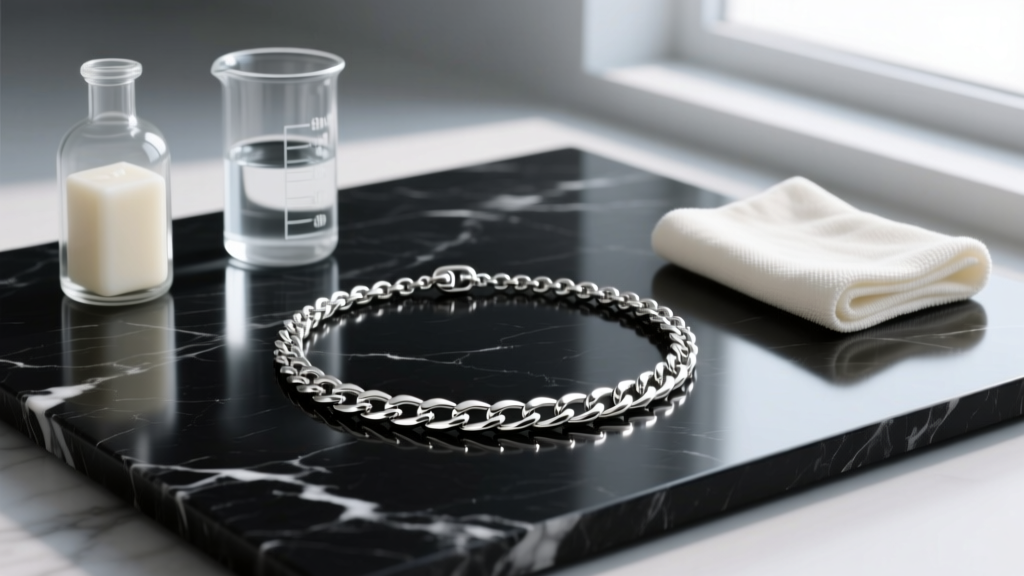
The Ultimate Protocol: How to Wash Silver Jewelry by Finish Type
Because the structural integrity of these finishes varies wildly, your washing protocol must be tailored to the specific treatment. Below is the definitive 2026 framework for washing silver jewelry based on its surface finish.
| Finish Type | Base Material | Approved Washing Protocol | Forbidden Agents |
|---|---|---|---|
| Antique Wash (Oxidized) | Sterling Silver (Ag925) | Mild phosphate-free soap, distilled water, soft-bristle baby toothbrush. Pat dry. | Silver dips, baking soda paste, ultrasonic cleaners, abrasive cloths. |
| Ruthenium Wash | Sterling Silver (Ag925) | Microfiber cloth dampened with distilled water. Gentle wiping only. | Chlorine bleach, ammonia, toothpaste, hard-bristle brushes. |
| Black Rhodium Wash | Sterling Silver (Ag925) | Lint-free cloth with a drop of diluted dish soap. Rinse quickly with distilled water. | Silver dips, ultrasonic heat, polishing wheels, chemical tarnish removers. |
Spot-Cleaning vs. Immersion: A 2026 Stylist’s Framework
The golden rule for washed and oxidized silver in 2026 is to avoid full immersion whenever possible. Water, particularly tap water, contains trace amounts of chlorine, sulfur, and heavy minerals that can react unpredictably with both the silver alloy and the chemical patinas.
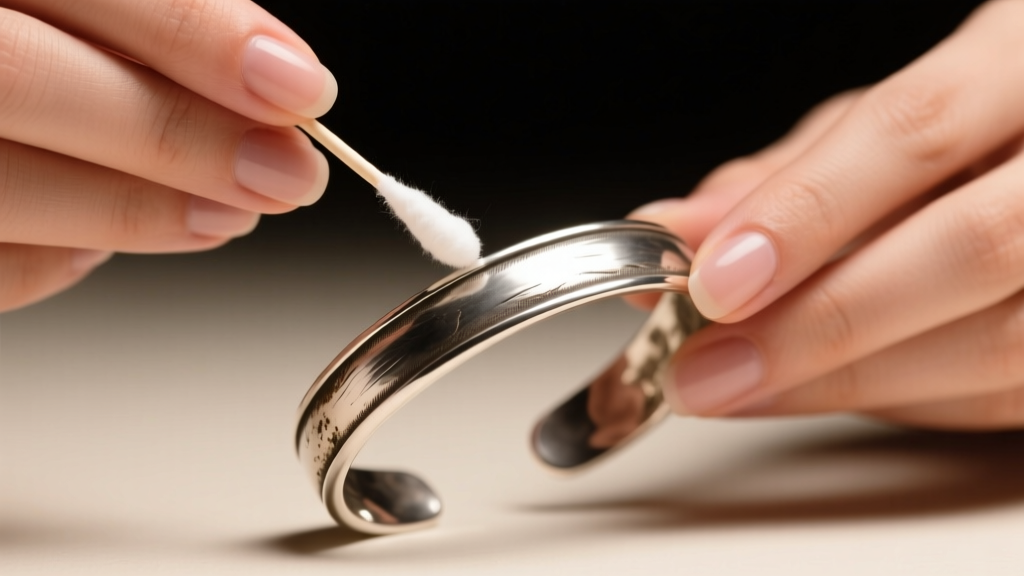
The Q-Tip and Distilled Water Method
For intricate pieces like oxidized signet rings or textured cuff bracelets, spot-cleaning is the superior approach. Dip a cotton swab or a soft, lint-free microfiber swab into distilled water (never tap water). Gently trace the high-polish edges of the jewelry where skin oils and lotions accumulate. This removes the daily grime that dulls the metal's reflectivity without disturbing the darkened crevices that provide the piece's visual contrast.
Ultrasonic Cleaners: A Trend-Killer
While ultrasonic cleaners are a staple in professional jewelry workshops for cleaning raw metals and diamonds, they are catastrophic for washed silver. The high-frequency cavitation bubbles created by ultrasonic machines can cause micro-fractures in electroplated layers like black rhodium, leading to peeling and flaking. Furthermore, the heat generated by the ultrasonic waves can alter the chemical structure of a liver-of-sulfur patina, turning a rich, velvety black into a sickly, iridescent purple or brown.
Preserving the Patina: Storage and Wearability Trends
How you store your washed silver is just as critical as how you wash it. The 2026 trend of 'living finishes'—where the jewelry is designed to wear and evolve with the user—still requires baseline environmental protection to prevent structural degradation.
The Anti-Tarnish Ecosystem
According to the Gemological Institute of America (GIA), silver is highly reactive to sulfur compounds in the air. While an antique-washed piece is already oxidized, the underlying sterling silver (which is 7.5% copper) is still susceptible to copper-oxide tarnish, which manifests as a dull, muddy brown rather than a sleek black.
- Silica Gel Packets: Always store washed silver with fresh silica gel packets to control ambient humidity, which accelerates copper oxidation.
- Pacific Silvercloth: Invest in storage bags lined with Pacific Silvercloth or similar zinc-impregnated fabrics that absorb airborne sulfur before it reaches the jewelry.
- Avoid Polyethylene: Never store oxidized or plated silver in standard plastic zip-top bags. Many commercial plastics emit volatile organic compounds (VOCs) and sulfur gases as they degrade, which will ruin the finish.
When to Seek Professional Re-Washing
Despite meticulous care, friction from daily wear will eventually wear down the high points of an antique wash or thin out a black rhodium plating. This is not a failure of care, but a natural consequence of the 2026 aesthetic. When the contrast between the dark recesses and the bright silver edges becomes entirely lost, do not attempt to fix it with silver polish.
Instead, consult a professional bench jeweler. For oxidized pieces, the jeweler can re-dip the item in a heated liver of sulfur solution and re-pumice the high points in under ten minutes. For ruthenium or black rhodium washes, the piece must be professionally stripped, polished, and re-plated using a specialized rectifier. Understanding the lifecycle of these finishes ensures that your investment in contemporary silver trends remains pristine for decades.
Conclusion
The dominance of oxidized, ruthenium, and black rhodium finishes in 2026 represents a maturation of silver jewelry from a mere precious metal to a complex canvas for artistic expression. Learning how to properly wash silver jewelry with these specialty finishes requires a departure from outdated, aggressive cleaning habits. By embracing gentle, targeted spot-cleaning, utilizing distilled water, and respecting the delicate chemistry of modern patinas, you can preserve the moody, architectural beauty of your collection. Treat your washed silver not as a low-maintenance metal, but as a curated work of art.


