What Does a 925 Mean on Jewelry? The Complete Beginner's Guide
Discover what a 925 stamp means on jewelry. Learn how to identify real sterling silver, avoid fakes, and understand silver purity marks in this guide.

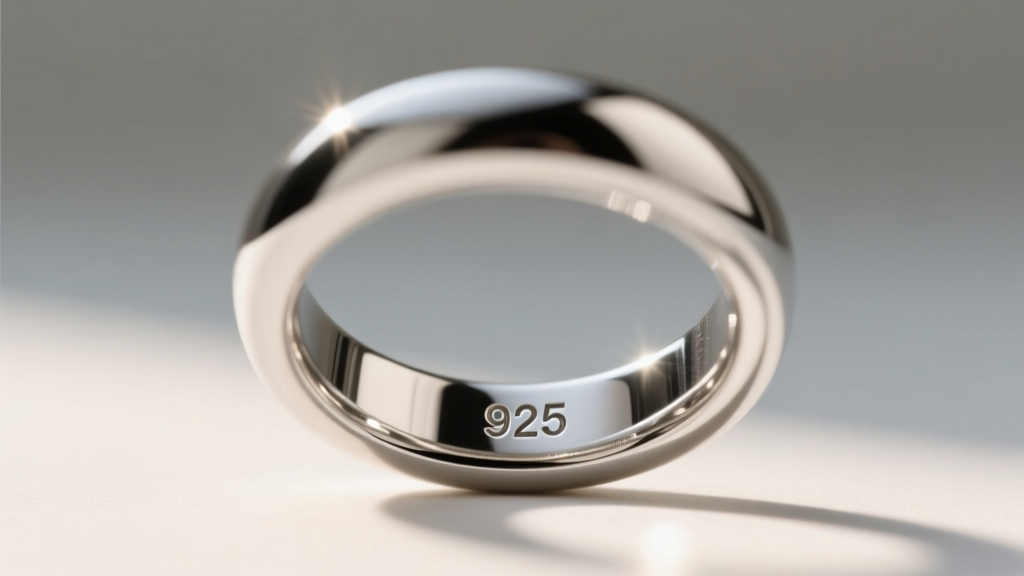
The Short Answer: Decoding the 925 Stamp
When you turn over a silver ring, bracelet, or pendant and spot a tiny 925 stamp, you are looking at the universal hallmark for sterling silver. But what does a 925 mean on jewelry exactly? In metallurgical terms, it signifies that the piece is composed of 92.5% pure silver and 7.5% secondary alloy metals.
According to the Federal Trade Commission (FTC) Jewelry Guides, an item can only be legally stamped '925', 'Sterling', or 'Ster' if it contains a minimum of 925 parts per thousand of fine silver. This stamp is your primary guarantee of material authenticity, protecting you from overpaying for silver-plated base metals disguised as solid precious metals.
The Metallurgy: Why Pure Silver Fails in Jewelry
To understand the necessity of the 925 standard, we have to look at the physical properties of pure silver. Fine silver (99.9% purity) sits at a 2.5 to 3 on the Mohs hardness scale. While this makes it incredibly malleable and highly resistant to tarnish, it is far too soft for functional jewelry. A ring made of pure silver would bend out of shape within days of daily wear, and prongs securing gemstones would easily pull back, resulting in lost diamonds or sapphires.
By alloying 92.5% silver with 7.5% copper, jewelers create sterling silver, which jumps to a 3.5 to 4 on the Mohs scale. This copper addition alters the grain structure of the metal, providing the necessary tensile strength and durability for rings, clasps, and intricate filigree work without sacrificing the brilliant white luster of the silver.
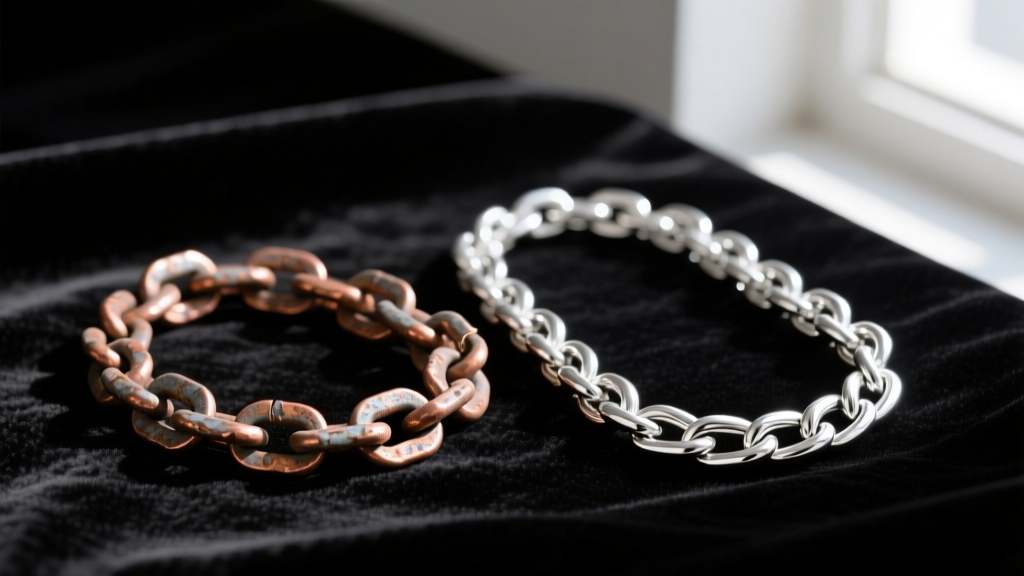
However, copper is highly reactive to oxygen and sulfur, which is why traditional 925 sterling silver tarnishes. In recent years, metallurgists have developed advanced alternatives like Argentium silver. Argentium replaces a portion of the copper with the metalloid germanium, which creates a transparent, self-healing oxide layer on the surface, making the 925 alloy highly tarnish-resistant while maintaining the legal 92.5% purity requirement.
925 vs. Other Silver Stamps: A Purity Comparison
While 925 is the global standard for sterling silver, you may encounter other numerical stamps on vintage, antique, or international pieces. Understanding these variations is crucial for accurate valuation and proper care.
| Stamp | Purity | Common Name | Best Use Case & Characteristics |
|---|---|---|---|
| 999 | 99.9% | Fine Silver | Investment bullion, bezel wire for stone setting. Highly tarnish-resistant but too soft for structural rings or chains. |
| 925 | 92.5% | Sterling Silver | The global standard for fine jewelry. Excellent balance of durability, luster, and workability. Prone to cupric oxide tarnish. |
| 900 | 90.0% | Coin Silver | Common in antique American flatware and vintage jewelry (pre-1960s). Slightly harder than sterling due to higher copper content. |
| 800 | 80.0% | Continental Silver | Frequently found in vintage European jewelry, German silverware, and watch cases. Highly durable but noticeably darker and less reflective. |
As noted by the Gemological Institute of America (GIA), any piece stamped with a number lower than 900 is generally not considered precious silver jewelry in the United States, though it may still hold historical or antique value.
How to Spot Fake 925 Stamps and Silver-Plated Fakes
Because the 925 stamp adds immediate monetary value, bad actors frequently stamp base metals or silver-plated brass with a fake '925' mark. Here is how to verify your jewelry using professional troubleshooting methods:
1. The Neodymium Magnet Test
Silver is diamagnetic, meaning it does not attract to magnets and actually exhibits a very weak repulsion. Take a strong rare-earth neodymium magnet and hold it near the clasp or chain. If the jewelry snaps to the magnet or shows strong attraction, the core is likely steel, iron, or nickel. Note: This test is inconclusive for brass or copper cores, which are also non-magnetic.
2. The Thermal Conductivity (Ice) Test
Silver possesses the highest thermal conductivity of any common metal. Place an ice cube on a flat section of the 925 jewelry and another on a standard countertop. The ice on the real silver will begin melting almost instantaneously, significantly faster than the control ice cube, as the silver rapidly pulls ambient heat into the ice.
3. The Acid Test (Schwerter's Solution)
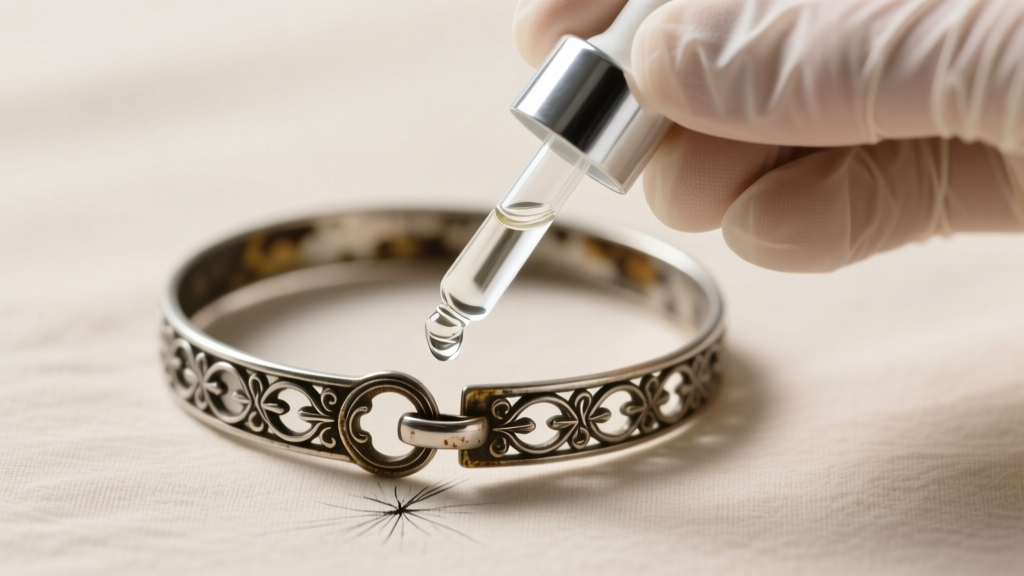
For definitive proof, jewelers use an acid testing kit. You must file a tiny, discreet notch into the metal (to bypass any surface plating) and apply a drop of silver testing acid (typically a mix of nitric acid and potassium dichromate).
- Blood Red: Fine Silver (999)
- Dark Red / Maroon: Sterling Silver (925)
- Brown: 800 Silver
- Green: Base metal or silver-plated brass/copper
International Variations of the 925 Mark
If you are buying vintage or imported jewelry, the '925' number might be replaced by a pictorial hallmark. In the United Kingdom, the Birmingham Assay Office and other official assay offices mandate a strict hallmarking system. A genuine UK sterling silver piece will feature a Lion Passant (a walking lion with its right forepaw raised) rather than the numbers 925.
In France, the standard mark for sterling silver (known locally as argent massif) is the Minerva Head profile, which guarantees a minimum purity of 92.5%. Recognizing these pictorial stamps is essential for collectors and investors navigating estate sales and international auctions.
Caring for Your 925 Sterling Silver Pieces
The 7.5% copper in 925 silver reacts with hydrogen sulfide in the air to create silver sulfide, the black tarnish that dulls your jewelry. Proper care requires a proactive approach rather than just reactive polishing.
Expert Warning: Never use commercial liquid 'silver dips' on 925 jewelry set with porous gemstones. These dips rely on thiourea and harsh acids that will permanently etch and cloud stones like turquoise, opals, pearls, and emeralds. Stick to manual polishing for mixed-material pieces.
For routine maintenance, use a dedicated microfiber jeweler's cloth. Avoid paper towels or tissues, as their wood-pulp fibers can cause micro-scratches on high-polish silver. For heavy tarnish, a paste made of baking soda and water applied with a soft-bristled toothbrush will safely lift silver sulfide without removing the underlying metal.
When storing your 925 pieces, avoid standard plastic ziplock bags, which can trap moisture and actually accelerate tarnishing. Instead, invest in 3M Pacific Silvercloth bags or use anti-tarnish silica strips (like those from Intercept Technology) inside your jewelry box. These materials actively absorb and neutralize airborne sulfur compounds, keeping your 925 jewelry bright and ready to wear for years.


