Stainless Steel Jewelry Hypoallergenic: 2026 Trend Guide
Is stainless steel jewelry hypoallergenic? We analyze 2026 trends, 316L metallurgy, nickel migration rates, and safe styles for sensitive skin.

The Metallurgy of "Hypoallergenic" in 2026
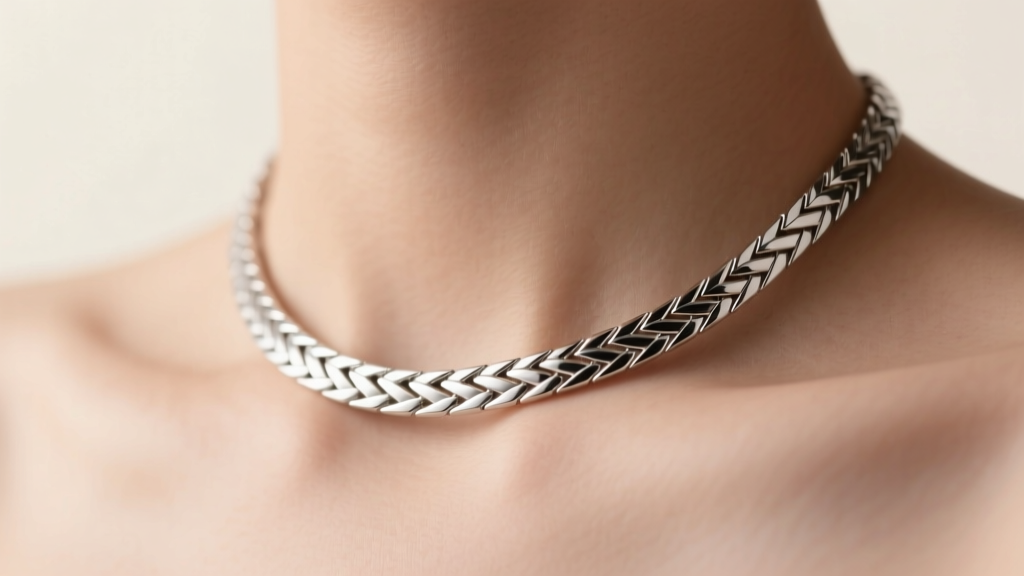
The debate surrounding stainless steel jewelry hypoallergenic claims is more relevant than ever in 2026. As maximalist body curation and heavy metallic aesthetics dominate the fashion cycle, consumers with sensitive skin are caught between trend adoption and contact dermatitis. To understand the reality, we must look past marketing buzzwords and examine the metallurgical behavior of surgical steel alloys when exposed to human skin chemistry.
True hypoallergenic metals, like pure titanium or 24k gold, contain no common allergens. Stainless steel, however, is an alloy. The most common variant used in premium body jewelry is 316L (often branded as surgical steel). Its composition typically includes 16-18% chromium, 10-14% nickel, and 2-3% molybdenum. Yes, it contains nickel—the exact metal responsible for over 18% of contact dermatitis cases globally, according to the Mayo Clinic. So, how can it be marketed as safe for sensitive skin?
The secret lies in the passivation layer. When chromium is exposed to oxygen, it forms a microscopic, invisible shield of chromium oxide on the surface of the jewelry. This layer traps the nickel inside the alloy matrix, preventing it from leaching into the skin. However, this barrier is not invincible. Friction, acidic sweat, and poor manufacturing finishes can compromise the passivation layer, triggering allergic reactions.
316L vs. 304: The Nickel Migration Reality
Not all stainless steel is created equal. Fast-fashion brands frequently use 304 stainless steel or the cheaper 200-series alloys to cut costs. While 304 is excellent for kitchen sinks, it lacks the molybdenum found in 316L. Molybdenum is critical because it drastically increases resistance to localized corrosion, particularly from chlorides (like human sweat). Under the strict EU Nickel Directive (EN 1811:2011), jewelry worn against the skin must not release more than 0.5 µg/cm²/week of nickel. High-quality, mirror-polished 316L consistently passes this test, whereas 304 often fails when exposed to prolonged moisture.
| Alloy Grade | Nickel Content | Molybdenum | Sweat Corrosion Resistance | Hypoallergenic Rating (Healed Skin) |
|---|---|---|---|---|
| 316L (Surgical) | 10 - 14% | 2.0 - 3.0% | Exceptional | Excellent (Passes EN 1811) |
| 304 (Commercial) | 8 - 10.5% | 0% | Moderate | Poor (Fails prolonged wear) |
| 430 (Ferritic) | 0.5% | 0% | Low | High (but brittle for jewelry) |
2026 Style Trends vs. Skin Sensitivity
As we navigate the 2026 jewelry landscape, specific aesthetic trends are directly impacting how stainless steel interacts with the skin. The physical design of a piece dictates its friction levels, weight distribution, and cleaning difficulty—all of which influence the stability of the chromium oxide layer.
Trend 1: Ear Curation and Threadless Flat-Backs
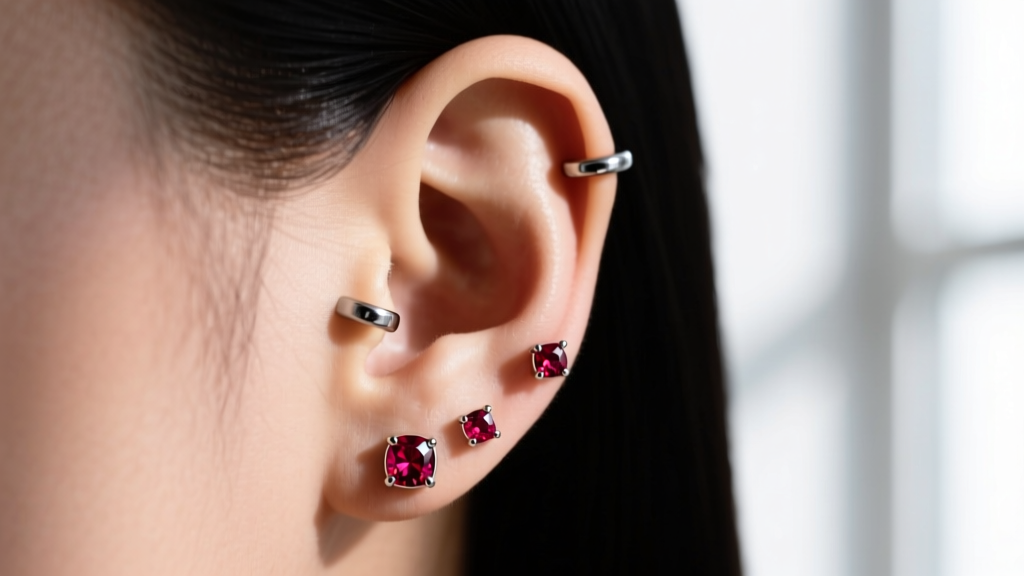
The "ear curation" movement has evolved from simple stud clusters to highly engineered, multi-point constellations. The undisputed king of this trend is the flat-back labret, typically worn in 14G (1.6mm) or 16G (1.2mm) thicknesses. In 2026, threadless (push-fit) 316L stainless steel ends are dominating the market due to their secure tension-fit mechanism, which eliminates the cross-threading issues of internally threaded jewelry.
From a dermatological perspective, flat-back 316L posts are highly successful for healed piercings. The smooth, mirror-polished surface of a high-grade labret minimizes friction against the fistula (the piercing channel). However, experts at DermNet NZ warn that for fresh or unhealed piercings, the body's immune response and open wound chemistry can break down the steel's passivation layer. For initial piercings, ASTM F138 implant-grade titanium remains the mandatory standard, but once the fistula is mature, 316L stainless steel jewelry hypoallergenic properties are more than sufficient for long-term wear.
Trend 2: Molten Metal and Cast Porosity
The "liquid metal" or molten aesthetic—asymmetrical, organic-looking pieces that appear melted or draped—is a massive trend for 2026 drop earrings and statement rings. Achieving this look often requires investment casting rather than CNC machining or die-striking. Herein lies a hidden danger for sensitive skin.
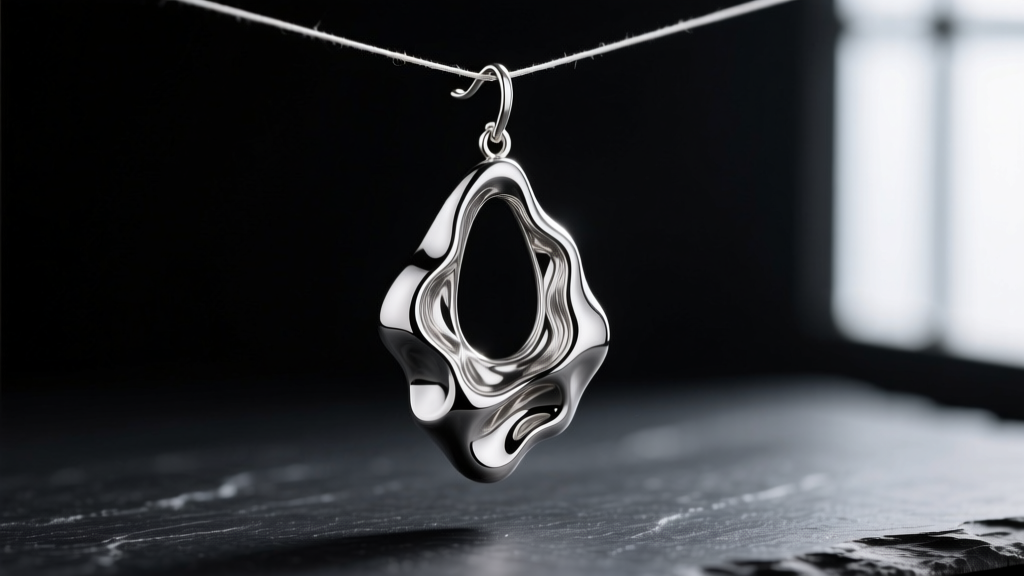
Cast stainless steel can suffer from microscopic porosity. If the jewelry manufacturer fails to properly seal, tumble, and hand-polish these textured crevices, the porous surface becomes a trap for dead skin cells, sebum, and acidic sweat. Over time, the localized pH drops, eating through the chromium oxide barrier and exposing the nickel core. If you are buying into the molten metal trend, avoid pieces with deep, unpolished undercuts. Opt for brands that utilize electro-polishing, a process that uses an electrical current to dissolve the microscopic peaks and valleys on the metal's surface, ensuring a seamless, hypoallergenic finish even on complex organic shapes.
Trend 3: PVD-Coated "Liquid Gold" Aesthetics
Yellow and rose gold tones are back, but traditional electroplating is being replaced by PVD (Physical Vapor Deposition). PVD uses a vacuum chamber to bond a microscopic layer of real gold (usually 14k or 18k) or titanium nitride to the 316L stainless steel base. PVD coatings are incredibly hard and chemically inert. For allergy sufferers, a pristine PVD coating acts as a secondary, impenetrable barrier over the steel, completely eliminating any risk of nickel migration. The catch? Once a PVD coating chips or wears through from heavy friction (common on rings and chain clasps), the underlying steel is exposed, and the galvanic reaction between the two metals can actually accelerate corrosion.
Actionable Buyer Framework for Sensitive Skin
Navigating the market requires a disciplined approach to material verification. Use this framework when evaluating stainless steel jewelry hypoallergenic claims:
- Demand the Grade: Never accept "surgical steel" as a standalone answer. Require written confirmation of "316L" or "316LVM" (Vacuum Melted, which reduces impurities). If a brand cannot specify the grade, assume it is 304 or a cheaper alloy.
- Inspect the Polish: The passivation layer requires oxygen to maintain itself, but a rough surface traps moisture and bacteria. Run your fingernail over clasps, jump rings, and the inside of chain links. If you feel snagging or grit, the piece will eventually leach nickel.
- Avoid "Tibetan Silver" and Unmarked Alloys: These are frequently zinc or copper alloys with heavy nickel content, deceptively marketed to sound exotic or artisanal.
- Check the Weight: Heavyweight 2026 Cuban link chains exert significant downward friction on the back of the neck. This constant mechanical abrasion can physically wear away the passivation layer over months of daily wear. For heavy chains, consider alternating wear days or applying a microscopic layer of clear nail polish to the clasp and back-links.
The Magnet Test Myth
A pervasive myth in online jewelry forums is the "magnet test." The logic dictates that because 316L is an austenitic stainless steel, it should be completely non-magnetic. Therefore, if a magnet sticks to your jewelry, it must be cheap, magnetic steel with high nickel content. This is fundamentally flawed.
While 316L is non-magnetic in its annealed (soft) state, the physical processes used to make jewelry—such as cold-drawing wire for chains, stamping clasps, or bending jump rings—alter the crystal structure of the metal. This cold-working transforms some of the austenite into martensite, making the jewelry slightly magnetic. A premium, perfectly safe 316L chain clasp will often attract a weak magnet. Relying on a magnet test will lead you to throw away perfectly safe, high-quality hypoallergenic jewelry.
"Contact dermatitis from jewelry is rarely an immediate reaction. It is a cumulative sensitization process. A compromised passivation layer on a 304 alloy might not trigger a rash on day one, but the micro-doses of nickel migration will eventually trigger a severe immune response by week three."
Final Verdict for 2026
Is stainless steel jewelry hypoallergenic? The answer is a conditional yes, provided you are strictly wearing high-grade 316L or 316LVM alloys, and provided your skin barrier is intact (meaning no fresh, open piercings). The 2026 trends of intricate ear curation and PVD-coated statement pieces are highly compatible with sensitive skin, provided buyers prioritize manufacturing quality—specifically mirror polishing and electro-finishing—over mere aesthetic appeal. By understanding the metallurgy beneath the surface, you can confidently participate in this year's boldest metallic trends without sacrificing your skin's health.


