Can You Shower With Stainless Steel Jewelry? A Value Guide
Discover if you can shower with stainless steel jewelry. We break down the cost-per-wear, 316L vs 304 grades, and true waterproof value.

The Short Answer: Showering and Stainless Steel
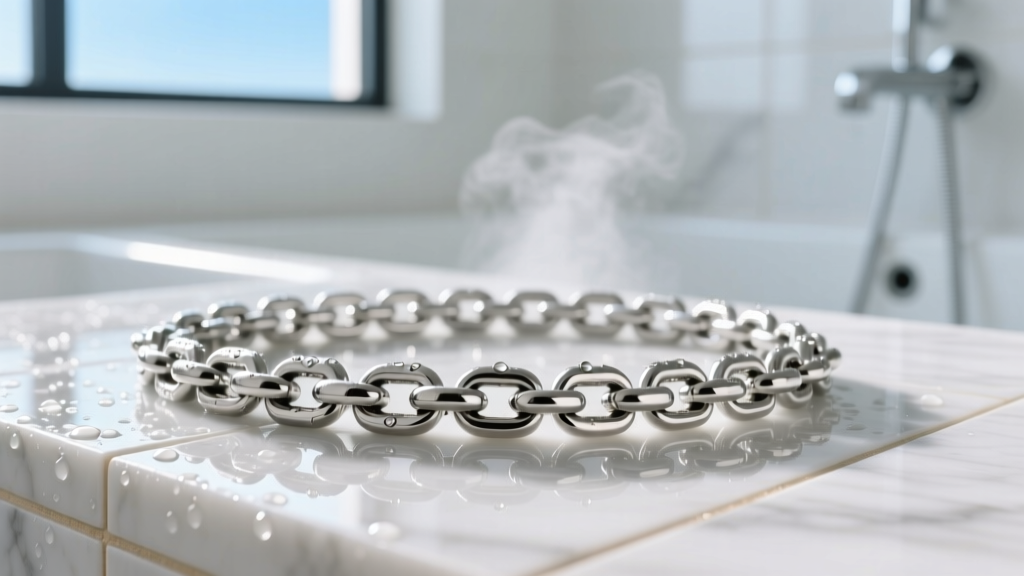
When building a budget-conscious, everyday jewelry collection, the most common question we encounter is: can you shower with stainless steel jewelry? The short answer is yes, but with a massive caveat regarding the metallurgical grade of the metal and the type of finish applied. From a pure budget and value assessment perspective, showering with genuine 316L surgical stainless steel is one of the most cost-effective habits you can adopt, provided you avoid cheap, fast-fashion alloys masquerading as 'waterproof' steel.
Water exposure is the ultimate stress test for budget jewelry. Tap water contains chlorides, calcium, and varying pH levels, while shampoos and body washes introduce sulfates and oils. While precious metals like solid 14k gold can withstand this environment, their high entry cost ($250+ for a simple chain) prices them out of the budget category. Stainless steel bridges this gap, but only if you understand the hidden costs of buying the wrong grade.
The Hidden Cost of 'Waterproof' Jewelry
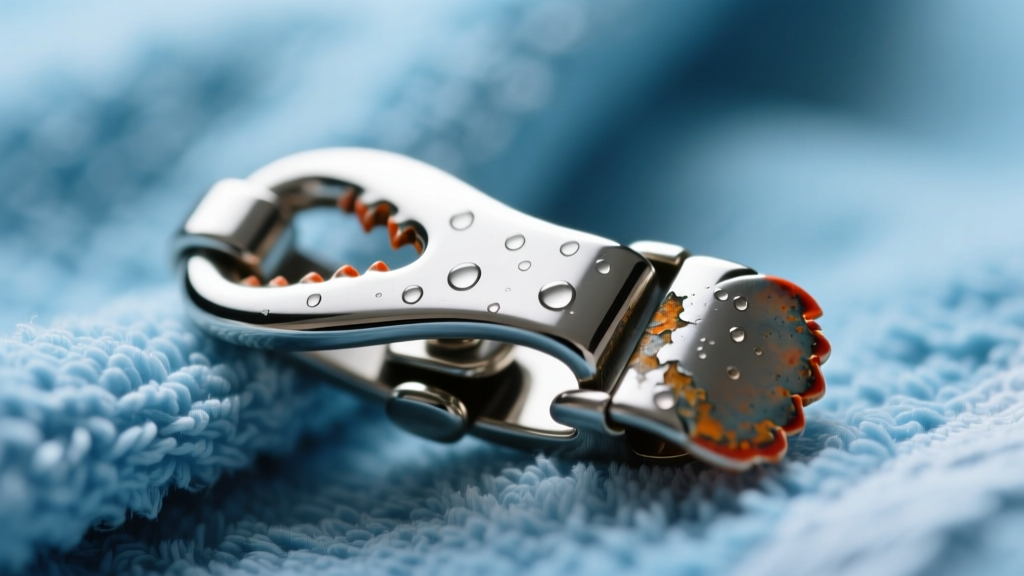
The modern jewelry market is flooded with $8 to $15 chains and rings labeled as 'stainless steel' or 'tarnish-free.' From a value assessment standpoint, these are often false economies. Many budget manufacturers use 304 stainless steel or even lower-grade 200-series steel to cut costs. While 304 steel is excellent for kitchen sinks and architectural trim, it lacks the molybdenum required to resist chloride-induced pitting corrosion.
According to Britannica's metallurgical breakdown, the addition of molybdenum (typically 2-3%) in 316L stainless steel drastically increases its resistance to localized corrosion caused by chlorides found in tap water, sweat, and pool environments. When you shower with a 304 steel chain, the warm, chloride-rich environment accelerates micro-rusting, particularly in the crevices of lobster clasps and jump rings.
The Price Floor for Genuine 316L Steel
To assess true value, you must establish a realistic price floor. In 2026, the raw material and machining costs for genuine 316L steel jewelry dictate the following retail baselines:
- Simple 316L Studs/Huggies: $12 - $25
- 316L Cable or Cuban Chains (18-20 inches): $25 - $55
- 316L Signet or Band Rings: $18 - $40
If you are purchasing a 'stainless steel' chain for $6, you are likely buying a zinc alloy with a microscopic steel flash plating, or a low-grade magnetic steel that will leave a green or rust-colored ring around your neck within 60 days of daily showering.
Cost-Per-Wear Analysis: Shower-Friendly Metals
To truly evaluate if you can shower with stainless steel jewelry without destroying your investment, we must look at the Cost-Per-Wear (CPW) over a 5-year period. This metric reveals why 316L steel dominates the budget tier, even when factoring in the eventual degradation of gold-toned finishes.
| Material / Finish | Avg. Initial Cost | Shower Lifespan | 5-Year CPW | Value Verdict |
|---|---|---|---|---|
| Raw 316L Stainless Steel | $35 | 10+ Years | $0.01 / day | Unbeatable Budget Value |
| PVD Gold-Plated 316L | $65 | 2 - 4 Years | $0.04 - $0.08 / day | Excellent for Gold Lovers |
| Sterling Silver (925) | $60 | 1 - 2 Years (Tarnish) | $0.16 / day + polish | High Maintenance Cost |
| Gold Vermeil (Silver base) | $95 | 6 - 12 Months | $0.52+ / day | Poor Shower Value |
| Electroplated 'Steel' | $12 | 1 - 3 Months | Replace 4x a year | Waste of Money |
As the data shows, raw 316L steel is virtually indestructible in a shower environment. However, if you prefer the look of gold, PVD (Physical Vapor Deposition) coating on a 316L base is the only budget-friendly option that survives daily water exposure. PVD bonds gold vapor to the steel at a molecular level in a vacuum chamber, making it 5x more resistant to shower friction and sulfates than traditional electroplating or vermeil.
Failure Modes: What Actually Ruins Steel in the Shower?
Even genuine 316L surgical steel is not entirely immune to environmental factors. While it will not rust or turn your skin green, it can suffer from aesthetic degradation if you ignore the chemistry of your bathroom. A comprehensive NCBI study on stainless steel corrosion highlights that while the passive oxide layer of 316L is robust, it can be compromised by specific chemical traps.
1. Hard Water Scaling (Calcium Carbonate)
If you live in an area with hard water, microscopic calcium and magnesium deposits will bake onto the surface of your steel jewelry when the hot water evaporates. Over months, this creates a dull, cloudy film that mimics tarnish. The Fix: Soak the jewelry in a 50/50 mix of distilled white vinegar and water for 5 minutes once a month, then buff with a microfiber cloth.
2. Sulfate and pH Stripping
Many clarifying shampoos and acne-fighting body washes contain high concentrations of Sodium Lauryl Sulfate (SLS) and salicylic acid. While these will not corrode raw steel, they will aggressively strip PVD gold coatings and accelerate the wear of any applied patinas or black rhodium accents.
3. Crevice Corrosion at the Clasp
The most common failure point for shower-worn necklaces is the lobster clasp. The tiny spring mechanism inside the clasp traps soapy residue and hard water, creating a localized environment where oxygen cannot reach the steel to replenish its passive chromium oxide layer. The Fix: After showering, occasionally blast the clasp mechanism with warm, clean water and work the lever back and forth to expel trapped soap.
How to Verify True 316L Steel Before You Buy
Protecting your budget means ensuring you are actually buying what the listing claims. Here is a practical decision framework for verifying 316L steel:
- The Hallmark Check: Look for stamps reading '316L', 'Surgical Steel', or 'Stainless'. Avoid pieces stamped only with 'Steel' or lacking any hallmark, as these are often 304 or 201 grades.
- The Weight Test: Genuine stainless steel is dense. A 5mm Cuban chain should have a substantial, heavy drape. If it feels suspiciously light, it is likely aluminum or hollow-cast zinc alloy.
- The Magnet Nuance: While 316L is largely austenitic and non-magnetic, the cold-working process (bending and shaping the wire into chains) can induce slight magnetism. Therefore, a slight magnetic pull does not automatically mean the steel is fake, but a strong, immediate snap to a magnet indicates a high-iron, low-nickel ferritic steel that will rust.
- Vendor Transparency: Reputable budget jewelers will explicitly list the alloy grade and the plating method (e.g., '18k Gold PVD over 316L Steel') in their product specifications. If the site only says 'waterproof gold jewelry,' keep your wallet closed.
The Verdict: Is Showering With Steel Worth the Investment?
From a strict budget and value assessment, the answer is a resounding yes—you can shower with stainless steel jewelry, provided it is genuine 316L surgical steel. It remains the undisputed champion of low-maintenance, high-durability everyday wear. By investing $30 to $60 upfront in a verified 316L piece, you eliminate the endless cycle of replacing $10 fast-fashion chains that rust, snap, or turn your skin green within weeks.
Treat your raw steel pieces as permanent fixtures that can handle hot water, steam, and soap without flinching. If you opt for gold-toned steel, ensure it utilizes PVD coating and try to rinse off heavy conditioner residues to maximize the lifespan of the finish. Ultimately, understanding the metallurgy behind your jewelry is the best way to protect your wallet while maintaining a flawless, waterproof aesthetic.


