Is Stainless Steel Good Jewelry? The Ultimate Budget & Value Test
Is stainless steel good jewelry for daily wear? We break down 316L vs 304 grades, real pricing tiers, and long-term value to help you buy smart.

The Short Answer: Is Stainless Steel Good Jewelry?
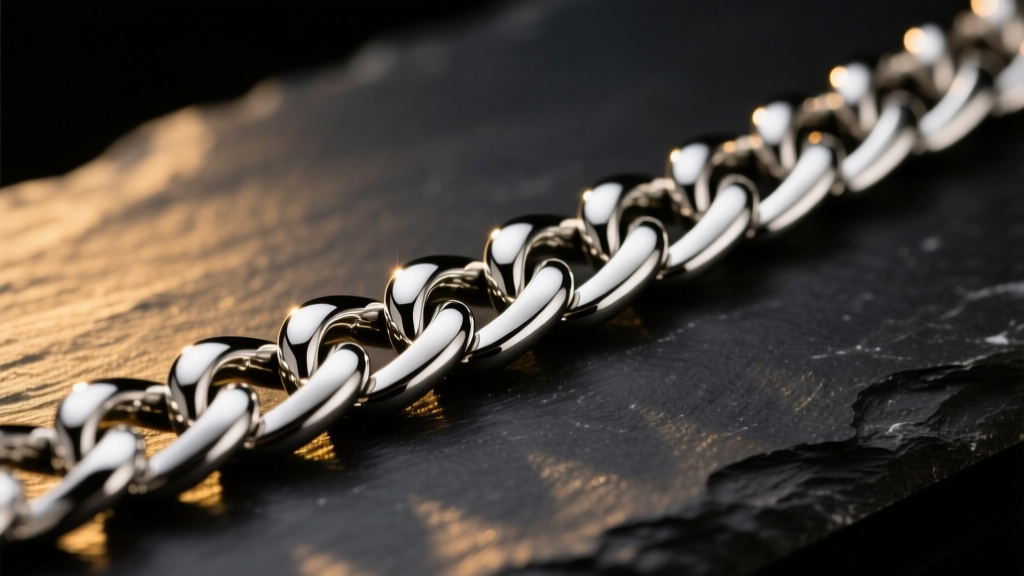
When budget-conscious shoppers ask, "is stainless steel good jewelry," the answer requires looking far past the attractive price tag. In 2026, stainless steel has firmly transitioned from a cheap alternative to a respected, standalone material in the jewelry market. However, not all steel is created equal. The value you receive depends entirely on the specific metallurgical grade, the manufacturing technique, and the hardware used in the design.
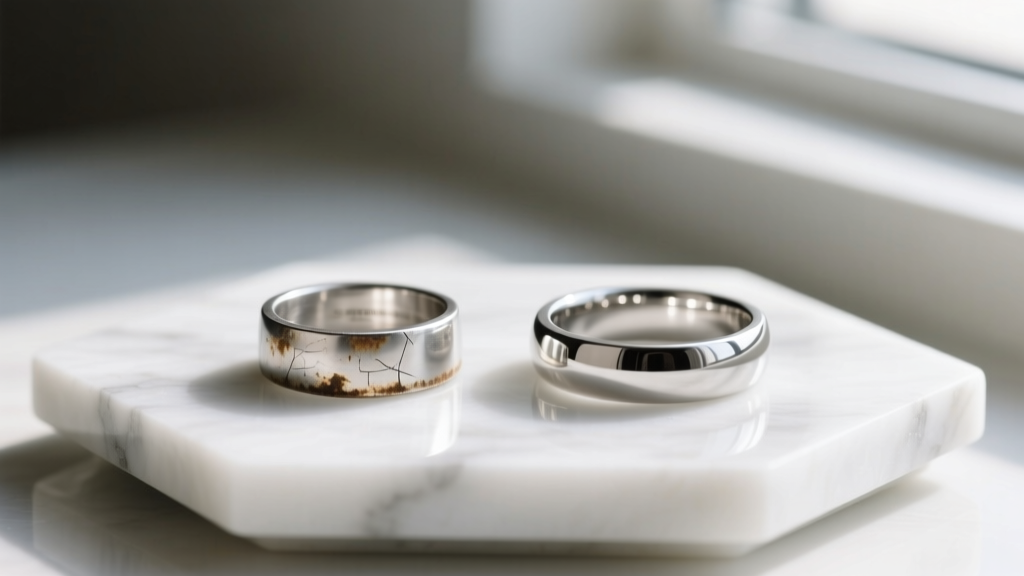
At its best, surgical-grade stainless steel offers unparalleled durability, zero tarnish, and a brilliant polish that rivals white gold. At its worst, poorly sourced steel can cause contact dermatitis, rust at the seams, and suffer catastrophic clasp failures. This guide provides a rigorous budget and value assessment to help you separate genuine bargains from false economies.
Decoding the Alloys: 316L vs. 304 vs. 201
The single biggest factor in stainless steel jewelry value is the alloy grade. Many fast-fashion brands simply stamp "stainless steel" on the tag, hiding inferior metallurgy. According to Outokumpu's metallurgical standards, the presence of molybdenum and the carbon content dictate the steel's performance.
| Grade | Composition Highlights | Tarnish & Rust Resistance | Value Verdict |
|---|---|---|---|
| 316L (Surgical) | 16-18% Chromium, 10-14% Nickel, 2-3% Molybdenum, Low Carbon | Exceptional. Withstands saltwater, sweat, and chlorine. | Highest Value. The gold standard for body-safe, durable jewelry. |
| 304 (Standard) | 18% Chromium, 8% Nickel, No Molybdenum | Good for dry environments. May pit with heavy sweat exposure. | Medium Value. Acceptable for occasional-wear fashion pieces. |
| 201 (Economy) | High Manganese, Low Nickel, Low Chromium | Poor. Prone to surface rust and rapid dulling. | Avoid. A false economy that will degrade within months. |
The "L" in 316L stands for "Low Carbon." This is crucial for jewelry that requires welding (like chain links or cast prongs). Low carbon prevents carbide precipitation during the heating process, ensuring the structural integrity and corrosion resistance of the metal remain intact at the joints.
The Real Cost of Ownership: Upfront Price vs. Longevity
To truly answer if stainless steel is good jewelry, we must evaluate the Total Cost of Ownership (TCO). Unlike sterling silver, which requires regular polishing and anti-tarnish storage, or gold-plated brass, which requires expensive re-dipping, 316L stainless steel requires virtually zero maintenance.
2026 Market Pricing Tiers
- Tier 1: Fast Fashion & Dropshipped ($5 - $18) Typically made from 201 or unmarked alloys. High failure rate. Clasps are often cheap brass plated to look like steel. TCO is high because replacements are frequent.
- Tier 2: Mid-Market Specialty Brands ($25 - $65) Genuine 316L steel. Often features PVD (Physical Vapor Deposition) coating for gold or black finishes. Solid lobster clasps and seamless jump rings. Excellent value for daily wear.
- Tier 3: Artisan & CNC Machined ($80 - $200+) Precision-milled from solid steel billets. Hand-polished bevels, custom tension settings, and lifetime structural warranties. High upfront cost, but effectively a "buy it for life" investment.
Failure Modes: When Budget Stainless Steel Fails You
While the metal itself is incredibly hard (rating about 5.5 to 6 on the Mohs scale), the construction of budget stainless steel jewelry often introduces critical failure points. Understanding these will save you money and frustration.
1. Spring Ring Clasp Fatigue
Steel work-hardens when bent. In cheap spring-ring clasps, the internal steel spring is subjected to repetitive stress. Unlike gold or silver, which have a degree of malleable forgiveness, low-grade steel springs will simply snap without warning. Always opt for stainless steel lobster clasps with replaceable internal mechanisms.
2. Prong Snapping in Gemstone Settings
Because 316L is so hard, it does not bend easily. If a jeweler uses steel prongs to hold a cubic zirconia or diamond, a hard knock against a table will not bend the prong (as gold would); it will shear it off entirely. High-value steel jewelry uses bezel settings or channel settings to protect stones, avoiding prongs altogether.
3. The PVD Coating Illusion
Gold-toned stainless steel relies on PVD coating. While PVD is vastly superior to electroplating, it is not permanent. On rings, the interior band experiences constant friction against the skin and exposure to acidic sweat. Expect gold PVD on rings to wear through to the silver steel beneath within 12 to 24 months of daily wear. Necklaces and earrings, however, can retain PVD finishes for a decade.
Hypoallergenic Reality: The Nickel Nuance
A common misconception is that all stainless steel is 100% hypoallergenic. 316L steel contains roughly 10-14% nickel, which is a known allergen. However, in high-quality 316L, the nickel is tightly bound within the chromium-oxide alloy matrix. According to clinical studies on nickel release from stainless steel, the amount of nickel that leaches from polished 316L under normal conditions is generally below the threshold that triggers contact dermatitis.
"If you have a severe, clinically diagnosed nickel allergy, 316L stainless steel may still cause a reaction during heavy sweating. For absolute biological safety, you must upgrade your budget to ASTM F136 Grade 23 Titanium."
Value Comparison: Stainless Steel vs. Sterling Silver vs. Titanium
How does steel stack up against other popular jewelry metals when we weigh upfront cost against lifespan?
| Metal | Avg. Ring Price | Maintenance Required | Durability (Scratch/Dent) | Best Use Case |
|---|---|---|---|---|
| 316L Steel | $25 - $50 | None (Soap & Water) | High (Resists dents, can scratch) | Daily wear, active lifestyles, beach |
| 925 Silver | $40 - $90 | High (Polishing, anti-tarnish) | Low (Dents and scratches easily) | Occasional wear, heirloom pieces |
| Grade 23 Titanium | $60 - $150 | None | Very High (Lightweight, strong) | Severe metal allergies, body piercings |
From a pure budget-to-durability ratio, 316L stainless steel is the undisputed champion. You are paying a fraction of the cost of titanium while receiving 90% of the performance.
The Buyer’s Framework: How to Spot High-Value Pieces
When shopping online or in-store, use this rapid-assessment checklist to ensure you are getting genuine value:
- The Magnet Test: Austenitic steels like 316L and 304 are largely non-magnetic. If a necklace chain aggressively snaps onto a strong neodymium magnet, it is likely a cheap ferritic steel (like 430 grade) that will rust. Note: Cold-working can induce very slight magnetism in 316L, but it should never be strongly magnetic.
- Inspect the Jump Rings: Look at the rings connecting the clasp to the chain. High-value pieces use soldered or seamlessly welded jump rings. If you see a visible split or gap that can be pried open with a fingernail, the chain will eventually slip apart and be lost.
- Check for Weight and Sound: Genuine 316L steel is dense. A solid steel Cuban link chain should have a substantial, heavy drape and produce a deep, dull clinking sound when dropped on glass, rather than a high-pitched, hollow ping.
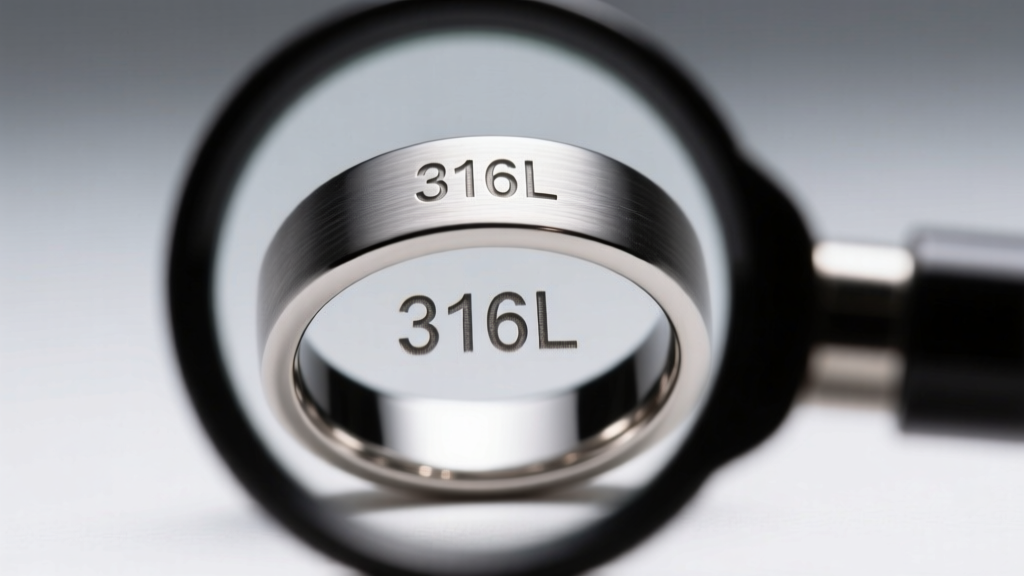
- Verify the Stamp: Look for microscopic laser engravings that read "316L," "Surgical Steel," or "St. Steel." Avoid pieces with no markings whatsoever.
Final Verdict: Maximizing Your Jewelry Budget
So, is stainless steel good jewelry? Absolutely, provided you are buying the right grade for the right application. For under $50, a solid 316L stainless steel piece offers a level of indestructible, low-maintenance luxury that precious metals simply cannot match. By avoiding 201-grade alloys, understanding the limitations of PVD coatings, and prioritizing robust hardware like lobster clasps and bezel settings, you can build a permanent, high-quality jewelry wardrobe on a remarkably modest budget.


