The Ultimate Gift Guide & How Do You Clean Stainless Steel Jewelry
Discover the best stainless steel jewelry gifts for every occasion. Plus, learn exactly how do you clean stainless steel jewelry to keep it shining.

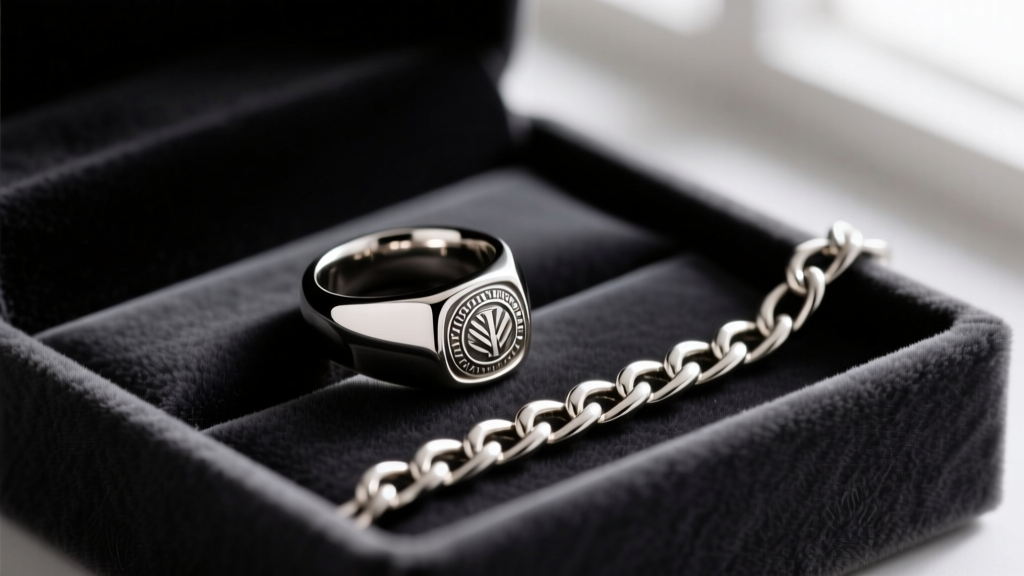
Gifting jewelry is an intimate gesture, but finding a piece that balances luxury, durability, and everyday wearability can be a challenge. Enter 316L surgical stainless steel. Once relegated to utilitarian medical tools and industrial hardware, premium stainless steel has undergone a renaissance in the fashion and fine jewelry sectors. It offers the brilliant luster of white gold or platinum at a fraction of the cost, without the anxiety of tarnishing or scratching during daily wear.
Whether you are shopping for a milestone anniversary or a 'just because' token of affection, this guide covers the best stainless steel jewelry gifts for every occasion. Furthermore, because longevity is the hallmark of a great gift, we will answer the most common maintenance question recipients ask: how do you clean stainless steel jewelry to maintain its factory-fresh shine?
Matching Stainless Steel Gifts to Life’s Milestones
Stainless steel is incredibly versatile. By understanding the specific finishes, gauge sizes, and manufacturing techniques available, you can select a piece that perfectly aligns with the significance of the occasion.
Anniversaries & Romantic Milestones: PVD-Coated Elegance
For romantic occasions, traditional silver-toned steel might feel too casual. Instead, look for pieces featuring PVD (Physical Vapor Deposition) coating. Unlike traditional electroplating, which merely lays a microscopic layer of gold on top of the metal, PVD vaporizes the colorant in a vacuum chamber, bonding it to the 316L steel at a molecular level. A PVD-coated 18k gold stainless steel tennis bracelet or a pair of 3mm hoop earrings will not flake, peel, or turn the wearer's skin green. Expect to invest between $80 and $200 for high-quality PVD pieces from specialized brands.
Graduations & Career Landmarks: Weighty Signets & ID Bracelets
Celebrating a graduation or a first major promotion calls for jewelry with physical and metaphorical weight. A 316L stainless steel signet ring with a brushed face and polished bevel edges exudes quiet confidence. For wrists, a 5mm to 7mm stainless steel ID bracelet or a substantial Cuban link chain provides a masculine, architectural aesthetic that pairs perfectly with both a tailored suit and weekend casual wear.
Everyday 'Just Because' Tokens: Minimalist & Hypoallergenic
For birthdays or spontaneous gifts, focus on high-quality essentials. A pair of 16-gauge (1.2mm) or 18-gauge (1.0mm) seamless huggie hoops is a universal staple. Because 316L steel is highly resistant to corrosion, it is the ultimate metal for shower-and-sleep jewelry. A delicate 2mm rope chain or a minimalist geometric cuff bracelet ($30–$60 price range) makes for a thoughtful, low-pressure gift that integrates seamlessly into the recipient's daily rotation.
The Gifter's Secret: Presenting a Care Kit
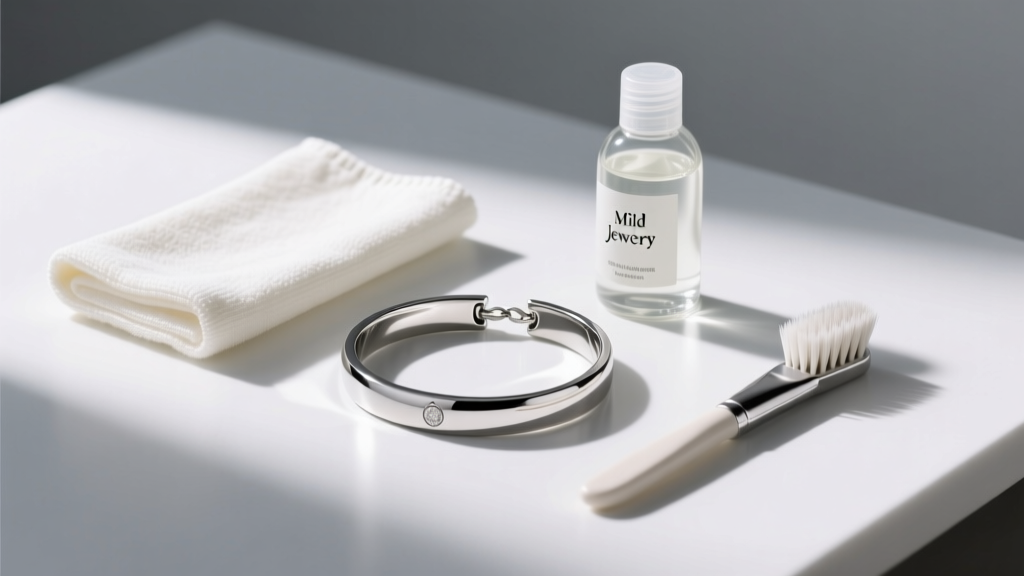
Want to elevate your gift from great to unforgettable? Pair your stainless steel jewelry with a bespoke care kit. While steel is famously low-maintenance, presenting a small velvet pouch containing a high-density microfiber polishing cloth, a travel-sized bottle of mild pH-neutral soap, and a baby-soft toothbrush shows a level of forethought that recipients deeply appreciate. It also proactively answers the inevitable question of how to maintain the piece's brilliance over the years.
The Core Question: How Do You Clean Stainless Steel Jewelry?
Even the most durable metals accumulate skin oils, lotions, and environmental dust. If you or your gift recipient are wondering, how do you clean stainless steel jewelry without damaging the finish? Follow this master protocol.
Step 1: The Daily Wipe-Down
For routine maintenance, simply wipe the jewelry with a clean, dry microfiber cloth at the end of the day. This removes acidic sweat and surface oils before they can dull the polished finish. Never use paper towels or tissues, as the wood pulp fibers can leave micro-scratches on highly polished steel.
Step 2: The Deep Clean (Monthly)
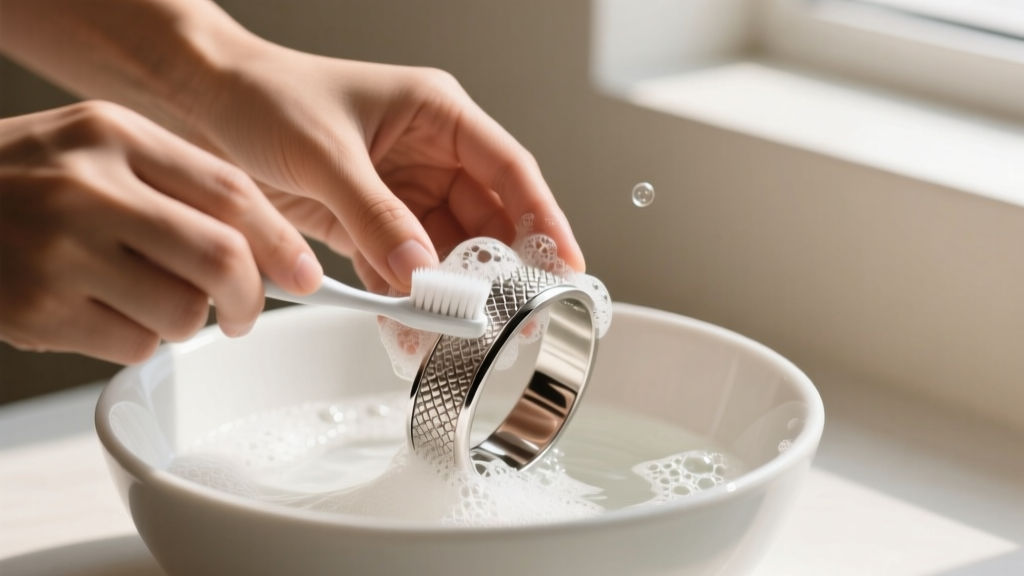
- Prepare the Solution: Fill a small bowl with warm distilled water. (Tap water contains calcium and magnesium that can leave hard water spots on steel). Add two drops of mild, phosphate-free dish soap.
- Soak: Submerge the jewelry for 5 to 10 minutes to loosen debris, especially around chain links or gemstone prongs.
- Agitate Gently: Use a baby-soft toothbrush to gently sweep the bristles into crevices. Brush in the direction of the grain if the piece has a brushed finish.
- Rinse & Dry: Rinse under a slow stream of distilled water. Immediately pat dry with a lint-free microfiber cloth. Do not air dry.
Step 3: What to Strictly Avoid
Never use chlorine bleach, ammonia, or abrasive cleaners like toothpaste or baking soda on stainless steel. While steel is tough, harsh chemicals can pit the surface or strip PVD color coatings. Furthermore, remove steel jewelry before entering heavily chlorinated pools or hot tubs, as prolonged exposure to high concentrations of chlorine can compromise the metal's passive oxide layer.
Cleaning Protocols by Finish Type
Not all stainless steel jewelry is finished the same way. The cleaning method must adapt to the surface texture to prevent irreversible damage.
| Finish Type | Visual Characteristic | Cleaning Strategy & Warnings |
|---|---|---|
| Mirror Polished | Highly reflective, smooth surface resembling white gold. | Use only microfiber. Avoid any abrasive brushes that could induce swirl marks. |
| Brushed / Matte | Satin finish with visible directional grain lines. | Always brush with the grain. Use a soft nylon brush; avoid polishing cloths that might burnish the matte texture into a shine. |
| PVD Coated (Gold/Black) | Colored via vacuum deposition; highly durable but sensitive to chemicals. | Use only mild soap and water. Never use ultrasonic cleaners or chemical dips, which can degrade the PVD bond. |
| Oxidized / Antiqued | Darkened crevices to highlight engravings or textures. | Avoid soaking. Wipe gently with a damp cloth to preserve the intentional dark patina in the recesses. |
Restoring Vintage or Tarnished Pieces Before Gifting
If you are passing down an inherited stainless steel piece or restoring a vintage find to give as a gift, you might encounter stubborn grime or slight surface oxidation. While 316L steel contains molybdenum—which grants it superior resistance to chlorides and industrial solvents—it can still develop superficial rust spots if exposed to harsh environments.
For raw, uncoated steel, you can create a gentle paste using baking soda and distilled water. Apply it to the affected area, let it sit for five minutes, and gently buff it away with a soft cloth. Warning: Never use this method on PVD-coated or brushed finishes, as the mild abrasiveness of baking soda will permanently alter the surface texture. According to the British Stainless Steel Association, maintaining the integrity of the passive chromium-oxide layer on the surface of 316L steel is paramount for its long-term corrosion resistance; therefore, gentle, non-abrasive cleaning is always the gold standard.
Expert Sourcing: Material Grades and Skin Sensitivities
When sourcing a gift, the specific alloy matters immensely. You will frequently see '316L' and '304' stamped on jewelry. Always opt for 316L surgical steel. The 'L' stands for low carbon, and the 316 grade includes 2-3% molybdenum, making it vastly superior for resisting saltwater and sweat corrosion compared to the 304 grade commonly used in kitchen appliances.
Regarding skin sensitivities, 316L stainless steel is widely considered hypoallergenic. However, it is vital to note that it does contain trace amounts of nickel (typically 8-10%). The nickel is tightly bound within the alloy's crystalline lattice, meaning it rarely leaches into the skin. However, individuals with severe, clinically diagnosed contact dermatitis may still react to it. The American Academy of Dermatology notes that prolonged contact with nickel-releasing alloys can trigger flare-ups in highly sensitized individuals. If your gift recipient has a known, severe nickel allergy, pivot your gift to Grade 23 Titanium (Ti-6Al-4V ELI) or solid 14k/18k gold instead.
Final Thoughts on Gifting Steel
Stainless steel jewelry represents the perfect intersection of modern metallurgy and accessible luxury. By selecting the right finish for the occasion, understanding the nuances of 316L surgical steel, and equipping your recipient with the knowledge of how to properly care for their new accessory, you are giving a gift that will literally last a lifetime. It is a testament to enduring style, proving that true luxury isn't just about the price tag—it is about resilience, brilliance, and the thought behind the gesture.


