Titanium vs Stainless Steel Jewelry: 2026 Trend Analysis
Explore the 2026 style trends shaping the titanium vs stainless steel jewelry debate, from quiet luxury body mods to heavyweight streetwear chains.

The 2026 Shift: Beyond the Allergy Debate
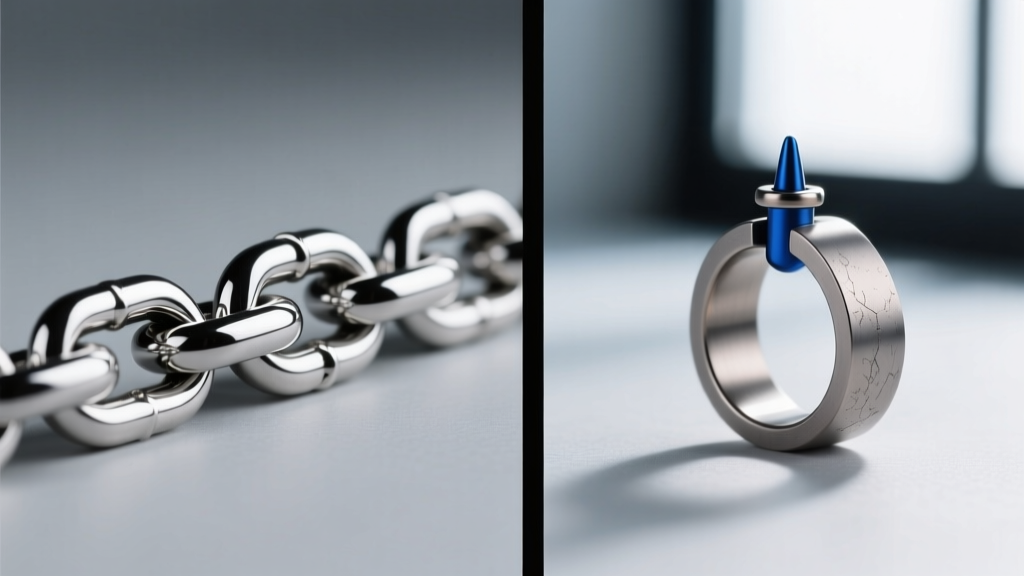
For years, the search query surrounding titanium vs stainless steel jewelry was almost exclusively driven by medical necessity—specifically, contact dermatitis and nickel allergies. However, as we move through 2026, the conversation has fundamentally shifted. Today, the choice between 316L surgical steel and implant-grade titanium is a deliberate stylistic decision, driven by subcultural signaling, drape, light reflection, and the broader fashion movements of "quiet luxury" and "industrial streetwear."
As a senior style analyst for Jewel Style Radar, I have tracked how designers and body modification artists are leveraging the unique metallurgical properties of both metals to create distinct aesthetic categories. Whether you are curating a minimalist ear curation or stacking heavyweight necklaces, understanding the style implications of these materials is essential for a modern jewelry wardrobe.
Material Breakdown: 316L Surgical Steel vs. ASTM F136 Titanium
Before diving into the trend analysis, we must establish the baseline material science. 316L is a low-carbon stainless steel alloy containing iron, chromium, molybdenum, and roughly 8-10% nickel. The "L" stands for low carbon, which increases corrosion resistance. Titanium jewelry, on the other hand, is typically ASTM F136 compliant (Ti-6Al-4V), an implant-grade alloy containing zero nickel. Below is a comparative breakdown of how these properties translate to wearable style.
| Feature | 316L Stainless Steel | ASTM F136 Titanium |
|---|---|---|
| Weight & Drape | Heavy, substantial, pulls on garments | 45% lighter, airy, sits flush on skin |
| Luster & Finish | Bright, mirror-like "chrome" reflection | Softer, darker "gunmetal" grey undertone |
| Nickel Content | ~8-10% (bound, but can leach if damaged) | 0% (Completely hypoallergenic) |
| Price Point (2026) | $40 - $250 (Chains, signet rings) | $80 - $500+ (Fine body jewelry, gem settings) |
| Primary Style Use | Chunky chains, industrial rings, cuffs | Minimalist studs, cartilage curations, healings |
Trend 1: Quiet Luxury and the Titanium Minimalist Movement
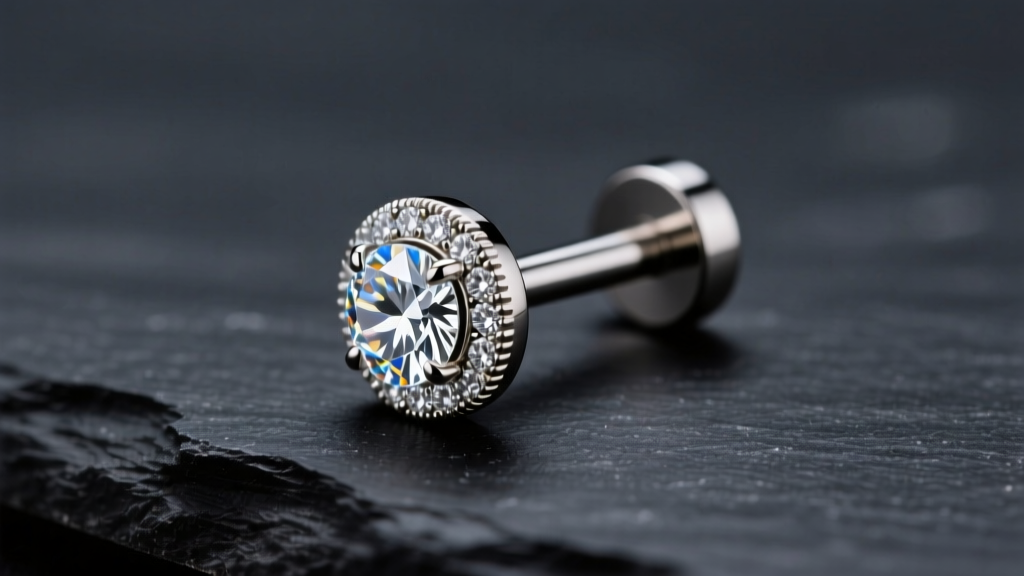
The "quiet luxury" trend has heavily infiltrated the body modification space. In 2026, the focus is on micro-fine jewelry that catches the light subtly rather than shouting for attention. This is where ASTM F136 titanium dominates. Because titanium is significantly lighter than steel, it can support intricate, gem-heavy designs without causing migration or rejection in delicate cartilage piercings.
High-end body jewelry brands like BVLA and Maria Tash utilize titanium for their flat-back labrets and ear threaders. The metal's natural grey hue provides a modern, understated backdrop for bezel-set diamonds and sapphires. Unlike steel, which can sometimes look overly "flashy" when polished to a mirror finish, titanium offers a sophisticated, muted luster that aligns perfectly with the stealth-wealth aesthetic.
Trend 2: Industrial Weight and the 316L Streetwear Revival
Conversely, the streetwear and cyberpunk-adjacent aesthetics of 2026 demand physical presence. The titanium vs stainless steel jewelry debate is quickly settled when it comes to heavyweight necklaces, Cuban links, and oversized signet rings. Titanium's lightness, usually a benefit, becomes a detriment here; a 10mm titanium Cuban link feels insubstantial and "cheap" to the wearer due to its lack of mass.
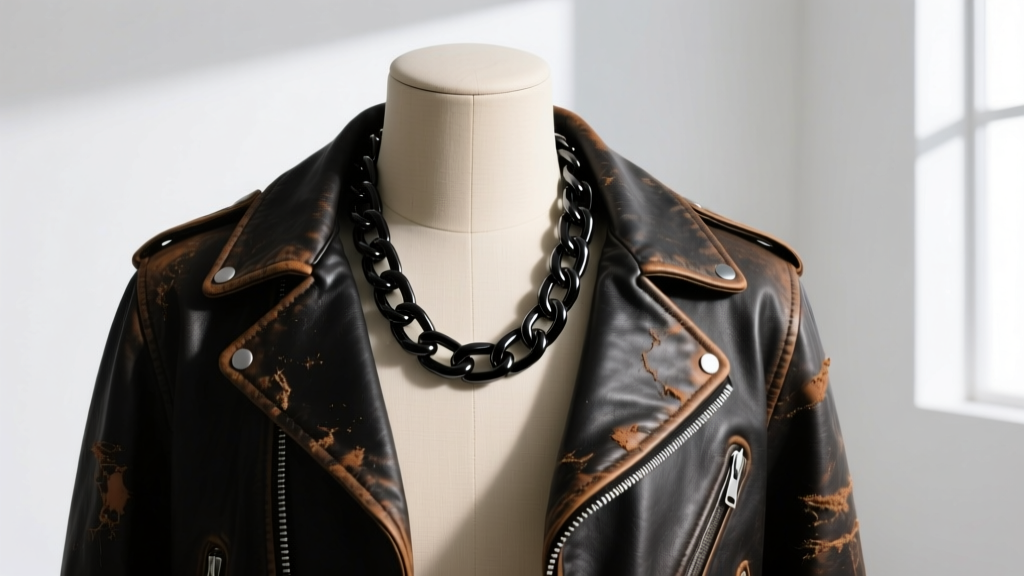
316L stainless steel provides the coveted "substantial drape." The weight of a 200-gram steel chain pulling against the collarbone is a core component of the industrial streetwear silhouette. Furthermore, 316L takes exceptionally well to PVD (Physical Vapor Deposition) coatings. Black PVD steel, in particular, has become a staple in alternative fashion, offering a scratch-resistant, matte-black finish that titanium struggles to replicate without anodization limitations.
Gauge Realities: Where Steel and Titanium Intersect
When transitioning between fashion jewelry and body modifications, gauge sizing dictates your material choices. According to the Association of Professional Piercers (APP), implant-grade titanium is the mandatory standard for fresh piercings due to its biocompatibility. However, for fully healed piercings, 316L steel is widely accepted and often preferred for its structural rigidity in larger gauges.
- 18g (1.0mm) & 16g (1.2mm): Standard for septum, helix, and conch piercings. Titanium is preferred here for delicate, high-end gem settings.
- 14g (1.6mm): The standard for navel, nipple, and industrial barbells. Steel is frequently used in healed 14g industrial bars because its higher tensile strength prevents the bar from bending under pressure.
- 8g (3.0mm) and below: Stretching and heavy-gauge jewelry. Steel's weight helps maintain the stretch, whereas titanium may require thicker walls to achieve the same visual mass.
The Color Question: Anodization vs. PVD Coating
A critical, often overlooked aspect of the titanium vs stainless steel jewelry comparison is how each metal accepts color. This is a massive differentiator for custom and avant-garde jewelry designs in 2026.
Titanium Anodization: Titanium can be anodized using an electrolytic process that alters the oxide layer on the surface. By adjusting the voltage, jewelers can create permanent, vibrant colors without using dyes or coatings that can flake off. For example, 15-20 volts yields a deep purple, 30 volts creates a bright blue, and 90 volts produces a vivid green. This is a permanent structural change to the metal's surface, making it incredibly safe for sensitive skin.
Steel PVD & Plating: Stainless steel cannot be anodized. To achieve color, steel must be electroplated or coated via PVD (often using Titanium Nitride for a gold finish). While modern PVD is highly durable and far superior to the cheap gold-plating of the 2010s, it is still a surface layer. If a PVD-coated steel ring is scratched deeply against concrete or ceramic, the silver-toned steel core will be exposed, which can then oxidize or cause nickel reactions in sensitive individuals.
Curating Your 2026 Jewelry Wardrobe
The most stylish approach in 2026 is not to declare a definitive winner in the titanium vs stainless steel jewelry debate, but to strategically deploy both metals based on their physical and aesthetic strengths.
"Treat titanium as your intimate, high-precision canvas for gems and healed piercings. Treat 316L stainless steel as your architectural armor for chains, cuffs, and statement rings."
— Elara Vance, Lead Metallurgist & Jewelry Stylist
If you are investing in a curated ear project featuring threadless ends and delicate opals, the ASTM F136 titanium standard ensures your investment remains safe, lightweight, and visually muted. Conversely, if you are building a layered necklace stack over a vintage t-shirt, the cold, heavy, mirror-polished reality of 316L surgical steel provides an unmatched visual anchor to your outfit.
Final Verdict
The narrative that titanium is universally "better" than stainless steel is a relic of outdated allergy-focused discourse. In the modern style landscape, 316L stainless steel remains the undisputed king of heavyweight fashion jewelry, structural rings, and industrial aesthetics. Titanium holds the crown for fine body modification, lightweight comfort, and permanent color anodization. By understanding the specific gravity, luster, and finishing capabilities of both alloys, you can elevate your jewelry game from merely hypoallergenic to intentionally avant-garde.


