Tarnish & Flaking: The Stainless Steel Jewelry Plating Process
Discover why your gold stainless steel jewelry peels. We troubleshoot the stainless steel jewelry plating process, comparing PVD vs electroplating.

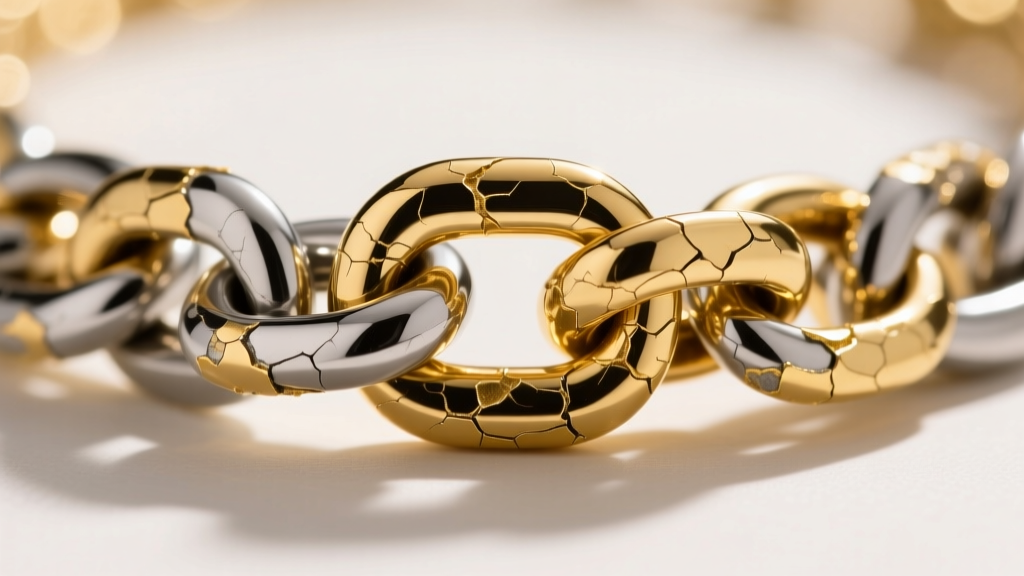
The Core Problem: Why Does Plated Stainless Steel Fail?
316L surgical stainless steel is practically indestructible. It resists tarnish, survives saltwater, and meets the strict compositional standards of ASTM F138 for implant-grade materials. Yet, when consumers complain about their "stainless steel" jewelry turning green, peeling, or tarnishing, the base metal is rarely the culprit. The failure lies entirely within the stainless steel jewelry plating process.
Natural 316L steel is silver-grey. Any gold, rose gold, or black finish is an additive microscopic layer. In 2026, the market is flooded with both advanced vacuum-coated pieces and dangerously cheap wet-plated alternatives. Troubleshooting a failing piece of jewelry requires identifying which plating method was used, understanding the molecular adhesion (or lack thereof), and recognizing the specific failure modes of each technique.
Electroplating vs. PVD: Identifying Your Jewelry's Coating
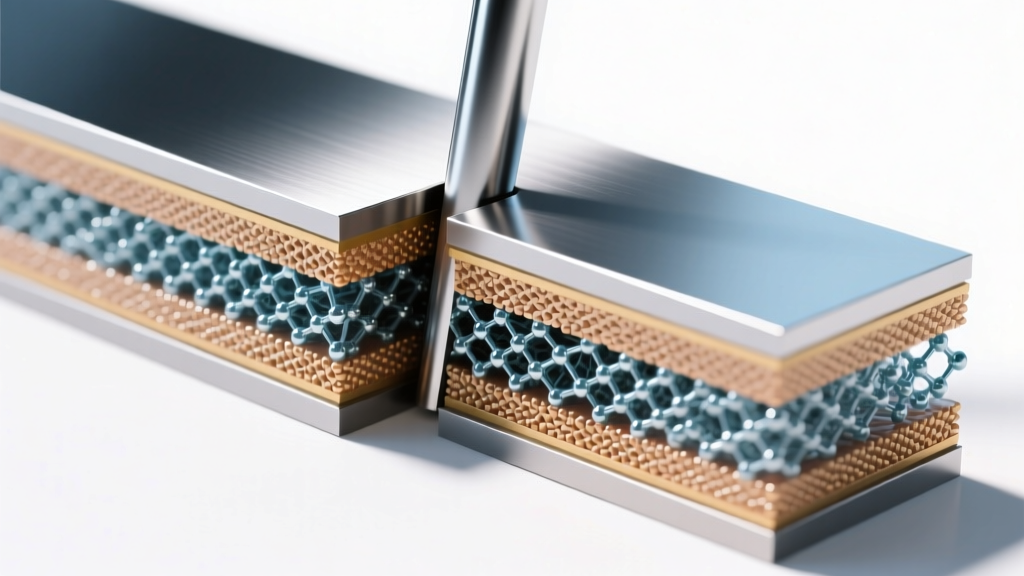
To solve a plating issue, you must first diagnose the coating. The industry relies on two vastly different methods to color stainless steel. Wet electroplating uses chemical baths and electrical currents, while Physical Vapor Deposition (PVD) uses a vacuum chamber to vaporize metals like titanium and bind them at a molecular level. According to materials science data from ScienceDirect, PVD creates a significantly harder, more wear-resistant surface than traditional electroplating.
| Feature | Wet Electroplating | PVD (Physical Vapor Deposition) |
|---|---|---|
| Coating Thickness | 0.05µm - 0.5µm (Flash to standard) | 1.0µm - 3.0µm (Dense layer) |
| Adhesion Method | Galvanic / Chemical bonding | Molecular / Atomic bombardment |
| Base Layer Required? | Yes (usually Nickel or Copper strike) | No (TiN bonds directly to steel) |
| Primary Failure Mode | Peeling, flaking, galvanic corrosion | Slow friction wear at high-contact points |
| Environmental Impact | High (toxic cyanide/acid wastewater) | Low (vacuum process, no liquid waste) |
Troubleshooting Common Plating Failures
When a customer or collector brings you a degraded piece of gold or black stainless steel jewelry, the visual cues will immediately point to the underlying manufacturing flaw.
Issue 1: Flaking and Peeling (The "Sunburn" Effect)
The Symptom: The gold or black coating is lifting off the steel in thin sheets or flakes, leaving raw silver metal underneath.
The Diagnosis: This is the hallmark of cheap wet electroplating. Stainless steel naturally forms a passive chromium oxide layer on its surface to prevent rust. This layer actively resists chemical bonding. To force electroplated gold to stick, manufacturers must perform rigorous ultrasonic degreasing and plasma cleaning. If a factory skips this step to save time, or if they fail to apply a proper "nickel strike" underplate, the topcoat will simply sit on the surface and flake off when exposed to the oils and friction of human skin.
The Fix: There is no way to glue flaking electroplating back down. The piece must be professionally polished to strip the remaining coating, returning it to its natural, hypoallergenic silver state.
Issue 2: Rapid Tarnishing and Color Shifting
The Symptom: A rose gold or 18k yellow gold PVD ring begins to look dull, brownish, or brassy within a few months of wear.
The Diagnosis: While PVD is highly durable, the color of PVD gold is achieved by mixing Titanium Nitride (TiN) with trace amounts of carbon or other alloys. If the jewelry is exposed to harsh chemicals (like chlorine in swimming pools or high-pH cleaning agents), the porous outer nanometers of the coating can oxidize. Furthermore, if the PVD layer was applied too thin (under 0.5µm) to cut costs, microscopic pores allow sweat chlorides to reach the steel interface, causing subsurface corrosion that pushes the coating outward, creating a cloudy, tarnished appearance.
The Fix: Light tarnish on PVD can sometimes be removed using a specialized jewelry polishing cloth designed for coated metals. Avoid abrasive pastes, which will strip the micron-thin color layer entirely.
Issue 3: Skin Discoloration and Contact Dermatitis
The Symptom: The wearer's skin turns green or black, or they develop an itchy, red rash beneath a stainless steel ring or earring.
The Diagnosis: True 316L stainless steel does not turn skin green. Green skin is caused by copper; rashes are caused by nickel. If this happens, the jewelry is either not 316L steel, or it features an electroplated coating that utilized a copper or nickel underplate for adhesion. As the American Academy of Dermatology notes, nickel allergies are triggered when sweat interacts with exposed nickel ions. Once the thin gold topcoat wears through at friction points, the reactive underplate is exposed to the skin.
The 2026 Buyer’s Guide: How to Spot Quality PVD
As consumer awareness has grown, many mid-tier brands now claim their items are "PVD coated." However, not all PVD is created equal. Use this troubleshooting framework to verify quality before purchasing or recommending a piece:
- Ask for the Micron Thickness: High-quality rings and bracelets should have a minimum thickness of 1.0µm to 2.0µm. Earrings and pendants, which experience less friction, can safely sit at 0.5µm to 1.0µm.
- Look for TiN or TiCN Disclosures: Premium manufacturers will explicitly state if they use a Titanium Nitride (TiN) or Titanium Carbonitride (TiCN) base layer. TiCN is exceptionally hard and provides a superior anchor for the final gold color layer.
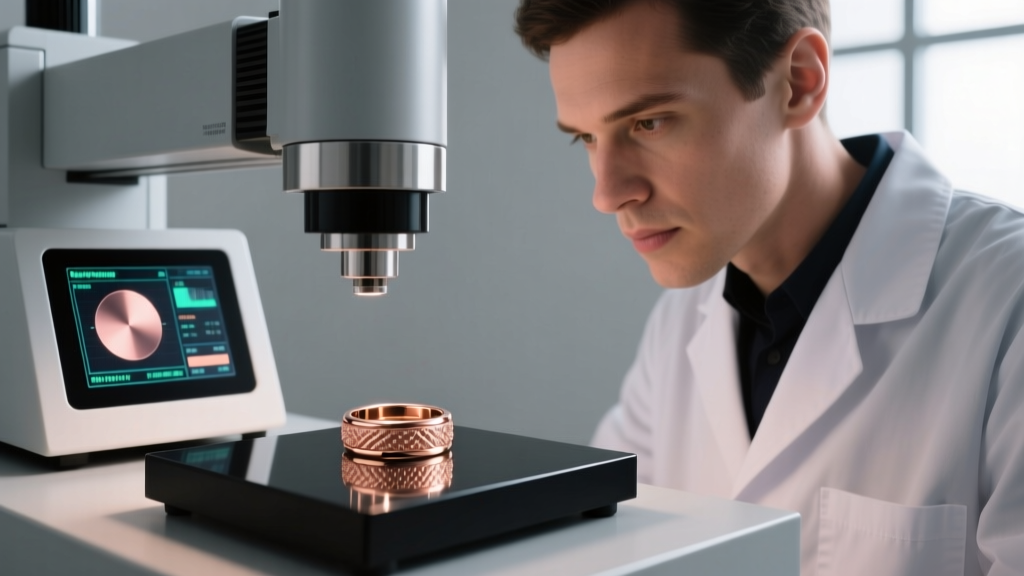
- The XRF Test: Professional jewelers can use an X-ray Fluorescence (XRF) spectrometer to instantly read the elemental makeup of the coating. If the XRF detects high levels of nickel or copper just beneath the gold layer, it is wet electroplated, not true direct-to-steel PVD.
- The Fingernail Scratch Test: While not scientifically perfect, running a fingernail firmly over an inconspicuous area of a brand-new piece can reveal poorly adhered electroplating. True PVD will not yield to a fingernail; it has a surface hardness similar to sapphire crystal.
Restoration and Care: Can You Fix a Failed Plate?
When troubleshooting a failed piece of stainless steel jewelry, the ultimate question is whether it can be saved. If a PVD-coated ring has simply worn through to the silver steel at the bottom of the band due to years of friction, the structural integrity of the ring is perfectly fine. However, re-plating it is complex.
Local jewelers typically only have wet electroplating tanks. Sending a PVD piece back to a factory for re-coating requires stripping the original layer in an acid bath, polishing the steel, and placing it back into a multi-million-dollar vacuum chamber. For most fashion-tier stainless steel jewelry, this is economically unviable.
Expert Verdict: The most honest and durable solution for a heavily worn, plated 316L piece is to have a jeweler professionally buff away the remaining gold or black coating. The resulting raw, high-polish 316L surgical steel is entirely hypoallergenic, will never tarnish, and requires zero maintenance for the rest of its lifespan.
Understanding the stainless steel jewelry plating process transforms you from a passive consumer into an informed troubleshooter. By recognizing the difference between a molecular PVD bond and a cheap chemical wash, you can accurately diagnose failures, manage customer expectations, and curate a collection that truly stands the test of time.


