Care Guide After Turning Ashes Into Jewelry: Clean & Protect
Learn essential care, cleaning, and maintenance tips for your memorial pieces after turning ashes into jewelry. Protect your keepsake for generations.

The Science of Preserving Memorial Keepsakes
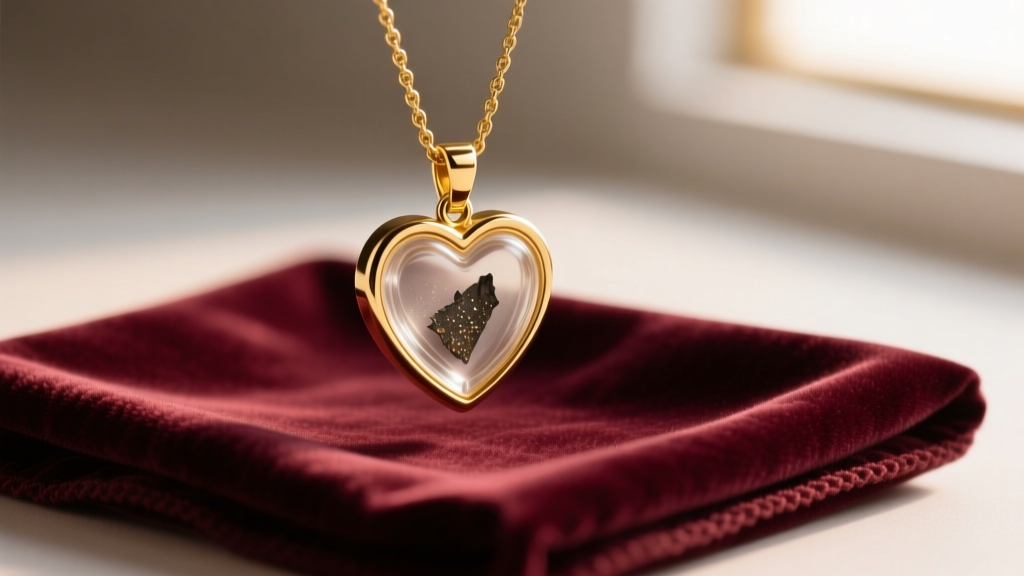
The process of turning ashes into jewelry is a profound way to honor a loved one, transforming carbon and trace minerals into a tangible legacy. However, once the piece is created, the focus must shift from creation to preservation. Memorial jewelry is not monolithic; it spans a wide array of material sciences, from UV-sensitive epoxy resins and thermally reactive borosilicate glass to lab-grown synthetic diamonds and hermetically sealed metal capsules. Understanding the specific material composition of your keepsake is the first and most critical step in ensuring it survives for generations without degrading, yellowing, or fracturing.
Unlike standard fashion jewelry, the organic and inorganic compounds present in cremated remains (primarily calcium phosphate, along with trace carbon and salts) can interact uniquely with their host matrices over time if exposed to improper environmental stressors. This comprehensive guide details the exact maintenance protocols required for the most common types of cremation jewelry available today.
Material Breakdown: Understanding Your Jewelry's Matrix
Infused Resin and Epoxy Pieces
Resin jewelry involves suspending a small amount of ashes in a two-part epoxy or UV-cured resin. While visually striking, resin is a polymer that is highly susceptible to photo-oxidation. Without proper care, UV exposure breaks down the polymer chains, leading to a phenomenon known as 'yellowing' or 'ambering.' Furthermore, resins typically have a Shore D hardness rating of 80-85, meaning they are easily micro-scratched by abrasive materials or harsh chemical solvents.
Cremation Glass and Borosilicate
Glass memorial beads and pendants are often crafted using borosilicate glass, which has a low coefficient of thermal expansion (approximately 3.3 × 10⁻⁶ /K). This makes it more resistant to thermal shock than standard soda-lime glass. The ashes are folded into the molten glass, creating unique, unrepeatable swirling patterns. The primary vulnerability here is mechanical shock and extreme, sudden temperature fluctuations.
Synthetic Diamonds and Metal Encapsulation
High-end memorial jewelry often involves extracting carbon from the ashes to grow a lab-created diamond, or sealing untreated ashes inside a threaded metal bezel. According to the Gemological Institute of America (GIA), lab-grown diamonds possess the exact same physical and chemical properties as mined diamonds, meaning they require standard diamond care. Metal encapsulation, however, relies on microscopic rubber O-rings to prevent moisture intrusion, which requires an entirely different maintenance approach.
Step-by-Step Cleaning Protocols by Material
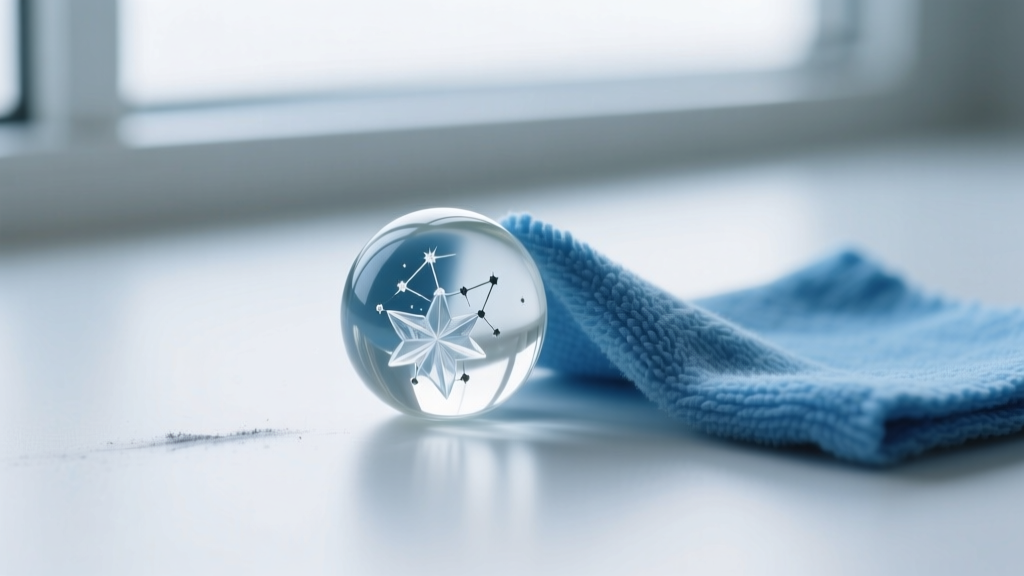
Improper cleaning is the leading cause of irreversible damage to memorial jewelry. Below is a structured decision matrix to help you safely clean your specific piece without compromising the structural integrity of the ash matrix or the host material.
| Material Type | Recommended Cleaning Agent | Tools to Use | Strict Prohibitions |
|---|---|---|---|
| Epoxy / UV Resin | pH-neutral dish soap & lukewarm water | Lint-free microfiber cloth, soft camel-hair brush | Isopropyl alcohol, acetone, ultrasonic cleaners, paper towels |
| Borosilicate Glass | Mild glass cleaner or soapy water | Microfiber cloth, cotton swabs for crevices | Boiling water, ice-cold water, abrasive polishing pastes |
| Lab-Grown Diamond | Ammonia-based jewelry cleaner or mild degreaser | Soft-bristled toothbrush, ultrasonic cleaner (if setting is secure) | Chlorine bleach (damages the metal prongs/settings) |
| Metal Encapsulation (Threaded) | Dry microfiber cloth, silver polishing cloth (if sterling) | 10x Jeweler's loupe for seal inspection | Submerging in water, ultrasonic cleaners, chemical dips |
Expert Tip for Resin: Never use alcohol-based solutions on resin memorial jewelry. Alcohol acts as a mild solvent on cured epoxies and can cause 'micro-crazing'—a network of microscopic surface fractures that cloud the resin and trap dirt, permanently ruining the clarity of the piece.
Environmental Threats: What to Avoid
According to guidelines on polymer conservation from the Canadian Conservation Institute, environmental controls are paramount for preserving plastic and resin-based artifacts. The same principles apply to your resin cremation jewelry.
- UV Degradation: Even resins formulated with HALS (Hindered Amine Light Stabilizers) will eventually yellow if left in direct sunlight. Store resin pieces in opaque jewelry boxes when not being worn.
- Thermal Shock: Never wear glass cremation beads in saunas, hot tubs, or while swimming in freezing water. The rapid expansion and contraction can cause internal micro-fractures that shatter the glass from the inside out.
- Moisture Intrusion: For metal encapsulation pendants, humidity is the enemy. If the internal O-ring seal fails, moisture can enter the capsule, causing the untreated ashes to clump, expand, and potentially rust the interior steel components or tarnish sterling silver from the inside.
- Chemical Exposure: Hairsprays, perfumes, and lotions contain volatile organic compounds (VOCs) that can degrade the polish on glass and break down the nitrile rubber O-rings used in threaded ash capsules.
Long-Term Storage & Maintenance Schedules
Creating a bi-annual maintenance schedule will drastically extend the lifespan of your memorial keepsake. Every six months, perform the following checks:
- Inspect the Bail and Jump Rings: The bail (the loop that holds the chain) experiences the most mechanical friction. Check for thinning metal. If the jump ring is gap-open, use two pairs of flat-nose pliers to twist it shut laterally—never pull it apart horizontally, which weakens the metal.
- Check the O-Ring (Threaded Capsules): Use a 10x jeweler's loupe to inspect the rubber gasket. If it appears brittle, flattened, or cracked, it must be replaced. Most high-end memorial jewelers use standard 1.5mm NBR (Nitrile Butadiene Rubber) O-rings, which can be easily sourced and replaced.
- Assess Resin Clarity: Hold the resin piece against a pure white background under natural daylight. If you notice a distinct yellow halo around the edges, the UV stabilizers are depleting. Limit future sun exposure immediately.
When to Seek Professional Restoration
While routine cleaning can be done at home, certain failure modes require professional intervention. If your resin piece develops deep scratches, a professional lapidary can perform a wet-sanding and polishing sequence using progressively finer grits (from 800 up to 12,000 micro-mesh) followed by a plastic-safe polishing compound like Novus 3.
For glass pieces, if you detect a 'tick' sound when gently tapping the bead, or notice a cloudy line forming within the ash swirl, this indicates a structural micro-fracture. Stop wearing the piece immediately and contact the original glassblower or a specialized memorial restoration artist to assess if the glass can be safely re-encapsulated in a protective wire cage or bezel setting to prevent total shattering.
Conclusion
The emotional investment involved in turning ashes into jewelry is immeasurable, and protecting that physical manifestation of memory requires a deliberate, scientifically informed approach. By respecting the unique material properties of resin, glass, diamonds, and encapsulated metals, and by adhering to strict cleaning and storage protocols, you ensure that your memorial piece remains a pristine, enduring tribute for decades to come.


