How to Clean and Maintain Your Cremation Ashes Jewelry
Learn how to safely clean, maintain, and protect your cremation ashes jewelry. Expert tips on resin, glass, and metal keepsake care.

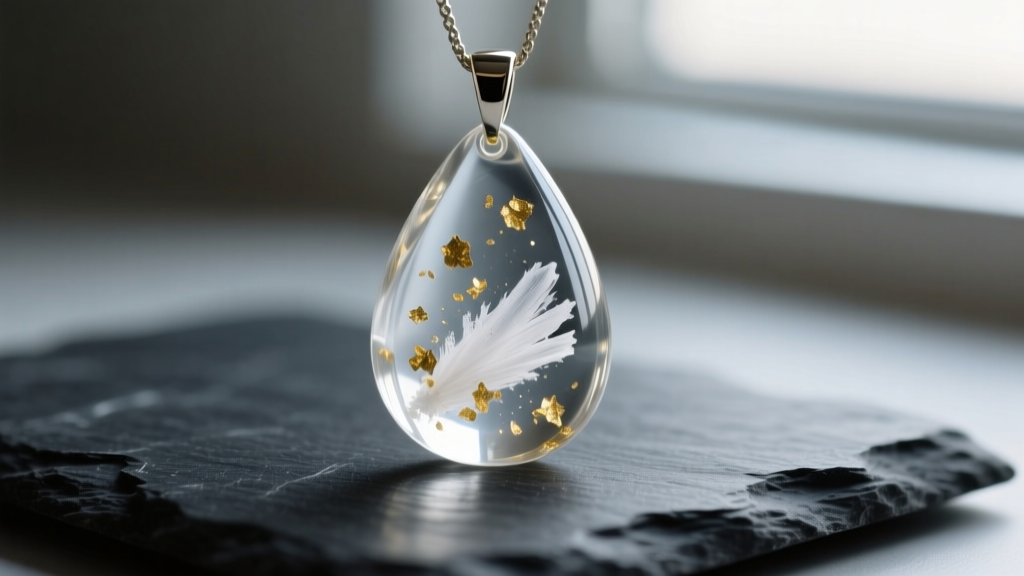
Caring for cremation ashes jewelry requires a delicate balance of material science and emotional reverence. Unlike standard fashion accessories, memorial keepsakes encapsulate irreplaceable physical remains within complex matrices of epoxy resin, blown glass, or precision-machined metal chambers. A single cleaning mistake—such as using an ultrasonic cleaner or an ammonia-based polish—can permanently cloud a resin inclusion, shatter a glass vial via thermal shock, or degrade the silicone O-ring sealing a threaded urn pendant.
As of 2026, advancements in polymer chemistry and metallurgy have made memorial jewelry more durable than ever, but proper maintenance remains entirely dependent on the wearer. This comprehensive guide details the exact protocols, chemical restrictions, and hardware checks required to preserve your keepsake for generations.
Understanding Material Vulnerabilities
Before applying any cleaning agent, you must identify the primary containment material of your jewelry. The three most common categories each possess distinct chemical and physical vulnerabilities.
- Cast Epoxy Resin: Typically formulated to a Shore D hardness of 75-85. While highly scratch-resistant, untreated resin is porous at a microscopic level and highly susceptible to UV degradation (yellowing) and chemical etching from alcohols.
- Blown Glass & Quartz Infusions: Often crafted from borosilicate or soda-lime glass. These are non-porous and chemically inert to most household cleaners, but they are highly vulnerable to rapid temperature fluctuations (thermal shock) and hard impacts.
- Threaded Metal Urns (Sterling Silver & Stainless Steel): The metal itself is durable, but the vulnerability lies in the containment seal. Many metal cremation pendants rely on internal silicone O-rings or jeweler's-grade threadlockers to prevent the ashes from escaping.
Step-by-Step Cleaning Protocols by Material
1. Cleaning Resin and Epoxy Inclusions
Modern UV-stable resin formulations resist yellowing better than older variants, but they still require gentle, non-abrasive cleaning. Never use rubbing alcohol, acetone, or glass cleaners (like Windex), as these will strip the polished topcoat and leave the resin permanently cloudy.
- Mix a few drops of pH-neutral dish soap (such as original Dawn) into a bowl of lukewarm distilled water.
- Submerge the resin pendant for no more than 60 seconds to loosen skin oils and lotions.
- Gently agitate the water. Do not scrub with a brush, as micro-abrasions will dull the optical clarity of the resin.
- Rinse under a gentle stream of distilled water and immediately pat dry with a clean, lint-free microfiber cloth. Air-drying can leave mineral spots if tap water is used.
2. Polishing Blown Glass and Quartz Infusions
Glass inclusions are generally safe from chemical damage, but the metal settings (bails and bezels) holding them are not. According to the Gemological Institute of America (GIA), glass and quartz should be cleaned with mild solvents, but care must be taken to protect the surrounding metal.
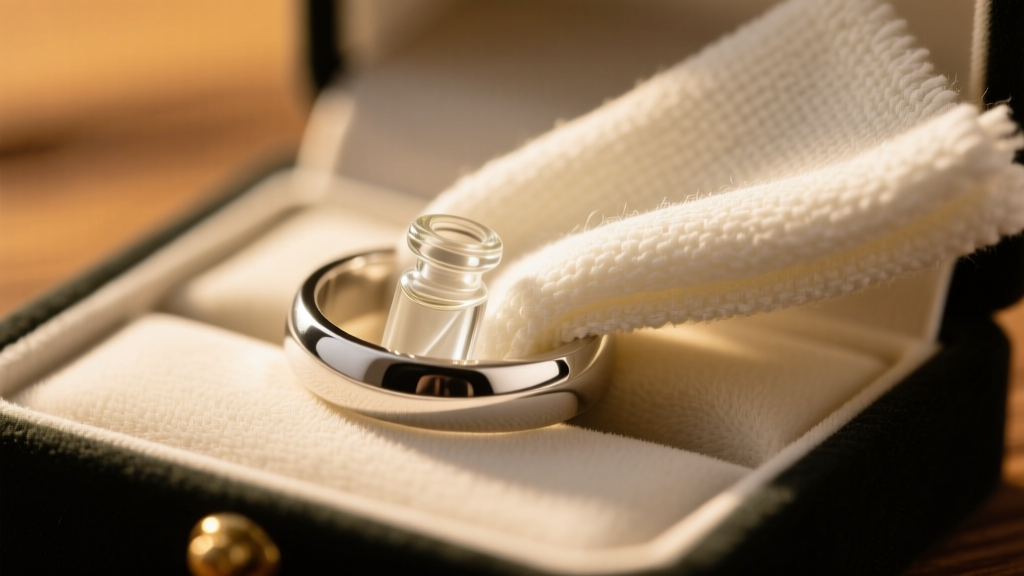
You can safely use a 70% isopropyl alcohol solution on a microfiber cloth to wipe down the glass component. This effectively removes sebum and fingerprints without streaking. However, ensure the alcohol does not pool in the crevices where the glass meets the metal bezel, as prolonged exposure can degrade the jeweler's epoxy used to secure the glass stone.
3. Maintaining Sterling Silver and Gold Vermeil Settings
Sterling silver (925) is prone to tarnishing when exposed to hydrogen sulfide in the air and sulfur compounds in human sweat. The Assay Office London recommends using a dedicated, treated silver polishing cloth (such as a Sunshine cloth) rather than liquid silver dips.
Critical Warning: Liquid tarnish removers (like Tarn-X) utilize harsh thiourea-based chemicals. If these liquids seep into the threaded bail cap or the microscopic gap of an ash chamber, they will corrode the internal threading and degrade the rubber O-ring seal, potentially leading to the catastrophic loss of the cremains.
The Chemical Danger Zone: What to Avoid
The following table outlines common jewelry cleaning methods and their specific failure modes when applied to cremation ashes jewelry.
| Cleaning Agent / Method | Effect on Resin | Effect on Glass | Effect on Metal Seals & O-Rings |
|---|---|---|---|
| Ultrasonic Cleaners | Causes micro-fractures and delamination from the metal bezel. | Safe for glass, but shatters internal glass vials via high-frequency vibration. | Loosens threaded bail caps and shreds silicone O-rings. |
| Rubbing Alcohol / Acetone | Dissolves the polished top layer, causing permanent white clouding. | Safe; effectively removes oils. | Dries out and cracks internal rubber O-rings. |
| Commercial Silver Dips | Chemical burns and severe discoloration. | Safe for glass, but strips anti-reflective coatings if present. | Corrodes internal threading and dissolves threadlocker adhesives. |
| Steam Cleaners | Thermal expansion causes the resin to crack or pop out of its setting. | High risk of thermal shock; will shatter soda-lime glass instantly. | Safe for solid metal, but melts internal wax or glue seals. |
Hardware Checks and Seal Maintenance
For cremation ashes jewelry that features a user-accessible chamber (typically a threaded screw-top bail or a small set-screw on the side of a ring), routine hardware maintenance is non-negotiable. The integrity of the seal is the only thing keeping the ashes secure.
Inspecting the O-Ring
Most high-quality threaded urn pendants use a 1mm to 1.5mm cross-section silicone O-ring. Over time, body heat, friction, and environmental exposure can cause this O-ring to compress, flatten, or dry out. Every six months, carefully unscrew the bail cap and inspect the O-ring. If it appears cracked, flattened, or brittle, it must be replaced. You can purchase replacement silicone O-rings (Shore A durometer of 50-60 is ideal for jewelry seals) from specialized jewelry suppliers or hardware stores.
Reapplying Threadlocker and Lubricants
If your pendant relies on a friction-fit or threaded seal without an O-ring, the manufacturer likely applied a microscopic drop of jeweler's-grade Loctite (typically Loctite 222, a low-strength purple threadlocker) or a silicone-based waterproof grease. If you notice the bail cap loosening during daily wear, clean the threads with a dry cotton swab and apply a minuscule amount of synthetic watch oil or silicone grease to the threads before screwing it shut. Never use superglue (cyanoacrylate), as it will permanently fuse the cap, making future opening impossible without destroying the piece.
Long-Term Storage and UV Protection
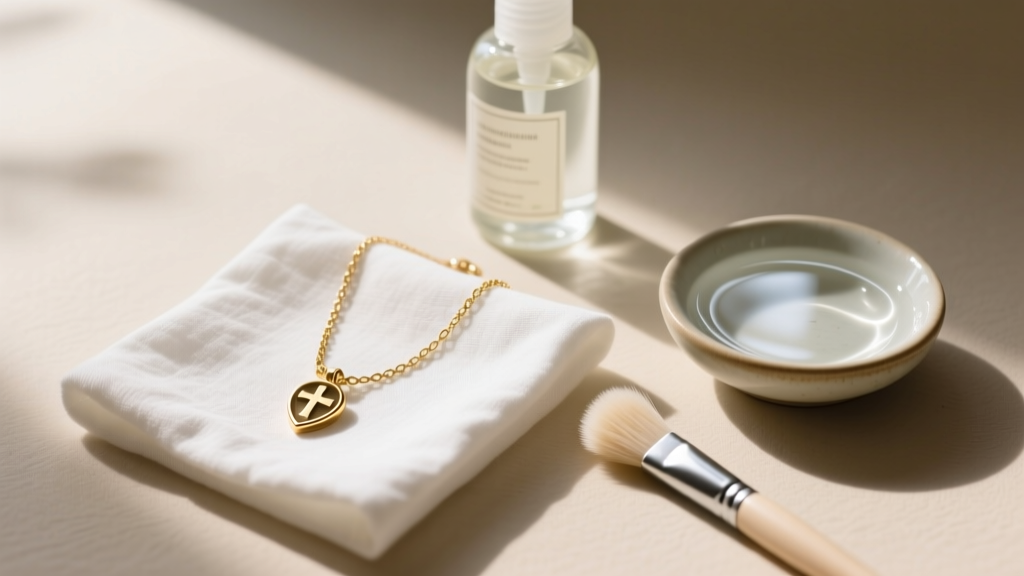
When you are not wearing your memorial jewelry, how you store it dictates its lifespan. Resin, in particular, is highly sensitive to ultraviolet (UV) radiation. Even with modern Hindered Amine Light Stabilizers (HALS) mixed into the 2026 resin batches, prolonged exposure to direct sunlight will eventually cause the polymer chains to break down, resulting in an irreversible yellow or amber tint.
Expert Archival Tip: Store your cremation ashes jewelry in a dark, climate-controlled environment. Use an airtight, anti-tarnish ziplock bag (such as those treated with 3M Silver Shield technology) alongside a small silica gel desiccant packet. This neutralizes both the hydrogen sulfide that tarnishes silver and the ambient humidity that can degrade metal threading over time.
When to Seek Professional Restoration
While daily cleaning and O-ring replacements can be done at home, certain types of damage require the original artisan or a specialized memorial jeweler. You should seek professional restoration if:
- Deep Resin Scratches: If the resin surface is deeply scratched, a professional can wet-sand the piece using progressive grits (from 800 up to 12,000 micromesh) and apply a fresh UV-resistant polyurethane topcoat to restore optical clarity without exposing the ashes beneath.
- Cracked Glass Inclusions: If a blown glass stone fractures, the ashes may be exposed to the elements. A professional can carefully extract the remains, clean the shattered glass matrix, and re-cast or re-blow the piece.
- Stripped Bail Threads: If the screw-top bail cap no longer catches, the internal threading is stripped. A jeweler can re-tap the threads or solder a new threaded housing onto the pendant bail.
Treating your cremation ashes jewelry with scientific precision ensures that the physical memorial remains as pristine and enduring as the memories it represents. By avoiding harsh chemicals, respecting material boundaries, and performing biannual seal checks, your keepsake will remain a flawless tribute for decades to come.


