The Costume Jewelry Definition: Material Tiers & Care Guide
Explore the true costume jewelry definition, uncover material tiers like brass, alloy, and rhodium plating, and master expert cleaning techniques.

Decoding the Costume Jewelry Definition: Beyond the Price Tag
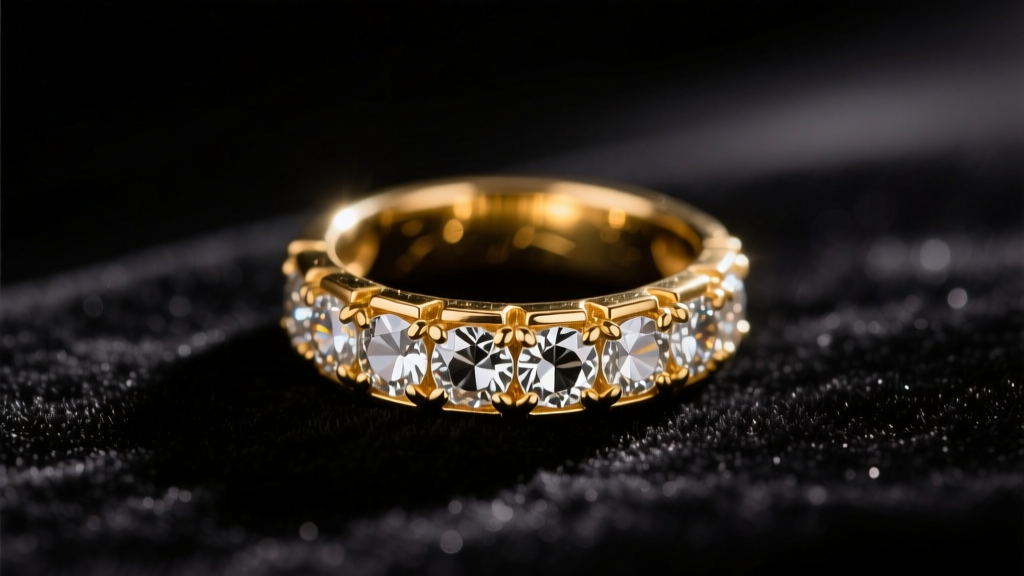
The term "costume jewelry" was popularized in the 1920s by Coco Chanel, who championed bold, accessible adornments designed to complement specific outfits rather than signify wealth. Today, the true costume jewelry definition hinges strictly on material science: it encompasses adornments crafted from base metals, non-precious alloys, simulants, and synthetic materials, rather than solid precious metals and naturally mined gemstones. Understanding this definition is the first step in mastering its care, as the absence of solid gold or platinum means fashion pieces are inherently more vulnerable to environmental degradation, oxidation, and chemical stripping.
Unlike fine jewelry, which can often be aggressively polished or subjected to ultrasonic waves, costume pieces require a nuanced, chemistry-aware approach to maintenance. The substrates and surface treatments used in fashion jewelry dictate entirely different preservation frameworks.
The Anatomy of Fashion Jewelry: Base Metals and Plating
To care for costume jewelry, you must first identify its core substrate. The Federal Trade Commission Jewelry Guides mandate specific disclosures for metal compositions, but many vintage and fast-fashion pieces lack stamps. The most common base metals include Zamak (a zinc alloy with aluminum, magnesium, and copper), brass (copper and zinc), and pewter. These substrates are highly reactive to moisture and human sebum.
Because base metals tarnish rapidly and can cause skin irritation, they are almost always plated. The industry standard for costume jewelry is "flash plating," which deposits a microscopic layer of gold or rhodium—typically less than 0.5 microns thick. This ultra-thin veneer is easily compromised by friction, sweat, and harsh chemicals, revealing the reactive base metal beneath.
| Substrate Material | Alloy Composition | Primary Failure Mode | Cleaning Restriction |
|---|---|---|---|
| Zamak (Pot Metal) | Zinc, Aluminum, Magnesium, Copper | Pitting and structural crumbling | Never submerge in water |
| Brass | Copper, Zinc | Verdigris (green oxidation) | Avoid acidic solutions |
| Pewter | Tin, Antimony, Copper | Bending and dull gray oxidation | No abrasive polishing |
| Acrylic / Resin | Polymethyl methacrylate | UV yellowing and micro-scratches | No alcohol or ammonia |
Simulants and Stones: Mohs Hardness and Foil Backing
The Gemological Institute of America (GIA) classifies materials like glass, cubic zirconia (CZ), and acrylic as simulants when they mimic natural gems. Their care depends heavily on the Mohs scale of hardness and their manufacturing techniques.
The Foil-Back Vulnerability
Many high-end fashion brands, as well as vintage makers, use glass rhinestones with a vapor-deposited metallic foil on the back to enhance light refraction (such as the Aurora Borealis finish). This foil is water-soluble and highly sensitive to adhesives. Submerging foil-backed stones in any liquid will cause the backing to peel or oxidize, permanently turning the stone cloudy and gray. These pieces must only ever be cleaned with a barely damp microfiber cloth, avoiding the stone's setting entirely.
Poured Glass vs. Resin
Iconic fashion houses like Chanel utilize "pâte de verre" (poured glass), which has a Mohs hardness of about 5.5. While it resists scratching better than acrylic (Mohs 2-3), it is susceptible to thermal shock. Conversely, resin pearls and faux-tortoiseshell acetates will melt, warp, or lose their pearlescent coating if exposed to alcohol-based cleaners or prolonged UV sunlight.
The Chemistry of Tarnish and Verdigris
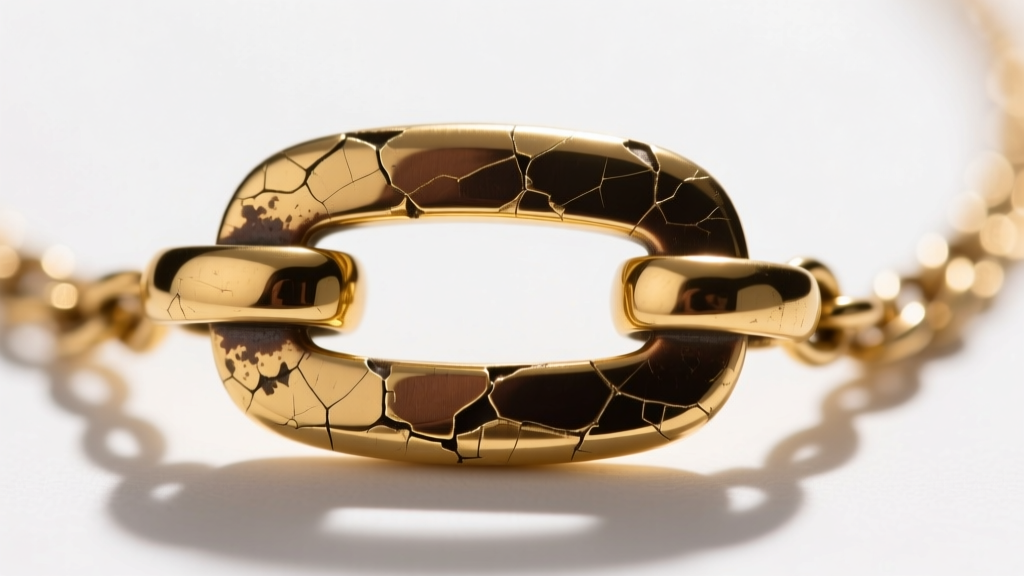
One of the most common complaints regarding costume jewelry is the green discoloration it leaves on the skin. According to the American Institute for Conservation (AIC) Metals Wiki, this is not a sign of toxicity, but a predictable chemical reaction. When the copper in brass or bronze alloys comes into contact with lactic acid (present in human sweat), oxygen, and moisture, it forms copper chloride and copper carbonate—commonly known as verdigris.
Verdigris is corrosive. If left untreated on a brass-based fashion piece, it will eventually eat through the gold plating and cause "metal bleed," where the base metal permanently stains the surface. Stopping this reaction requires neutralizing the acids and creating a moisture barrier.
What Never to Use: The Forbidden Cleaning Agents
Because the boundaries between fine and fashion jewelry are sometimes blurred in marketing, consumers often apply fine jewelry cleaning methods to costume pieces, resulting in catastrophic damage. Never use the following on fashion jewelry:
- Ultrasonic Cleaners: The high-frequency cavitation bubbles will shatter glued-in rhinestones, strip flash plating, and crack resin.
- Ammonia and Bleach: These will instantly dissolve the micron-thin gold or rhodium electroplating, leaving a blotchy, raw brass surface.
- Toothpaste and Baking Soda: Both are highly abrasive. They will introduce micro-scratches into acrylic and glass, dulling their optical clarity and stripping metallic finishes.
- Silver Dip Polishes: Formulated for solid sterling silver, these harsh acids will pit Zamak and strip protective lacquers.
Expert Cleaning Protocols for Costume Pieces
Proper maintenance of fashion jewelry relies on gentle surfactants and mechanical action that respects the delicate plating and adhesives.
Step 1: The Dry Pre-Clean
Always begin by removing surface oils and dust. Use a clean, dry microfiber cloth or a soft-bristled makeup brush to gently sweep away debris from intricate filigree and stone settings. This prevents scratching during the wet cleaning phase.
Step 2: The Surfactant Wash (For Non-Foil-Backed Pieces)
Mix a solution of lukewarm distilled water and a single drop of pH-neutral dish soap (such as Dawn). Distilled water is crucial, as tap water contains chlorine and hard minerals that accelerate oxidation. Dip a baby-bristle toothbrush into the solution, shake off the excess moisture, and gently agitate the metal. Do not submerge the piece. Rinse quickly under a slow stream of distilled water and immediately pat dry with a lint-free cloth.
Advanced Preservation and Storage Frameworks
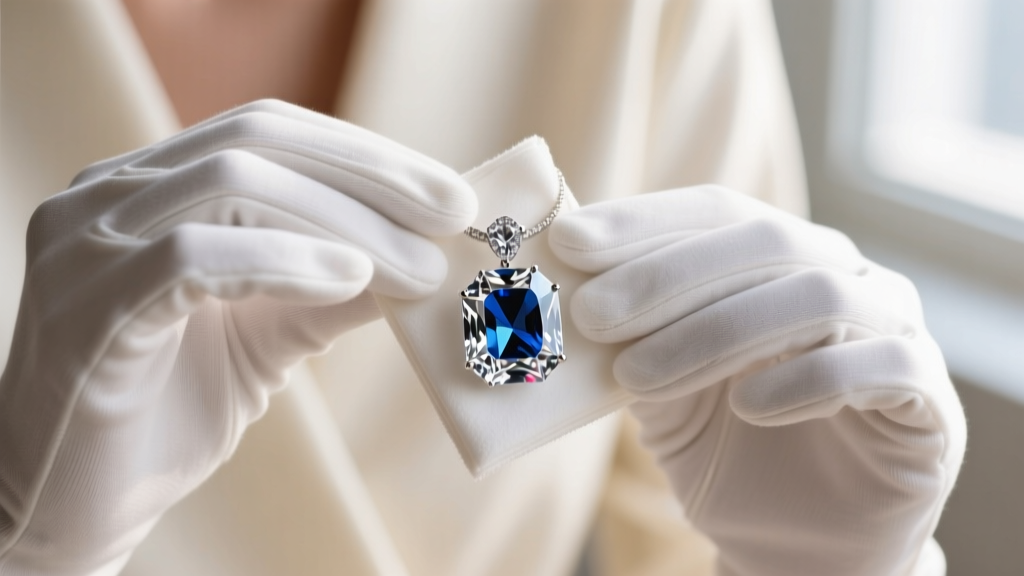
Cleaning is only half the battle; how you store costume jewelry dictates its lifespan. The primary enemies of base metals and simulants are humidity, UV radiation, and sulfur in the air.
"The most effective way to arrest the oxidation of base metal alloys is to control the microclimate of the storage environment, specifically by reducing relative humidity below 40% and introducing sulfur-absorbing agents."
To build an optimal storage framework for your fashion collection:
- Use Anti-Tarnish Strips: Place 3M anti-tarnish strips inside your jewelry boxes. These strips contain copper particles that act as a sacrificial anode, absorbing airborne sulfur and hydrogen sulfide before they can react with your jewelry's silver or rhodium plating.
- Control Moisture: Include silica gel desiccant packets in your storage drawers. Replace them every six months to ensure they remain active.
- Isolate Pieces: Store items individually in ziplock bags made of polyethylene. Avoid PVC plastics, which can off-gas chemicals that degrade acrylics and resins over time.
- The Clear Polish Trick: For inexpensive brass rings or bracelets that consistently turn your skin green, apply a thin coat of clear, non-yellowing nail polish to the interior band. Reapply every few months as the polish wears away from friction.
When to Replate vs. Retire
Eventually, the flash plating on a beloved piece of designer costume jewelry will wear through, revealing the dull brass or Zamak beneath. When this happens, you face a decision: replate or retire.
Standard silver or gold polish will not restore the color; it will only make the exposed base metal shinier. To restore the original luster, the piece must be professionally stripped and electroplated. Many specialized jewelry repair shops offer "heavy gold electroplating" (2.5 microns or more) for fashion pieces. This process typically costs between $75 and $150, depending on the surface area. While this exceeds the original retail price of most fast-fashion jewelry, it is a highly cost-effective and sustainable way to preserve sentimental designer pieces from houses like Dior, Chanel, or Kenneth Jay Lane, transforming them into heirloom-quality accessories that resist future tarnish.


