2026 Demi-Fine Jewelry Buying Guide: What to Look For
Discover what to look for when shopping demi-fine jewelry in 2026. Learn about gold vermeil thickness, sterling silver grades, and pricing.

The 2026 Landscape: Defining True Demi-Fine Jewelry
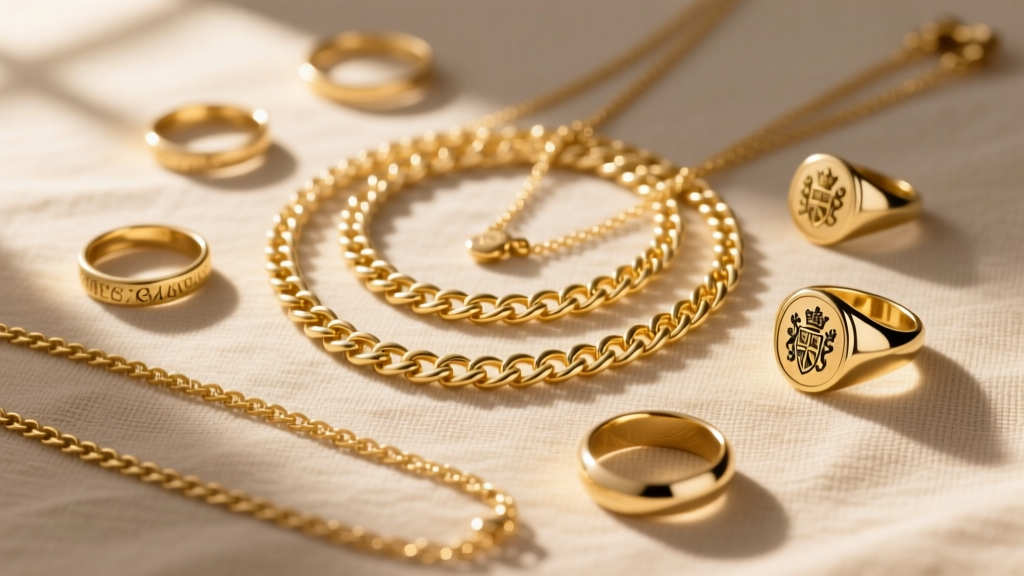
The jewelry market has undergone a massive structural shift over the last decade, and as we navigate 2026, the demi-fine jewelry category has firmly established itself as the ultimate sweet spot for modern collectors. Demi-fine jewelry bridges the critical gap between disposable, trend-driven costume jewelry and prohibitively expensive solid gold fine jewelry. However, the term is frequently hijacked by fast-fashion brands looking to charge premium prices for subpar materials. To shop intelligently, you must look past the marketing copy and examine the metallurgy, gemstone sourcing, and structural engineering of each piece.
True demi-fine jewelry relies on high-quality base metals—specifically sterling silver or gold-filled brass—and utilizes advanced plating techniques or low-karat solid gold alloys to offer longevity without the four-figure price tag. This buying guide will dissect the exact material grades, thickness measurements, and pricing frameworks you need to evaluate before adding a piece to your collection.
Material Breakdown: Vermeil vs. Gold Plated vs. Solid
The most common point of confusion in the demi-fine space is the distinction between gold vermeil, standard gold plating, and gold-filled materials. The Federal Trade Commission (FTC) maintains strict guidelines on how these terms can be legally marketed, yet many overseas manufacturers ignore them.
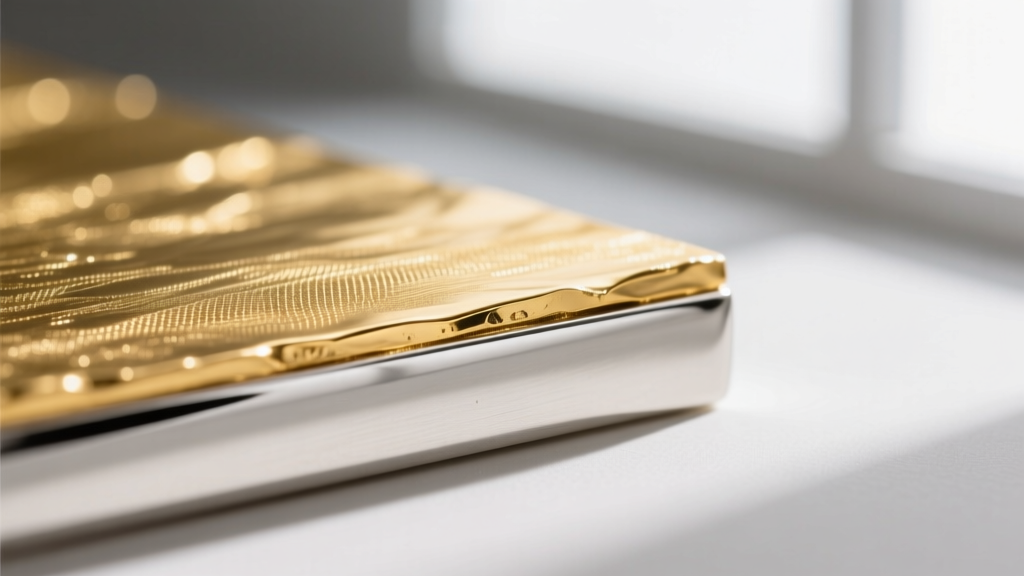
According to the FTC Jewelry Guides, a piece can only be legally marketed as "gold vermeil" if it features a sterling silver base and a gold plating of at least 2.5 microns thick. Anything less must be classified simply as gold plated.
| Category | Base Metal | Gold Thickness | Expected Lifespan | Price Range (Rings) |
|---|---|---|---|---|
| Flash Gold Plated | Brass or Nickel | < 0.5 microns | 3 - 6 months | $15 - $40 |
| Gold Vermeil | 925 Sterling Silver | 2.5 - 3.0 microns | 2 - 5 years | $65 - $150 |
| Heavy Gold Plated | Brass or Bronze | 2.0 - 4.0 microns | 1 - 3 years | $45 - $90 |
| Gold Filled | Brass Core | 5% of total weight | 10 - 30 years | $80 - $180 |
| Solid 14k Gold | N/A (Solid Alloy) | N/A | Lifetime | $250 - $600+ |
The Sterling Silver Standard: 925 and Argentium
When shopping for silver demi-fine jewelry, the ".925" hallmark is your baseline requirement. This indicates that the alloy is 92.5% pure silver and 7.5% copper or zinc. The copper addition is necessary for structural integrity, as pure silver is too malleable for daily wear. However, copper is also the culprit behind tarnishing. When exposed to sulfur and moisture in the air, the copper oxidizes, creating that familiar black patina.
In 2026, premium demi-fine brands are increasingly adopting Argentium Silver (often stamped .935 or .960). Argentium replaces some of the copper with germanium, which creates a transparent, self-healing oxide layer on the surface. This makes Argentium up to seven times more tarnish-resistant than traditional sterling silver. If a brand uses Argentium, they will almost always advertise it, as it is a significant value-add for the consumer.
Additionally, look for rhodium plating on silver pieces. Rhodium is a precious metal from the platinum family. A micro-thin layer (usually 0.1 to 0.2 microns) gives silver a bright, white-gold-like finish and acts as a physical barrier against tarnish. Be aware that rhodium will eventually wear off on high-friction areas like rings and bracelets, requiring re-plating every few years.
Gemstone Quality in the Demi-Fine Tier
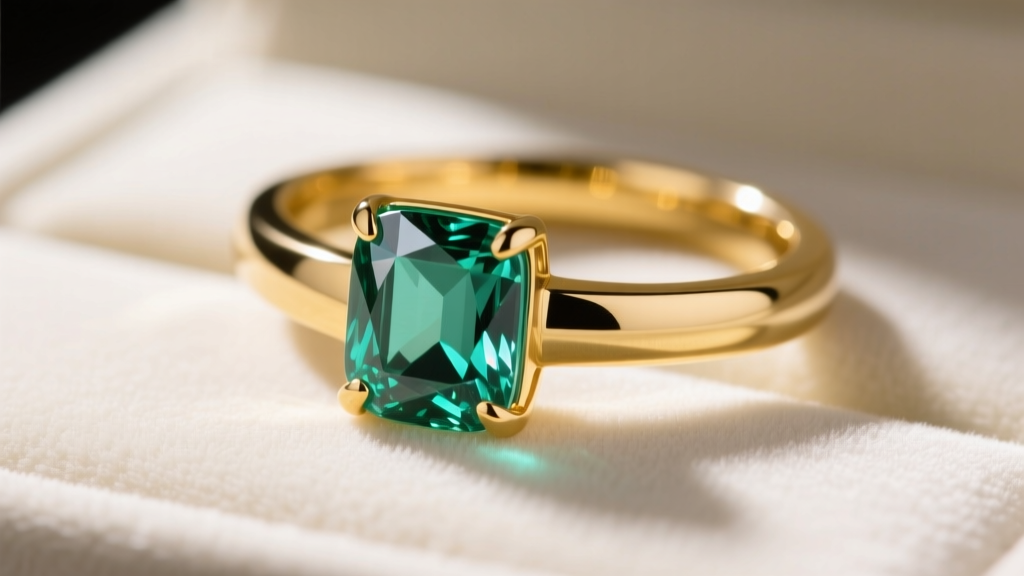
The demi-fine category has been revolutionized by the mainstream acceptance of lab-grown gemstones. According to the Gemological Institute of America (GIA), lab-grown diamonds and colored stones possess the exact same chemical, physical, and optical properties as their mined counterparts. When evaluating demi-fine gemstones, look for the following specifics:
- Lab-Grown Diamonds & Sapphires: Look for CVD (Chemical Vapor Deposition) or HPHT (High Pressure High Temperature) stones. In the demi-fine tier, expect VS clarity and F-G color grades for white diamonds, or vivid, heat-treated saturations for sapphires and rubies.
- Moissanite: An excellent alternative for high-sparkle pieces. Ensure the brand specifies "Forever One" or equivalent D-E-F colorless grades. Lower-tier moissanite often exhibits a sickly yellow or gray undertone in natural lighting.
- Semi-Precious Stones: Stones like amethyst, blue topaz, and citrine are staples of demi-fine jewelry. Blue topaz is almost always irradiated and heated to achieve its color; this is a stable, industry-standard treatment. However, avoid pieces where porous stones like opal or turquoise are set in glue rather than secure bezels or prongs, as moisture will destroy the adhesive over time.
Hardware and Structural Engineering
A common failure mode in lower-tier demi-fine jewelry is hardware breakdown. A beautiful gold vermeil pendant is useless if the chain snaps or the clasp fails. When inspecting a piece, check the jump rings (the small circles connecting the clasp to the chain). In high-quality demi-fine jewelry, these jump rings will be soldered (fused shut with a laser or torch). If the jump ring has a visible slit, it will eventually pull apart under the weight of the pendant.
Furthermore, evaluate the clasp mechanism. Spring ring clasps are cheap and prone to internal spring failure. A premium demi-fine piece will utilize a lobster clasp or a custom-designed magnetic locking clasp, both of which offer superior tensile strength and longevity.
Pricing Framework: What You Should Actually Pay
Understanding the baseline cost of materials protects you from artificial markups. While you are paying for design and brand overhead, the raw material costs dictate a floor and ceiling for fair pricing in the 2026 market.
- Gold Vermeil Chains (16-18 inches): $75 - $140. Anything over $200 for a simple vermeil chain is an unjustified brand tax.
- Sterling Silver Signet Rings: $90 - $160. Heavy, solid cast silver rings require more raw material and should reflect that weight in the price.
- Lab-Grown Diamond Studs (1.00 CTW in 14k Solid Gold): $350 - $600. If they are set in vermeil, the price should drop to the $150 - $250 range.
- Pearl Drop Earrings (Freshwater, 14k Gold Filled): $60 - $110. Freshwater pearls are abundant; you are primarily paying for the gold-filled wire and the designer's curation.
Red Flags and Failure Modes to Avoid
Protect your investment by learning to spot deceptive marketing tactics. Avoid any brand that uses the term "gold dipped" or "gold washed." These are unregulated, colloquial terms that usually indicate flash plating of less than 0.1 microns over a cheap brass core. The gold will rub off within weeks, leaving you with a piece that turns your skin green due to the copper-zinc reaction in the brass.
Another major red flag is the absence of a metal hallmark. By law, precious metals must be stamped with their purity (e.g., 925, 14k, 18k). If a brand claims a piece is solid gold or sterling silver but the interior of the band or the back of the clasp lacks a stamp, assume it is plated base metal.
Finally, be wary of hollow-cast jewelry. Some demi-fine brands use electroforming to create massive, chunky gold vermeil rings that are completely hollow inside. While they look impressive on camera, they are incredibly fragile. A single drop onto a hard surface will dent or crush the metal, and they cannot be repaired or resized by a traditional jeweler.
Final Verdict
Demi-fine jewelry is an excellent investment when purchased with a critical eye. By demanding 2.5-micron vermeil thickness, seeking out Argentium silver, and verifying the structural integrity of the hardware, you can build a collection that rivals fine jewelry in both aesthetics and durability. Always prioritize transparency from the brand—if they cannot clearly tell you the base metal and plating thickness of their pieces, take your money elsewhere.


