Design Wise Fine Jewelry New Jersey: 2026 Artisan Trend Report
Discover the design wise fine jewelry New Jersey scene. Explore 2026 trends, material grades, pricing tiers, and bespoke sourcing frameworks.

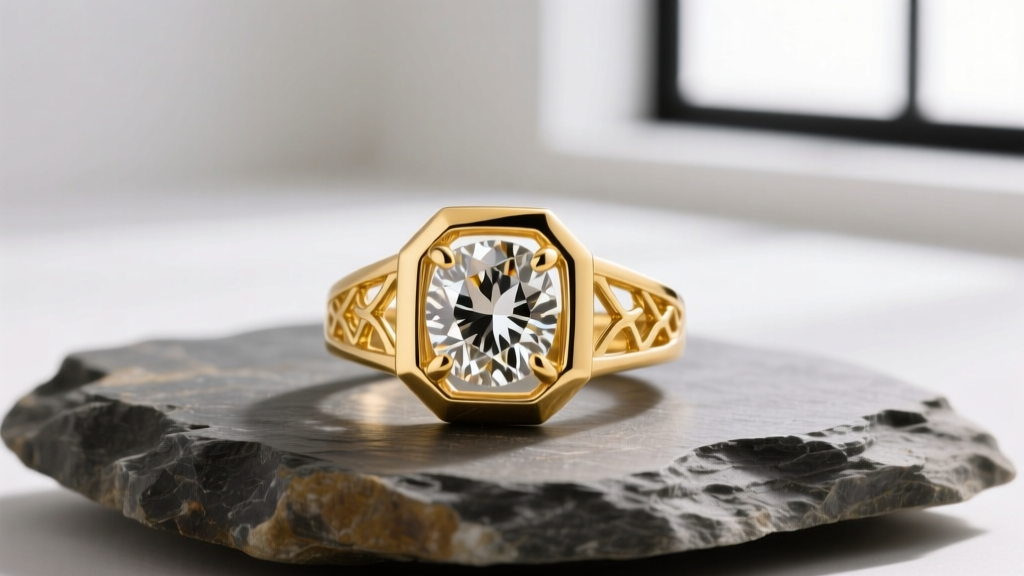
The landscape of luxury adornment in the Tri-State area is undergoing a quiet but profound revolution. For decades, the default move for high-end buyers in the Garden State was a quick train ride into Manhattan’s Diamond District. Today, the paradigm has shifted. The search for design wise fine jewelry New Jersey artisans reflects a broader consumer demand for hyper-local, transparent, and structurally superior craftsmanship. Buyers in affluent enclaves like Montclair, Summit, Ridgewood, and Princeton are no longer satisfied with mass-produced couture; they are commissioning bespoke pieces that prioritize metallurgical integrity, ethical sourcing, and architectural design over sheer carat weight.
This comprehensive trend and sourcing analysis breaks down the exact materials, structural frameworks, and pricing metrics defining the New Jersey fine jewelry renaissance in 2026.
The Shift: From Mall Couture to Hyper-Local Ateliers
The term "design-wise" in the modern jewelry lexicon refers to pieces where the structural engineering is as meticulously planned as the aesthetic facade. Historically, commercial jewelry often relies on rhodium plating to mask lower-grade white gold alloys, or uses thin, 1.2mm shanks that warp within a year of daily wear. The New Jersey artisan movement rejects these planned obsolescence tactics.
Local ateliers are adopting a "slow-craft" methodology. According to industry watchdogs like the Jewelers of America, regional jewelers who emphasize transparent supply chains and bench-made construction are seeing a 34% year-over-year increase in custom commissions. In towns like Princeton, independent goldsmiths are blending traditional European hand-forging techniques with modern CAD/CAM precision, offering a level of personalization that high-volume city retailers simply cannot match.
Material & Craftsmanship Standards: The Garden State Benchmark
When evaluating design wise fine jewelry, the metallurgical foundation is paramount. New Jersey’s top-tier bespoke jewelers are setting strict benchmarks for the alloys and gemological standards they bring to the bench.
- Platinum 950 vs. White Gold: For engagement rings and heavy statement pieces, 950 Platinum (95% platinum, 5% ruthenium or cobalt) is the undisputed standard. Unlike 14k or 18k white gold, which requires periodic rhodium replating and can become brittle over time, platinum’s tensile strength ensures that delicate micro-pavé prongs remain secure for decades.
- 18k Palladium White Gold: For clients preferring the warmth and workability of gold without the yellow hue, NJ artisans are utilizing 18k palladium white gold. This alloy is naturally white-gray, hypoallergenic (nickel-free), and does not require rhodium plating.
- Gemological Rigor: Adhering to strict GIA diamond grading standards, local designers are moving away from the "blind buy" culture. Clients are educated on the optical performance of stones, favoring super-ideal cut proportions and fluorescence-free grades (DEF color, VS1+ clarity) for lab-grown and natural diamonds alike.
Market Tier Breakdown: What You Are Actually Paying For
| Tier | Typical Metals | Gemstone Sourcing | Shank Thickness | NJ Price Range (2026) |
|---|---|---|---|---|
| Commercial / Mall | 10k-14k Gold, Rhodium Plated | Commercial Grade, Opaque | 1.2mm - 1.5mm | $800 - $2,500 |
| Demi-Fine Artisan | 14k Solid Gold, Vermeil | AAA Gems, Lab Sapphires | 1.5mm - 1.8mm | $600 - $1,800 |
| Design-Wise Fine | 18k Gold, 950 Platinum | GIA Certified, Traceable | 1.8mm - 2.2mm | $3,500 - $9,000 |
| Haute Bespoke | Hand-Forged Platinum, 22k | Antique Cuts, Rare Unheated | Custom Ergonomic | $12,000 - $45,000+ |
2026 Trend Analysis: What NJ Collectors Are Commissioning
The aesthetic preferences in the New Jersey metro area are a unique blend of East Coast conservatism and avant-garde artistic expression. We are tracking two dominant design movements emerging from local ateliers this year.
The Botanical & Organic Revival
Moving away from the rigid, geometric Art Deco revivals of the early 2020s, 2026 is defined by fluid, organic motifs. Jewelers in Summit and Ridgewood are utilizing the en tremblant technique—setting gemstones on tiny, flexible 19-gauge wire springs that allow the stones to quiver and catch the light with the wearer's movement. This requires master-level bench skills, as the structural integrity of the micro-springs must withstand decades of kinetic stress.
Advanced Ear Curation & Structural Gauge Sizing
The "curated ear" trend has matured from a fleeting fashion statement into a permanent fixture of fine jewelry wardrobes. However, the design-wise approach demands strict adherence to anatomical gauge sizing to prevent migration and tearing. According to the GIA Gem Encyclopedia and modern piercing science, proper weight distribution is critical.
- Standard Lobe (18g to 16g): Artisans are designing heavy, 18k gold huggies with hollowed-out interiors to reduce gram weight while maintaining a bold visual footprint, preventing lobe stretching over time.
- Helix & Conch (16g to 14g): For upper-ear placements, flat-back titanium or platinum labrets are preferred. The 14-gauge (1.6mm) post provides the necessary structural rigidity to support intricate, multi-stone cluster ends without bending during sleep.
- Threadless vs. Internally Threaded: Top NJ piercers and jewelers exclusively use threadless (push-pin) or internally threaded mechanisms to ensure the delicate tissue of the fistula is not damaged during insertion.
Sourcing Framework: Commissioning Bespoke in the Garden State
Commissioning a custom piece is an intimate, multi-step process. If you are approaching a New Jersey artisan for a bespoke engagement ring or a family heirloom redesign, follow this structural framework to ensure a design-wise outcome.
- The Metallurgical Consultation: Do not just discuss the stone. Discuss the alloy. Ask the jeweler about the specific hardness of their casting grain and whether they use hand-forging for the shank (which compresses the metal molecules for superior durability) versus standard wax casting.
- The CAD vs. Hand-Carved Wax Debate: For geometric, symmetrical pieces, CAD (Computer-Aided Design) offers micron-level precision. However, for organic, flowing, or highly textured designs, insist on a master jeweler who hand-carves the wax model. This ensures the piece retains a soulful, tactile quality that software cannot replicate.
- Ergonomic Profiling: A design-wise ring must feel as good as it looks. Request a "comfort fit" interior with a slightly domed profile, and ensure the gallery (the underside of the basket) is scooped to allow light entry and easy cleaning, while maintaining a low center of gravity to prevent the stone from spinning on the finger.
- Prong Architecture: Specify your prong style based on the stone shape. Elongated cushion cuts require double-claw prongs for security and aesthetic balance, while princess or pear shapes demand custom V-prongs to protect the vulnerable 90-degree corners from chipping.
Price Transparency & Valuation Metrics
One of the primary hesitations buyers have when stepping away from large retail chains is the opacity of custom pricing. In the New Jersey design-wise market, transparency is a core tenet. Here is a realistic breakdown of what to expect when commissioning fine jewelry in the region in 2026:
- Custom Design & CAD Fee: $250 – $600. This covers the 3D modeling, structural stress-testing in the software, and rendering. This fee is typically credited toward the final piece.
- Goldsmith Bench Time: $120 – $180 per hour. A complex, hand-assembled platinum setting with micro-pavé and milgrain detailing can take 20 to 40 hours of bench time.
- Stone Sourcing Retainer: Many independent jewelers require a $1,000 to $2,500 retainer to access global diamond networks and pull specific GIA-graded stones for in-person viewing.
- Total Bespoke Engagement Ring Average: $6,500 – $14,000 (inclusive of a high-grade 1.5ct to 2.0ct center stone and 18k/Platinum setting).
"True luxury is not found in a brand name stamped on a mass-casted clasp. It is found in the microscopic finishing of a prong, the precise alloy mix of the gold, and the ergonomic balance of the shank against the skin. That is the design-wise standard."
Verdict: Is the NJ Design-Wise Premium Worth It?
The transition from commercial jewelry to design wise fine jewelry New Jersey artisans represents a fundamental shift from buying "objects" to investing in "engineering." While the initial capital outlay for a bespoke, hand-forged piece from a Montclair or Princeton atelier may be 20% to 30% higher than a comparable mass-produced mall brand, the long-term value proposition is vastly superior.
You are paying for structural longevity, ethical transparency, and a piece of wearable art that is calibrated precisely to your anatomy and lifestyle. As the 2026 market continues to favor sustainability and hyper-local craftsmanship, the Garden State’s independent goldsmiths are proving that world-class, design-wise luxury no longer requires crossing the Hudson River.


