Fine Jewelry Wholesale No Minimum Order: A Beginner's Guide
Discover how to source fine jewelry wholesale no minimum order. Learn pricing tiers, metal grades, and vetting suppliers for your boutique.

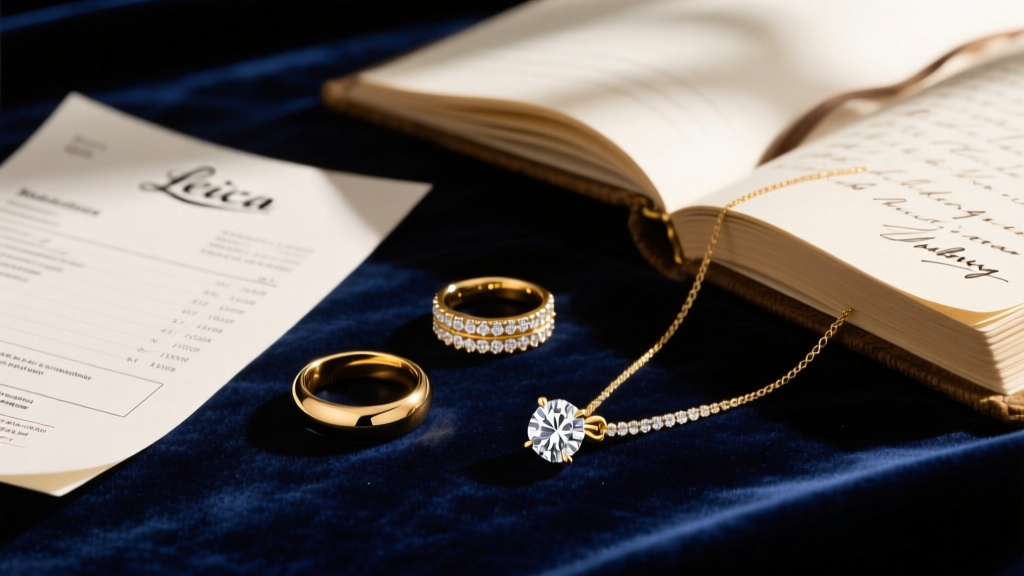
Starting a jewelry boutique in 2026 is more accessible than ever, but navigating the supply chain remains a complex hurdle for newcomers. Many aspiring entrepreneurs search for fine jewelry wholesale no minimum order suppliers to avoid tying up thousands of dollars in upfront inventory. While the concept sounds like a dream for bootstrapped businesses, the reality of sourcing high-quality, solid-gold, and gemstone pieces without minimum order quantities (MOQs) requires a deep understanding of manufacturing models, metal grading, and supplier vetting.
This beginner-friendly explainer will demystify the no-minimum wholesale landscape, teaching you how to protect your profit margins, ensure FTC compliance, and build a reputable inventory without buying in bulk.
The Reality of "No Minimum" in Fine Jewelry
To succeed, you must first understand the economics of fine jewelry. True fine jewelry—defined by solid 14k or 18k gold, platinum, and natural or high-grade lab-grown diamonds—carries immense raw material costs. Traditional wholesalers require MOQs of 50 to 100 units per SKU to offset the costs of CAD/CAM modeling, mold making, and bulk casting.
When a supplier offers fine jewelry wholesale no minimum order terms, they are typically utilizing one of two business models:
- Just-In-Time (JIT) Manufacturing: The supplier maintains a library of pre-designed 3D CAD models and master wax patterns. They only cast a piece when an order is placed, passing the higher per-unit casting cost onto you.
- Dropshipping & White-Label Fulfillment: The supplier holds pre-cast inventory in a centralized warehouse and ships directly to your end customer under your brand's packaging.
Expert Insight: Be highly skeptical of suppliers offering "no minimums" on heavily customized or complex pavé diamond designs. High-labor pieces almost always require MOQs to remain profitable for the manufacturer. If a no-MOQ supplier offers intricate diamond tennis bracelets at suspiciously low prices, you are likely looking at demi-fine (vermeil or gold-filled) or fashion jewelry mislabeled as fine.
Decoding Metal Grades and FTC Compliance
When buying single units at wholesale, you bear the ultimate responsibility for the accuracy of your product descriptions. The Federal Trade Commission (FTC) Jewelry Guides strictly regulate how metals and gemstones are marketed in the United States. Misrepresenting a metal's purity can result in severe penalties and destroyed brand trust.
The Micron and Karat Breakdown
Many no-minimum wholesalers blur the lines between fine and demi-fine jewelry. Here is the exact data you need to verify your inventory:
- Solid 14k Gold: Must contain 58.5% pure gold (585 parts per thousand). It is the industry standard for durable, everyday fine jewelry.
- Solid 18k Gold: Contains 75% pure gold. It offers a richer yellow hue but is softer and more prone to scratching than 14k.
- Gold Vermeil (Demi-Fine): By FTC definition, vermeil must have a sterling silver (925) base and be plated with at least 10k gold to a minimum thickness of 2.5 microns. Many overseas no-MOQ suppliers sell 0.5-micron plated brass as "vermeil," which is legally false advertising.
- Gold-Filled: The gold layer must constitute at least 1/20th (5%) of the total weight of the metal product.
How to Vet a No-Minimum Wholesale Supplier
Finding a reliable partner requires looking past the attractive website and digging into their operational transparency. According to industry standards upheld by organizations like Jewelers of America, reputable suppliers should readily provide documentation.
Red Flags to Avoid
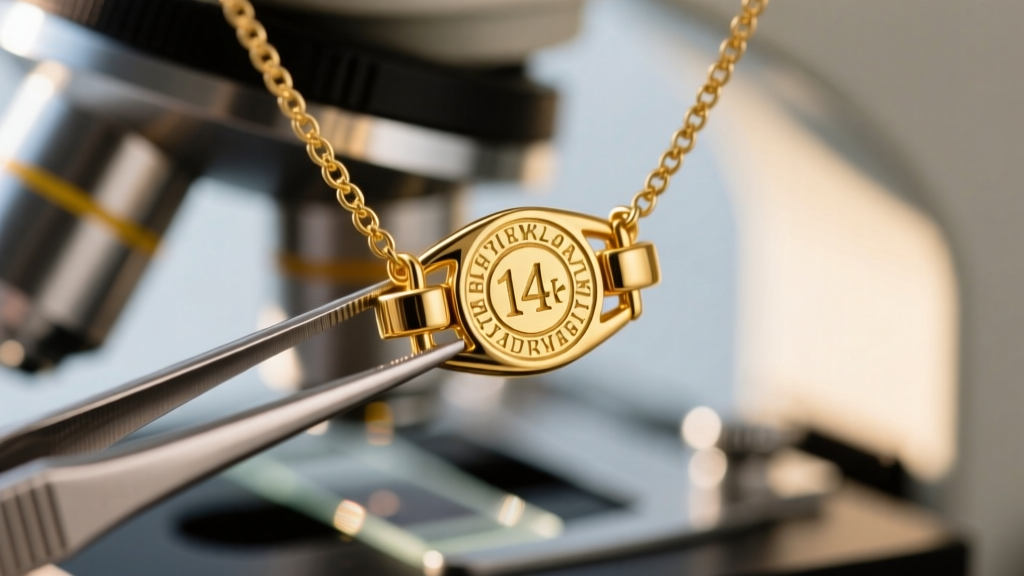
- No Hallmarks: Fine jewelry must be stamped with a purity mark (e.g., 14K, 585, 750) and ideally a manufacturer's trademark. If the supplier's samples lack hallmarks, do not buy from them.
- Vague Gemstone Terminology: Avoid suppliers who use terms like "simulated diamond" without specifying the exact material (e.g., Cubic Zirconia, Moissanite). If they claim "lab-grown," ask for IGI or GIA certification for stones over 0.50 carats.
- Unrealistic Pricing: Gold is a publicly traded commodity. If a supplier's wholesale price for a 5-gram 14k gold ring is lower than the current scrap gold value plus a basic casting fee, the piece is hollowed out, heavily alloyed, or gold-plated base metal.
Comparison: Traditional Wholesale vs. No Minimum
Understanding the trade-offs between traditional bulk buying and no-minimum models is crucial for your pricing strategy. Use this framework to decide which model fits your current business phase.
| Feature | Traditional Wholesale (MOQ 50+) | No Minimum (JIT / Dropship) |
|---|---|---|
| Upfront Capital | High ($5,000 - $20,000+) | Low ($0 - $500 for samples) |
| Per-Unit Cost | Lowest (Economies of scale) | Highest (Premium for single casting) |
| Customization | High (Custom molds, bespoke packaging) | Low (Restricted to supplier's catalog) |
| Quality Control | High (You inspect every piece in-house) | Low (Relies on supplier's QC team) |
| Shipping Times | Fast (Shipped immediately from your stock) | Variable (3-14 days for JIT casting) |
Actionable Steps to Launch Your Inventory
If you are committed to the no-minimum route, follow this exact protocol to protect your business and ensure you are receiving genuine fine jewelry.
1. Order a Benchmark Sample Batch
Never integrate a supplier into your store without ordering at least three distinct samples across different categories (e.g., a solid gold chain, a gemstone ring, and a pair of earrings).
2. Conduct Independent Assay Testing
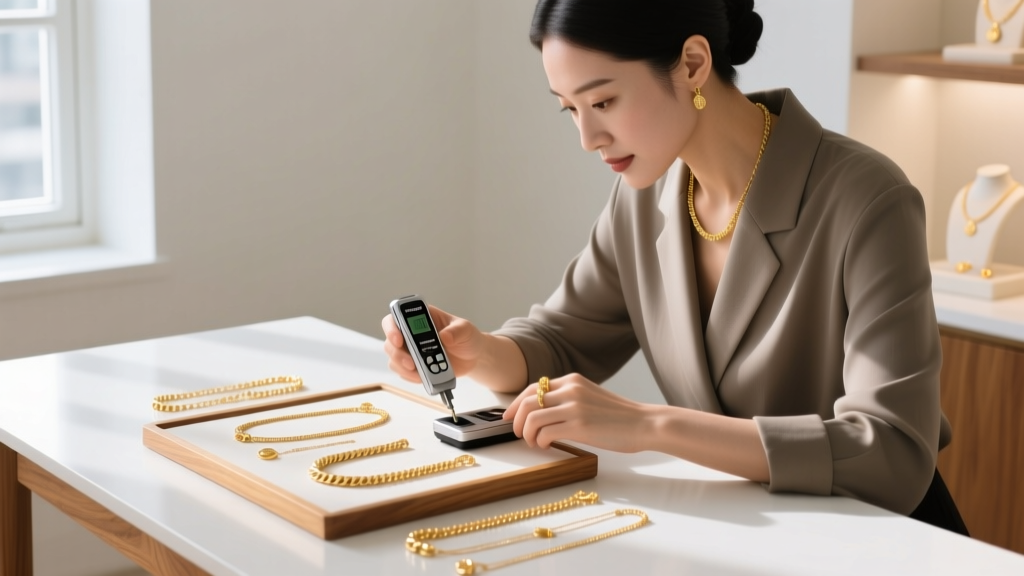
Take your samples to a local, independent bench jeweler or use an electronic gold tester. For a few dollars, a jeweler can perform an XRF (X-ray fluorescence) test or a traditional acid test to verify the exact karat purity and base metal composition. This single step will save you from selling counterfeit goods.
3. Calculate True Landed Costs
No-minimum wholesale often hides costs in shipping and packaging. A $60 wholesale 14k gold vermeil pendant might incur $12 in insured shipping and require a $4 premium velvet box to look like fine jewelry. Your true landed cost is $76. Apply a standard 2.2x to 2.5x markup to determine a retail price of $167 to $190, ensuring you have enough margin to cover customer acquisition costs (CAC) and returns.
4. Audit the Packaging Experience
In a no-minimum dropship model, the supplier controls the unboxing experience. Request a "blind drop" test where the supplier ships a sample to your home. Check for branded invoices, cheap plastic poly-mailers, or supplier branding that could confuse your customer. You may need to negotiate custom packaging inserts that the supplier keeps in their warehouse.
Final Thoughts on Scaling Your Boutique
Utilizing a fine jewelry wholesale no minimum order strategy is an exceptional way to test market demand, validate new designs, and launch a boutique with minimal financial risk. However, it is a stepping stone, not a permanent destination. As your data reveals which SKUs are your bestsellers, transition those specific items to traditional wholesale manufacturers with MOQs to drastically reduce your per-unit costs and increase your profit margins.
By maintaining strict adherence to FTC metal guidelines, independently testing your samples, and understanding the hidden costs of single-unit fulfillment, you can build a highly profitable, reputable jewelry brand from day one. For further education on gemstone grading and metal standards, always refer to resources provided by the Gemological Institute of America (GIA) to keep your expertise sharp in a competitive 2026 market.


