Jonathan Fine Jewelry Care: Expert Cleaning & Maintenance
Preserve your luxury pieces with our expert Jonathan Fine Jewelry care guide. Learn precise cleaning methods, storage tips, and maintenance schedules.

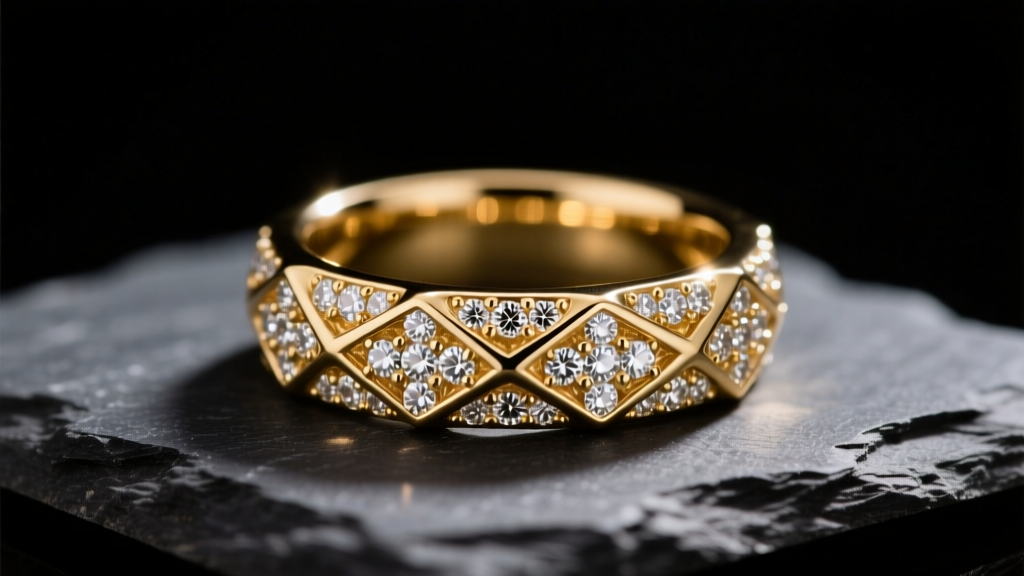
When investing in exquisite, high-end pieces from Jonathan Fine Jewelry, standard cleaning routines are simply not enough. Luxury jewelry represents a significant financial and emotional investment, often featuring complex pavé settings, high-karat precious metals, and rare gemstones that require highly specific care protocols. Unlike mass-produced fashion accessories, fine jewelry interacts with its environment on a chemical and mechanical level. Skin acids, cosmetic lotions, airborne sulfur, and even the natural oils from your fingertips can degrade the brilliance of a diamond or tarnish the intricate alloy matrix of 18k gold over time.
In this comprehensive 2026 guide, we break down the exact metallurgical and gemological maintenance routines required to preserve the structural integrity and optical performance of your luxury pieces. Whether you own a delicate platinum tennis bracelet or a bold 18k yellow gold statement ring, understanding the science of jewelry care is essential for long-term preservation.
The Unique Material Profile of Jonathan Fine Jewelry
To properly care for your jewelry, you must first understand the materials from which it is forged. High-end designers predominantly utilize 18k gold (75% pure gold, 25% alloy metals like copper, silver, or palladium) and PT950 platinum (95% pure platinum, 5% ruthenium or iridium). These specific alloys are chosen for their rich color and durability, but they react differently to environmental stressors.
For instance, 18k white gold is naturally slightly yellowish and relies on a microscopic layer of rhodium plating to achieve its bright, silvery-white finish. This plating is subject to wear, particularly on the interior of rings where friction against the skin is constant. Conversely, PT950 platinum does not require plating; instead, it develops a soft, matte "patina" over time as the metal is displaced rather than lost through micro-scratches. Recognizing these material nuances is the first step in tailoring your maintenance approach, ensuring you do not inadvertently strip rhodium or aggressively polish away intentional textural finishes.
Step-by-Step Cleaning Protocols for High-Karat Metals
While professional cleanings are necessary, regular at-home maintenance is critical for keeping your pieces luminous. The goal is to remove lipid buildup (skin oils and lotions) without abrading the metal or loosening the gemstone settings.
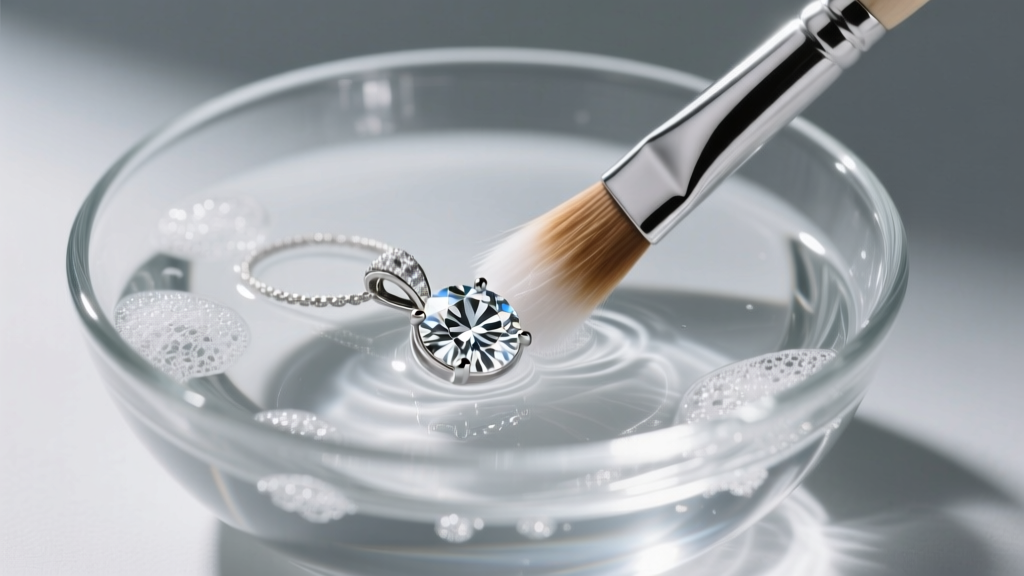
The Distilled Water & Surfactant Method
For routine cleaning of diamond and sapphire pieces set in gold or platinum, the safest and most effective method involves a mild, pH-neutral surfactant. Avoid harsh chemical dips or abrasive pastes, which can micro-scratch high-polish finishes.
- The Solution: Mix three parts distilled water with one part pH-neutral dish soap (such as Dawn Ultra) in a glass bowl. Distilled water is crucial, as tap water contains chlorine and hard minerals that can leave microscopic deposits on the facets of your gemstones.
- The Soak: Submerge the jewelry for exactly 15 to 20 minutes. This allows the surfactant to break down the hydrophobic oils trapped beneath the gallery and prongs of the setting.
- The Agitation: Using an ultra-soft baby toothbrush (with bristles no thicker than 0.05mm), gently agitate the underside of the gemstones. Never scrub the top of the setting aggressively, as this can bend delicate pavé prongs.
- The Rinse & Dry: Rinse thoroughly under lukewarm distilled water. Pat dry with a lint-free microfiber cloth, and use a hairdryer on the "cool" setting to blow water out of hard-to-reach crevices.
What to Avoid: Ultrasonic and Steam Hazards
Many consumers mistakenly believe that commercial ultrasonic cleaners are safe for all fine jewelry. According to the Gemological Institute of America (GIA), ultrasonic cleaners use high-frequency sound waves (typically around 40kHz) to create microscopic cavitation bubbles that implode, blasting away dirt. While excellent for plain diamond solitaires, this violent agitation can easily shake loose stones from delicate pavé or bezel settings. Furthermore, ultrasonic heat and vibrations can shatter fracture-filled diamonds and completely strip the natural cedar oils from emeralds, leaving them cloudy and heavily included.
Gemstone-Specific Care: Diamonds vs. Porous Stones
Not all gemstones can withstand the same cleaning protocols. The Mohs scale of mineral hardness dictates scratch resistance, but it is a stone's porosity and toughness that dictate its cleaning vulnerability. Below is a matrix detailing how to approach different gem categories commonly found in luxury collections.
| Gemstone Type | Mohs Hardness | Porosity & Treatments | Approved Cleaning Method | Strict Prohibitions |
|---|---|---|---|---|
| Diamond (Untreated) | 10 | Non-porous, highly durable | Mild soap, distilled water, soft brush | Chlorine bleach (can pit gold alloys) |
| Sapphire / Ruby | 9 | Generally non-porous (heat treated) | Mild soap, distilled water, soft brush | Hydrofluoric acid, harsh abrasives |
| Emerald | 7.5 - 8 | Highly included, typically oil-treated | Damp microfiber cloth only | Ultrasonic, steam, soap, soaking |
| Opal / Pearl | 5.5 - 6.5 / 2.5 - 4.5 | Extremely porous, water-sensitive | Dry, soft polishing cloth | All liquids, chemicals, ultrasonic |
For porous stones like opals, turquoise, and pearls, the golden rule is to keep them entirely dry. These organic and semi-porous materials can absorb chemicals, lotions, and even water, leading to irreversible discoloration or structural cracking. Always put pearls and opals on last when dressing, ensuring they do not come into contact with perfumes, hairsprays, or cosmetics.
Long-Term Maintenance & Professional Servicing
At-home cleaning only addresses surface-level lipid and dirt buildup. The mechanical integrity of your jewelry requires professional oversight. Jewelers of America recommends having fine jewelry inspected by a certified bench jeweler every six months. During these visits, the jeweler will perform critical structural checks that are impossible to replicate at home.
- Prong Inspection and Retipping: Over time, prongs wear down from friction against clothing. A jeweler will use a 10x loupe to check for lifted or thinned prongs, adding new metal (retipping) before a stone is lost.
- Rhodium Replating: For 18k white gold pieces, expect to have the rhodium plating reapplied every 12 to 18 months. A professional plating bath deposits a precise layer of 0.75 to 1.0 microns of rhodium, restoring the brilliant white luster and providing a hypoallergenic barrier.
- Laser Welding for Micro-Fractures: If a ring shank has been thinned or developed a hairline fracture due to hand stress, traditional soldering can sometimes damage nearby gemstones. Modern bench jewelers utilize laser welders to fuse platinum or gold at a microscopic level without transferring heat to the rest of the piece.
- Professional Steam and Polishing: For appropriate stones, a jeweler will use high-pressure steam to blast away impacted grime, followed by a multi-stage polishing process using rouge compounds to remove micro-scratches from the metal.
Proper Storage Architecture for Luxury Pieces
How you store your jewelry when it is not being worn is just as critical as how you clean it. Tossing multiple pieces into a single drawer or box guarantees micro-scratches, as harder stones (like diamonds and sapphires) will easily scratch softer metals and adjacent gems.
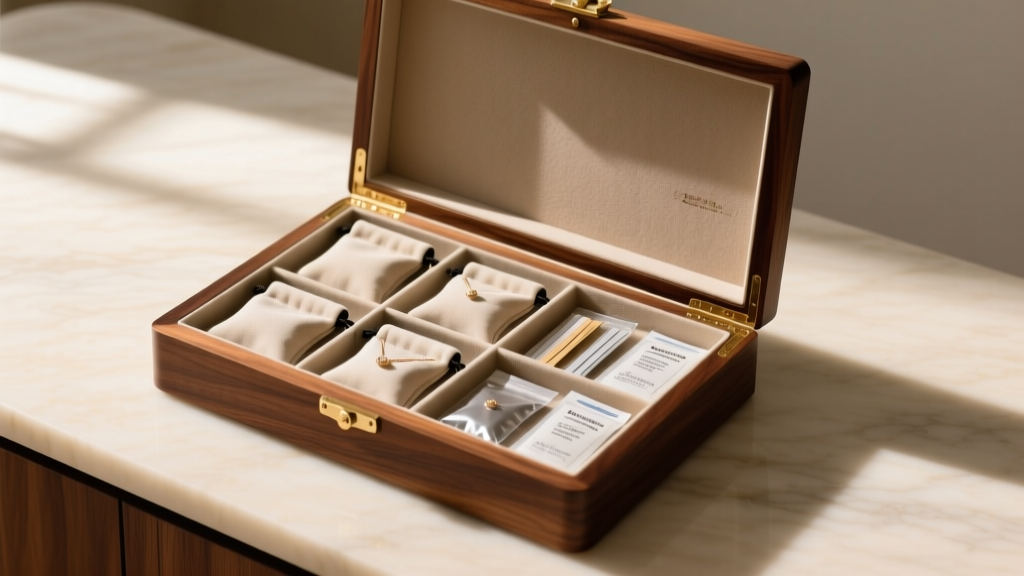
Implement a strict storage architecture. Every piece should be housed in its own individual, untreated microfiber or soft flannel pouch. For silver or lower-karat gold pieces prone to oxidation, introduce 3M anti-tarnish strips into the storage drawer; these strips absorb airborne sulfur compounds that cause black tarnish. Furthermore, control the ambient humidity of your storage environment. Excessive moisture accelerates the oxidation of alloy metals. Placing a few desiccant silica gel packets in your jewelry safe or armoire will maintain a dry microclimate, ensuring your metals remain pristine between wears.
"The longevity of luxury jewelry is not merely a product of its initial craftsmanship, but of the disciplined, scientifically informed care it receives over its lifetime. Treat your pieces with the respect their metallurgy demands."
By adhering to these precise cleaning protocols, respecting the unique vulnerabilities of your gemstones, and committing to a biannual professional maintenance schedule, your collection will retain its optical brilliance and structural integrity for generations to come.


