Budgeting for Mythical Body Art and Fine Jewelry Curation
Discover how to budget for mythical body art and fine jewelry pairings. Assess material value, custom ear curations, and long-term investment returns.

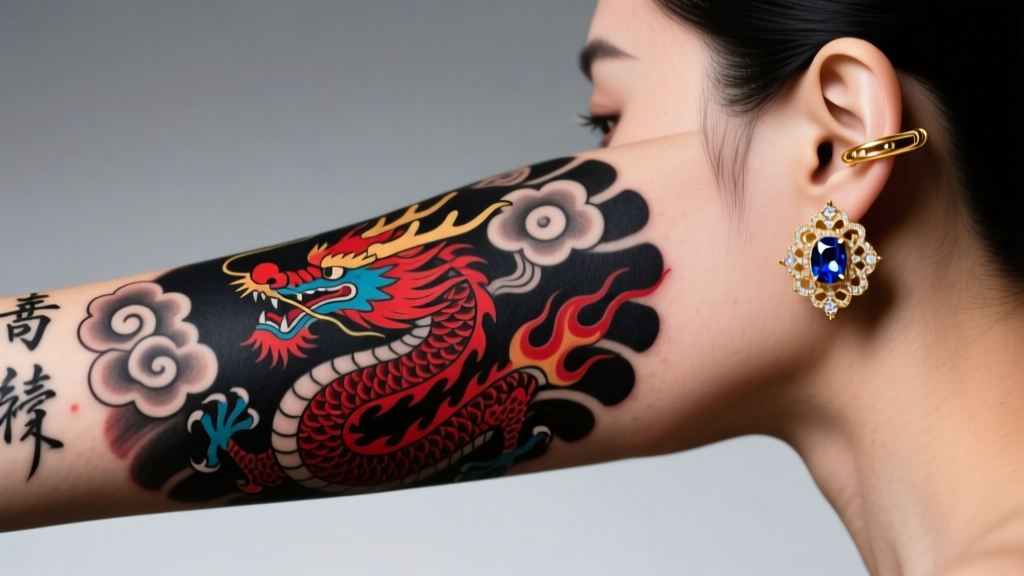
The Intersection of Fantasy Ink and Precious Metals
The convergence of elaborate, mythological tattoo work and high-end body modification has created a distinct aesthetic niche in 2026. Collectors and enthusiasts who invest thousands of hours and dollars into mythical body art—ranging from neo-traditional dragon sleeves and fine-line celestial maps to intricate runic scarification—often face a glaring stylistic bottleneck: cheap, mass-produced fashion jewelry that undermines the artistry of their skin. Budgeting for mythical body art and fine jewelry pairings requires a fundamental shift in how we view body adornment. It is no longer about buying disposable accessories; it is about curating a permanent, cohesive collection of precious metals and gemstones that honor the ink beneath them.
When your body canvas features high-contrast, mythological storytelling, pairing it with hollow-cast, gold-plated brass creates a jarring visual dissonance. Fine jewelry, characterized by solid karat gold, platinum, and precision-set genuine gemstones, provides the necessary visual weight and permanence. However, transitioning from fashion jewelry to fine body jewelry requires a strategic budget. This guide provides a rigorous financial and metallurgical assessment for those looking to elevate their body curation from costume-grade to investment-grade fine jewelry, ensuring every dollar spent contributes to both aesthetic harmony and long-term value.
Material Tiers: What Justifies the Fine Jewelry Premium?
To accurately budget for a high-end body jewelry collection, you must first understand the metallurgy that separates demi-fine fashion pieces from true fine jewelry. The price gap is not merely a brand markup; it is rooted in material science, biocompatibility, and structural integrity.
- ASTM F136 Implant-Grade Titanium: The baseline for any fresh piercing or high-sensitivity area. While not a precious metal, genuine F136 titanium (not F67 commercial grade) is highly biocompatible and non-magnetic. Budget $40 to $120 per piece for high-end, anodized titanium basics from reputable machinists.
- 14k Solid Gold (Nickel-Free): The workhorse of fine body jewelry. Comprising 58.5% pure gold alloyed with copper, silver, and zinc, 14k gold offers an optimal Vickers hardness rating. It is durable enough to withstand the friction of a daith or rook piercing while maintaining a rich, warm luster that complements dark neo-traditional inks. Expect to pay $250 to $800 per piece for precision-set 14k gold.
- 18k Solid Gold: Containing 75% pure gold, 18k is softer, more hypoallergenic, and boasts a deeper yellow hue. According to the Gemological Institute of America (GIA), the higher gold content increases intrinsic value but decreases scratch resistance. It is best reserved for low-impact areas like healed lobes or dermal tops. Budget $400 to $1,500+ per piece.
- Platinum: The ultimate tier for mythical body art pairings. Platinum is naturally white, incredibly dense, and will not tarnish or wear away over time. It is the premier choice for securing high-value gemstones like salt-and-pepper diamonds or natural sapphires in custom ear projects. Pieces typically start at $800 and can exceed $3,000.
For authoritative guidelines on which materials are safe for long-term wear and healing, the Association of Professional Piercers (APP) maintains strict metallurgical standards that every fine jewelry collector should reference before purchasing.
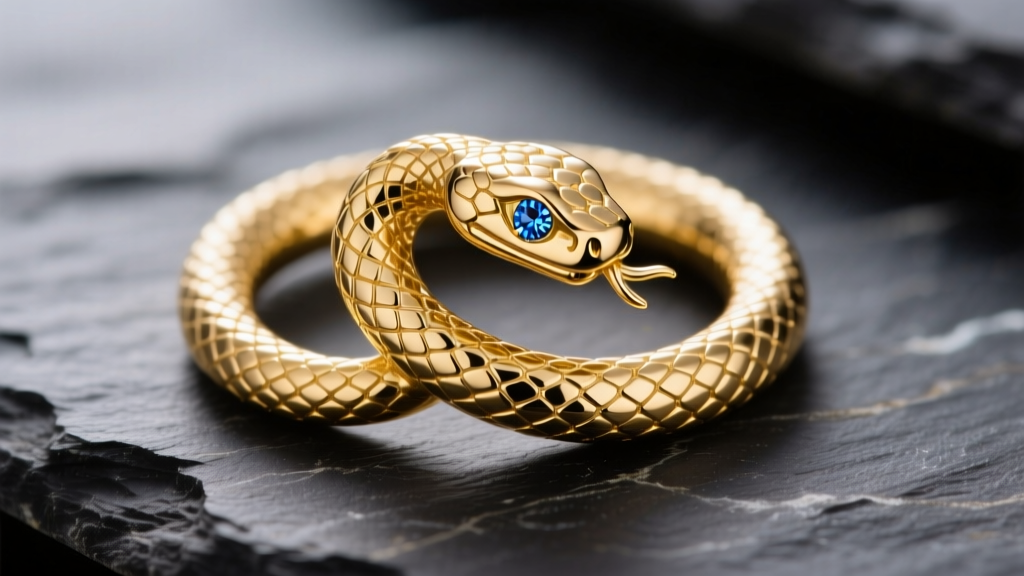
Budget Breakdown: Curating a Mythological Ear Project
An "ear project" is the most common way enthusiasts integrate fine jewelry with their body art. A cohesive, mythologically themed ear curation (e.g., a celestial or serpentine motif) requires careful financial planning. Below is a comparative budget breakdown for a standard 5-piece ear curation, contrasting demi-fine fashion jewelry with investment-grade fine jewelry.
| Piercing Placement | Mythical Motif | Demi-Fine (Gold Vermeil/Plated) | Fine Jewelry (Solid 14k/18k) | Long-Term Value Retention |
|---|---|---|---|---|
| Conch | Medusa Shield / Sunburst | $85 - $150 | $450 - $850 | Moderate (Intrinsic Metal) |
| Helix (x2) | Celestial Stars / Moons | $60 - $120 (pair) | $350 - $600 (pair) | High (If Custom/Artisan) |
| Daith | Articulated Serpent | $45 - $90 | $500 - $1,200 | Moderate |
| Tragus | Runic Symbol / Gem Cluster | $40 - $80 | $250 - $550 | Moderate |
| Total Estimated Budget | $230 - $440 | $1,550 - $3,200 |
Hidden Costs: Anatomy, Healing, and Hardware Mechanics
When budgeting for fine body jewelry, the sticker price of the gold and gems is only part of the equation. You must also account for the hardware mechanics and professional fitting. High-end fine jewelry utilizes either internally threaded or threadless (press-fit) mechanisms. Threadless jewelry, where the decorative end features a slightly bent pin that creates tension inside the hollow post, is the gold standard for secure, seamless looks. However, bending the pin to achieve the exact tension required for your specific anatomy often requires a professional piercer's expertise. Budget an additional $50 to $150 per session for professional installation and downsizing as swelling subsides.
Furthermore, mythical body art often involves dense shading or heavy blackwork near piercing sites. If a piercing is placed too close to a fresh, heavy-ink tattoo, the risk of blowout or ink migration increases. Always budget for a consultation with an APP-certified piercer who understands how to map jewelry placements around existing or planned tattoo sleeves.
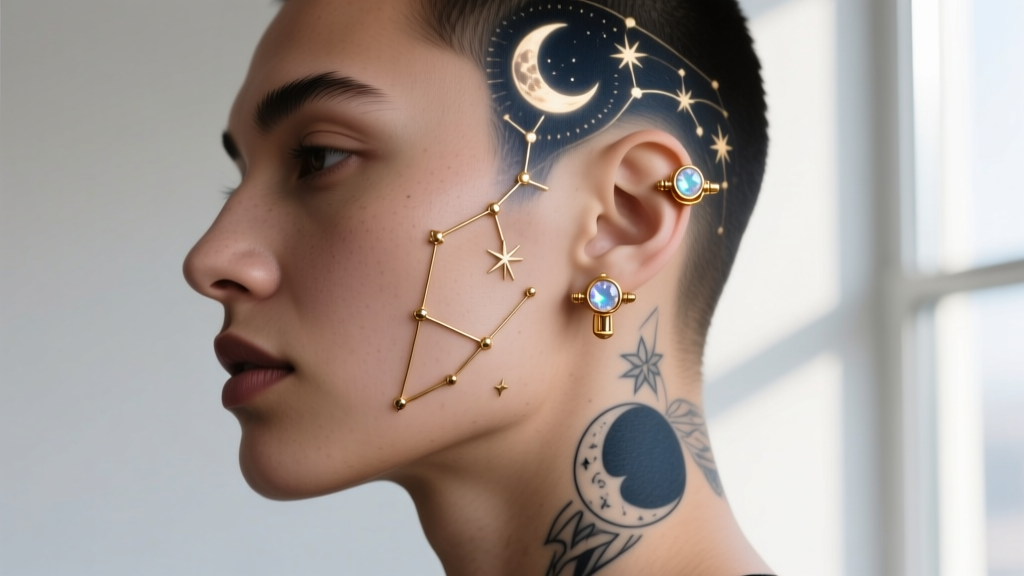
Long-Term Value Retention: Custom vs. Production Fine Jewelry
A critical component of budget assessment is understanding value retention. Does a $600 solid gold daith clicker hold its value better than a $600 gold ring? The answer depends heavily on whether the piece is mass-produced or custom-fabricated.
Production Fine Jewelry: Brands that produce cast, mythologically inspired body jewelry in small batches (e.g., standard serpent ear cuffs or basic bezel-set gem tops) retain value primarily based on their intrinsic melt weight. If you purchase a 3-gram 14k gold conch shield for $450, the raw gold value might only be $120. You are paying for the brand, the precision machining, and the gemstone setting. While these pieces are beautiful and biocompatible, they are not financial investments.
Bespoke and Custom Fine Jewelry: If your mythical body art is highly specific—such as a custom fine-line depiction of the Fates or a bespoke chimera sleeve—you may require custom-fabricated jewelry to match. Commissioning a master goldsmith to hand-carve a wax model and cast a one-of-a-kind 18k gold ear shield can cost between $1,500 and $4,000. According to appraisal standards outlined by Jewelers of America, custom artisan pieces can retain a higher percentage of their retail value, provided they are properly documented and appraised for insurance purposes.
"When insuring custom body jewelry that complements extensive body art, always opt for a 'Scheduled Personal Property' endorsement on your homeowner's or renter's insurance. Standard policies often cap jewelry payouts at $1,500, which will not cover a fully curated, custom 18k gold ear project."
Appraising and Insuring Your Collection
As your collection of fine jewelry grows to match your mythical body art, protecting that financial investment becomes paramount. Body jewelry is uniquely vulnerable to loss; a snagged sweater can easily pull a $500 threadless gemstone top out of a helix piercing, sending it tumbling to the floor or into a drain.
To properly insure your collection, you must obtain a formal appraisal that distinguishes between Replacement Value and Fair Market Value. For fine body jewelry, you want a Replacement Value appraisal, which dictates the cost to recreate or purchase the exact same item from the original artisan at current market rates. Keep detailed macro-photographs of each piece, along with the original receipts and the specific karat weight and gemstone carat weights. Store this documentation in a secure digital vault.
Final Verdict: Is the Investment Worth It?
Budgeting for mythical body art and fine jewelry pairings is an exercise in aligning your external adornments with the permanence of your body modifications. While the initial outlay for a fully curated, solid gold ear project or a set of bespoke dermal tops can easily exceed $3,000, the return on investment is realized in aesthetic cohesion, biocompatibility, and the sheer joy of wearing heirloom-quality metals.
Fashion jewelry will inevitably tarnish, flake, and clash with the timelessness of high-end mythological ink. By shifting your budget toward ASTM-compliant, solid karat gold and precision-set gemstones, you are not just buying accessories; you are completing your body art. Plan your budget methodically, prioritize nickel-free metallurgy, and rely on certified professionals for installation to ensure your fine jewelry collection remains as legendary as the art it adorns.


