How to Sell Costume Jewelry: Fix Tarnish & Maximize Value
Learn how to sell costume jewelry by troubleshooting tarnish, identifying valuable vintage marks, and choosing the best resale platforms for profit.

The Core Problem: Why Your Costume Jewelry Isn't Selling
When you attempt to sell costume jewelry online, you are entering a highly saturated market. Whether you are liquidating an estate collection, flipping thrift store finds, or clearing out your own accessories, the difference between a $5 bin reject and a $250 coveted vintage piece often comes down to three troubleshooting pillars: condition management, accurate identification, and platform alignment. Many sellers fail because they aggressively polish away valuable historical patina, misidentify base metals, or list high-end Art Deco pieces on platforms geared toward fast-fashion bundles.
In 2026, buyers are more educated than ever. They use macro-lens smartphone cameras to inspect clasp mechanisms and foil-backing on rhinestones. To maximize your profit margins and minimize returns, you must approach your inventory with a conservator's mindset and a data-driven pricing strategy.
Troubleshooting Tarnish: What to Clean and What to Leave Alone
The most common mistake sellers make is applying harsh commercial silver dips or abrasive polishing cloths to gold-plated brass or pot metal. This instantly strips the micron-thin gold or rhodium plating, exposing the brassy underlayer and permanently destroying the piece's value.
Safe Cleaning for Rhodium and Gold-Plated Brass
For standard mid-century costume jewelry (like Trifari or Coro), use a solution of lukewarm water and a single drop of pH-neutral dish soap (like Dawn). Use a baby-soft toothbrush to gently agitate dirt from the prongs. Never submerge pieces with foiled rhinestones or glued-in cabochons. Water will seep behind the glass, dissolve the adhesive, and ruin the metallic foil backing that gives the stone its sparkle.
Dealing with Verdigris (Copper Corrosion)
Verdigris is that crusty, pale-green corrosion that forms on copper and brass alloys when exposed to moisture and acids from skin contact. If left untreated, it will eat through the metal and spread to adjacent pieces in your inventory.
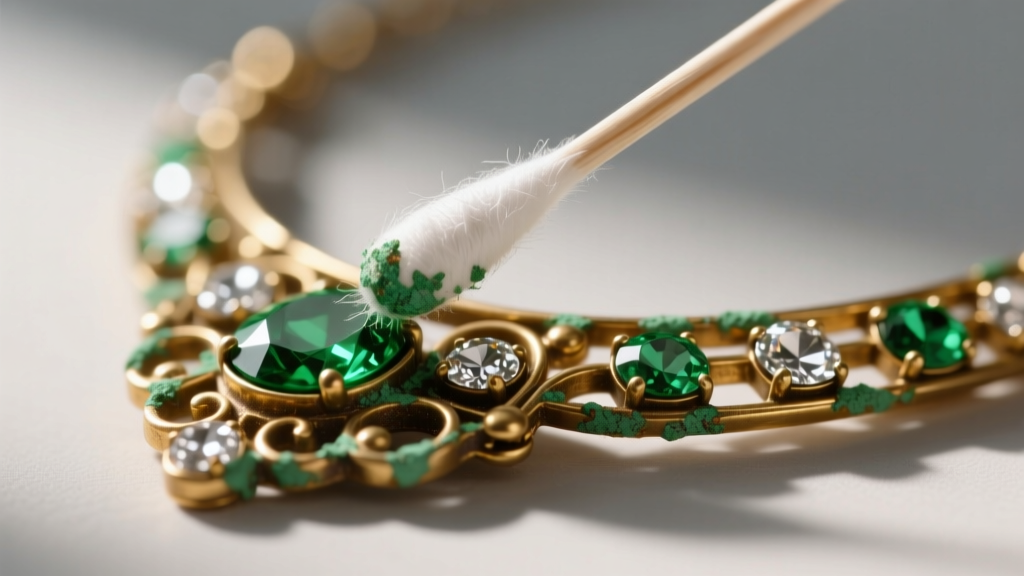
- Mechanical Removal: Use a wooden toothpick or a dry, soft-bristled fiberglass scratch pen to gently flake away the crust. Do not use metal tools, which will scratch the plating.
- Chemical Neutralization: Dip a cotton swab in a 50/50 mix of distilled water and white vinegar. Apply only to the verdigris spots, avoiding any stones. Neutralize immediately with a swab dipped in baking soda and water, then dry thoroughly with a microfiber cloth.
Conservator's Warning: Never use ultrasonic cleaners on vintage costume jewelry. The high-frequency vibrations will shatter fragile glass stones, shake loose glued-in pearls, and cause micro-fractures in Bakelite or celluloid components.
Identifying Hidden Value: Makers Marks and Material Clues
To successfully sell costume jewelry at premium prices, you must accurately date and attribute your pieces. According to the experts at Collectors Weekly, the presence of specific hallmarks, patent numbers, and stone cuts can elevate a piece from 'vintage' to 'highly collectible'.
Look for the introduction of Aurora Borealis (AB) rhinestones. Developed by Swarovski in collaboration with Christian Dior in 1956, the presence of AB stones immediately dates a piece to 1956 or later. Conversely, the absence of a country-of-origin mark (like 'Made in USA') often points to pre-1960s manufacturing, as import/export stamping laws became stricter in the late 20th century.
| Vintage Brand | Era of Peak Value | Key Identifiers & Hallmarks | Average Resale Range (Excellent Condition) |
|---|---|---|---|
| Miriam Haskell | 1930s - 1950s | Elaborate filigree backings, Russian gold plating, baroque pearls | $150 - $800+ |
| Trifari (Crown Mark) | 1940s - 1950s | 'Crown over T' mark, patented invisible settings, Trifanium base | $75 - $450 |
| CoroCraft / Vendome | 1950s - 1960s | Pegasus mark, high-quality marquise rhinestones, sterling vermeil | $50 - $250 |
| Weiss | 1950s - 1960s | Exceptional clarity in aurora borealis stones, floral motifs | $40 - $150 |
| Unsigned / Fast Fashion | 1980s - Present | Molded plastic, glued stones, no hallmarks, lightweight base metals | $5 - $25 (Bundle pricing) |
Platform Troubleshooting: Where to Sell in 2026
Choosing the wrong marketplace will result in high fee bleed and zero visibility. Your platform choice must align with the quality tier of your inventory.
Fee Structures and Best Use Cases
- Ruby Lane: The premier destination for high-end, authenticated vintage and antique jewelry. Best for pieces valued over $100. Expect a one-time shop setup fee and per-item listing fees, but you gain access to serious collectors who do not haggle aggressively. Review the Ruby Lane Seller Guidelines for their strict condition grading requirements.
- Etsy: Ideal for mid-century vintage, Y2K trending pieces, and 'cottagecore' aesthetics. Fees include a $0.20 listing fee, a 6.5% transaction fee, and payment processing (approx. 3% + $0.25). SEO is critical here; use long-tail tags like '1950s silver tone rhinestone floral brooch'.
- Poshmark: Best for liquidating lower-tier, unsigned 1980s/90s costume jewelry or selling in 'lots' and 'bundles'. Poshmark takes a flat 20% commission on sales over $15. The audience is trend-driven rather than collector-driven.
- eBay: The most versatile but highly competitive. Best for rare, highly searched items (like specific Bakelite bangles or signed Chanel runway pieces) where global auction bidding can drive up the price. Standard final value fees hover around 13-15%.
Troubleshooting Broken Clasps and Missing Stones
What do you do when a valuable piece has structural damage? The golden rule of selling vintage is full disclosure. The Federal Trade Commission (FTC) Jewelry Guides mandate that sellers accurately represent the condition, material composition, and any treatments or flaws of jewelry. Failing to disclose a replaced clasp or a missing foil stone can result in 'Item Not As Described' (INAD) claims, which force you to pay for return shipping and refund the buyer.
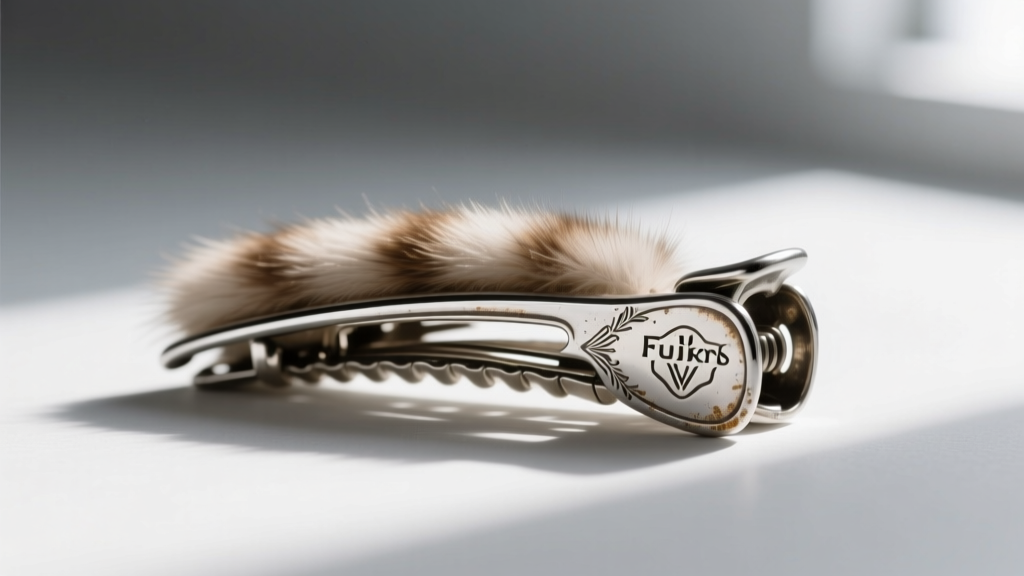
If a piece is missing a standard round rhinestone, you can source replacement stones from specialized lapidary suppliers. However, you must disclose the repair in your listing. For example: 'Original barrel clasp replaced with a modern fold-over clasp for security; one prong re-tipped on the center stone.' Collectors prefer an honest, professionally repaired piece over one where the seller attempts to hide the flaw with clever camera angles.
Photography and Listing Optimization
To sell costume jewelry effectively, your photography must act as a digital loupe. Buyers need to see the exact state of the metal plating and the foil backing of the stones.
- Lighting: Use diffused, natural daylight or a lightbox with a Color Rendering Index (CRI) of 95+. Avoid direct flash, which blows out the highlights on glass stones and hides surface scratches.
- Scale and Context: Always include a photo with a standard reference item (like a US Quarter) or a macro shot of the item next to a metric ruler. Costume jewelry scale varied wildly by decade; 1950s brooches were often petite, while 1980s pieces were massive.
- The 'Flaw' Shot: Dedicate at least one photo to macro-documenting any wear, missing plating, or darkened foil. This builds immense trust and drastically reduces your return rate.
Summary Checklist for Sellers
Before you hit 'publish' on your next listing, run through this troubleshooting checklist:
- Have I identified the base metal and plating type without guessing?
- Did I avoid harsh chemicals that could strip the gold or rhodium finish?
- Is the hallmark clearly photographed and correctly attributed to the right decade?
- Have I selected the marketplace that matches the item's value tier and target demographic?
- Are all flaws, repairs, and material compositions clearly stated in compliance with FTC guidelines?
By treating your costume jewelry inventory with the same analytical rigor as fine jewelry, you transition from a casual reseller to a trusted vintage archivist, commanding higher prices and building a loyal buyer base in the 2026 resale market.


