How to Shop Investment Pieces at Rumanoffs Fine Jewelry
Learn how to navigate Rumanoffs fine jewelry for investment-grade diamonds, luxury watches, and designer pieces with our step-by-step guide.

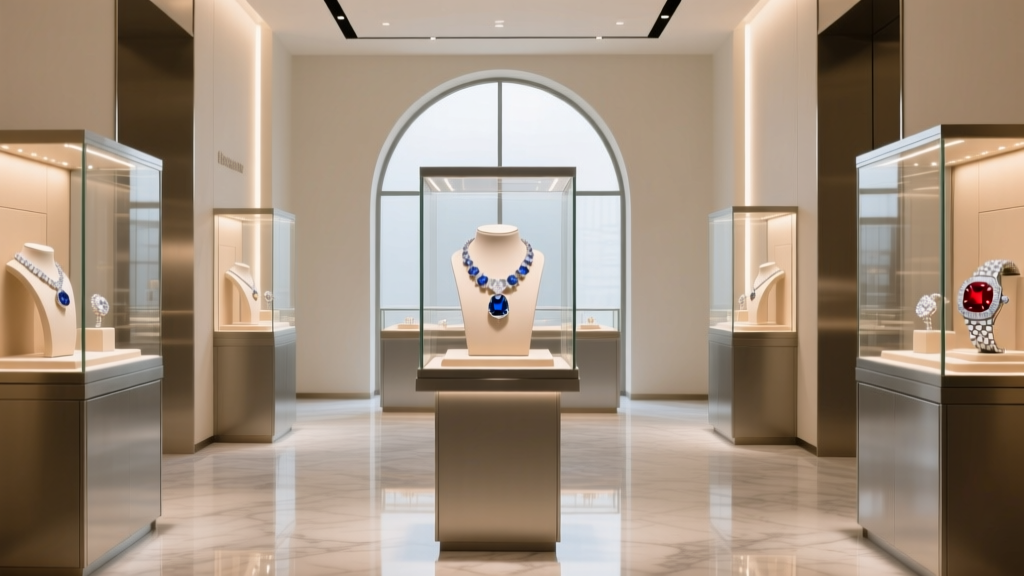
In the evolving landscape of 2026, fine jewelry and luxury horology have transcended mere adornment to become robust alternative asset classes. As collectors and investors seek tangible stores of value, navigating the authorized retail environment is more critical than ever. When evaluating rumanoffs fine jewelry, prospective buyers are engaging with a premier authorized dealer network that offers access to highly coveted brands like Rolex, David Yurman, and Roberto Coin. However, walking into a luxury boutique requires more than just capital; it demands a strategic, educated approach to ensure your acquisitions hold or appreciate in value over time.
This comprehensive, step-by-step guide will walk you through the exact methodology for selecting, authenticating, and purchasing investment-grade pieces from a top-tier authorized dealer. From decoding gemological reports to mastering luxury watch allocation strategies, here is how to build a high-value portfolio.
Step 1: Leverage the Authorized Dealer Advantage
The secondary and grey markets for luxury goods are fraught with risks, ranging from sophisticated counterfeits to voided manufacturer warranties. In 2026, provenance is the ultimate driver of resale value. Purchasing directly from an authorized dealer guarantees an unbroken chain of custody.
- Manufacturer Warranties: Brands like Rolex and Patek Philippe only honor international warranties if the initial purchase is verified through an authorized point of sale.
- Service History: Authorized dealers maintain direct lines to brand-specific service centers, ensuring that future maintenance utilizes OEM (Original Equipment Manufacturer) parts, which is vital for auction valuation.
- Allocation Priority: High-demand, limited-production pieces are never sold to walk-in customers. Establishing a verified purchase history at the retail level is the only legitimate pathway to acquiring 'holy grail' references at MSRP.
Step 2: Decoding High-Jewelry Gemstone Grading
Not all fine jewelry qualifies as an investment. To build a portfolio that outpaces inflation, you must look beyond standard commercial grades and focus on the top percentiles of gemological quality. When selecting diamond-heavy pieces from designers like Roberto Coin or Mikimoto, insist on reviewing the underlying grading reports.
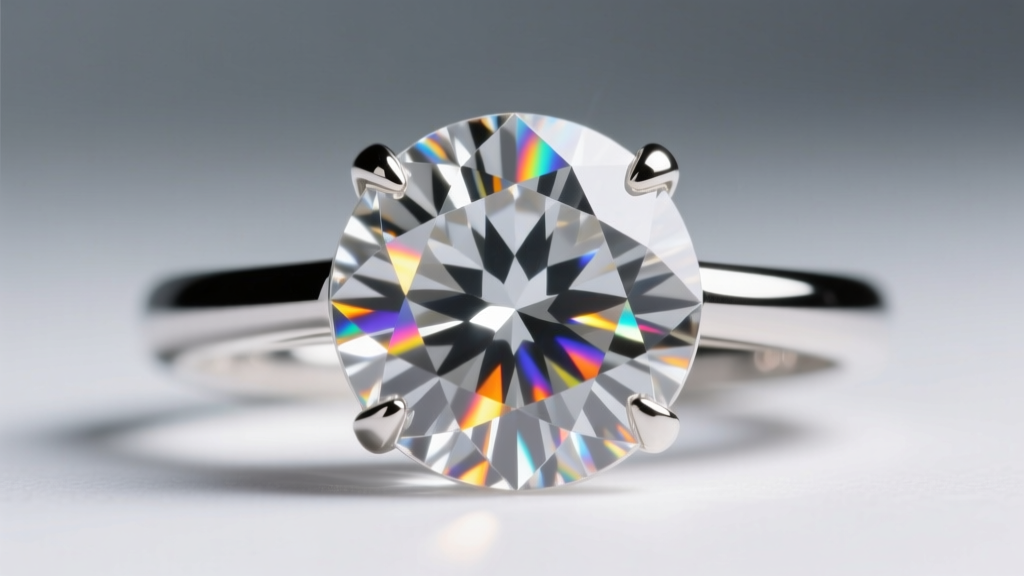
The Investment-Grade Diamond Matrix
According to the Gemological Institute of America (GIA), only a fraction of mined diamonds possess the characteristics required for long-term value retention. When consulting with a luxury sales associate, use this framework to evaluate stones:
- Color: Restrict your search to D, E, and F (Colorless) grades. For colored diamonds, Fancy Vivid and Fancy Intense saturations command the highest auction premiums.
- Clarity: Target Flawless (FL), Internally Flawless (IF), or VVS1. Inclusions, even those invisible to the naked eye, can severely impact liquidity in the secondary market.
- Cut Precision: For round brilliants, demand 'Excellent' across cut, polish, and symmetry. Look for precise proportions: a table percentage between 54-57% and a depth percentage between 61-62.5% to guarantee optimal light return.
- Fluorescence: Strictly select stones with 'None' or 'Faint' fluorescence. Medium to Strong fluorescence can cause a milky appearance in UV-rich environments, depressing resale value by up to 15%.
Furthermore, in the 2026 market, the distinction between natural and lab-grown diamonds is heavily scrutinized. While lab-grown stones offer excellent value for everyday fashion jewelry, investment-grade portfolios must exclusively feature earth-mined, natural diamonds accompanied by a GIA or AGS origin report.
Step 3: Navigating Luxury Watch Allocations
Acquiring a highly sought-after luxury timepiece—such as a Rolex GMT-Master II or a Day-Date in precious metals—requires a nuanced understanding of boutique allocation mechanics. Authorized dealers utilize sophisticated CRM systems to track client spend, brand loyalty, and purchase frequency.
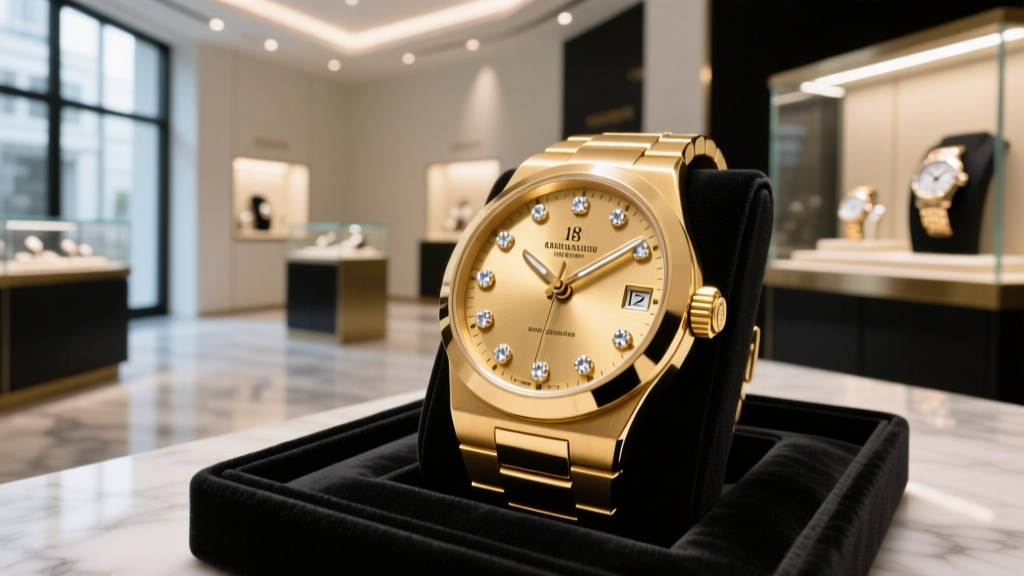
Building a Strategic Purchase Profile
To be considered for a rare horological allocation, you must demonstrate genuine brand affinity rather than transactional intent. Follow this step-by-step relationship-building protocol:
- Initial Acquisition (Months 1-3): Begin by purchasing non-allocated, high-margin items. Fine jewelry from brands like David Yurman or Marco Bicego offers excellent entry points. This signals to the sales associate that you appreciate the broader brand ecosystem, not just the hyped steel sports models.
- Consistent Engagement (Months 4-8): Schedule regular boutique visits. Try on new releases, ask informed questions about movement calibers (such as the Rolex Caliber 3235 and its Chronergy escapement), and build a genuine rapport with a dedicated sales professional.
- The Expression of Interest (Months 9+): Once your purchase history reflects consistent, high-value support, formally express your interest in a specific, hard-to-find reference. Be flexible regarding dial color or bezel configuration to increase your chances of a successful allocation.
Step 4: Evaluating Metal Purity and Craftsmanship
The foundational metals of fine jewelry dictate both its durability and its intrinsic melt value. Investment pieces should predominantly feature 18-karat gold (75% pure gold) or 950 platinum (95% pure platinum). Avoid 14-karat gold for high-investment pieces, as the lower gold content (58.3%) and higher alloy mix can lead to skin reactions and diminished prestige in international markets.
Platinum vs. 18k White Gold
When selecting settings for high-carat diamonds, understanding metallurgy is crucial. 18k white gold is alloyed with palladium or nickel and plated with rhodium to achieve a bright white finish. Over time, this plating wears away, revealing a slightly yellowish undertone that requires periodic re-plating. Conversely, 950 platinum is naturally white, denser (21.45 g/cm³ compared to gold's ~15.5 g/cm³), and develops a desirable patina over time without losing metal mass. For heirloom and investment pieces, platinum is the superior, low-maintenance choice.
Investment Tier Comparison: Structuring Your Portfolio
To build a well-rounded collection, it is essential to diversify across different tiers of luxury goods. The table below outlines the strategic role each category plays in a 2026 fine jewelry portfolio.
| Category | Examples | Liquidity | Primary Value Driver |
|---|---|---|---|
| Entry-Level Fine Jewelry | David Yurman Cable Bracelets, Roberto Coin Classics | Moderate | Brand recognition, everyday wearability, gold weight |
| High Jewelry / Couture | Unset GIA Type IIa Diamonds, Kashmir Sapphires | Low to Moderate | Rarity, gemological perfection, auction demand |
| Luxury Horology | Rolex Professional Models, Patek Philippe Complications | High | Brand waitlists, historical significance, mechanical complexity |
| Heritage / Vintage | Art Deco Cartier, Mid-Century Van Cleef & Arpels | Low | Provenance, historical era, unique craftsmanship |
Finalizing Your Investment Purchase
The final step in acquiring investment-grade fine jewelry is securing the proper documentation. Before leaving the boutique, ensure you receive the original manufacturer warranty card (fully stamped and dated), the independent gemological grading report (GIA, AGS, or Gübelin for colored stones), and a detailed itemized receipt specifying exact metal weights and carat totals. Store these documents in a fireproof safe or a secure digital vault, as the absence of original paperwork can reduce a piece's secondary market value by 20% to 40%. By applying this rigorous, step-by-step methodology, you transform the act of buying fine jewelry from a simple luxury expenditure into a calculated, rewarding financial strategy.


